

Radioiodine Therapy in China: -Night All-Inclusive Package with Price

What's included in this package
Medical Procedures
- CT scan of the body part
- PET/CT
- Radioiodine therapy
- 24-hr nurse services
Duration
Accommodation
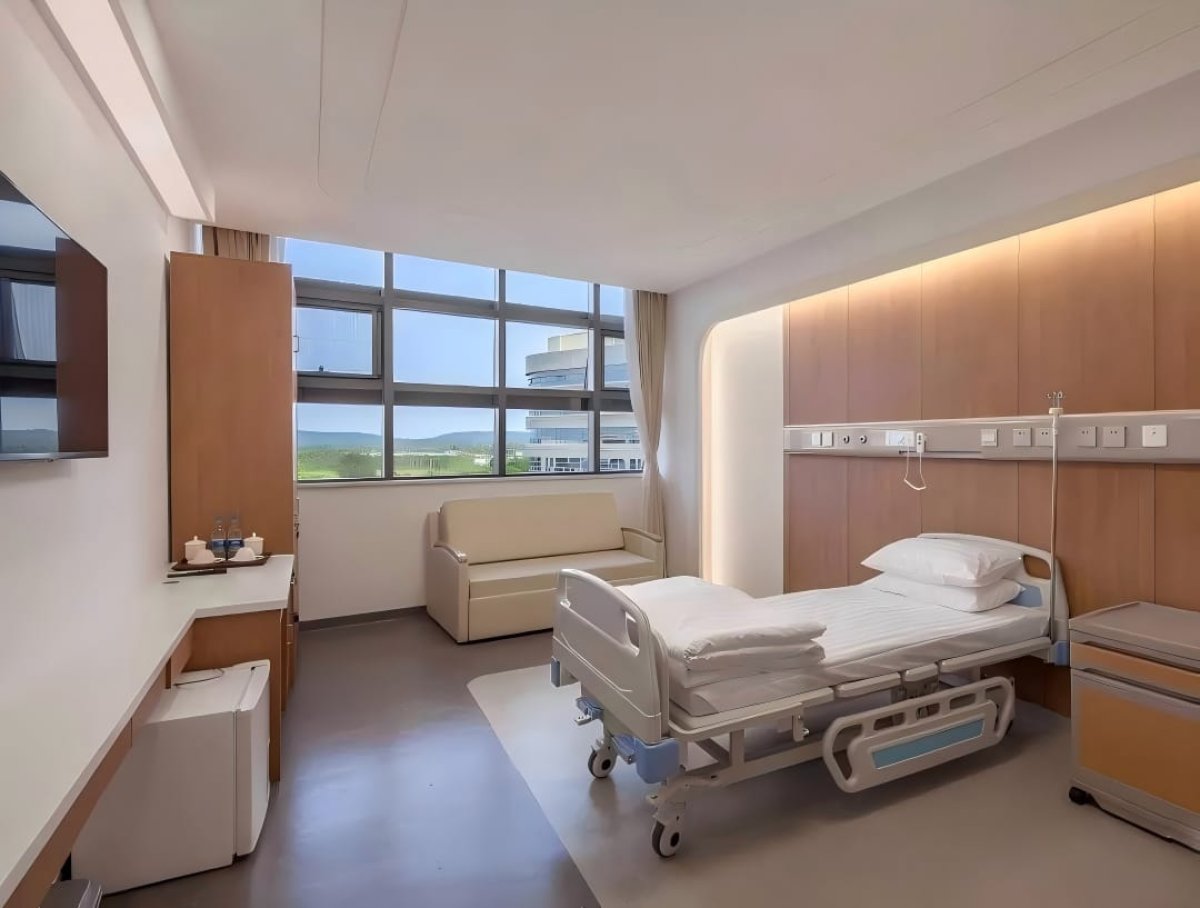
Hospitalization
Transport
VIP transfer (premium vehicle service, all transfers between airport, hotel and clinic)
Additional information
Thyroid Cancer Treatment Plan
Department: Head and Neck Surgery / Thyroid Surgery
1\. Treatment Methods
* Endoscopic or da Vinci robotic-assisted thyroidectomy, combined with central compartment lymph node dissection.
* Intraoperative nerve monitoring and parathyroid gland preservation to reduce the risk of hoarseness and hypocalcemia.
* Postoperative radioactive iodine (I-131) ablation therapy.
* TSH suppression therapy and lifelong follow-up management.
2\. Expected Treatment Outcomes
* For differentiated thyroid cancer, the 10-year survival rate exceeds 95%, and most patients can achieve clinical remission.
* Endoscopic surgery leaves no visible neck scar or only a small, concealed incision, helping preserve appearance and self-confidence.
* Intraoperative nerve monitoring provides better protection of vocal cord function, helping patients maintain normal speech and swallowing.
* Standardized radioactive iodine (I-131) therapy combined with TSH suppression helps keep the recurrence rate at a very low level.
* A dedicated case manager provides continuous follow-up, with personalized medication and lifestyle guidance for greater peace of mind.
3\. Estimated Treatment Costs
Reference Costs:
-Thyroid surgery: USD 4,500–9,000
-Complete radioactive iodine (I-131) treatment course: USD 7,500–15,000
24/7 Bookimed assistance
- Personal medical coordinator
- Medical travel arrangements — booking of air tickets and hotel rooms at special partner prices
- Patient advocacy during medical travel
Program price
What's NOT included in this package
Doctor
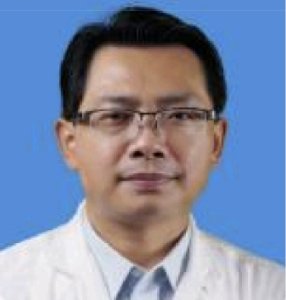
Dr. Qian Yong is Chief Physician and Director of Head & Neck Surgery and Stomatology. He is a postdoctoral oncology researcher and a Master’s supervisor. He is recognized as a Nanhai Talent and a Hainan Leading Talent. He has over 30 years of experience in head and neck oncology and oral and maxillofacial surgery.
He specializes in surgical treatment of thyroid and other head and neck tumors. He also focuses on tissue reconstruction, minimally invasive surgery, and intraoperative radiotherapy. He serves as Vice Chair of the Thyroid Tumor Committee of the Hainan Cancer Prevention and Treatment Association. He is a Standing Committee Member of the Otolaryngology–Head and Neck Surgery Committee of the Hainan Medical Association. His research centers on tumor invasion and metastasis and on intraoperative radiotherapy. He has published many papers in core Chinese journals and SCI‑indexed journals, with several as corresponding author.
How are we doing?

About the clinic
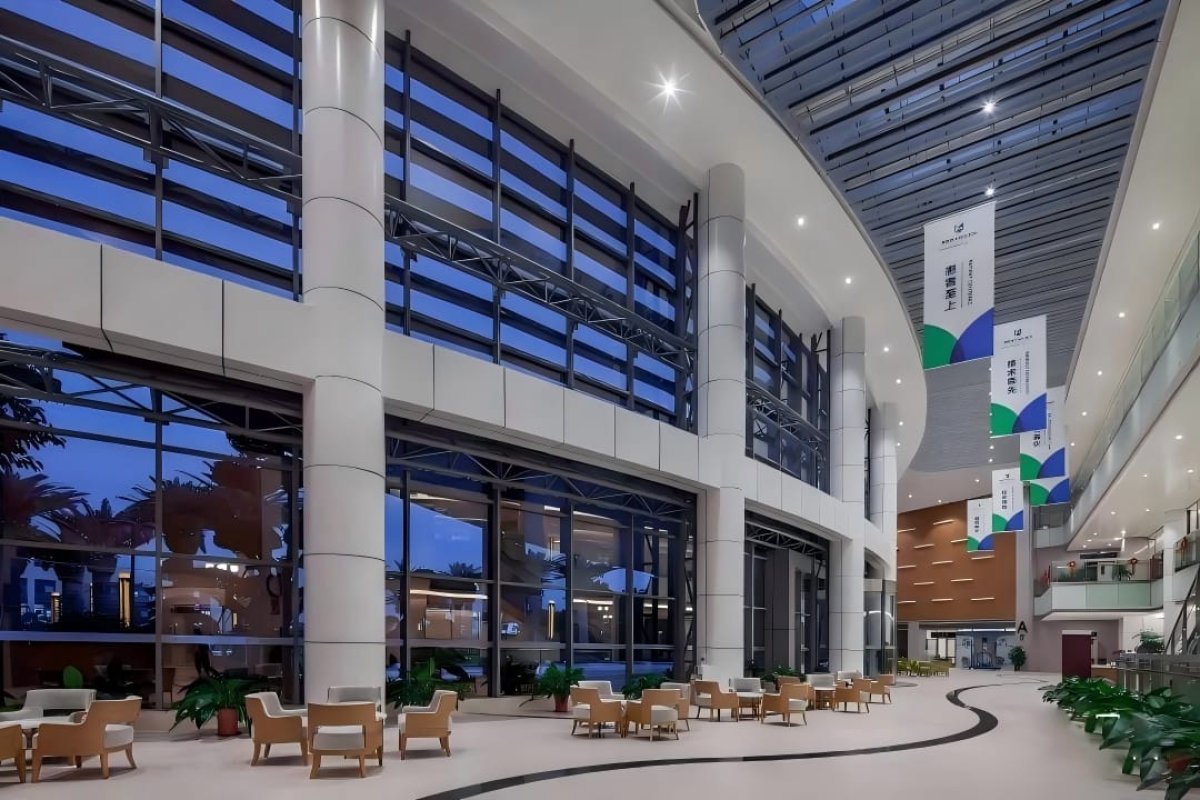
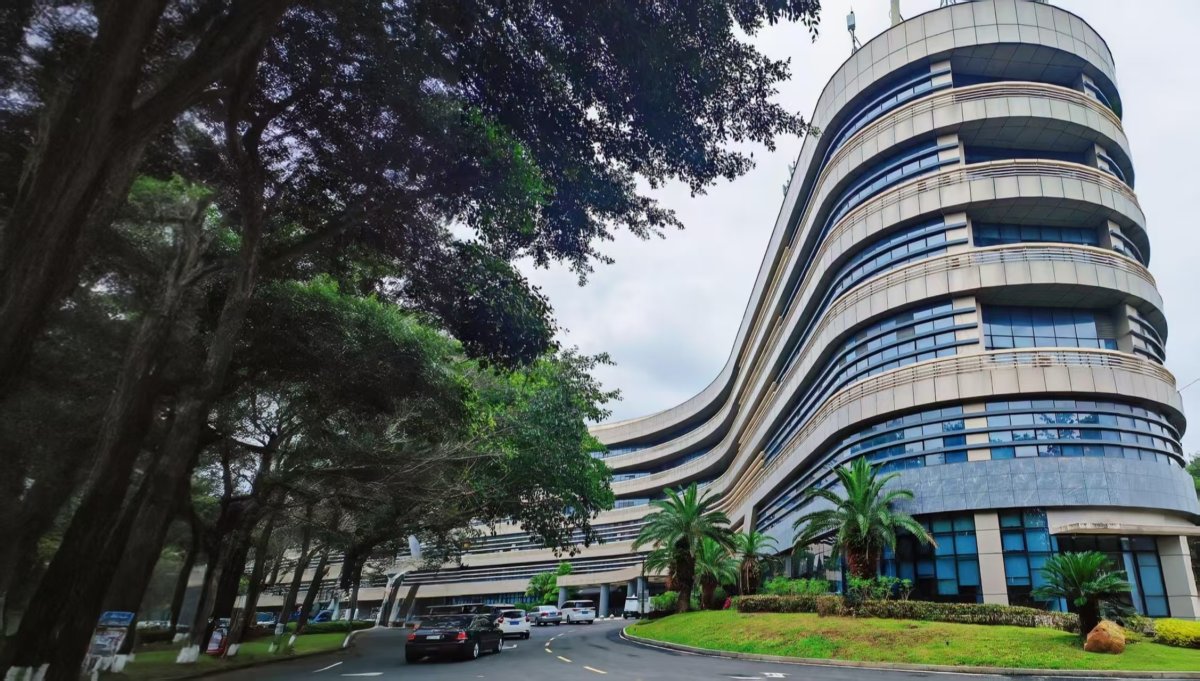
Boao International Medical Center is a private multidisciplinary medical center located in Hainan, China. The clinic specializes in oncology, neurology, kidney diseases, diabetes, rehabilitation, stem cell therapy, and Traditional Chinese Medicine (TCM).
The center provides care for both adults and children, and more than 20,000 patients receive treatment there each year. It welcomes international patients, particularly from Europe, Commonwealth countries, Africa, and Asia, supported by a multilingual medical team.
Payment & Rewards
You don’t pay for our services
You make your payment directly at the clinic or to their official bank account.
Some clinics may require a deposit as a part of their policy.
Spread out your payments with installment options.
Earn rewards for referring friends to Bookimed.
Why people love us
Our top offers for you
FAQ
How is radioiodine therapy performed?
Radioiodine therapy includes the following steps :
- Based on the results of the examination, the doctor determines the required dose of radioactive iodine.
- Specialists make a capsule with a substance.
- Under the supervision of a doctor, the patient takes radioiodine.
After the procedure, the person emits radiation. This can adversely affect the health of others. Therefore, for 3-7 days the patient remains in an individual ward with a special ventilation system. The duration of hospitalization depends on the dose of radioiodine.