Mole Removal in Egypt: 7-Night All-Inclusive Package with Price
special price valid till December 28, 2026
What's included in this package
Medical Procedures
- Mole Removal
- Consultation with a plastic surgeron
Duration
- 7 days in the hotel
Accommodation
Accommodation is not included
Transport
Transfer is not included
Implant
No implant applicable
Additional information
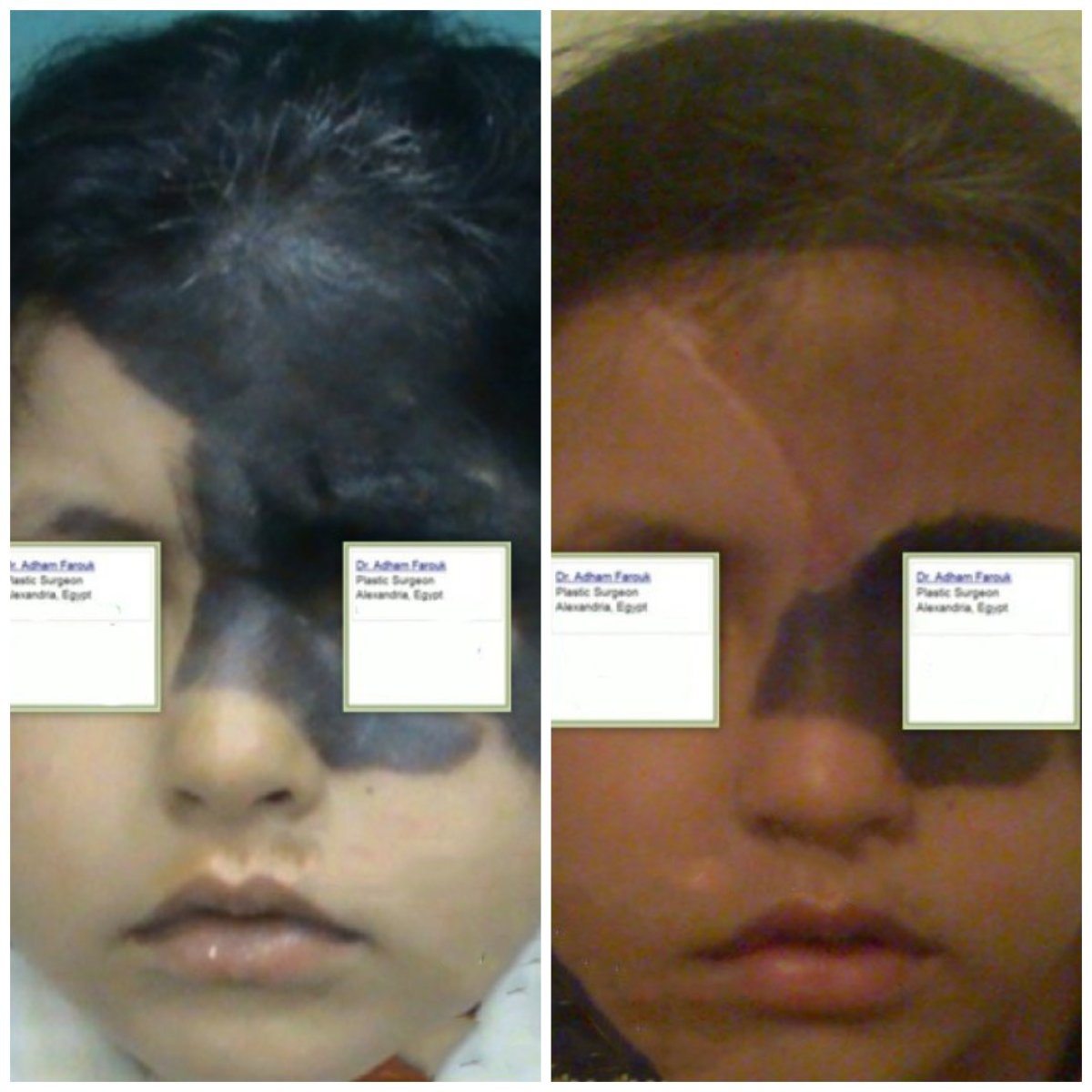
Expert Nevus Removal Mole and Birthmark Excision by Prof. Dr. Adham Farouk
Nevus removal encompasses the surgical excision of moles birthmarks and skin lesions. Prof. Dr. Adham Farouk brings over 30 years of surgical expertise to deliver precise and aesthetic results with minimal scarring.
24/7 Bookimed assistance
- Personal medical coordinator
- Medical travel arrangements — booking of air tickets and hotel rooms at special partner prices
- Patient advocacy during medical travel
Program price
special price valid till December 28, 2026
What's NOT included in this package
Doctor
How are we doing?

About the clinic
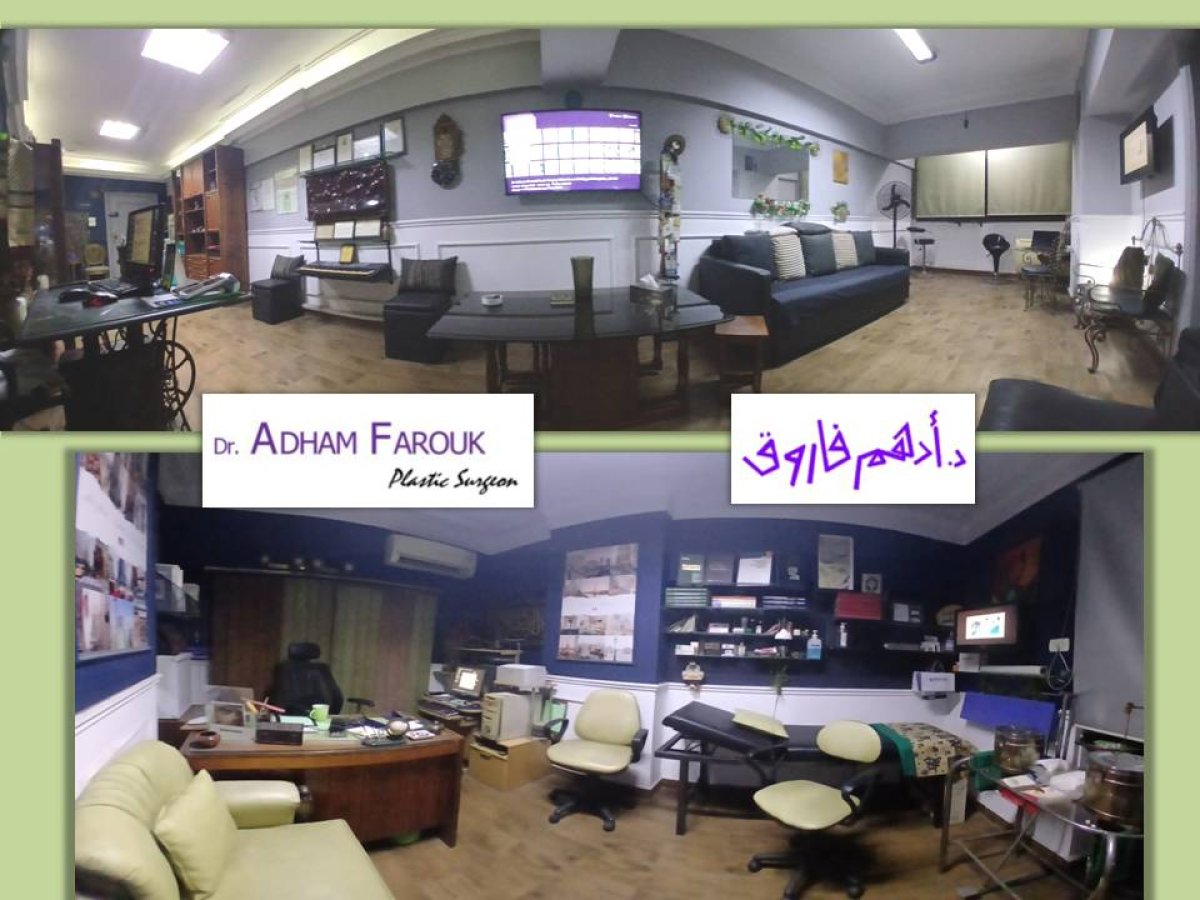
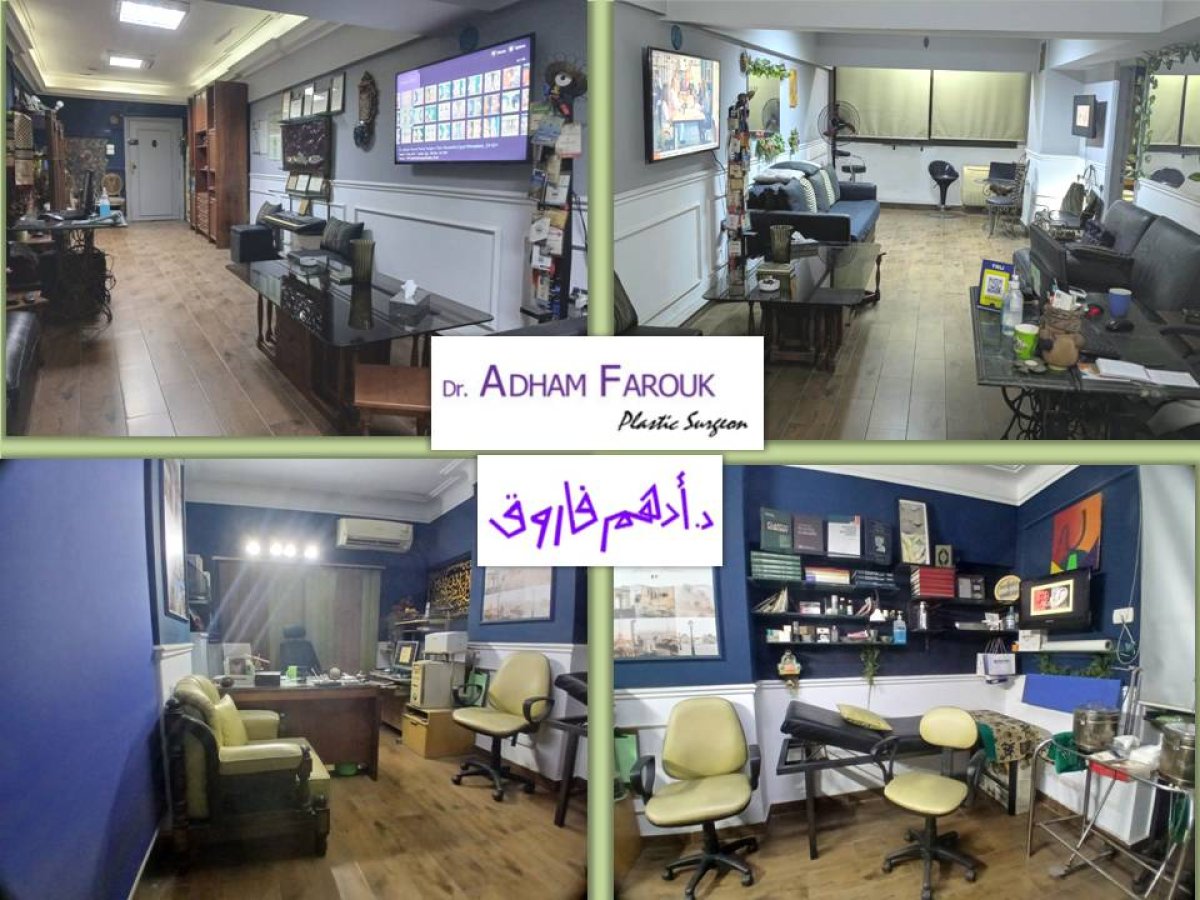
Mole removal at Prof. Dr. Adham Farouk’s practice in Alexandria, Egypt, includes surgical excision and laser treatment for birthmarks. Prof. Dr. Farouk is a plastic surgery professor with over 30 years of experience.
Excision, laser treatment, and biopsy
Surgical excision can treat moles, skin tags, birthmarks, and other benign skin lesions. Birthmarks may also be treated with a laser. Local or general anesthesia may be used, depending on the case.
A skin evaluation and medical history review help guide the plan. A biopsy may be recommended for pigmented lesions when indicated. Incisions are placed along natural skin lines, and scars may fade over time.
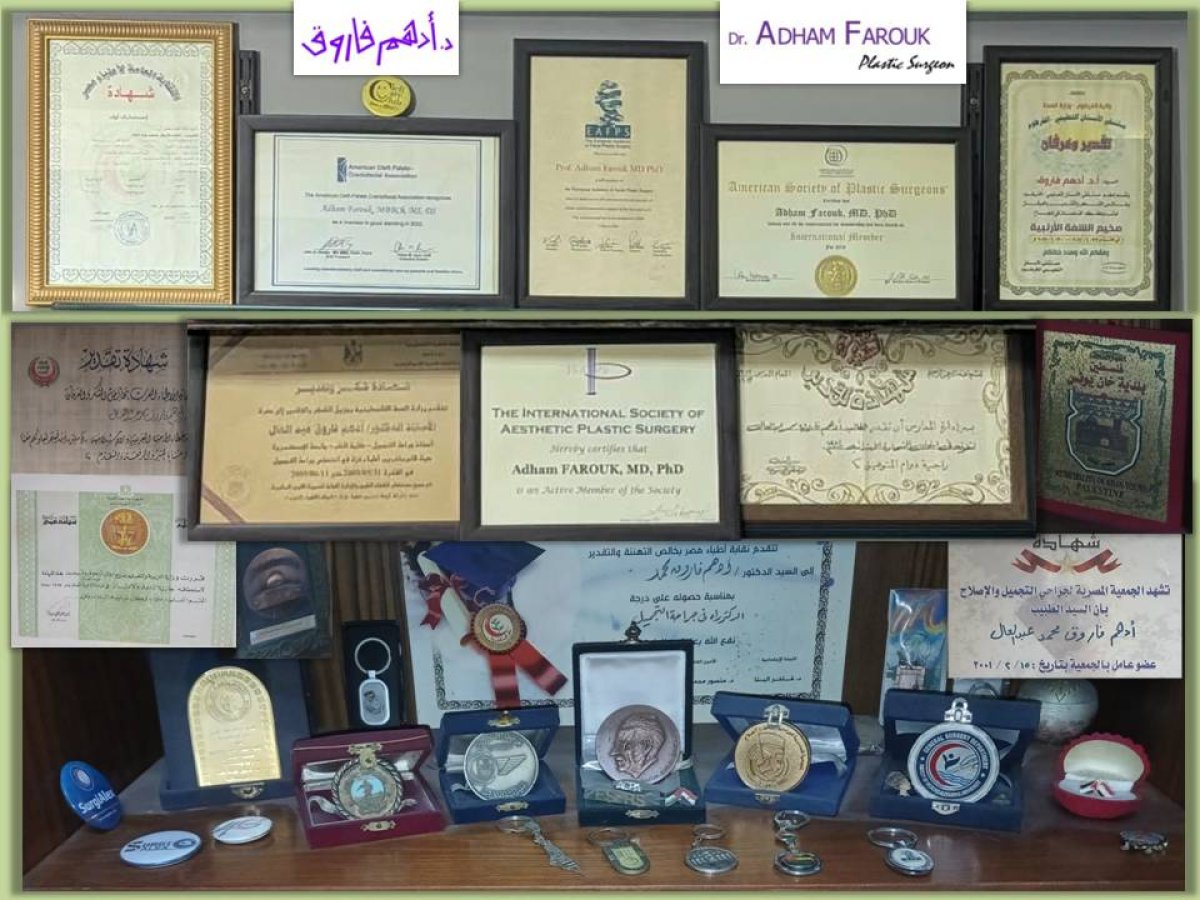
Skin grafts, skin flaps, or tissue expansion may be considered when needed. Prof. Dr. Farouk is a member of ASPS, ISAPS, EAFPS, ESPRS, and ICOPLAST.
Recovery and aftercare
Most patients return to normal activities within a few days. Stitches are usually removed after 7–14 days, depending on the treated area.
After treatment, patients should keep the wound clean and dry, change dressings, and use prescribed ointments. Avoiding sun exposure and reporting signs of infection are also part of aftercare.
Before the procedure, patients should report skin allergies and discuss blood-thinning medicines with their care team. Medical removal for suspected cancer may be partly covered by insurance, while cosmetic removal is typically not covered.
To discuss whether removal or a biopsy may suit your situation, request a consultation through Bookimed.
Payment & Rewards
You don’t pay for our services
You make your payment directly at the clinic or to their official bank account.
Some clinics may require a deposit as a part of their policy.
Spread out your payments with installment options.
Earn rewards for referring friends to Bookimed.
Why people love us
FAQ
What is a mole?
A mole (birthmark or nevus) is an accumulation of the skin pigment — a congenital disability or a benign tumor acquired through living. A mole can occur anywhere in the body, including the mucous membranes.
What are the types of moles?
There are different types of birthmarks, and not all of them are safe and comfortable for their owners. Moles can be flat and convex, yellow and black, covered with hair.
Mole sizes range from a few millimeters to tens of centimeters in diameter. In some cases, nevuses become cancerous. You should be wary if you have moles after long exposure to the sun, or if they appear and disappear spontaneously and visit a doctor urgently.
What are the indications of the mole removal?
Unfortunately, a mole is not only an aesthetic issue. It also may cause difficulties and severe diseases like skin cancer. Specialists recommend getting rid of a nevus if it:
- changes shape or surface structure
- causes discomfort
- becomes damaged and bleeds.
It is necessary to consult with a dermatologist and examine the mole with a dermatoscope to determine the possibility and surgical method. Unreasonable resection of all moles does not benefit health and can remain scars on the body.
What are contraindications to the procedure?
Contraindications to the removal of nevus are:
- exacerbations of chronic diseases
- an unhealthy skin area around the mole
- cardiovascular diseases.
What are the main methods of mole removal?
There are such techniques of the mole treatment as:
- electrocoagulation or electrosurgery — moles removal is performed using a special surgical coagulator that affects the nevus with high-frequency current and simultaneously solders the tissue.
- cryodestruction or cryosurgery — resection of the moles that are located only in the upper epidermis layers with liquid nitrogen.
- laser mole treatment — a powerful light beam destroys cells of a birthmark and evaporates them from the skin.
- radiofrequency mole removal — a method to get rid of nevuses using high-frequency radio waves.
- surgical excision of a mole — the most reliable method, suitable for treatment of large formations excised with a scalpel and removed with a small area of surrounding healthy skin.
How long is restoration after the mole removal?
The healing process depends on the amount of the tissue removed — the larger the mole, the longer the healing. Doctors recommend not touching or tearing off the scab, and it must fall off by itself. The pink spot remains instead and must be protected from exposure to the sun. Using skincare with 50+ SPF eliminates the risk of new formations.
The healing skin area must be equal to the rest of the skin in color and structure; only then the recovery period finishes.
Surgical mole removal requires particularly careful follow-up care, as it is the most traumatic. If the operated area is damaged or bleeding, you should immediately consult a doctor.
What are the risks of the mole resection?
The risks after the surgery vary according to the patient's features and the removal method — for example, bleeding, allergic reactions to anesthesia, and very rarely, nerve damage.
The most common complication is scar after the operation. Ask your doctor how to avoid or minimize an injury in the consultation.
What is preparation for the surgery?
- The surgeon cleans the operated area with alcohol or other suitable fluid.
- The local anesthesia is administered.
- 10 minutes later (the period when anesthesia starts to take effect), the doctor removes the mole.
What method of nevus removal is the most common?
Laser resection is the most popular method of mole surgeries. The laser treatment is available to apply for all body parts. This operation type is low traumatic, no scars remain. The local anesthesia is used.