


A single Lumineer costs $800–$2,000 per tooth at US clinics. At Bookimed partner clinics, the same tooth costs $40–$450 in Turkey and $400–$650 in Mexico. That is up to 80% less than the US price. In Thailand, a tooth costs $600–$750. The figure covers the shell, the laboratory work, and the fitting itself. This guide also covers what a treatment package includes and how to check a dentist abroad.
Key Takeaways
Table of Contents:
- Are Lumineers Worth the Cost?
- How Affordable Are Ultra-Thin Veneers Abroad?
- What a Treatment Package Abroad Covers
- Ultra-Thin vs. Traditional Veneers: A Cost Comparison
- Best Places to Get Lumineers: Turkey vs Mexico
- Why Do Lumineers Cost Less in Mexico and Turkey?
- Risks and How to Limit Them
- Recovery and Aftercare Timeline
- Are Lumineers Covered by Insurance?
- A Guide to Financing Lumineers
- How to Check a Lumineers Provider Abroad
- The Bottom Line
- FAQs
Are Lumineers Worth the Cost?
Ultra-thin shells suit small changes to shape and shade. Because the porcelain is semi-translucent, a dark, gray, or heavily stained tooth will show through it. Such cases require a thicker traditional veneer, or whitening first.
Lumineers are a brand of very thin porcelain shells bonded to the front of a tooth. Each shell is about 0.2–0.3 mm thick. Almost no enamel is shaved away to fit one. One laboratory makes them: DenMat in California, from a porcelain it calls Cerinate.
The treatment helps with:
stained teeth;
cracked or chipped teeth;
gaps between teeth;
misaligned or crooked teeth;
worn teeth;
uneven or irregularly shaped teeth;
sensitive teeth.

Benefits of Ultra-Thin Veneers
Minimal tooth preparation. The shells go straight onto the teeth, with little or no enamel removed.
Natural appearance. The thin porcelain lets light through, so a shell blends with the teeth beside it.
Comfort. They are light, and most people stop noticing them within a few days.
Quick procedure. Fitting usually takes 2 visits over 2–3 weeks, with no recovery time in between.
One word the brand uses needs care: reversible. Because no enamel is shaved, the tooth underneath stays intact. Taking the shells off later is a different matter. The bonding resin grips the enamel, and grinding it away can leave permanent marks on the surface. It is safer to treat Lumineers as a long-term choice than a temporary one.
How teeth look matters to people, and it carries into how they feel about themselves. In a survey of over 400 students, only 34% said they were satisfied with their teeth. Those most affected by the look of their teeth also scored lower on self-esteem.

How Affordable Are Ultra-Thin Veneers Abroad?
What you pay depends on the country and on how many teeth you treat. Below are prices for one tooth at Bookimed partner clinics, with US and UK prices for context.

| Country | Lumineer price per tooth |
|---|---|
| Turkey | $40–$450 |
| Mexico | $400–$650 |
| Thailand | $600–$750 |
| India | $600–$900 |
| Ukraine | $650–$950 |
| United Kingdom | $700–$1,400 |
| United States | $800–$2,000 |
The Academy of General Dentistry finds the same pattern in dental care as a whole. It puts the typical savings for a US patient at about 40%–65% in Mexico.
A full mouth restoration multiplies the price for one tooth across every tooth that shows when you smile. That is commonly eight to ten of them. A clinic quotes the total once it has seen your photographs or scans.
What a Treatment Package Abroad Covers
Partner clinics abroad often quote a package rather than a line-by-line bill. One price covers the treatment and the practical parts of the trip.
Here is what a package may include:
The dental work. The consultation, X-rays, impressions, and the fitting of the shells.
Accommodation. A stay in a four- or five-star hotel for the nights of the treatment.
Transfers. Airport to hotel, and hotel to the dentist's office.
Checks before and after. The consultation beforehand and the check-up before you fly home.
Time to see the city. Optional tours or activities on the days between appointments.
A written guarantee. Cover on the work itself, and in some cases basic dental insurance.
A Bookimed coordinator arranges the appointments and stays in touch throughout the trip.
Ultra-Thin vs. Traditional Veneers: A Cost Comparison
The difference between the two is how much of the tooth is removed first. A traditional veneer requires shaving a thin layer of enamel off the front. An ultra-thin veneer fits directly over your natural tooth with little to no prep.
That one difference changes the price, the number of visits, and what can be undone later.

| Feature | Ultra-Thin Veneers | Traditional Veneers |
|---|---|---|
| Thickness | Less than 0.3 mm | About 0.5 mm or more |
| Tooth preparation | Little or no enamel removed | Enamel is shaved first |
| Visits to the dentist | Usually 2 | Usually 3–4 |
| Effect on the tooth | Tooth stays intact | Tooth is reshaped for good |
| Fit | Sits on top of the tooth | Enamel is shaved first, so the shell sits level with the other teeth |
| Best suited to | Small changes to shape and shade | Larger changes and darker teeth |
What Each One Costs
Mexico shows the gap most clearly. A Lumineer costs $400–$650 per tooth at partner clinics there, and a traditional porcelain veneer costs $700–$1,500. In Turkey, the two are priced the same, at $40–$450 per tooth.
Best Places to Get Lumineers: Turkey vs Mexico
Turkey and Mexico are the two destinations most patients weigh against each other. How far you can travel, what you can spend, and how long you can stay all shape the choice.
Turkey as a Treatment Destination

Turkish clinics are built around patients who fly in for treatment. Appointments are grouped so the course finishes inside one trip. English-speaking staff handle the consultation and the aftercare notes.
What Turkey offers
About 80% more affordable than the US. A Lumineer costs $40–$450 per tooth at partner clinics, against $800–$2,000 in the US.
Hospitals audited to an international standard. Turkish hospitals hold accreditation from bodies such as Joint Commission International. It audits them against the same safety standards used in Western healthcare.
Dentists experienced with these shells. Dr. Susana Akdash has 15+ years in dentistry and fits Lumineers at WestDent Clinic in Izmir.
Packages that cover the trip. Hotel nights, transfers, and the final check-up are usually quoted in one price.
No visa required for US or UK passports. Ordinary passport holders enter for up to 90 days in any 180-day period.
What to weigh up
A long flight from North America. Expect a connection and a full travel day in each direction.
Highest-rated clinics for Smile makeover

Soraca Med
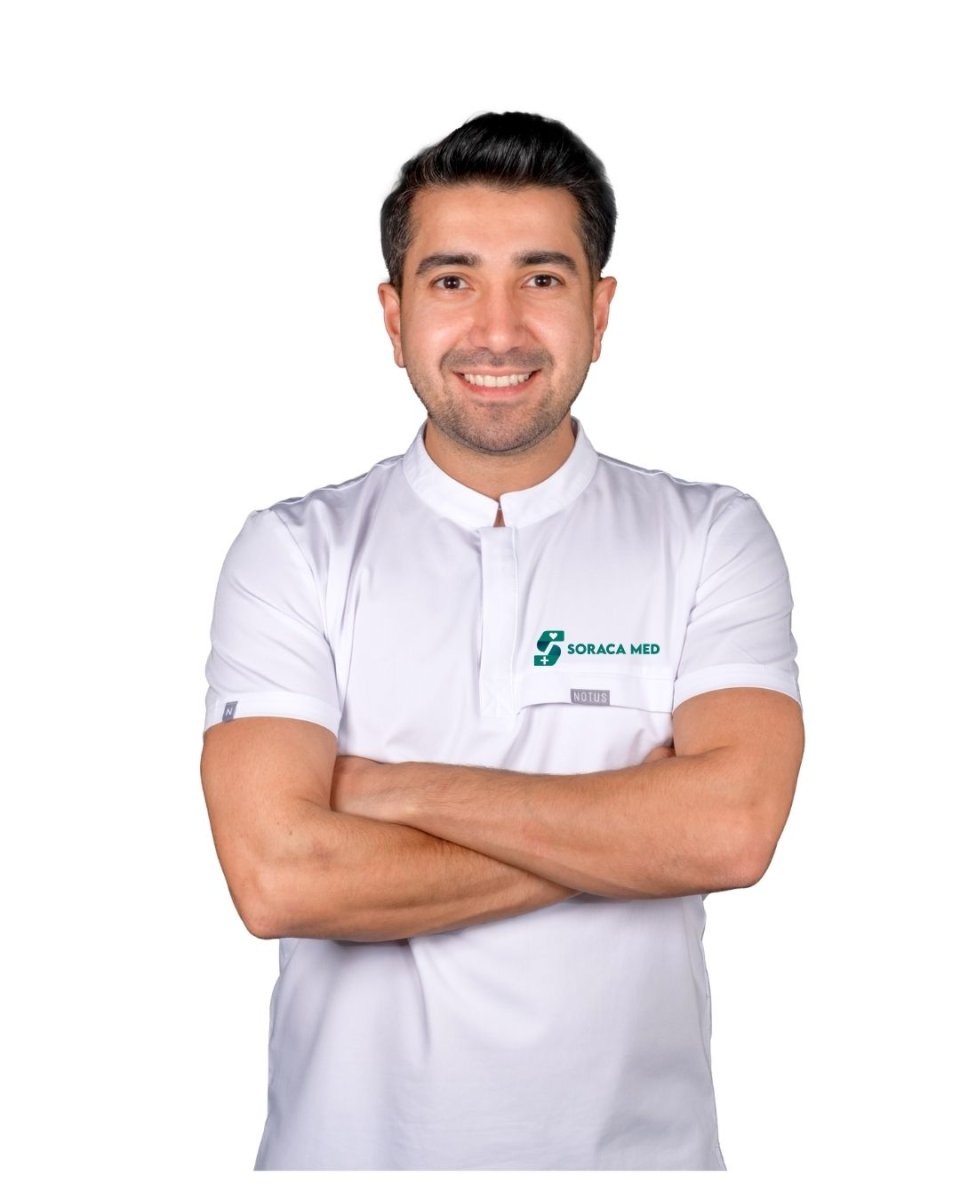
The clinic offers comprehensive all-inclusive packages for 16–20 Lumineers, which may cost around €4,400 and typically cover the procedure, hotel stay, transfers, exams, and a guided tour. Soraca Med holds International Health Tourism Authorization, has a 4.8/5 rating, and provides a 6-year warranty on veneers, ensuring long-term care.
| treatment | |
|---|---|
| Lumineer | $250 - $290 |
Good Look Clinic
Dr Abdullah Kongoz brings of prosthodontics expertise, having performed 1,100+ procedures including advanced smile designs. Lumineer installation may cost around $1,500 – typically covering 20 ceramic veneers, 6 nights in a 4-star hotel, and VIP transfers. The DDS and PhD holder trained at Istanbul University and University of Wisconsin, specializing in minimal-prep techniques. VSC Dental Clinic maintains Turkish Medical Association accreditation with a 4.5/5 rating from 72+ patients.
| treatment | |
|---|---|
| Lumineer | $260 - $280 |
Lokman Hekim Istanbul Hospital
Lokman Hekim Istanbul Hospital is a JCI-accredited private medical center in Istanbul. It treats 10,000+ patients each year. Core specialties are neurosurgery, orthopedics, spinal surgery, and weight loss surgery.
- Holds ISO 9001 certification from TÜV NORD CERT.
- 90 physicians work across 35 departments.
- Patients come from CIS, Africa, and the Arab League.
- Formerly known as Adatip International Hospital.
- Serves both adults and children.
Mexico as a Treatment Destination

Mexico is a short trip for patients in the United States and Canada. Direct flights reach the main dental cities in a few hours. That makes a second visit easy to arrange if a shade needs adjusting.
What Mexico offers
A flight of a few hours. Direct routes run from most large US cities, so the trip can fit into a long weekend.
About 60% more affordable than the US. A Lumineer costs $400–$650 per tooth at partner clinics.
Consultations in English and Spanish. Clinics that treat patients from abroad keep bilingual staff for planning and aftercare.
Accredited clinics. Several partner clinics in Mexico hold accreditation from the Asociación Dental Mexicana, the national dental body.
What to weigh up
Fewer all-in packages. Hotel nights and transfers are quoted separately more often than they are in Turkey.
Standards differ outside the main dental cities. Dentistry in Mexico is delivered by independent practices, and equipment and training vary from one to the next. However, every Bookimed partner clinic has its license checked before it is listed, and each one shows the accreditations it holds.
Highest-rated clinics for Smile makeover
SoftDentalCare Clinic
SoftDentalCare Clinic is a private dental center in Los Algodones, Mexico. It has treated international patients for 17 years. The clinic specializes in dental work, maxillofacial surgery, and diagnostics. It holds accreditation from the Asociación Dental Mexicana.
- Uses implant brands like Straumann, Nobel Biocare, 3M, Dentsply, and Coltene.
- Offers PRF, PRP, socket preservation, and sinus lifts for bone grafting.
- Serves only adults. Patients come from the US, Canada, Latin America, and Australia.
- Panoramic X-rays help diagnose teeth below the gum line.
| treatment | |
|---|---|
| Lumineer | |
Dentavida Clinic
Dentavida Clinic is a private dental center in Cancún, Mexico. It serves around 1,000 patients a year from the USA, Canada, and Australia. Its core specialties are general dentistry and dental surgery.
- Accredited by the Asociación Dental Mexicana (ADM), a recognized dental authority in Mexico.
- Dedicated team of 12 dentists across four departments.
- Treats both adults and children of all ages.
- Located in Cancún, a popular destination for medical travel from the US and Canada.
Beamann Hobbs Dental Clinic
Beamann Hobbs Dental Clinic is a Mexico City practice specializing in orthodontics, endodontics, and dental prosthetics. Its dentists bring over 15 years of experience and the clinic is accredited by the Asociación Dental Mexicana (ADM).
- Sees around 1,900 patients each year, including both adults and children.
- Popular with international patients from the USA, Canada, Latin America, and Europe.
- Offers brackets, dental crowns, prostheses, and teeth whitening services.
- 7 dentists work across 5 specialized departments.
Why Do Lumineers Cost Less in Mexico and Turkey?
A Lumineer costs $40–$450 per tooth in Turkey and $400–$650 in Mexico. US clinics charge $800–$2,000 for the same tooth. The shell and the method are the same. What changes is the cost of delivering the treatment.
Dentists Are Paid Less
Most of the cost of a veneer procedure reflects the dentist's time. A US dentist earns a median of $176,110 a year. Wages overall in Mexico run at about a quarter of the US level, and Turkish clinics bill in lira, which has lost most of its value against the dollar. An hour of dental chair time is priced against those local rates, not US ones.
Rent, Equipment and Lab Work Cost Less
A clinic in Istanbul or Cancun pays less for its premises, its chairs, and its scanner than one in Chicago. The laboratory that presses the porcelain charges less as well. A clinic there can quote a lower price and still cover what it spends.
Clinics Compete for the Same Patients
Partner clinics in both countries treat patients who fly in and compare quotes before choosing a clinic. That keeps prices close together inside each country. A clinic that quotes far above its neighbors loses the booking.
Risks and How to Limit Them
The shells themselves hold up well. In a study that followed 801 ultra-thin veneers, over 97% were still intact after four years, and the figure held to the end of the nine-year follow-up. Grinding your teeth at night is the main threat to that lifespan – in a 20-year study of porcelain veneers, veneers in patients with bruxism failed at 7.7 times the rate of the rest. A night guard is the usual answer, and it is worth asking whether one is included in the quote.
Possible side effects, and what to ask your dentist about each:
Sensitivity to hot and cold. It usually fades within one to two weeks. Ask what the clinic does if it lasts longer.
Sore gums where a shell meets the gum. A rough or thick edge at the gum line is what irritates it. Ask how the dentist finishes each edge and checks your bite.
A dark line where the shell meets the tooth. Staining collects along that join, and it builds faster in smokers. Ask what one replacement shell would cost.
A chipped shell. This is the usual reason one gets replaced, and a single shell can be swapped without touching the others. Ask for the guarantee in writing – what it covers and for how long.
Gums recover within about three months. In a 24-week study of 27 patients fitted with more than 280 Lumineers, plaque and gum bleeding rose in the first month, then returned to their starting level by week 12 and stayed there. The depth of the gum pockets and how firmly the gum held the tooth did not change at any point. Brush and floss carefully along the edges of the shells to keep it that way.
Recovery and Aftercare Timeline
Ultra-thin veneers add almost nothing to the tooth, so most people are back to normal within a day or two. Here is what the days after fitting look like.
The First Two Days
Any tenderness in the first 48 hours is mild and settles on its own.
- Sensitivity to hot and cold is the most common feeling, and it usually eases within two days.
- Soft foods and lukewarm drinks are the most comfortable choice at first.
- A mild pain reliever helps on the rare occasion you need one.
The First Week
Most people return to normal eating within three to five days.
- Any lingering sensitivity fades within five to seven days.
- Brushing and flossing carry on as normal, gently around the gum line.
Long-Term Care
Once the shells settle, they need the same care as natural teeth.
- A check-up every six months lets a dentist catch a loose edge early.
- Hard foods and nighttime grinding are the main threats to a shell.
- A night guard protects the shells if you grind your teeth.
Are Lumineers Covered by Insurance?
Dental insurance rarely pays for Lumineers. Insurers treat them as a cosmetic procedure, and most policies exclude cosmetic work.
A claim has a better chance when the shell repairs a tooth rather than only changes how it looks. Three situations can qualify:
A tooth broken in an accident, where the shell restores its shape.
Enamel worn away far enough to affect how you bite or chew.
Work a dentist can document as needed rather than cosmetic.
Each of those is judged case by case, and the share paid differs by policy. A dentist can write a note setting out why the treatment is needed. That note is the first thing an insurer asks for.
Treatment abroad is normally paid straight to the clinic, so plan for the full amount. You may also want a short-term medical travel policy for the trip itself, separate from dental coverage.
A Guide to Financing Lumineers
Insurance rarely covers cosmetic veneers, so most patients spread the cost another way. A few options are worth comparing.
Personal loans. A bank or online lender advances the full amount, repaid in monthly installments.
Credit cards. A card with a low or introductory rate spreads the cost over several months.
Medical financing plans. Some lenders specialize in healthcare costs and set fixed terms for dental work.
Clinic installments. Ask the clinic whether it can split the payment, as some do this directly.
A coordinator can talk you through what each partner clinic offers before you commit.
How to Check a Lumineers Provider Abroad
The clinic's own answers to a few direct questions tell you the most.
Questions Worth Answering in Writing
Get these answers in writing before a deposit changes hands.
Who makes the shells, and where. A genuine Lumineer is made at DenMat's laboratory in California. A shell pressed at a local laboratory may cost less, but it is not a Lumineer.
How many days the course takes. This sets your flights and the number of hotel nights.
What the quoted price covers. The scan, the mock-up, the temporary shells, and a night guard are sometimes charged on top.
What happens if a shell chips or the shade is off. The answer shows what the guarantee is worth.
Who you see for a check-up at home. The clinic may work with a dentist in your country, or ask you to come back.
The Bottom Line
Turkey and Mexico price a single Lumineer at $40–$450 and $400–$650 per tooth, up to 80% below the US price of $800–$2,000.
The gap reflects wages, clinic rent, and laboratory fees abroad, not a cheaper shell.
Ultra-thin veneers suit small changes to shape and shade; a dark or heavily stained tooth needs a thicker traditional veneer.
A package abroad usually covers the dental work, hotel, and transfers in one quote.
FAQs
How much do Lumineers cost?
A single Lumineer costs $40–$450 per tooth in Turkey and $400–$650 in Mexico. US clinics charge $800–$2,000 for the same procedure. That is up to 80% less than the US price.
The gap comes from the cost of delivering the treatment, not from the shell. Wages, clinic rent, and laboratory fees are lower in Turkey and Mexico. The porcelain and the bonding method are the same.
Most people treat the teeth that show when they smile, commonly eight to ten of them. The figure that matters is the package price. It usually covers the consultation, the scans, the shells, and often the hotel and transfers. A clinic confirms the total once it has seen your photos or scans.
How are Lumineers applied?
Lumineers are fitted over two visits, and usually no enamel is drilled away. During the first visit, the dentist plans your treatment; during the second, they bond the shells in place.
At the first appointment, the dentist checks whether thin shells suit your teeth. Impressions or a digital scan then go to the laboratory. Each shell is made there to fit one tooth.
Because the shells are only about 0.2–0.3 mm thick, little or no enamel is removed. That is what makes the treatment more conservative than traditional veneers.
At the second appointment, each tooth is cleaned and lightly prepared. The shells are bonded on with a resin cement. The dentist then checks the fit, the bite, and the shade. A local anesthetic is available, though it is often not needed. The two visits usually fall within two to three weeks, and abroad they are arranged in one trip.
How do you take care of Lumineers?
Lumineers are cleaned like natural teeth, with a soft brush, floss, and a non-abrasive toothpaste. Nothing special is needed beyond that.
Brushing and flossing keep the gum line clean, which is where problems usually start. An abrasive paste can scratch the porcelain, so a gentle one is the safer choice.
Coffee, tea, and red wine stain the seam between the shell and the tooth over time. Rinsing with water after them slows that down.
Hard biting is the main cause of chips. It is best to avoid biting on hard items like ice, nuts, or pen caps. If you grind your teeth at night, a night guard will protect your veneers. A check-up every six months lets a dentist catch a loose edge before it requires a bigger repair.
How long do Lumineers last?
With good care, Lumineers last about 10–20 years. In a study that followed 801 ultra-thin veneers, over 97% were still intact after nine years.
How long yours last depends on daily habits and on the tooth underneath. A clean gum line and a healthy tooth help the shell last longer.
Grinding your teeth at night is the main risk to that lifespan, and a night guard helps protect the shells.
A single shell can be replaced on its own if it chips or its shade drifts. Regular check-ups make an early repair possible.
Can you get a Lumineer on just one tooth?
A single Lumineer can be bonded to one tooth to cover a chip, a gap, or a stain. The teeth beside it are left untouched.
Single-tooth cases are common. A front tooth that was knocked years ago and now looks darker than its neighbors is the usual example.
The challenge is matching one new shell to the color and shape of the teeth around it. That is work for an experienced ceramist. Thin porcelain lets some of the underlying color show, so a very dark tooth is harder to cover. A thicker veneer, or whitening first, is a better match in those cases.
Your teeth do not need to be perfectly straight for this. Shells can even out small differences in position. Pricing for one tooth follows the same figures as a full set.
Are Lumineers reversible?
Lumineers are often called reversible because no enamel is shaved to fit them, but removing bonded shells is rarely simple. They are best treated as a long-term choice.
The reversible label is true in one narrow sense. The tooth is not filed down the way it is for a traditional veneer. Its natural structure stays intact under the shell.
Taking a Lumineer off later is a different matter. The bonding resin grips the enamel tightly. Grinding it away can leave permanent marks on the surface.
For most people, that is not a drawback, because the goal is a lasting result. It does mean the shade, the shape, and whether thin porcelain suits your teeth are worth settling first. A trial mock-up previews the look before anything is bonded.
How do you check a dentist abroad?
The strongest check is the clinic's own answers to a few direct questions before you commit. Ask who makes the shells and where, and how many days the course takes. The first sets what you are paying for; the second sets your flights and hotel nights.
Ask what the quoted price covers, since the scan, the mock-up, and a night guard are sometimes charged on top. Also ask who will see you for a check-up once you are home.
Bookimed also assesses every partner clinic against its Ranking Policy. A coordinator stays in contact throughout the trip and can raise any of these with the clinic on your behalf.
Related Articles
1. How Much Do Veneers Cost in 2024?
2. Where to Get Cheap Veneers Abroad [Top 6 Countries]
4. Affordable Dental Implants: Top 7 Countries With Best Offers
5. Smile Brighter for Less in 2024: Your Dental Work Guide to Turkey
6. The Ultimate Guide to Dental Work in Thailand
7. Cost-Effective Veneer Options Worldwide: Porcelain or Composite?
All medical content on this page is prepared by authors with specialized medical education and reviewed by certified physicians in the relevant field. Medical review by Fahad Mawlood, Medical Editor & Data Scientist.
Last updated: October, 2026.
- Statistics: Figures are based on Bookimed’s internal database October 2026, which includes analysis of 12,450 patient requests across accredited clinics in .
- Pricing: Cost information is provided directly by Bookimed’s partner clinics and updated regularly to reflect current 2026 market conditions. Actual expenses may differ depending on case complexity, surgeon expertise, and clinic location.
- Clinical Data: Treatment outcomes and patient satisfaction figures are collected from Bookimed’s verified clinic database and supported by data from peer-reviewed medical sources such as PubMed, The Lancet, JAMA, and NEJM (2023–2026).
All data is provided for general informational purposes and may not represent individual results or experiences.