What Are Dental Implants?
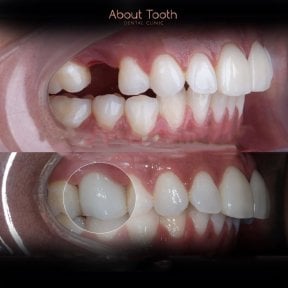
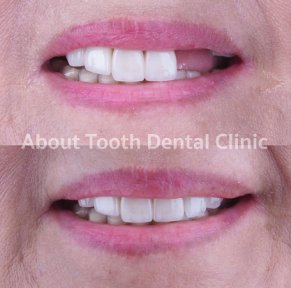
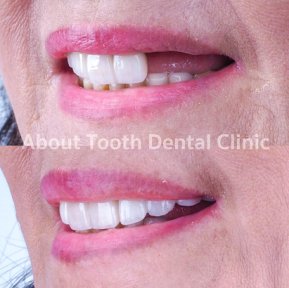
Dental implants are a modern and reliable solution for replacing missing teeth. They involve placing a small titanium post into the jawbone, acting as artificial tooth roots. Over time, the post fuses with the bone, creating a stable base for a crown that looks and feels like a natural tooth.
According to the American Dental Association, about 5 million dental implants are placed annually in the United States.
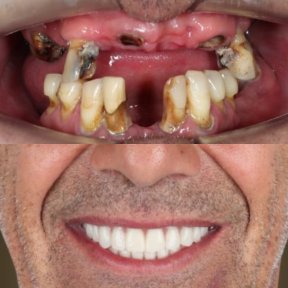
The main goal of this procedure is to restore chewing function, speech clarity, and a natural-looking smile. It solves problems like missing teeth due to trauma, decay, or gum disease.
Key benefits:
-
Long-lasting solution (15+ years with proper care).
-
Helps preserve the jawbone and prevent bone loss.
-
Functions and feels like natural teeth.
-
Eliminates the discomfort of removable dentures.
A study on tooth replacement found that 30.4% of 214 people with missing teeth chose implants, citing better chewing, oral health, appearance, and durability. Overall, this treatment significantly improves quality of life.
What Does an Implanted Tooth Look Like?
![faq image]()
A tooth implant has three parts:
-
Implant post. A titanium screw is placed into the jawbone.
-
Abutment. A connector between the implant and the crown.
-
Crown. The visible part of the dental prosthetic that looks like a real tooth.
Choosing the Right Dental Implant: Techniques
Thailand's 130+ dental clinics offer a comprehensive range of tooth replacement techniques to fit different needs.
Traditional 2-stage implants
The implant placement surgery is performed first, with a 3–6 month healing period before the crown is attached.
✔️ Suitable for patients with strong bone support.
A 2021 study on traditional implants showed a 94% survival rate after 15 years, with minimal bone loss (0.49 mm at 8–10 years). However, smoking and diabetes can increase the risk of failure.
All-on-4 and all-on-6
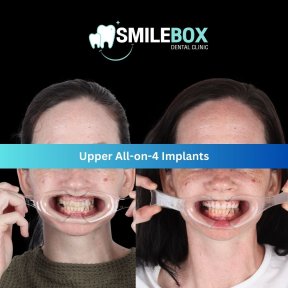
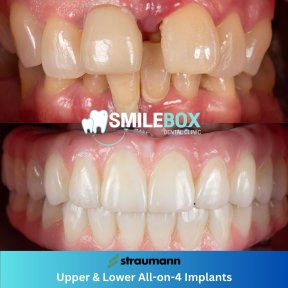
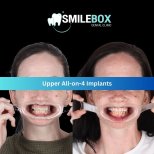
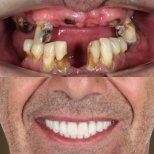
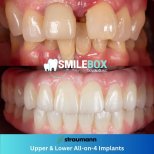
Treatments like the all-on-4, all-on-6 system support a complete set of teeth for full mouth restoration. These offer faster recovery and are more affordable than individual implants.
✔️ Good for patients with moderate bone loss.
Long-term clinical studies demonstrate exceptional All-on-4 outcomes: 98.8% prosthetic survival in the mandible over 10–18 years and 99.2% in the maxilla over 5–13 years, with implant survival rates of 93.0% and 97.7% respectively.
Immediate load implants
Teeth are placed immediately after implant insertion, often skipping bone grafts.
✔️ Best for patients with lower bone density.
A systematic review found a 98.4% survival rate for immediate implants in fresh extraction sockets after 2 years.
Mini implants and 3D-guided placement
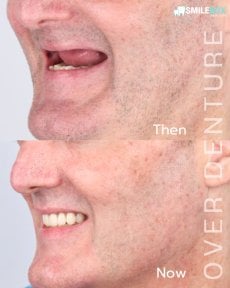
Mini implants offer a less invasive treatment option for denture support, while computer-guided surgery ensures precise placement in complex cases.
A systematic review found a 98.4% survival rate for immediate implants after 2 years.
Exact Success Rates: What the Latest Research Shows
Recent clinical studies provide specific success rate data for informed decision-making:
Overall success rates
- 95–98% success rates in healthy patients (multiple clinical studies, 2024)
- 88% survival rate at 20 years based on 1,440 implants (2024 meta-analysis)
- 92% survival rate from prospective studies (237 implants)
All-on-4 specific outcomes
- 98.8% prosthetic survival rate in mandible over 10–18 years (471 patients)
- 99.2% prosthetic survival rate in maxilla over 5–13 years (1,072 patients)
- 94.8% implant survival at 10 years (245 patients, 980 implants)
Factors affecting success
- Age over 65: may require additional 2–4 weeks healing
- Diabetes (HbA1c >8%): may extend timeline by 4–8 weeks
- Smoking: significantly increases failure risk
What Are The Additional Surgeries For Dental Implants?
Sometimes, extra surgeries are needed to make implants stable and successful. These procedures prepare the jawbone and surrounding tissues, creating a solid implant base. Here are the most common ones:
-
Bone grafting. It adds bone to the jaw if it's too weak for an implant.
-
Sinus lift. Raises the sinus floor to make room for implants in the upper jaw.
-
Ridge expansion. Widens a narrow jawbone to support implants.
-
Soft tissue grafting. Enhances gum thickness for better implant stability and aesthetics.
-
Tooth removal. Often a precursor to placing an implant, it is a common step in restoration techniques to ensure successful implant outcomes.
Comparison with Other Dental Procedures
Compared to bridges or removable dentures, implants are more durable and functional.
| Procedure |
Invasiveness |
Recovery time |
Durability |
| Dental implants |
Moderate |
3–6 months |
15–25 years or lifetime |
| Dental bridge |
Low |
1–2 weeks |
10–15 years |
| Removable denture |
Low |
1–2 weeks |
5–10 years |
Implants offer better bone preservation and a more natural appearance than other options.
Who Is a Good Candidate for Dental Implants?
This treatment in Thailand is an excellent option for:
-
Adults with a missing tooth or missing teeth due to injury, decay, or aging.
-
Patients with healthy gums and enough jawbone to support the procedure in Thailand.
-
People who practice good oral hygiene and attend regular check-ups.
-
Those in overall good health, without uncontrolled chronic conditions.
Who may not qualify:
-
Children and teens, since their jawbone is still growing.
-
People with uncontrolled diabetes, cancer therapy, or immune disorders.
-
Heavy smokers, unless they quit before and after surgery in Thailand.
-
Patients with severe bone loss are treated with bone grafting.
Before getting this treatment in Thailand, patients undergo detailed diagnostics, including 3D imaging, to confirm they are good candidates for the procedure.
Why Choose Dental Implants in Thailand?
![faq image]()
Thailand's 130+ dental clinics make it an excellent destination for teeth implants, with Bookimed serving over 133,000 dental implant requests. Leading facilities include SmileBox Dental Clinic (Bangkok), Kitcha Dental Clinic (Chiang Mai), and About Tooth Dental Clinic (Bangkok).
Affordable costs
In comparison to Western countries, implants are much cheaper in Thailand. The cost is 60–70% lower than in the US or UK, typically $700–$1,300 per implant according to Bookimed data.
| Country |
Single Implant Cost |
All-on-4 Full Arch |
| Thailand |
$700–$1,300 |
$7,000–$12,000 |
| United States |
$3,000–$5,000 |
$20,000–$40,000 |
| United Kingdom |
£2,400 ($3,000) |
£15,000–£25,000 |
High quality
Clinics use trusted brands like Straumann and Osstem, following ISO 9001 and JCI standards.
A patient from Ukraine who received treatment at Soraca Med shared: "We had a crown and a filling done promptly at the clinic. The coordinator Valeria was very helpful and advised with everything I asked her about and translated everything to the doctor promptly. The cost was the same as agreed." (Bookimed verified review, 5.0/5 rating)
Experienced specialists
Leading specialists including Dr. Vikram Bhatia and Dr. Suphachai Suphangul at SmileBox Dental Clinic (Bangkok), and Dr. Pawak Tungthangthum at Kitcha Dental Clinic (Chiang Mai) are certified in cosmetic dentistry, trained internationally, and skilled in 3D-guided surgical tooth replacement placement.
Accreditations
Leading facilities are recognized by ICOI and AAID, ensuring global quality standards.
Comprehensive packages
Packages often include consultation, surgery, hotel, transfers, and follow-up care — with Bookimed helping patients book safely.
A patient from the United States shared about their dental tourism experience: "Bookimed was so helpful and extremely nice. Everything they told me was to the detail accurate. From the minute we were picked up from the airport we felt completely comfortable. It was an experience my husband and I will never forget!" (Bookimed verified review, 5.0/5 rating)
![faq image]()
How Dental Implant Surgery Is Performed in Thailand
The process in a Thai clinic follows a few key steps for lasting, natural results.
Preparation
-
Initial consultation, including a dental exam with panoramic X-rays and 3D CT scans.
-
Digital impressions to plan the treatment.
-
Selection of implant type (e.g., Straumann, Nobel Biocare).
-
Blood tests may be needed.
-
Patients receive pre-surgery instructions, such as avoiding smoking and certain medications.
Main stages
- Implant placement. The surgical procedure involves inserting a titanium post into the jawbone under local or general anesthesia.
- Healing period. Osseointegration takes 3–6 months as the implant fuses with the bone.
- Abutment placement. After healing, a small connector is attached to the implant.
- Crown placement. A custom-made crown is fitted to complete the journey.
Timeline overview
| Stage |
Duration |
| Consultation & Planning |
1 visit |
| Preparation |
1–2 visits |
| Implant Surgery |
1 visit |
| Healing |
3–6 months |
| Final Restoration |
1–2 visits |
In some cases, permanent teeth can be attached within a few days using immediate load implants.
What Are The Teeth Implant Brands Used Abroad?
Thailand's top implant dentistry experts use high-quality, trusted brands with advanced technology. These implants work well with the body and have a high success rate.
Osstem implants showed a 97.3% survival rate over 7 years and 94.2% success across a 62-month follow-up, confirming their long-term reliability for patients choosing treatment in Thailand.
Overview of popular brands in Thailand:
Consult with Thailand's leading specialists such as Dr. Thanakorn Tangwongwarachai at Deezy Dental Home (Bangkok) to ensure you receive the highest standard of care.
Healing Journey After Dental Implants
Recovery after surgery is smooth with the proper care. Here's what to expect at each stage and how to heal faster.
Recovery timeline
| Stage |
Duration |
Details |
| Initial healing |
1–2 weeks |
Swelling, mild pain managed with local anesthesia |
| Osseointegration |
3–6 months |
Implant fuses with bone |
| Crown placement |
After healing |
Final restoration |
Osseointegration is the process where bone naturally fuses with an implant.
Precise osseointegration timeline: What happens when
The osseointegration process follows distinct phases:
- Weeks 1–3: Initial stability decline due to bone remodeling
- Weeks 3–6: Stability recovery as new bone formation exceeds resorption
- Weeks 6–12: Stability plateau with continued remodeling
- Week 12: 95% of healthy patients achieve sufficient osseointegration for loading
Tips when in Thailand: Post-surgery care
-
Soft food diet for the first few days.
-
Avoid smoking and alcohol.
-
Maintain excellent oral hygiene.
-
Attend all follow-up appointments to ensure proper healing.
Possible Complications and How They're Managed
While this treatment is highly successful, patients should understand existing specific risks.
Based on a comprehensive 2024 study of 150 patients, specific complication rates are:
- Infection: 15.3% of cases (most frequent complication).
- Peri-implantitis: 12.0% of patients.
- Implant failure: 8.0% of cases.
- Prosthetic failure, nerve injury, sinus complications: each less than 6% of cases.
Following all aftercare instructions minimizes these risks. Treatments are generally safe, up to 92% lasting 20 years or more.
Results: When to Expect the Final Effect
Temporary results are visible immediately after the crown placement. Final integration and full function are achieved within 3–6 months.
| Stage |
Timeframe |
Details |
| Early Results |
A few days |
Temporary teeth placed for immediate load implants. |
| Final Results |
3–6 months |
Permanent crowns are attached after complete healing. |
| Long-Term Outcome |
15–25 years or more |
Implants can last decades with reasonable care and regular check-ups. |
What to Know Before Traveling to Thailand
Visa
Most nationalities get 30 days visa-free or can apply for an e-visa. Check your requirements in advance.
Flights and hotels
Many clinics offer packages covering hotel stays, transfers, and sometimes meals. A Bookimed coordinator can help organize everything.
Plan for at least 7–10 days for consultation, surgery, and initial recovery.
Payment
Clinics accept Thai Baht and often USD. Paying cash can help avoid card fees. Flexible payment plans may be available.
Best travel time
November to April for cooler, dry weather.
What Do Dental Implants Package Deals Include?
![faq image]()
Bookimed guarantees direct clinic prices without hidden fees — all payments are made directly to the clinic, following official price lists.
Package deals in Thailand are designed to make the process smooth and affordable for international patients. Most deals cover everything from surgery to accommodation and follow-up care.
| Included in most Thailand packages |
Rarely included |
| Implant placement |
Cosmetic procedures like Botox |
| All-on-4 / All-on-6 full arch implants |
Tooth whitening treatments |
| Consultation with a dentist |
Ceramic braces or aligners |
| Panoramic X-ray or 3D CT scan |
Hollywood Smile packages |
| Tooth extraction (if needed) |
Annual dental check-ups |
| Implant with abutment and crown |
VIP luxury accommodation upgrades |
| Post-surgery follow-up visits |
VIP transfer services |
| 3–5 nights in a 4- or 5-star hotel |
Separate payments for multi-stage treatments |
| Transfers between airport, hotel, and clinic |
|
| 24/7 Bookimed support |
|
| Personal medical coordinator |
|
| Assistance with travel and bookings |
|
| Trusted implant brands (e.g., Straumann, Osstem) |
|
| Warranty on implants (in many clinics) |
|
A patient from Ukraine appreciated the comprehensive service: "I liked the service, the way the treatment was carried out and of course the price. I really liked that the bonus was a hotel room with breakfast + all transfers + translators!" (Bookimed verified review, 5.0/5 rating)
References
- Evaluation of Survival Rates of Dental Implants and the Risk Factors: A Retrospective Follow-Up Study / S. Jain et al. Cureus. 2024.
- Patients' Perceptions Regarding Acceptance of Dental Implants as an Option for the Replacement of Missing Teeth: An Observational Study / S. B. Bhagawati et al. Cureus. 2024.
- The seven-year cumulative survival rate of Osstem implants / Y.-K. Kim et al. Journal of the Korean Association of Oral and Maxillofacial Surgeons. 2014. Vol. 40, no. 2. P. 68.