To homepage

How it works

We've transformed the clinic search process, making it simple, fast, and personal.
Answer a few questionsTake a short quiz to share your Dental Implant goals.
Get personalized offers3 clinics, handpicked based on your answers, provide tailored treatment plans and quotes.
Choose the best optionCompare offers and choose the clinic that suits you best.
You can also browse all 3 clinics below.
820К+ patients have got assistance since 2014
50 countries
1,500 clinics
6K+ reviews
3K+ qualified doctors

How Much Does Dental Implant Cost in Spain?

Dental Implant in Spain typically costs from $1,600 to $2,500. The final price depends on the chosen implant brand, crown material, and the city of treatment. In the US, similar procedures cost around $4,500 on average. Patients can find significant savings in Spain, with discounts reaching approximately 56%. Most Spanish clinics include the implant screw, abutment, and crown in their standard pricing.

  • All-on-4 Dental Implants: $11,600 to $18,200 for full-arch restoration.
  • All-on-6 Dental Implants: $14,200 to $22,300 for enhanced stability.
  • Mini dental implant: $1,000 to $1,900 provide a less invasive surgical option.
  • Premium brands: Straumann ($1,200 to $2,400) or Nobel Biocare ($1,200 to $2,400) typically add a 30% premium.
  • City variations: Clinics in major hubs like Madrid and Barcelona often charge 15-20% more than regional centers.

Bookimed Expert Insight: Choosing a multidisciplinary center like Centro Médico Teknon or Clinica Universidad de Navarra offers unique value. These JCI-accredited hospitals integrate dental departments with advanced surgical infrastructure. While boutique clinics exist, these major centers provide peace of mind for complex cases. For instance, Dr. Alaa Ghuzlan uses 3D scanners to ensure precision. This high-tech approach often costs less than standard care in the US.

SpainTurkeyThe USA
Dental Implantfrom $1,582from $343from $3,200
Zygomatic implantfrom $4,500from $2,500from $15,000
Zygomatic All-on-6 implantsfrom $10,000from $4,750from $30,000
Zygomatic All-on-4 implantsfrom $8,500from $6,864from $25,000
Zygomatic All-on-2 implantsfrom $10,000from $4,000from $28,000
Data verified by Bookimed as of July 2026, based on patient requests and official quotes from 531 clinics worldwide. Median costs are based on real invoices (2025–2026) and updated monthly. Actual prices may vary.

Dental Implant Packages in Spain — July 2026

Procedure type
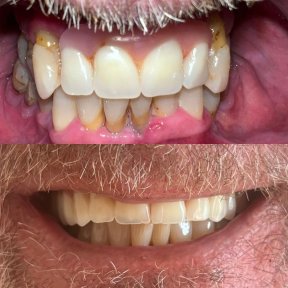
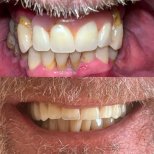
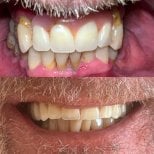
Before and after dental implant results at Clínica Dental Raíces, improved smile and teeth
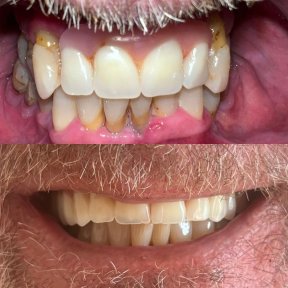
Before and after All-on-6 dental implants at Clínica Dental Raíces, smile restoration result
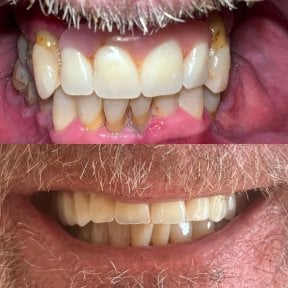
Before and after All-on-4 dental implants result at Clínica Dental Raíces, improved smile
11 years of experience

Single Dental Implant Package – Tenerife (Premium Experience)
  • Implant type: Straumann dental implant
  • Dr Alaa Ghuzlan is a dental implantology specialist from the University of Barcelona, utilizing advanced 2D/3D imaging technology.
  • Clínica Dental Raíces uses 3D intraoral scanning and 2D/3D radiology to optimize patient care and treatment efficiency.
  • Included Services: Temporary dental prosthesis, post-operative care, coffee zone, 3D dental scan, relaxation, stress reduction, local anesthesia, follow-up examination, panoramic X-ray, neck pillow, language assistance, crown(s), dental implant(s), abutment + abutment screw, consultation with a surgeon, intraoral imaging.
  • Stay Info: 9 days hotel stay recommended; accommodation is not included in the price.

Discover the Best Dental Implant Clinics in Spain: 3 Verified Options and Prices

The Bookimed clinic ranking is based on data science algorithms, providing a trusted, transparent, and objective comparison. It takes into account patient demand, review scores (both positive and negative), the frequency of updates to treatment options and prices, response speed, and clinic certifications.
Centro Médico Teknon
Quironsalud Madrid
Hospital Ruber Internacional
SJD Barcelona Children’s Hospital
You’ve viewed 5 of 27 clinics

Dental Implant in Spain: Your Travel Plan

Day 1: Arrival in Spain
  • You should ensure you have all necessary documents, including your passport, home address, email, and telephone number, as these are required for your patient profile.
  • You need to contact the clinic to confirm your arrival and appointment schedule.
  • Get settled in your accommodation and rest to prepare for the upcoming procedures.
Day 2: Initial Consultation and Diagnostic Evaluation
  • You will attend the initial consultation to evaluate your oral health, bone density, and gum condition.
  • Undergo a 3D Cone Beam CT scan for detailed imaging of your bone and jaw structure. You will also have panoramic X-rays for an overall dental assessment.
  • Discuss your dental history and any relevant medical records with the specialist.
  • Confirm your candidacy for dental implants based on the diagnostic results.
Day 3: Rest Day and Preparation
  • Take this day to rest and prepare mentally for the upcoming procedures.
  • Follow any pre-operative instructions provided by the clinic, such as dietary restrictions or medication guidelines.
  • Ensure you understand the procedure plan and ask any remaining questions you might have.
Day 4: Tooth Extraction
  • Undergo the tooth extraction procedure, which involves the removal of the two molars with minimal discomfort.
  • Follow the post-extraction care guidelines to ensure proper healing and minimize complications.
  • Use prescribed pain relief medication if necessary and avoid strenuous activities.
Day 5: Rest and Recovery
  • Continue to rest and follow post-extraction care instructions.
  • Maintain a soft diet to avoid disturbing the extraction sites.
  • Contact the clinic if you experience any unusual symptoms or complications.
Day 6: Dental Implant Placement
  • Proceed with the placement of titanium dental implants into the jawbone for three teeth.
  • The procedure uses minimally invasive techniques to promote faster healing and better integration.
  • Follow the post-operative care instructions provided by the clinic to ensure successful healing.
Day 7: Rest and Monitor Implant Healing
  • Take this day to rest and monitor the healing process of the implants.
  • Adhere to dietary recommendations and avoid putting pressure on the implant sites.
  • Contact the clinic if you have any concerns or questions about the healing process.
Day 8: Abutment and Crown Installation
  • Return to the clinic for the attachment of a custom abutment to each implant.
  • Have high-quality ceramic crowns installed for a natural appearance and durability.
  • Ensure the crowns fit comfortably and match your natural teeth.
Day 9: Follow-Up Care and Final Adjustments
  • Attend a follow-up appointment to monitor healing and ensure proper integration of implants.
  • Receive detailed aftercare instructions to maintain the health and longevity of your implants.
  • Discuss any final adjustments or concerns with the specialist.
Day 10: Departure and Long-Term Care Instructions

Bookimed, a leading global medical tourism platform, is committed to helping clients looking for Dental Implant in Spain by offering expert assistance and trustworthy medical solutions for every situation. Smart automatic ranking system is used to compose transparent clinic listings, meticulously maintained by a data scientist using AI for accuracy. The platform guarantees authenticity by publishing reviews from real patients after their treatments. Bookimed offers comprehensive medical solutions, with updates from clinics to ensure trustworthiness. The content about Dental Implant in Spain, crafted by experienced medical authors and reviewed by specialists, adheres to Bookimed"s Editorial Guidelines, reflecting the platform"s commitment to delivering high-quality and clear health information. For more details or inquiries, feel free to contact us at marketing@bookimed.com or learn more about us and our mission here.

Our Doctors

View all Doctors
verified

Dr Alaa Ghuzlan

11 years of experience

Dr. Alaa Ghuzlan is a dental implantology specialist at Clínica Dental Raíces in Tenerife. She holds a specialty degree in implantology from the University of Barcelona. Dr. Ghuzlan has treated thousands of patients across multiple countries. She focuses on restorative and cosmetic procedures to improve patient smiles.

  • Specializes in All-on-4, All-on-6, and zygomatic dental implants.
  • Uses 3D intraoral scanners and 3D radiology for precise treatment planning.
  • Performs aesthetic smile makeovers including Emax and zirconia veneers.
  • Works at a specialized boutique clinic that serves over 1,000 adult patients annually.

Video Stories from Bookimed Patients

Igor
It was great! Transfers, accommodation, treatment—all included.
Procedure: Dental Implant
David
Who knew getting your teeth fixed could be a mini vacation?
Procedure: Installation of a dental implant with crown
Pavel
I recommend Bookimed's services to everyone - they made my life much easier.
Procedure: Zirconia crown installation

Reviews about Bookimed: Discover Patients' Insights

All reviews
Anonymous
United States of America
Feb 28, 2020
Verified review.
Skype cons. went

Dental Implant: Before & after photos

View all

Related Articles

View more

Share this content

Updated: 02/28/2020
Authored by
Anna Leonova
Anna Leonova
Head of Content Marketing Team
A certified medical writer with 10+ years of experience, developed Bookimed’s trusted content, backed by a Master’s in Philology and medical expert interviews worldwide.
Fahad Mawlood
Medical Editor & Data Scientist
General practitioner. Winner of 4 scientific awards. Served in Western Asia. Former Team Leader of a medical team supporting Arabic-speaking patients. Now responsible for data processing and medical content accuracy.
Fahad Mawlood Linkedin
This page may feature information relating to various medical conditions, treatments, and healthcare services available in different countries. Please be advised that the content is provided for informational purposes only and should not be construed as medical advice or guidance. Please consult with your doctor or a qualified medical professional before starting or changing medical treatment.

Our Dental Implant Techniques: What Suits You Best?

When considering Dental Implant, it’s important to understand the different techniques and which is best suited for you. Here’s a concise comparison of popular options:

All-on-4 Dental Implants

This procedure involves placing four strategically positioned implants to support a full arch of prosthetic teeth, offering a stable and long-lasting solution for tooth loss.

Pros: Requires fewer implants than All-on-6 while providing similar stability. High success rate of 95% for lower jaw implants. Suitable for patients with some bone loss, unlike traditional methods needing extensive bone grafting.
Cons: Not ideal for patients with severe bone loss, unlike zygomatic implants. May not offer the same level of support as All-on-6 for those with higher bite forces.
Effectiveness: 95% success rate for lower jaw.
Duration: 2-3 hours
Recovery: 1-2 weeks
Best for: Full arch replacement for patients with moderate bone density. Suitable for 4-6 missing teeth.
Prices: Cost of All-on-4 Dental Implants in Spain from $11,600

All-on-6 Dental Implants

All-on-6 dental implants involve placing six implants in the jawbone to support a full arch of teeth.

Pros: Offers enhanced stability and support compared to All-on-2 and All-on-4 options. Provides up to 30% more biting force than fewer implant configurations.
Cons: Requires more bone density and may involve additional procedures like bone grafting, which increases complexity. It takes longer than simpler implant solutions.
Effectiveness: Success rate of 95% for osseointegration.
Duration: 2-3 hours
Recovery: 3-6 months
Best for: Full arch restoration in patients with sufficient jawbone density. Suitable for those needing comprehensive dental prosthetics.
Prices: Cost of All-on-6 Dental Implants in Spain from $14,238

Installation of a Dental Implant with Crown

It involves placing a titanium post in the jawbone to support a crown, restoring a missing tooth.

Pros: Provides a natural look and feel, with a success rate of up to 98%. Offers a permanent solution compared to removable dentures, enhancing comfort and function.
Cons: Requires sufficient bone density, which may necessitate bone grafting. Longer treatment time compared to other options like All-on-4 implants.
Effectiveness: Success rate up to 98%.
Duration: 1-2 hours
Recovery: 3-6 months
Best for: Single missing tooth replacement, maintaining jawbone health, and improving oral function.
Prices: Cost of Installation of a dental implant with crown in Spain from $1,200

Zygomatic implant

Designed for patients with significant bone loss in the upper jaw, a zygomatic implant uses the zygomatic bone for support.

Pros: Provides a stable solution for patients with severe bone loss. Avoids the need for bone grafting, unlike traditional implants. High success rate, with over 95% reported in studies.
Cons: Requires complex oral surgery and specialized skills. Longer recovery time compared to other dental fixtures.
Effectiveness: 95%-98% success rate.
Duration: 2-3 hours
Recovery: 3-6 months
Best for: Patients with severe upper jaw bone loss who cannot have standard implants.
Prices: Cost of Zygomatic implant in Spain from $4,500

Straumann Dental Implants

Straumann Dental Implants are high-quality dental fixtures used for tooth replacement and oral restoration.

Pros: Exceptional osseointegration rate and durability. 98% success rate over 10 years. Superior to zygomatic or simple swiss implants in terms of longevity.
Cons: Requires good bone density, unlike zygomatic implants. More invasive than simpler implant with abutment procedures.
Effectiveness: 98% success rate
Duration: 1-2 hours
Recovery: 3-6 months
Best for: Single tooth replacement, multiple teeth restoration, and strong jawbone support.

All-on-2 Dental Implants

A dental fixture technique providing full arch rehabilitation with only two implants per arch, ensuring stability and function.

Pros: Minimal surgery with reduced recovery time. Suitable for patients with limited jawbone density, offering 20-30% less surgical intervention compared to All-on-4.
Cons: Limited support for full arch, increasing stress on implants, which can lead to 15% higher wear and tear risk than All-on-4.
Effectiveness: Success rate of 85-90% in suitable patients.
Duration: 1-2 hours
Recovery: 3-5 days
Best for: Patients with limited jawbone, requiring fewer implants for full arch restoration.

Dental Implant with Abutment

Tooth implant involves placing a titanium post into the jawbone, serving as a root for a dental prosthesis like a crown.

Pros: High success rate of 95% due to osseointegration. Provides a natural look and feel, unlike removable dentures.
Cons: Requires adequate bone density and health. Surgical procedure may lead to discomfort and swelling for a few days.
Effectiveness: 95% success rate for osseointegration.
Duration: 1-2 hours
Recovery: 3-6 months
Best for: Single tooth replacement, maintaining jawbone health, and providing stable dental prosthetics.
Prices: Cost of Dental Implant with Abutment in Spain from $1,300

Nobel Biocare Dental Implants

Tooth implants from Nobel Biocare provide a permanent solution for missing teeth through advanced osseointegration.

Pros: High success rate of up to 98%. Suitable for immediate function, unlike some other dental fixtures. Strong osseointegration with jawbone.
Cons: Requires sufficient bone density, unlike zygomatic implants which can bypass this limitation.
Effectiveness: 98% success rate
Duration: 1-2 hours
Recovery: 3-6 months
Best for: Single or multiple tooth replacement, addressing gaps in dental arch.

Simple Swiss Dental Implants

A straightforward dental restoration designed for replacing missing teeth with a focus on precision and durability.

Pros: High success rate of over 95%. Minimal bone grafting needed in most cases. Excellent osseointegration due to advanced technology.
Cons: Limited to individuals with adequate jawbone density. May require multiple visits for complete installation.
Effectiveness: Success rate over 95%.
Duration: 1-2 hours
Recovery: 1-2 weeks
Best for: Single or multiple missing teeth. Ideal for maintaining jawbone health and function.

FAQ about Dental Implant in Spain

These FAQs come from real patients seeking medical assistance through Bookimed. Answers are given by experienced medical coordinators and trusted clinic representatives.

What are the risks and complications associated with dental implants?

Dental implants in Spain carry standard surgical risks including peri-implantitis, nerve damage, and sinus penetration. While rare, complications often stem from poor bone quality or infection. Most Spanish centers mitigate these risks using advanced 2D and 3D intraoral scanning to ensure precise implant placement.

  • Peri-implantitis: Bacterial infection causes inflammation and potential bone loss around the titanium post.
  • Sinus involvement: Upper jaw implants may penetrate sinus cavities without proper 3D planning.
  • Nerve injury: Surgical trauma can cause temporary or permanent numbness in lips or tongue.
  • Osseointegration failure: The implant fails to fuse with bone, particularly in smokers or diabetics.

Bookimed Expert Insight: Choosing a surgeon like Jose Mate, who holds dual degrees in medicine and dentistry, significantly lowers risk profiles. Our data shows that clinics using 3D intraoral scanners like Clinica Dental Raices reduce mechanical failures. These digital tools ensure the abutment screw fits perfectly, preventing the micro-movements that often lead to long-term rejection.

Patient Consensus: Many patients notice a unique lack of sensation since implants lack natural ligaments. Most emphasize that strict hygiene and using night guards for teeth grinding are vital for long-term success.

What qualifications should I look for in a dental implant surgeon in Spain?

Select a surgeon registered with the General Dental Council (Colegio de Odontólogos y Estomatólogos) and holding a specialized master degree in Oral Implantology. Prioritize experts using high-quality systems like Straumann or Nobel Biocare within ISO-accredited clinics to ensure clinical safety and long-term durability.

  • Professional registration: Mandatory enrollment in the local Colegio de Odontólogos y Estomatólogos is required.
  • Specialized education: Candidates should hold postgraduate degrees in Periodontics or Oral Surgery from reputable universities.
  • Advanced technology: Search for clinics utilizing 3D intraoral scanning and 2D/3D radiology for precision.
  • Global memberships: Elite surgeons often belong to the European Association for Osseointegration (EAO).

Bookimed Expert Insight: Spain is a hub for dental innovation where top surgeons like Jose Mate hold multiple patents in bone grafting. Choosing a clinic like Nart Clínica Dental or Clínica Sicilia ensures access to specialists recognized by the American Academy of Periodontology. This level of expertise is rare in high-volume corporate chains and provides significantly better outcomes for complex full-mouth restorations.

Patient Consensus: Patients recommend choosing independent boutique clinics where the lead doctor has a personal reputation. They emphasize ensuring the surgeon is fluent in English to avoid communication gaps regarding long-term aftercare or follow-up protocols.

How long does the complete dental implant process take from start to finish?

The dental implant process in Spain typically takes 6 to 12 months for completion. This timeline covers bone preparation, surgical placement, and final crown fitting. While the surgery lasts about 1 hour, biological bone fusion requires several months to ensure long-term stability.

  • Bone preparation: Healing after extractions or bone grafting takes 3 to 4 months.
  • Osseointegration: The titanium post requires 3 to 6 months to fuse with the jawbone.
  • Multiple stages: Patients usually need at least 3 separate visits to the clinic.
  • Variable factors: Sinus lifts or low bone density can extend the timeline beyond 1 year.

Bookimed Expert Insight: While many clinics advertise same-day implants, these are only for specific qualified cases. Most specialists in Spain, including those at Clínica Dental Raíces, utilize advanced 3D scanning to prioritize safe osseointegration. Biological healing cannot be rushed without risking implant failure or sinus complications.

Patient Consensus: Success depends on respecting the natural healing stages. Patients recommend planning for a full year and being skeptical of any one-visit claims for complex cases.

What is the success rate of dental implants and how long do they last?

Dental implants maintain high success rates between 90% and 97%, with specific long-term studies showing 97% stability after 10 years. While titanium posts are lifetime solutions lasting 30+ years, the attached prosthetic crowns typically require replacement every 10 to 15 years.

  • Success rates: Clinical data shows 97% success over 10 years and 75% after 20 years.
  • Post durability: Titanium posts fuse with jawbone tissue and are designed for lifetime wear.
  • Crown longevity: Prosthetic teeth sustain daily wear and usually last 10 to 15 years.
  • Failure factors: Early issues relate to bone density, while late failures stem from infections.

Bookimed Expert Insight: Quality often correlates with surgeon volume and academic standing rather than just location. In Spain, specialists like Jose Mate have performed over 5,000 procedures and hold PhDs in bioengineering. Clinics like Nart Dental maintain ISO International Standards, ensuring rigorous safety for long-term implant integration.

Patient Consensus: Success depends heavily on surgeon skill and adequate bone density. Patients noted that rushing the multi-stage process for convenience can increase complication risks during the healing phase.

Who is a good candidate for dental implants and who should avoid them?

Ideal candidates for dental implants possess adequate jawbone density, healthy gums, and stable systemic health to support titanium integration. Good candidates should have completed jaw growth, usually age 18 or older. Those with uncontrolled diabetes, active smoking habits, or autoimmune disorders should delay or avoid surgery.

  • Bone volume: Requires sufficient jawbone density or successful bone regeneration through grafting techniques.
  • Health status: Stable health without immune disorders or bisphosphonate treatments for osteoporosis.
  • Lifestyle factors: Non-smokers have higher success rates as tobacco impairs critical healing blood flow.
  • Oral hygiene: Commitment to rigorous brushing and flossing prevents peri-implantitis and implant failure.

Bookimed Expert Insight: Spain has become a hub for complex implantology, with specialists like Jose Mate holding patents in synthetic biomaterials. Data shows clinics like Clínica Dental Raíces utilize 3D intraoral scanning to ensure precision. Patients needing bone grafts should plan for a two-stage process lasting 6–8 total months.

Patient Consensus: Many emphasize that solid bone structure is the primary deciding factor. They warn that rushing the multi-stage timeline can lead to surgical complications like sinus cavity damage.

What does the recovery process involve after dental implant surgery?

Dental implant recovery involves an initial 10-day soft tissue healing phase and a 6-month osseointegration period where the implant fuses with the jawbone. Patients typically experience peak swelling within 72 hours and must adhere to a strict soft-food diet for two weeks before the final restoration.

  • Immediate healing: Expect significant swelling and pain during the first 3 days after surgery.
  • Dietary restrictions: Consume only cold liquids for 48 hours, then soft foods for 14 days.
  • Activity limits: Avoid weightlifting and high-impact physical exercise for at least 3 weeks.
  • Long-term fusion: Osseointegration typically requires 6 months before attaching the permanent dental crown.

Bookimed Expert Insight: Spain ranks among the top destinations for implantology due to high-tier technology. Clinics like Clinica Dental Raices in Tenerife utilize 3D intraoral scanning and Straumann implants. Data shows these advanced tools significantly improve surgical precision and reduce the risk of long-term implant failure.

Patient Consensus: Recovery is a multi-stage process that often requires two separate trips spaced 6 months apart. Most people find the discomfort manageable but emphasize the need to confirm that local dentists will handle follow-up care.

What types of dental implants and materials are available?

Dental implants in Spain primarily utilize biocompatible titanium or zirconia. Titanium remains the global standard for implant posts due to high osseointegration rates, while zirconia offers a metal-free, tooth-colored alternative. Specialized alloys like Roxolid provide enhanced strength for complex restorations.

  • Titanium implants: Grade 4 or 5 titanium provides exceptional durability and long-term stability.
  • Zirconia implants: These ceramic, metal-free options are ideal for patients with metal sensitivities.
  • Roxolid alloy: A titanium-zirconium blend offers higher strength for smaller diameter implant placements.
  • Premium brands: Clinics utilize high-tier systems including Straumann, Nobel Biocare, and Biomet 3i.

Bookimed Expert Insight: While many patients focus on the implant material, the brand significantly impacts long-term success. Data shows specialists like Dr Alaa Ghuzlan at Clínica Dental Raíces prioritize Straumann systems. These premium brands offer better component availability worldwide if you ever need future maintenance.

Patient Consensus: Patients frequently recommend titanium for the screw but suggest zirconia as a premium upgrade for the crown. Most caution that the full healing process takes 4–6 months before final placement.

Get a free consultation

Select the best way to contact you