CDT-WEST Center of Diagnostics and Therapy
Germany, Cologne

Medically reviewed by
Yesim Yildirim
Radiotherapy in Germany typically costs from $6,000 to $15,000 for a standard treatment course. The final price depends on the specific radiation technique, the number of sessions, and the tumor location. Patients in the US usually pay $30,000 on average, while Germany offers savings of approximately 65%. Standard packages often include initial specialist consultations, radiation planning, and CT imaging of the treatment area.
Bookimed Expert Insight: Choosing university-affiliated centers in cities like Cologne or Berlin ensures access to specialized techniques. For instance, Cologne University Hospital offers advanced IGRT and DIBH methods for approximately $28,150. These protocols significantly reduce radiation exposure to healthy organs. While academic hubs may charge more, the integration of PET-CT and MRI diagnostics provides superior accuracy for complex cases.
| Germany | Turkey | Austria | |
|---|---|---|---|
| Radiotherapy | from $6,000 | from $2,000 | from $6,600 |
| Xofigo Radium-223 | from $9,000 | from $10,000 | ≈ $28,000 |
| TrueBeam | ≈ $11,500 | ≈ $7,500 | ≈ $9,500 |
| Tomotherapy | ≈ $7,500 | from $8,400 | ≈ $9,500 |
| Stereotaxic radiosurgery | ≈ $6,500 | from $6,000 | ≈ $9,500 |
No hidden fees – just official clinic prices. Pay at the clinic for Radiotherapy upon arrival and use a flexible installment plan if needed.
Bookimed is committed to your safety. We only work with medical institutions that maintain high international standards in Radiotherapy and have the necessary licenses to serve international patients worldwide.
Bookimed offers free expert assistance. A personal medical coordinator supports you before, during, and after your treatment, solving any issues. You're never alone on your Radiotherapy journey.




Day 1 - Arrival
Day 2 - Pre-operation
Day 3 to Day 5 - Radiotherapy Process
Day 6 - Post-operation
Week 1 to Week 4 - Rehabilitation
Please note that each patient"s case is different and the above is a general guideline. The exact process may vary based on individual health conditions.
What patients like:
What patients don't like:
Bookimed, a leading global medical tourism platform, is committed to helping clients looking for Radiotherapy in Germany by offering expert assistance and trustworthy medical solutions for every situation. Smart automatic ranking system is used to compose transparent clinic listings, meticulously maintained by a data scientist using AI for accuracy. The platform guarantees authenticity by publishing reviews from real patients after their treatments. Bookimed offers comprehensive medical solutions, with updates from clinics to ensure trustworthiness. The content about Radiotherapy in Germany, crafted by experienced medical authors and reviewed by specialists, adheres to Bookimed"s Editorial Guidelines, reflecting the platform"s commitment to delivering high-quality and clear health information. For more details or inquiries, feel free to contact us at marketing@bookimed.com or learn more about us and our mission About Bookimed .
Dr. Buhl is a leading neurosurgeon with a focus on brain and spinal cord surgeries, including advanced neuro-oncology cases.

Expert in radiotherapy with a focus on molecular diagnostics and targeted therapy – Phd Viola Fox leads the Clinic for Haematology, Oncology at BKZ Solingen.
 Anna Leonova
When considering Radiotherapy, it’s important to understand the different techniques and which is best suited for you. Here’s a concise comparison of popular options:
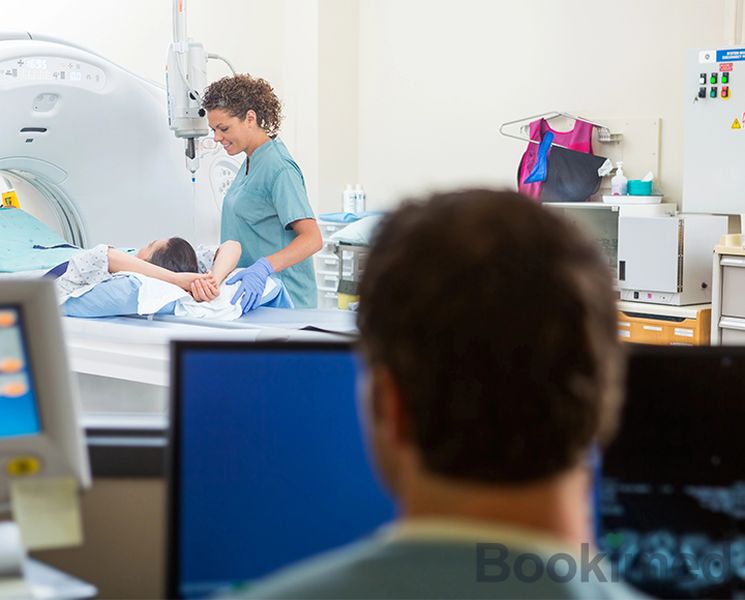
This procedure uses radiation to target and destroy cancer cells in the prostate gland.
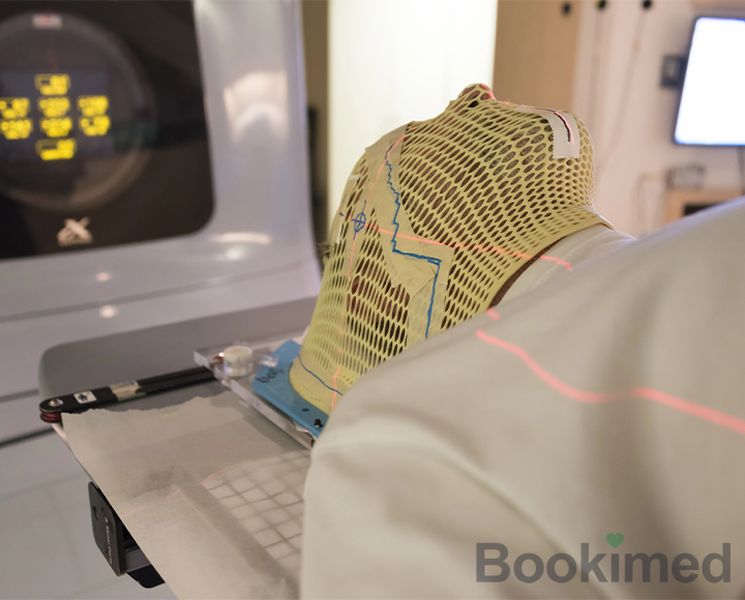
It is a non-invasive radiation treatment that precisely targets tumors and abnormalities in the brain and other parts of the body.
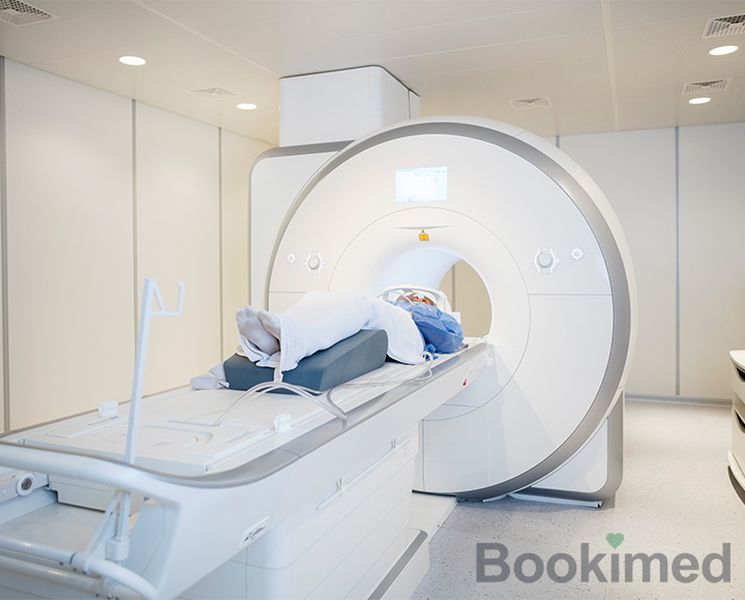
Tomotherapy is a precise form of radiation therapy that integrates CT imaging and intensity-modulated radiation therapy (IMRT) to treat cancer.
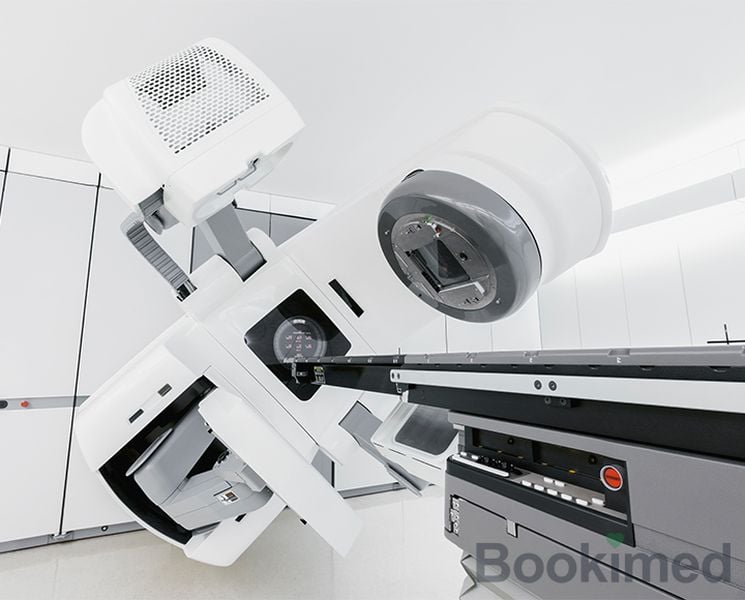
Involves using high-energy rays to target and destroy cancer cells in the colon or rectum.
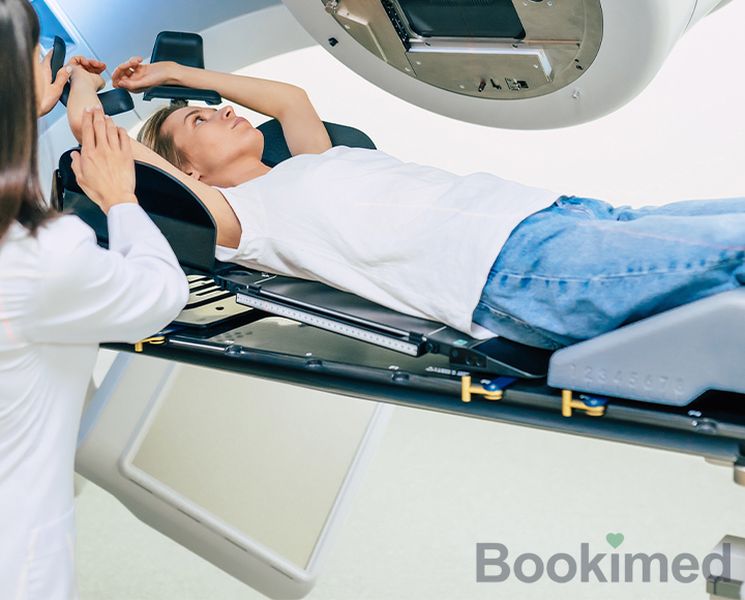
TrueBeam is an advanced linear accelerator used for precise and efficient radiation therapy in oncology.
Patients typically start radiotherapy in Germany within 1 to 3 weeks after medical approval and insurance clearance. This timeframe allows specialists to complete treatment simulation, organ contouring, and physics quality assurance. Urgent oncology cases often bypass standard queues and begin within a few days.
Bookimed Expert Insight: The bottleneck in German clinics is often linear accelerator capacity rather than medical approval. Centers like CDT-WEST use advanced Vision-RT and TrueBeam technologies to streamline planning. Patients choosing private specialized centers frequently start treatment 40% faster than those at crowded university hospitals. Always ask your coordinator if the clinic has immediate openings for the specific machine your therapy requires.
Patient Consensus: Many patients find the week between approval and first therapy is busy with simulations and scans. Most report feeling relieved once the specific start date is locked into the clinic schedule.
Radiotherapy in Germany demonstrates high therapeutic efficacy, averaging 85% across various cancer types. Facilities report specialized success rates including 94% for early-stage prostate cancer and 86% for breast cancer. These outcomes stem from mandatory multidisciplinary tumor boards and advanced technologies like Elekta Versa HD.
Bookimed Expert Insight: German clinics like CDT-WEST often pair Elekta Versa HD with Vision-RT for sub-millimeter accuracy. This combination specifically reduces long-term side effects in prostate and breast treatments. We see hospitals like Solingen performing 4,000+ specialized procedures, proving that high patient volume correlates with superior local tumor control.
Patient Consensus: Patients report that while daily sessions are brief, modern image-guided approaches make treatment more tolerable than expected. Many highlight that success often means long-term disease control and significant relief from physical discomfort.
Radiotherapy in Germany is primarily an outpatient procedure where patients travel to specialist oncology centers for daily sessions and return home. Local clinics use advanced techniques like IMRT and VMAT to deliver high-precision treatment that generally eliminates the need for overnight hospital admission.
Bookimed Expert Insight: German university hospitals like Charite or Nordwest often manage complex cases by coordinating with nearby medical hotels. While local packages usually state accommodation is not included, coordinating a 30-day hotel stay near the clinic is standard for international patients. This structure provides professional medical monitoring without the high cost of a clinical hospital bed.
Patient Consensus: Patients value the clarity of German doctors who explain whether plans are ambulatory or inpatient early on. Many highlight the importance of arranging daily transport since cumulative fatigue makes self-driving difficult over time.
Radiotherapy in Germany is completely safe for family members after sessions involving standard External Beam Radiation Therapy. Patients do not emit or retain radiation once the machine is off. They can safely hug, share food, and sleep near children or pregnant women immediately after treatment.
Bookimed Expert Insight: German clinics like CDT-WEST and Nordwest prioritize IMRT and IGRT to focus radiation precisely on tumors. This high-precision approach at university-affiliated centers means fewer side effects for the patient. You can often stay in a nearby hotel rather than a hospital for these external treatments.
Patient Consensus: Patients value the clear instructions from German oncologists regarding their specific radiation type. They feel confident returning to normal family life because the clinical staff provides a personalized safety checklist before discharge.
Radiotherapy planning in Germany is a high-tech, multi-step process using 3D imaging, artificial intelligence, and interdisciplinary collaboration. Radiation oncologists at centers like Charité Universitätsmedizin Berlin use CT, MRI, and PET scans to delineate tumor boundaries while medical physicists calculate precise dosages to protect healthy tissue.
Bookimed Expert Insight: German university centers offer a significant precision advantage by combining AI auto-contouring with massive patient datasets. While smaller clinics provide high-quality care, the 845,000 annual patients at Charité allow their teams to refine complex planning models for rare tumors much faster than general facilities.
Patient Consensus: Many patients find the initial planning day more stressful than the actual treatment sessions. They emphasized that custom body molds and reference markings are vital for feeling secure and ensuring the radiation targets the tumor correctly every time.
A Certified Cancer Center in Germany is a quality-assured network of facilities delivering evidence-based oncological care. These centers are audited annually by OnkoZert for the German Cancer Society (DKG). They feature mandatory interdisciplinary tumor boards and meet strict annual patient volume requirements to ensure clinical expertise.
Bookimed Expert Insight: Certification often correlates with massive patient volumes that drive surgical precision. For instance, Charité Berlin serves over 845,000 patients annually. This scale allows surgeons like Dr. Ralf Buhl to perform 4,000+ procedures, significantly lowering complication risks compared to non-certified facilities.
Patient Consensus: Patients value how these centers integrate radiotherapy into a single plan, preventing fragmented care. Many note that while the multiple specialist reviews provide immense confidence, the administrative process can sometimes feel formal and structured.
Radiotherapy in Germany typically requires 15 to 40 sessions for standard courses, often delivered daily over 3 to 8 weeks. Each visit lasts 15 to 45 minutes, though the actual radiation exposure is painless and takes only 2 to 5 minutes per session.
Bookimed Expert Insight: While many think university hospitals are the only choice, specialized centers like CDT-WEST often provide faster access to advanced Elekta Versa HD technology. Data shows these private centers focus heavily on image-guided radiation therapy (IGRT) and deep inspiration breath-hold radiation therapy (DIBH), which can significantly reduce radiation exposure to healthy heart and lung tissue compared to older systems.
Patient Consensus: Patients report that while the machine time is very fast, you should budget extra time daily for changing and precise positioning. Most appreciate the weekday-only schedule which allows for rest over the weekends.
International patients typically require a Schengen visa (Type C) for stays under 90 days or a National visa (Type D) for longer regimens. Non-EU citizens from visa-exempt countries may enter without a visa if treatment and recovery conclude within a 3-month window.
Bookimed Expert Insight: Coordination timing is vital because clinic paperwork often dictates visa success. While university hospitals like Charité - Universitätsmedizin Berlin have high prestige, their international departments often have longer processing times. For urgent starts, specialized centers like CDT-WEST in Cologne often provide the necessary invitation letters more rapidly to meet embassy deadlines.
Patient Consensus: Seeking a formal treatment invitation early is essential. Most patients find that having clear documentation of their full schedule prevents delays when applying at the German embassy.
Germany features some of the worlds most prestigious neurosurgery departments, led by Charité – Universitätsmedizin Berlin and University Hospital Heidelberg. These centers excel in treating complex brain tumors and cerebrovascular disorders. They utilize advanced technologies like intraoperative MRI and computer-assisted neuronavigation to maximize procedural success.
Bookimed Expert Insight: Data shows that choosing high-volume centers often leads to more conservative treatment recommendations. At Medical Center Solingen, which treats 60,000+ patients yearly, surgeons frequently suggest physiotherapy over immediate surgery if risks appear high. This volume-based expertise ensures patients only undergo operations when statistically necessary for recovery.
Patient Consensus: Patients note that German specialists are very cautious and will explain all risks before proceeding. Many emphasize the comfort of modern facilities, though some mention that having a translator is helpful for navigating administrative paperwork.
High-complexity neurosurgery in Germany demonstrates exceptional safety. Spinal fusions reach a 99% success rate. Primary brain tumor resections maintain a 97% survival rate. Functional independence is high. Over 82% of patients discharge directly home after treatment. German centers prioritize preserving neurological function using advanced mapping.
Bookimed Expert Insight: High-volume surgeons like Dr. Uwe Kehler at Asklepios Altona Clinic perform 2,000+ operations annually. Data shows these experts maintain success rates up to 90% for the most complex cerebral tumors. Choosing a specialist with 4,000+ personal surgeries, such as Dr. Ralf Buhl, ensures technical precision gathered over decades of practice.
Patient Consensus: Patients note that German surgeons often prioritize physical function over aggressive tumor removal. It is important to write down all questions in advance to make the most of short consultations with busy professors.
German neurosurgical clinics routinely integrate high-precision digital tools and real-time imaging into surgical practice. Core technologies include computer-assisted neuronavigation for brain and spinal procedures. Facilities like Asklepios Nord Clinic use intraoperative MRI to verify tumor removal in real time. These systems provide a 3D GPS for surgeons.
Bookimed Expert Insight: High-volume centers like Charité – Universitätsmedizin Berlin perform 4,000+ neurosurgeries annually, creating a data-rich environment for refining robotic protocols. Medical Center in Solingen offers specialized packages for herniated disc surgery including preoperative diagnostics. This volume allows German clinics to negotiate better rates for consumables, keeping advanced tech accessible.
Patient Consensus: Patients note that modern German clinics significantly reduce recovery times compared to older surgical methods. Many describe the experience as less painful due to smaller incisions and highly competent staff who explain every technical risk clearly.
Neurosurgeons in Germany must complete 6 years of specialized residency training after medical school. This structured program includes intensive care, clinical practice, and a mandatory surgical log. Candidates then pass a state board exam to earn the title Facharzt für Neurochirurgie.
Bookimed Expert Insight: German neurosurgery training emphasizes high-volume surgical experience. For example, Dr. Ralf Buhl at Medical Center in Solingen has performed 4,000+ surgeries. Dr. Jürgen Kiwit at Meoclinic Hospital brings 25+ years of expertise. This rigorous system ensures that specialists at major centers manage complex cases with proven precision.
Patient Consensus: Patients feel confident knowing their doctors underwent years of strict, state-monitored training. Many note that the detailed documentation of a surgeon's past procedures provides significant peace of mind before surgery.
International neurosurgeons must meet strict language and licensure standards to train or observe in Germany. Training requires a full medical license or temporary permit. Observers need hospital-specific approval. Both paths demand high-level German proficiency to participate in clinical discussions and follow complex surgical protocols safely.
Bookimed Expert Insight: German clinics with high patient volumes, like Nordwest Clinic or Asklepios Nord, often prioritize candidates who have already secured their preliminary document evaluation. Our data shows that professors like Dr. Uwe Kehler and Dr. Paul Kremer manage thousands of cases annually. Demonstrating German B2 level early can bypass many bureaucratic delays in these busy departments.
Patient Consensus: Patients note that the language barrier is significant. They emphasize that while some international staff help, having a translator or a German-speaking doctor is vital for clear communication.
Germany maintains the highest density of neurosurgeons in Europe with 2.94 specialists per 100,000 residents. This robust workforce easily manages international volumes through 184 dedicated departments. Key facilities like Charite Berlin perform 4,000+ surgeries annually. High specialist availability ensures additional capacity for complex global cases.
Bookimed Expert Insight: While Germany has high specialist numbers, top-tier professors like Dr. Ralf Buhl or Dr. Uwe Kehler are often concentrated in major hubs like Hamburg or Solingen. Our data shows these high-volume centers actually offer faster access for international patients than smaller clinics. Large academic hospitals maintain dedicated tracks for complex cases, effectively bypassing local capacity bottlenecks found in rural areas.
Patient Consensus: Patients often note that while surgeons are highly professional, clear communication about reports can sometimes take time. One patient mentioned that recovery periods in German clinics are now much shorter and less painful than in previous decades.