Tomotherapy in Turkey — get 3 personalized clinic matches


Medically reviewed by
Ali Zirh
How it works
How Much Does Tomotherapy Cost in Turkey?
Tomotherapy in Turkey typically costs from $8,400 to $10,500. The final price depends on the number of radiation sessions, tumor complexity, and the clinic tier. In the US, similar treatments cost around $38,000 on average. Patients can save approximately 75% by choosing Turkish medical centers. Standard costs usually include specialist consultations, 3D treatment planning, and the radiation therapy sessions.
- Number of sessions: Total cost increases with the number of fractions prescribed for the specific tumor.
- Diagnostic imaging: Specialized MRI or PET-CT scans for precise tumor mapping add to the budget.
- Technique variation: Advanced 360-degree helical delivery systems may command a premium over standard linear accelerators.
- City location: Major medical hubs for this treatment include Istanbul and Eskisehir.
Bookimed Expert Insight: Turkish oncology centers offer a significant value-to-technology ratio through international partnerships. For example, Anadolu Medical Center is affiliated with Johns Hopkins Medicine and holds OECI accreditation. Patients can find competitive entry prices around $7,150 at JCI-accredited facilities like Memorial Sisli. Choosing a center with multi-specialty expertise, such as Medipol Mega which treats 1,200 patients daily, ensures access to integrated tumor boards without the premium price tags found in Western Europe.
| Turkey | Austria | Spain | |
|---|---|---|---|
| Tomotherapy | from $8,400 | ≈ $9,500 | ≈ $7,500 |
Discover the Best Tomotherapy Clinics in Turkey: 22 Verified Options and Prices
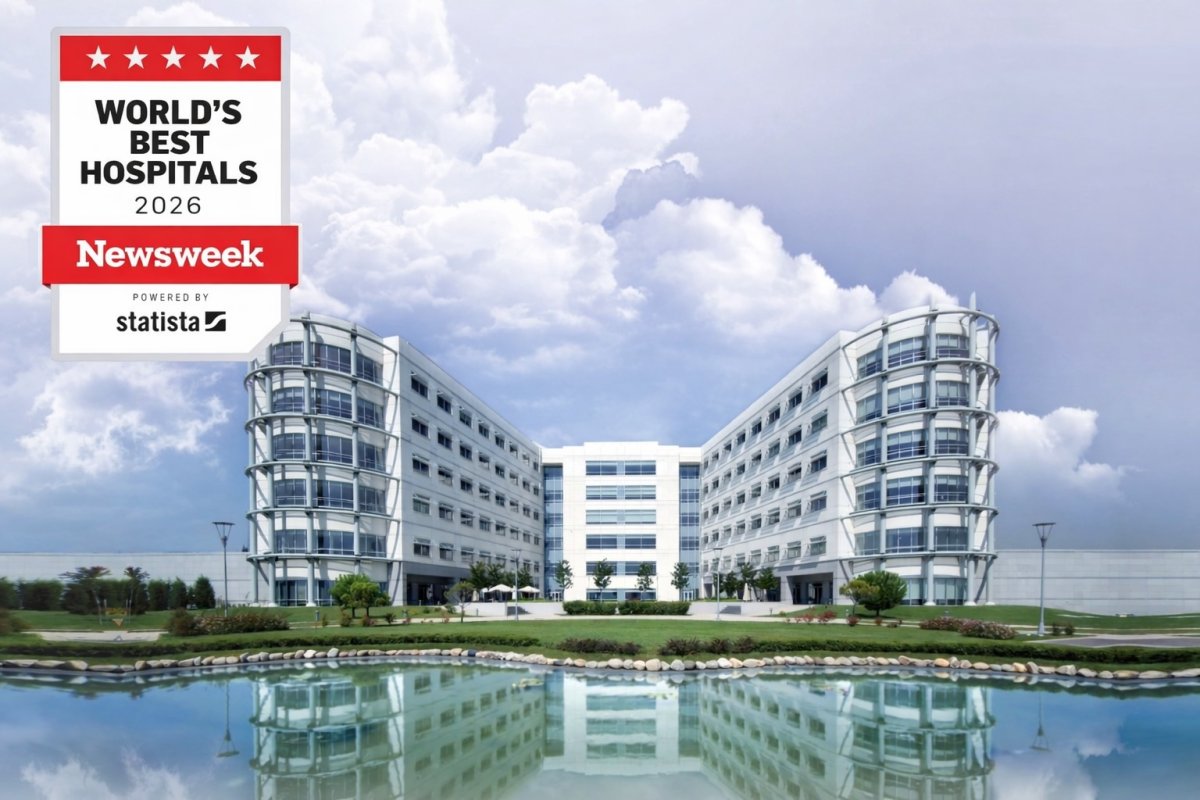









Hisar Hospital Intercontinental
Mustafa Solak






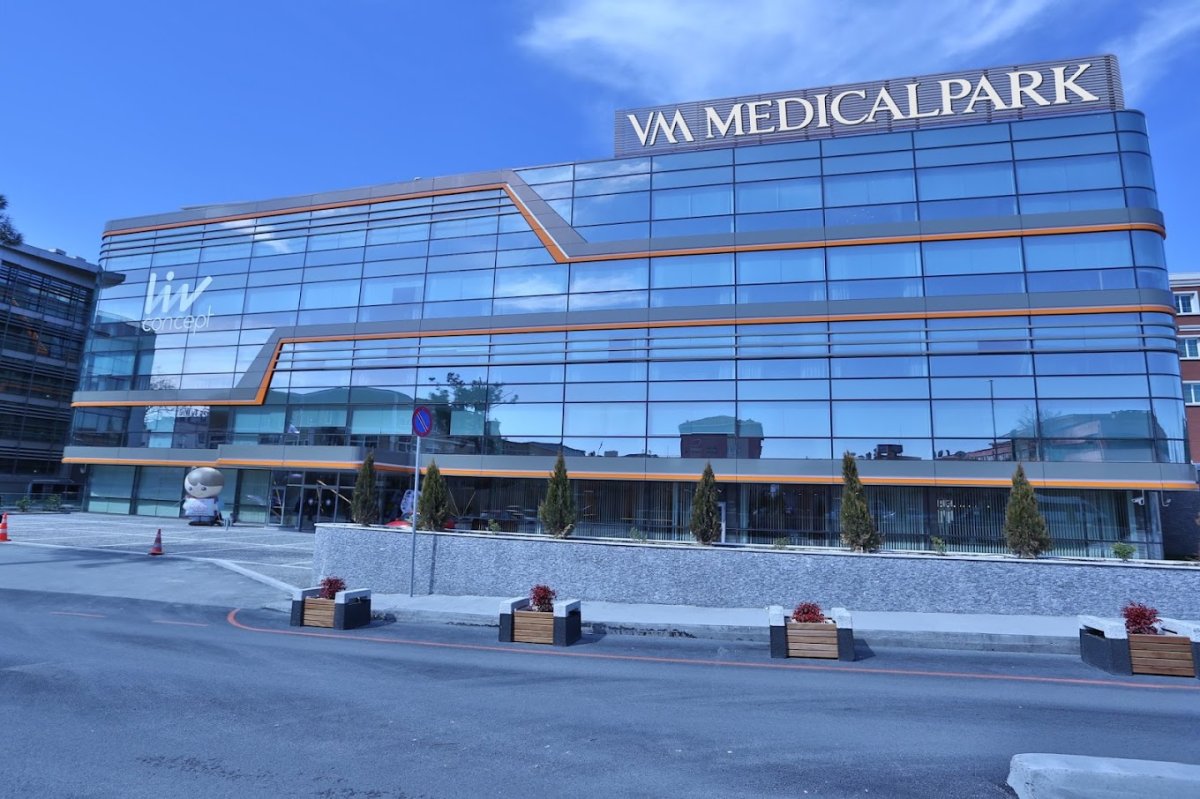
Medical Park Göztepe Hospital Complex
Turker Kilic











Tomotherapy Overview in Turkey
- Radiotherapy - from $2,000This therapy uses high-energy waves to destroy cancer cells, providing a non-surgical treatment with few side effects.
- Stereotaxic radiosurgery - from $6,000This therapy targets tumors with precise radiation, avoiding damage to surrounding tissues.
- Tomotherapy - from $8,400This therapy is a cutting-edge radiation treatment, precisely targeting tumors while reducing harm to nearby healthy tissue.
- Radiosurgery of a brain tumor - from $5,000This therapy selectively targets brain tumors, using precise radiation to eliminate cells while sparing surrounding tissue.
- Radiation therapy for colorectal cancer - from $6,000This procedure uses high-energy rays to destroy colorectal cancer cells, an effective and targeted treatment method.
- Radiation therapy for brain tumor - from $3,300This therapy aims to destroy brain tumors using high-energy rays, reducing symptoms and improving survival rates.
- Radiotherapy for throat cancer - from $6,000This therapy aims to destroy throat cancer cells using high-energy radiation, improving survival and symptom control.
- Radiotherapy for prostate cancer - from $8,000This therapy targets prostate tumors with radiation, annihilating cancer cells while preserving healthy tissue.
- Radiotherapy for lung cancer - from $4,000This therapy aims to kill cancer cells in the lungs using high-energy x-rays.
- Radiotherapy for breast cancer - from $4,000This therapy aims to eliminate cancer cells in the breast using controlled radiation.
- Radiotherapy for uterine cancer - from $6,000This therapy targets damaging uterine cancer cells, involving multiple sessions of radiation, often resulting in high success rates.
- Radiotherapy for cervical cancer - from $3,300A non-invasive procedure uses high-energy beams to destroy cervical cancer cells.
- Radiation therapy for stomach cancer - from $3,600This therapy kills stomach cancer cells using high-energy rays, offering a targeted, non-surgical treatment option.
- Radiation therapy for kidney cancer - from $6,000This therapy uses high-energy rays to destruct kidney cancer cells, providing a non-surgical, targeted treatment option.
- Radiation therapy for esophageal carcinoma - from $6,000This therapy targets esophageal cancer cells with high-energy rays, destroying them while sparing healthy tissues.
- Radiation therapy for ovarian cancer - from $6,000The therapy uses high-energy rays to destroy cancer cells, targeting only the ovaries, thus minimizing side effects.
- Radiation Therapy for Sarcomas - from $4,000This therapy targets and destroys sarcoma cells, using controlled radiation, preserving surrounding tissue, for effective, non-invasive treatment.
- Radiation therapy for Brain Tumor - from $5,000This therapy uses high-energy rays to destroy or shrink malignant cells, sparing healthy brain tissue.
- Radioembolization for liver cancer - from $23,000This therapy uses tiny radioactive beads to block and kill cancer in the liver, providing focused treatment with fewer side effects.
- Xofigo Radium-223 - from $10,000This therapy involves radioactive injections to treat prostate cancer, targeting bone metastases.
Day 1
- Arrive in the country and check-in at your accommodation.
- Visit the clinic for initial consultation with the specialist.
- Specialist will discuss your medical history and treatment plan.
Day 2
- Undergo necessary medical tests (blood tests, imaging scans).
- Meet again with the specialist to discuss test results.
Day 3
- Have a simulation session of the Tomotherapy procedure.
- Molds or marks may be made on your body for accuracy.
Day 4
- Receive first session of Tomotherapy, lasting around 20 minutes.
- No anesthesia is required for Tomotherapy.
Day 5 onwards
- Continue daily Tomotherapy sessions as advised by the specialist.
- Regular consultations with the specialist to monitor progress.
Week 2 onwards
- Post-treatment, stay in the country for observation and rest.
- Follow up consultations with the specialist are necessary.
Week 4
- Return to work, depending on the individual"s condition.
- Avoid strenuous activities and sports.
Week 6
- Gradual return to normal activities is expected.
- Final results of Tomotherapy are usually visible now.
Please note, each patient"s experience with Tomotherapy may vary depending on their individual health condition and the specifics of their treatment plan.
What patients like:
- Cost. The Tomotherapy cost in Turkey ranges from $8,400 to $10,500. It's significantly cheaper than in the USA ($20000-$35000), or Germany ($15000-$25000).
- Doctor’s professionalism. Turkish doctors hold international certificates and are members of respected oncological organizations. They have vast experience in performing Tomotherapy.
- Service level. Patients appreciate the high-quality healthcare services. The hospitals are equipped with modern facilities.
- Tomotherapy efficacy. Patients experience positive outcomes, thanks to the use of advanced techniques in Tomotherapy.
- Logistics. Patients value the well-organized logistics, including the arrangement of accommodation and transportation.
What patients don’t like:
- Waiting time. Some patients experience long waiting times for appointments and procedures.
- Language barrier. Although English is spoken in hospitals, communication can be challenging outside these facilities.
- Post-treatment services. Patients find the follow-up services to be lacking in some instances.
- Bookimed deposit: $200 or €200.
- Clinic deposit: Pay a set percentage in advance.
Our Trusted Doctors
View all Doctors
Hasan Ozgur Ozdemir
Prof. Dr. Hasan Ozgur Ozdemir specializes in advanced neurosurgical procedures at Medical Park Antalya Hospital Complex.
- Over 24 years of experience in neurosurgery
- Expert in endoscopic brain and lumbar disc surgery
- Awarded 1st place in Turkish Neurosurgical Society Proficiency Exam
- Member of Turkish Neurosurgical Society and Turkish Medical Association
Mustafa Solak
Specializes in tomotherapy for various cancers, trained at Hacettepe University Cancer Institute and MD Anderson Cancer Center.
- Experienced in treating breast, testicular, ovarian, lung, and head-neck cancers
- Completed fellowship at Hacettepe University Cancer Institute
- Worked at The University of Texas MD Anderson Cancer Center

Ramazan Sari
Associate Professor in Neurosurgery with extensive academic teaching and management experience. Currently practices at Istanbul Florence Nightingale Hospital.
- Specialized in Neurosurgery at S.B. Göztepe Training and Research Hospital
- Accredited by the European Association of Neurosurgical Societies (EANS)
- Proficient in advanced English for international consultations
- Contributor to the establishment of Neurosurgery at Medipol University

Salih Murat Imer
Professor Imer combines 41 years of neurosurgery expertise with advanced training in stereotactic and functional neurosurgery at leading European centers.
- Trained in Leksell Gamma Knife at Marseille's Department of Stereotactic and Functional Neurosurgery
- Published 68 articles on neurosurgical techniques
- Certified in full-endoscopic spine surgery and DISC nucleoplasty
- Former professor at Istanbul University's renowned neurosurgery department
- Regular speaker at international neurosurgical congresses
Video Stories from Bookimed Patients
Reviews about Bookimed: Discover Patients' Insights
All reviewsShare this content
 Anna Leonova

Fast Facts about Tomotherapy
Tomotherapy
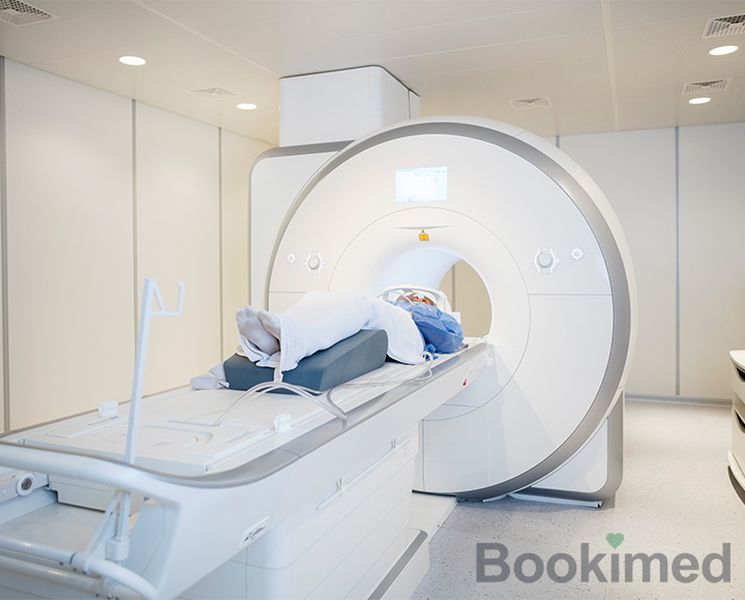
Tomotherapy is a precise form of radiation therapy that integrates CT imaging and intensity-modulated radiation therapy (IMRT) to treat cancer.
FAQ about Tomotherapy in Turkey
Does Tomotherapy hurt?
Tomotherapy is a non-invasive, painless radiation treatment similar to undergoing a CT scan. Patients do not feel, see, or smell the radiation during the 15–20 minute sessions. Any discomfort typically arises weeks later as manageable side effects like skin irritation or fatigue.
- Physical sensation: The radiation beam itself is entirely undetectable to human senses during delivery.
- Treatment environment: Patients hear clicking or humming sounds from the rotating radiation equipment.
- Positioning discomfort: Remaining perfectly still in molded masks or cushions may cause slight temporary stiffness.
- Delayed reactions: Mild soreness, skin redness, or fatigue generally emerge 2–4 weeks after starting.
Bookimed Expert Insight: Accuracy matters more than the machine name for reducing long-term discomfort. Leading Turkish centers like Anadolu Medical Center combine Tomotherapy with PET-CT planning to shield healthy tissue. This precision is why patients often report fewer gastrointestinal or respiratory side effects compared to older radiotherapy methods.
Patient Consensus: Most describe the daily sessions as boring rather than painful while lying in the scanner. Experienced patients recommend starting prescribed moisturizers early to prevent skin sensitivity before it peaks in the third week.
Will I be radioactive after treatment?
You will not be radioactive after tomotherapy in Turkey. Tomotherapy is a form of external beam radiation where rays pass through your body to treat tumors and then stop instantly. No radioactive material remains in your system once the machine shuts off.
- Treatment type: Tomotherapy uses external beam radiation, not internal radioactive implants.
- Post-session safety: Patients are immediatey safe to hug family, children, or pregnant women.
- Radiation duration: Internal radiation exposure ends the moment you leave the treatment room.
- Physical contact: You can share utensils, clothes, and sleep next to partners safely.
Bookimed Expert Insight: Turkish oncology centers like Anadolu Medical Center or Medipol Mega utilize Tomotherapy alongside CyberKnife. While both provide precise external radiation, tomotherapy is uniquely effective for treating multiple tumors simultaneously. In these JCI-accredited facilities, doctors like Prof. Berrin Pehlivan confirm that patients never require isolation after sessions.
Patient Consensus: Patients feel immediate relief knowing they aren't `glowing` or dangerous to loved ones. While some feel fatigue after sessions, they report total confidence in returning to normal family activities right away.
What are the common side effects?
Common side effects of tomotherapy in Turkey include fatigue, skin irritation at the radiation site, and temporary hair loss within the treatment field. Most reactions are localized and manageable, with symptoms typically peaking mid-treatment and resolving within 2 to 3 weeks after completing the final session.
- Fatigue levels: Patients often experience significant tiredness that peaks during the middle of the treatment cycle.
- Skin reactions: Localized irritation or redness is common; using gentle skincare and loose clothing helps.
- Gastrointestinal response: Nausea or stomach upset may occur during abdominal or thoracic radiation therapy sessions.
- Hair changes: Temporary hair loss occurs only in the specific area receiving targeted radiation beams.
Bookimed Expert Insight: While many standard radiotherapy centers exist, Anadolu Medical Center stands out by maintaining a formal affiliation with Johns Hopkins Hospital. This partnership ensures that their radiation oncology protocols, including side effect management for tomotherapy, align with top-tier US clinical standards. Choosing JCI-accredited facilities like Medipol Mega or Memorial Sisli often provides access to multidisciplinary teams that can adjust treatment plans in real-time if side effects become persistent.
Patient Consensus: Many patients recommend requesting anti-nausea medication during the initial planning appointment to stay ahead of potential discomfort. They also suggest tracking daily energy levels to help the oncology team better sync your activity load with the treatment schedule.
What types of cancer can Tomotherapy treat?
Tomotherapy in Turkey effectively treats nearly all solid tumors using 360-degree helical radiation delivery. This precision system is primary for complex prostate, breast, lung, and head and neck cancers. It also enables total marrow irradiation for blood cancers and stereotactic treatments for brain and spinal lesions.
- Prostate cancer: Precise targeting reduces radiation exposure to the bladder and rectum.
- Breast cancer: Helical delivery protects the heart and lungs in left-sided tumors.
- Neurological tumors: High-gradient mapping spares the spinal cord and healthy brain tissue.
- Pediatric cases: Daily CT-guided planning minimizes long-term side effects in developing tissues.
- Metastatic cancer: Helical technology simultaneously targets multiple secondary tumors across different sites.
Bookimed Expert Insight: Turkish oncology hubs like Anadolu Medical Center and Medipol utilize the latest Radixact systems. These platforms combine real-time CT imaging with faster delivery than older Hi-Art models. This setup often allows patients to complete daily sessions in under 20 minutes. It is a critical advantage for those with mobility issues or respiratory discomfort.
Patient Consensus: Patients value how this technology handles irregular tumor shapes that standard radiotherapy cannot safely reach. Many travelers suggest tracking skin sensitivity daily and using specialized creams as recommended by Turkish nursing staff.
How long does a single Tomotherapy session take?
A single Tomotherapy session in Turkey typically lasts 15 to 30 minutes for the actual radiation delivery. Most patients should plan for a 45 to 60-minute total clinic visit to include necessary preparation, high-precision digital imaging, and daily radiation therapist alignment checks.
- Patient setup: Specialists require 10 to 20 minutes for precise positioning on the treatment couch.
- Daily CT imaging: Integrated CTrue technology performs 5-minute scans to verify tumor location before radiation.
- Radiation delivery: The continuous 360-degree beam rotation usually takes 5 to 10 minutes per session.
- Total facility time: Patients often spend 60 minutes onsite including check-in, changing, and post-treatment logistics.
Bookimed Expert Insight: While session times are short, choosing JCI-accredited centers like Anadolu Medical Center or Memorial Sisli ensures access to the latest Tomotherapy HD systems. These advanced platforms often reduce the beam-on time for complex cases compared to older radiation therapy models. This efficiency is critical for international patients managing multi-week treatment schedules in Istanbul.
Patient Consensus: Patients emphasize that while the machine is only active for a short window, arriving early is essential for mandatory daily setup and imaging verification. Most feel the process is faster and more comfortable than traditional IMRT due to the streamlined 360-degree delivery.
What makes Tomotherapy different from traditional radiation?
Tomotherapy differs from traditional radiation by combining a 360-degree helical delivery system with an integrated CT scanner. Unlike fixed-angle traditional beams, it rotates continuously to deliver thousands of precise beamlets. This spiral approach allows radiation to wrap around complex tumors while sparing healthy organs.
- Helical delivery: Rotates 360 degrees around the patient to target tumors from every angle.
- Integrated imaging: Daily CT scans verify tumor position before each 10-20 minute session.
- Pencil-beam precision: Divides radiation into thousands of tiny beamlets for intensity-modulated radiation therapy.
- Adaptive planning: Clinicians adjust the dose daily as tumors shrink or shift position.
Bookimed Expert Insight: Turkish oncology centers like Anadolu Medical Center apply American treatment standards through Johns Hopkins affiliations. Data shows these facilities manage massive volumes, sometimes 1,000,000 patients annually. This high frequency allows surgeons to master adaptive planning, which is vital for re-irradiation cases where precision is the only safety margin.
Patient Consensus: Patients report that sessions feel less claustrophobic and cause fewer acute side effects like skin burns. Many value the quick 10-20 minute appointments and the ability to start treatment immediately in Istanbul.
How long should I stay in Turkey for Tomotherapy?
Most patients should plan to stay in Turkey for 5 to 6 weeks to complete a full course of Tomotherapy. This timeframe includes 1 week for pre-treatment simulation at centers like Anadolu Medical Center, 5 weeks of daily radiation sessions, and 7 days for post-treatment monitoring.
- Treatment cycle: Standard protocols require 25 to 35 daily sessions performed 5 days per week.
- Pre-treatment phase: Budget 3 to 7 days for tumor mapping, blood tests, and specialized imaging.
- Session duration: Each outpatient Tomotherapy appointment typically lasts between 15 and 30 minutes total.
- Recovery window: Surgeons suggest waiting 7 to 10 days post-treatment before boarding long-haul international flights.
Bookimed Expert Insight: Data from top-tier Istanbul clinics shows that prostate and brain cancer cases frequently require the full 6-week window. While the procedure itself is quick, the cumulative fatigue often peaks in week 3. Choosing a clinic like Memorial Şişli, which offers JCI-accredited care, ensures medical staff can manage these side effects without delaying your scheduled sessions.
Patient Consensus: Patients emphasize building in a 10-day buffer for final follow-up scans and potential travel disruptions. Many reported that fatigue and bowel issues made rushing to the airport difficult, so they recommend booking flexible return tickets.