Radioembolization for Liver Cancer in Turkey — Get 3 Top Clinic Matches with Costs
Radioembolization for liver cancer in Turkey costs $23,000 to $26,000, compared with about $62,500 in the US (Bookimed data, November 2026). Bookimed lists 2 radioembolization for liver cancer clinics in Turkey, all in Istanbul, including ISO-certified and JCI-accredited clinics. These clinics are rated 4.6/5 in 981 verified patient reviews on Bookimed.

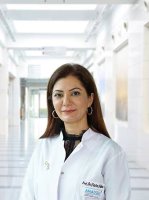
Medically reviewed by
Yesim Yildirim
How Much Does Radioembolization for liver cancer Cost in Turkey?
Radioembolization for liver cancer in Turkey typically costs from $23,000 to $26,000. The final price depends on the number of treatment sessions, clinic accreditation, and diagnostic imaging requirements. Patients save around 61% compared to the US, where the average cost is $62,500. Standard Turkish packages often include nuclear medicine consultations, pre-operative blood tests, and inpatient monitoring.
- Number of sessions: Treating both liver lobes in two separate stages can increase costs by 15-20%.
- Technique and isotopes: Specialized microspheres like TheraSphere or SIR-Spheres typically add a 15-20% premium.
- Diagnostic imaging: Pre-treatment PET-CT or MRI scans may add $4,000 if not in a package.
- Medical hub location: Major centers in Istanbul and Ankara are key destinations for high-tech oncology.
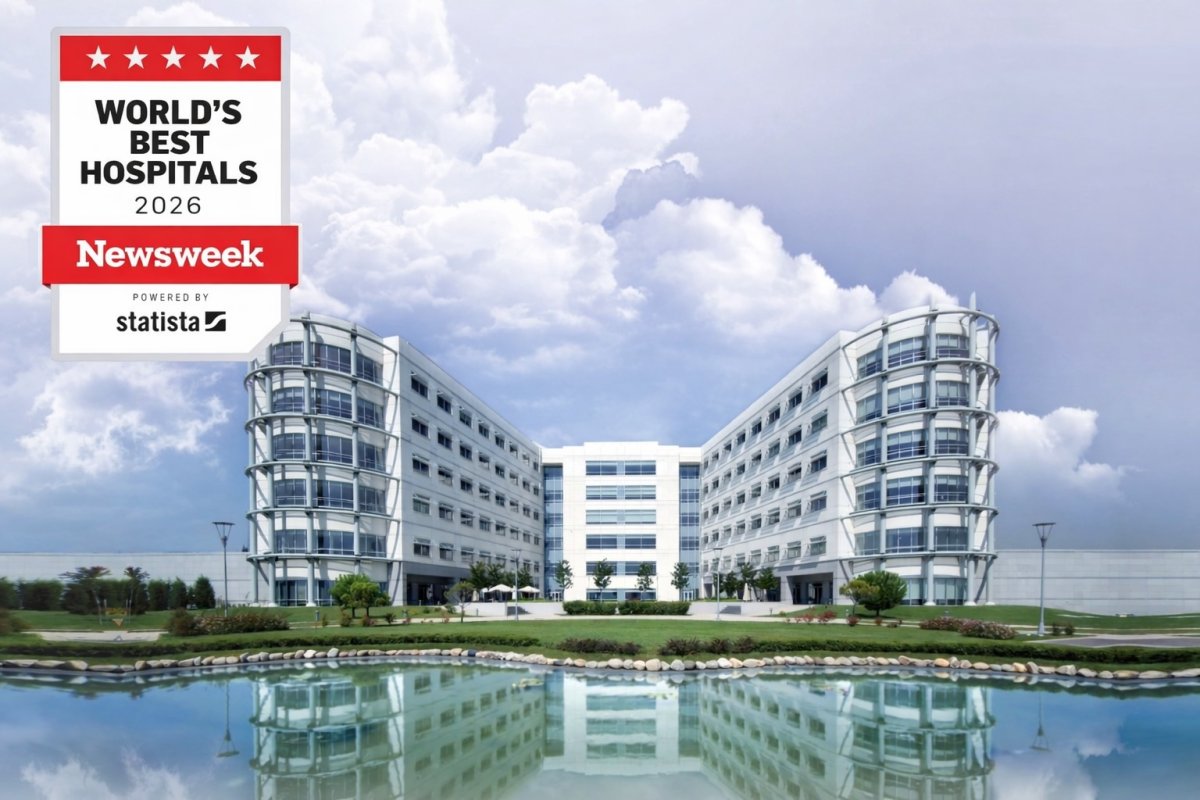
Bookimed Expert Insight: Choosing a JCI-accredited facility provides US-standard safety at significantly lower rates. For instance, Hisar Hospital Intercontinental offers TARE packages starting around $19,800. This is an excellent value considering their Joint Commission International (JCI) status and high patient volume. Anadolu Medical Center also provides world-class care through its affiliation with Johns Hopkins Hospital and newsweek-ranked oncology expertise.
| Turkey | Austria | Spain | |
|---|---|---|---|
| Radioembolization for liver cancer | from $23,000 | ≈ $21,000 | ≈ $24,000 |
Your Benefits and Guarantees with Bookimed
Transparent Prices & Flexible Installments
No hidden fees – just official clinic prices. Pay at the clinic for Radioembolization for liver cancer upon arrival and use a flexible installment plan if needed.
Verified Clinics & Doctors Only
Bookimed is committed to your safety. We only work with medical institutions that maintain high international standards in Radioembolization for liver cancer and have the necessary licenses to serve international patients worldwide.
Free 24/7 Assistance
Bookimed offers free expert assistance. A personal medical coordinator supports you before, during, and after your treatment, solving any issues. You're never alone on your Radioembolization for liver cancer journey.

Your personal Bookimed medical coordinator
- Supports you at every stage
- Helps choose the right clinic and doctor
- Ensures quick and convenient access to information
Discover the Best Radioembolization for liver cancer Clinics in Turkey: 12 Verified Options and Prices






Hisar Hospital Intercontinental
Mustafa Solak







Medipol Mega University Hospital
Gul Alco





Radioembolization for liver cancer Overview in Turkey
- Radiotherapy - from $2,000This therapy uses high-energy waves to destroy cancer cells, providing a non-surgical treatment with few side effects.
- Stereotaxic radiosurgery - from $4,500This therapy targets tumors with precise radiation, avoiding damage to surrounding tissues.
- Tomotherapy - from $8,400This therapy is a cutting-edge radiation treatment, precisely targeting tumors while reducing harm to nearby healthy tissue.
- Radiosurgery of a brain tumor - from $5,000This therapy selectively targets brain tumors, using precise radiation to eliminate cells while sparing surrounding tissue.
- Radiation therapy for colorectal cancer - from $6,000This procedure uses high-energy rays to destroy colorectal cancer cells, an effective and targeted treatment method.
- Radiation therapy for brain tumor - from $3,300This therapy aims to destroy brain tumors using high-energy rays, reducing symptoms and improving survival rates.
- Radiotherapy for throat cancer - from $6,000This therapy aims to destroy throat cancer cells using high-energy radiation, improving survival and symptom control.
- Radiotherapy for prostate cancer - from $8,000This therapy targets prostate tumors with radiation, annihilating cancer cells while preserving healthy tissue.
- Radiotherapy for lung cancer - from $4,000This therapy aims to kill cancer cells in the lungs using high-energy x-rays.
- Radiotherapy for breast cancer - from $4,000This therapy aims to eliminate cancer cells in the breast using controlled radiation.
- Radiotherapy for uterine cancer - from $6,000This therapy targets damaging uterine cancer cells, involving multiple sessions of radiation, often resulting in high success rates.
- Radiotherapy for cervical cancer - from $3,300A non-invasive procedure uses high-energy beams to destroy cervical cancer cells.
- Radiation therapy for stomach cancer - from $3,600This therapy kills stomach cancer cells using high-energy rays, offering a targeted, non-surgical treatment option.
- Radiation therapy for kidney cancer - from $6,000This therapy uses high-energy rays to destruct kidney cancer cells, providing a non-surgical, targeted treatment option.
- Radiation therapy for esophageal carcinoma - from $6,000This therapy targets esophageal cancer cells with high-energy rays, destroying them while sparing healthy tissues.
- Radiation therapy for ovarian cancer - from $6,000The therapy uses high-energy rays to destroy cancer cells, targeting only the ovaries, thus minimizing side effects.
- Radiation Therapy for Sarcomas - from $4,000This therapy targets and destroys sarcoma cells, using controlled radiation, preserving surrounding tissue, for effective, non-invasive treatment.
- Radiation therapy for Brain Tumor - from $5,000This therapy uses high-energy rays to destroy or shrink malignant cells, sparing healthy brain tissue.
- Radioembolization for liver cancer - from $23,000This therapy uses tiny radioactive beads to block and kill cancer in the liver, providing focused treatment with fewer side effects.
- Xofigo Radium-223 - from $10,000This therapy involves radioactive injections to treat prostate cancer, targeting bone metastases.
Day 1: Arrival
- You will check into the hospital.
- The medical team will review your medical history.
- You"ll have blood tests and imaging studies.
Day 2: Pre-operation
- You will meet with the radiologist and oncologist.
- The team will explain the Radioembolization procedure.
- You"ll receive instructions for pre-operative preparation.
Day 3: Radioembolization
- You will be sedated with local anesthesia.
- The procedure will take about 2-3 hours.
- Radioactive beads will be delivered to the liver tumor.
Day 4: Post-operation
- You"ll be monitored in the hospital for any complications.
- Expect mild pain which will be managed by medication.
- You will be discharged if your condition is stable.
Week 1: Rehabilitation
- Regular blood tests and imaging studies will be scheduled.
- Follow a balanced diet and take prescribed medications.
- Gradually resume light physical activities.
Week 2 to 4: Rehabilitation
- Continue with follow-up appointments with your oncologist.
- You can return to work if your strength allows.
- By week 4, you can resume moderate physical activities.
Please note that each patient"s journey to recovery may vary depending on their overall health, the size and location of the tumor, and their body"s response to the treatment.
- Bookimed deposit: $200 or €200.
- Clinic deposit: Pay a set percentage in advance.
Our Trusted Doctors
View all Doctors
Murat Dokdok
Dr. Murat Dokdok is a specialized interventional radiologist at Anadolu Medical Center. He completed an interventional neuroradiology fellowship at the University Hospital of Zurich. Dr. Dokdok also held a fellowship at Harvard Medical School. He focuses on neurological therapy and imaging for conditions like cerebral aneurysms and liver cancer. Dr. Dokdok works at Anadolu, a facility affiliated with Johns Hopkins Medicine.
- Holds over 100 national and international scientific publications and presentations.
- Certified by the European Society of Neuroradiology.
- Member of the Cardiovascular and Interventional Radiology Society of Europe.
- Performs radiofrequency ablation and chemoembolization for oncology patients.
Mustafa Solak
Dr. Solak specializes in gastrointestinal cancers, including liver cancer, with training at Hacettepe University Cancer Institute and MD Anderson Cancer Center.
- Completed fellowship at Hacettepe University Cancer Institute
- Trained at The University of Texas MD Anderson Cancer Center
- Specializes in breast, testicular, ovarian, lung, and head-neck cancers
- Works at Hisar Hospital Intercontinental

Sadik Server

Gürhan Adam
Specializes in interventional radiology with dual fellowships from Ege and Bursa Uludag Universities – focuses on liver cancer treatments at Memorial Bahçelievler Hospital.
- 21 years in interventional radiology
- Member of Turkish Society of Interventional Radiology
- Trained at Tepecik Training and Research Hospital
- Performs advanced radioembolization procedures
Video Stories from Bookimed Patients
Reviews about Bookimed: Discover Patients' Insights
All reviewsShare this content
 Anna Leonova
FAQ about Radioembolization for liver cancer in Turkey
How does the radioembolization procedure work?
Radioembolization works by delivering millions of radioactive yttrium-90 microspheres through a catheter directly into the hepatic artery. This targeted approach leverages the tumor's blood supply to provide high-dose internal radiation while sparing healthy tissue through simultaneous vessel embolization and radiation therapy.
- Targeted delivery: Microspheres reach tumors through the hepatic artery, bypassing most healthy liver tissue.
- Dual action: Beads block tumor blood flow while emitting radiation for roughly 2 weeks.
- Two-stage process: Requires an initial mapping session followed by the actual radiation infusion session.
- Minimally invasive: Interventional radiologists perform the procedure via a small incision in the groin.
Bookimed Expert Insight: Analytics shows top Turkish centers like Anadolu Medical Center maintain European standards via IASIOS certification for interventional oncology. While US costs average $62,500, Turkish facilities offer the same Y-90 technology for $23,000 to $26,000. Patients should prioritize clinics with high TARE volumes, like Hisar Hospital, which serves over 250,000 patients annually.
Patient Consensus: Many find the physical recovery involves more intense, long-lasting fatigue than initially expected. While the hospital stay is often just overnight, arranging support for several weeks post-procedure is a common recommendation.
What is the success rate for radioembolization in Turkey?
Radioembolization for liver cancer in Turkey achieves success rates between 70% and 90% for tumor reduction. Clinical data shows an 78.1% disease control rate. Approximately 34.4% of patients are successfully downstaged for curative surgery or liver transplantation at specialized Turkish oncology centers.
- Survival outcomes: One-year survival rates range from 56.7% to 94% based on patient health.
- Tumor response: Objective response rates showing measurable shrinkage reach approximately 65.6% in clinical studies.
- Advanced technology: Facilities utilize SIR-Spheres Y90 resin microspheres and hold European IASIOS interventional oncology certification.
- Expert credentials: Specialized radiologists often hold European Board of Interventional Radiology (EBIR) certifications for precision.
Bookimed Expert Insight: Success in Turkey is driven by high-volume centers like Anadolu Medical Center, which manages 65,000 patients annually. While the US average for this procedure is $62,500, Turkish clinics offer SIRT for $23,000 to $26,000. This price gap allows patients to access centers with rare international accreditations such as the OECI, which specifically validates cancer care quality.
Patient Consensus: Patients emphasize that success varies by cancer stage and stress the importance of clarifying if the goal is palliative or curative. Many suggest coordinating post-treatment imaging and liver function labs before traveling home to ensure continuous care.
What should patients expect during recovery after radioembolization?
Patients should expect a recovery period characterized by post-embolization syndrome, including fatigue, mild abdominal pain, and low-grade fever lasting 1 to 2 weeks. While most return home within 24 hours, strict radiation safety precautions and activity limits are necessary to ensure the insertion site heals properly.
- Physical side effects: Fatigue and nausea typically peak during the first 3 to 7 days.
- Radiation safety: Maintain 3-foot distance from others for 3 to 7 days after treatment.
- Activity restrictions: Avoid lifting over 10 pounds and strenuous exercise for at least 2 weeks.
- Follow-up imaging: Schedule CT or MRI scans 1 to 3 months post-procedure to assess response.
Bookimed Expert Insight: While the US average for this procedure is $62,500, clinics like Anadolu Medical Center provide JCI-accredited care at a fraction of that cost. Their affiliation with Johns Hopkins and the presence of EBIR-certified radiologists like Dr. Murat Dokdok ensure Western-standard safety protocols throughout the radioactive monitoring phase.
Patient Consensus: The first 48 hours are often the most challenging due to intense nausea and right-side pain. Many patients recommend arranging home support for at least 1 week to manage the significant fatigue that can linger.
What are the common side effects after the procedure?
Radioembolization for liver cancer in Turkey typically causes post-radioembolization syndrome, characterized by extreme fatigue, low-grade fever, and nausea. These flu-like symptoms usually peak within 3 to 5 days. Most patients recover fully within 1 to 2 weeks following the interventional radiology procedure.
- Systemic response: Expect significant fatigue, chills, and mild fever lasting up to 14 days.
- Digestive discomfort: Temporary nausea, loss of appetite, and abdominal bloating are common post-procedure.
- Local pain: Mild to moderate right-sided abdominal soreness often occurs near the liver site.
- Liver function: Changes in enzyme levels may cause temporary yellowing of skin or eyes.
Bookimed Expert Insight: While many focus on the procedure, the experience of the interventional radiologist is the primary safety factor. In Turkey, specialists like Dr. Murat Dokdok at Anadolu Medical Center or Dr. Gürhan Adam at Memorial Bahçelievler have performed thousands of these complex arterial catheterizations. This high volume often translates to smoother recoveries and fewer vascular complications for international patients.
Patient Consensus: Many patients emphasize the need for aggressive hydration, often recommending 3 liters of water daily. They frequently suggest keeping a fever log and using protein shakes to manage temporary weight loss during the initial recovery month.
Which hospitals in Turkey are highly rated for radioembolization for liver cancer?
Highly rated Turkish hospitals for radioembolization (TARE/SIRT) include Anadolu Medical Center, Memorial Şişli, and Hisar Hospital Intercontinental. These JCI-accredited facilities in Istanbul utilize multidisciplinary tumor boards and advanced interventional radiology for precise liver cancer targeting. Patients often find specialized care from Harvard-trained experts.
- Anadolu Medical Center: Holds IASIOS certification for interventional oncology and maintains affiliation with Johns Hopkins Medicine.
- Memorial Şişli Hospital: First JCI-accredited Turkish facility, utilizing a two-stage SIRT approach to maximize safety.
- Hisar Hospital Intercontinental: Features a Comprehensive Cancer Center with advanced 1.5T MR-LINAC technology for guidance.
- Medipol Mega University: Offers high-precision treatment planning using 3T MRI and advanced angiography suites.
Bookimed Expert Insight: Anadolu Medical Center stands out because it holds the OECI accreditation alongside IASIOS certification. This dual recognition is rare. It confirms they meet strict European standards specifically for cancer center organization and interventional oncology. Dr. Murat Dokdok at this facility brings elite expertise from Harvard Medical School.
Patient Consensus: Patients emphasize the importance of JCI accreditation for English-speaking support and safety. Many suggest budgeting for a 2-week stay to manage the fatigue commonly reported after the procedure.
How long does the treatment process take?
Radioembolization for liver cancer in Turkey typically takes 2 to 6 weeks from the initial mapping to the final infusion. The process involves a two-stage approach with diagnostic angiography followed by the Y-90 microsphere treatment, often staying in Istanbul for 14 to 21 days.
- Mapping stage: Requires a 1-day hospital stay for angiographic mapping and lung shunt fraction testing.
- Treatment interval: Expect a 7 to 14 day wait between mapping and the Y-90 infusion.
- Infusion procedure: The actual Y-90 delivery takes 1 hour with same-day or overnight discharge.
- Recovery period: Most patients require 1 to 2 weeks of local rest for post-embolization monitoring.
Bookimed Expert Insight: Turkish clinics like Anadolu Medical Center and Hisar Hospital often compress the 8-week standard timeline found in the US or UK into just 14 days. This efficiency is possible because interventional oncologists coordinate mapping and radioactive dose calibration in-house. This significantly reduces the time international patients must spend abroad while maintaining Joint Commission International safety standards.
Patient Consensus: Patients find that fatigue peaks between days 3 and 7 after the infusion. Many recommend booking 2 to 3 weeks of local accommodation to ensure they are stable before flying home.
Are there radiation safety precautions I must follow after treatment?
Radioembolization for liver cancer, also known as TARE, involves internal radiation that requires strict precautions for 3 to 14 days. Patients must maintain a 3 to 7 feet distance from others to shield them from emitting low-level radiation during the isotopes initial decay period.
- Contact limits: Avoid close contact with children or pregnant women for at least 7 days.
- Sleeping arrangements: Sleep in a separate bed or room for the first 4 to 10 nights.
- Hygiene protocols: Flush the toilet 3 to 5 times and wash hands obsessively after bathroom use.
- Travel restrictions: Do not fly or use public transportation for 1 to 2 weeks post-treatment.
Bookimed Expert Insight: While many think the $19,800 cost covers everything, the real value in Turkey lies in JCI-accredited facility standards. Anadolu Medical Center even partners with Johns Hopkins, ensuring safety protocols match elite US hospitals. This level of oversight is vital when handling radioactive Yttrium-90 microspheres.
Patient Consensus: Patients emphasize keeping bodily fluids entirely separate and double-bagging personal laundry for 2 weeks. Many recommend stocking solo meals beforehand to help maintain the required physical distance from family members.