Radiosurgery of a brain tumor in Turkey — get 3 personalized clinic matches


Medically reviewed by
Fahad Mawlood
How it works
How Much Does Radiosurgery of a brain tumor Cost in Turkey?
Radiosurgery of a brain tumor in Turkey typically costs from $5,000 to $9,500. The total price depends on the technology used, case complexity, and the clinic's international accreditation tier. In the US, similar procedures cost around $30,000 on average. Turkey offers savings of around 76%. Most packages include MRI scans, specialist consultations, the radiosurgery session, and local transfers.
- Gamma Knife: Typically starts between $5,000 and $7,000 for single-session treatments.
- CyberKnife: Often ranges from $5,000 to $20,000 depending on the number of fractions.
- Technology premiums: Advanced platforms like MR-LINAC or TrueBeam STx may increase the base price.
- Hospital tier: Prices in Istanbul hubs often run 15-20% higher than in regional cities.
Bookimed Expert Insight: Choosing JCI-accredited clinics in Istanbul provides high value through advanced technology access. Clinics like Memorial Şişli Hospital and Anadolu Medical Center offer TrueBeam STx and MR-LINAC. Prices at Memorial Şişli start around $3,900, showing excellent cost-to-tech ratios. Patients benefit from affiliations with institutions like Johns Hopkins Medicine while saving significantly. These facilities combine 5-star service with high-precision radiotherapy protocols.
| Turkey | Austria | Spain | |
|---|---|---|---|
| Radiosurgery of a brain tumor | from $5,000 | ≈ $9,500 | from $12,000 |
Discover the Best Radiosurgery of a brain tumor Clinics in Turkey: 12 Verified Options and Prices
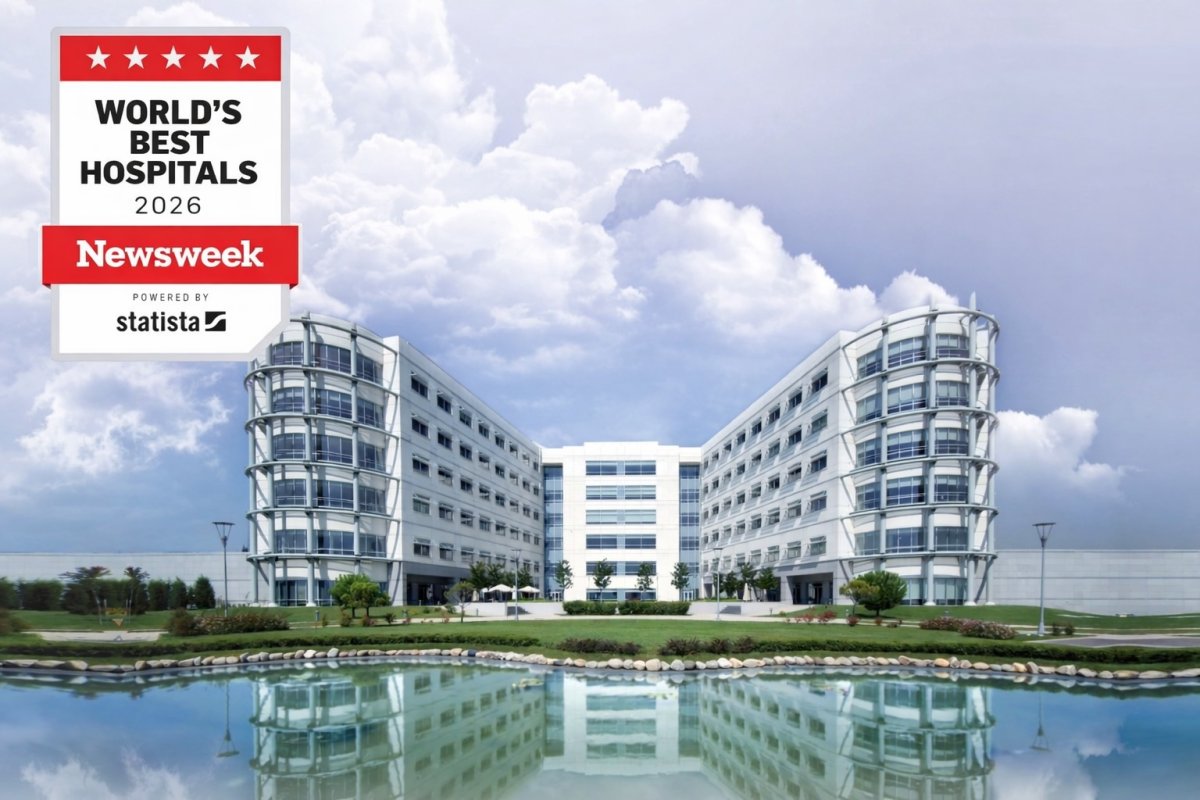










Hisar Hospital Intercontinental
Mustafa Solak

















Radiosurgery of a brain tumor Overview in Turkey
- Radiotherapy - from $3,500This therapy uses high-energy waves to destroy cancer cells, providing a non-surgical treatment with few side effects.
- Stereotaxic radiosurgery - from $6,000This therapy targets tumors with precise radiation, avoiding damage to surrounding tissues.
- Tomotherapy - from $6,700This therapy is a cutting-edge radiation treatment, precisely targeting tumors while reducing harm to nearby healthy tissue.
- Radiosurgery of a brain tumor - from $5,000This therapy selectively targets brain tumors, using precise radiation to eliminate cells while sparing surrounding tissue.
- Radiation therapy for colorectal cancer - from $5,000This procedure uses high-energy rays to destroy colorectal cancer cells, an effective and targeted treatment method.
- Radiation therapy for brain tumor - from $4,000This therapy aims to destroy brain tumors using high-energy rays, reducing symptoms and improving survival rates.
- Radiotherapy for throat cancer - from $5,000This therapy aims to destroy throat cancer cells using high-energy radiation, improving survival and symptom control.
- Radiotherapy for prostate cancer - from $8,000This therapy targets prostate tumors with radiation, annihilating cancer cells while preserving healthy tissue.
- Radiotherapy for lung cancer - from $5,000This therapy aims to kill cancer cells in the lungs using high-energy x-rays.
- Radiotherapy for breast cancer - from $5,300This therapy aims to eliminate cancer cells in the breast using controlled radiation.
- Radiotherapy for uterine cancer - from $6,500This therapy targets damaging uterine cancer cells, involving multiple sessions of radiation, often resulting in high success rates.
- Radiotherapy for cervical cancer - from $4,000A non-invasive procedure uses high-energy beams to destroy cervical cancer cells.
- Radiation therapy for stomach cancer - from $4,000This therapy kills stomach cancer cells using high-energy rays, offering a targeted, non-surgical treatment option.
- Radiation therapy for kidney cancer - from $5,000This therapy uses high-energy rays to destruct kidney cancer cells, providing a non-surgical, targeted treatment option.
- Radiation therapy for esophageal carcinoma - from $6,000This therapy targets esophageal cancer cells with high-energy rays, destroying them while sparing healthy tissues.
- Radiation therapy for ovarian cancer - from $6,000The therapy uses high-energy rays to destroy cancer cells, targeting only the ovaries, thus minimizing side effects.
- Radiation Therapy for Sarcomas - from $5,000This therapy targets and destroys sarcoma cells, using controlled radiation, preserving surrounding tissue, for effective, non-invasive treatment.
- Radiation therapy for Brain Tumor - from $6,000This therapy uses high-energy rays to destroy or shrink malignant cells, sparing healthy brain tissue.
- Radioembolization for liver cancer - from $18,600This therapy uses tiny radioactive beads to block and kill cancer in the liver, providing focused treatment with fewer side effects.
- Xofigo Radium-223 - from $5,900This therapy involves radioactive injections to treat prostate cancer, targeting bone metastases.
Day 1 - Arrival:
- Arrive at the hospital.
- Check-in at the reception.
- Complete necessary paperwork.
Day 2 - Pre-operation:
- Consult with neurosurgeon and radiation oncologist.
- Undergo MRI or CT scan.
- Have a physical examination.
- Discuss the procedure details with the physician.
Day 3 - Radiosurgery:
- Arrive at the hospital early in the morning.
- Undergo local anesthesia.
- Wear a special head frame for precise targeting.
- Enter the radiosurgery machine for the procedure.
- Remain still for 1 to 2 hours during the procedure.
- Leave the hospital once the procedure is over.
Day 4 - Post-operation:
- Rest at home.
- Take prescribed medications.
- Monitor for any side effects.
Week 1 - Rehabilitation:
- Limit physical activities.
- Attend follow-up appointments.
- Resume normal activities gradually.
Week 2:
- Return to work if feeling well.
- Continue with follow-up appointments.
Week 4:
- Resume sports and other physical activities.
- Observe the final results of the treatment.
Please note that the timeline and process may vary according to the individual"s health condition and the specifics of the brain tumor.
- Bookimed deposit: $200 or €200.
- Clinic deposit: Pay a set percentage in advance.
Our Trusted Doctors
View all Doctors
Ahmet Hilmi Kaya
Prof. Dr. Ahmet Hilmi Kaya specializes in radiosurgery for brain tumors at Anadolu Medical Center – a leader in neurosurgery with over 20 years of experience.
- Professor of Neurosurgery with extensive training in functional and stereotactic neurosurgery
- Expert in cranial base surgery and brain tumor treatments
- Recipient of multiple awards from the Turkish Neurosurgery Society
- Published research on brain metabolic activity and Parkinson's disease

Banu Atalar
Prof. Banu Atalar specializes in MR-Guided Adaptive Stereotactic Radiosurgery – a highly precise brain tumor treatment method. She trained at Stanford University for this exact technique.
- 20+ years of radiation oncology expertise
- Recipient of ASCO's International Development and Education Award
- President of Turkish Society for Radiation Oncology
- Published 72 international peer-reviewed papers
- Organizes educational programs for radiation oncologists

Mehmet Tonge
Dr. Mehmet Tonge specializes in stereotactic radiosurgery with 32 publications and 92 presentations on advanced neurosurgical techniques.
- Expert in Gamma Knife Radiosurgery at Medipol University
- Trained at Zurich University Hospital in microneurosurgery
- Board member of the World Stereotactic & Functional Neurosurgery Society
- Visiting scientist at Maastricht University Neuroscience Department

Hasan Ozgur Ozdemir
Prof. Dr. Hasan Ozgur Ozdemir specializes in radiosurgery for brain tumors at Medical Park Antalya Hospital Complex, with over 24 years of neurosurgical experience.
- Expert in endoscopic brain surgery and vascular operations
- Associate Professor at Başkent University Department of Neurosurgery
- First place in Turkish Neurosurgical Society Proficiency Exam
- Member of Turkish Neurosurgical Society and Turkish Medical Association
Video Stories from Bookimed Patients
Reviews about Bookimed: Discover Patients' Insights
All reviewsShare this content
 Anna Leonova

FAQ about Radiosurgery of a brain tumor in Turkey
What is the success rate of Gamma Knife radiosurgery for brain tumors in Turkey?
Gamma Knife radiosurgery in Turkey achieves a 85% to 95% success rate for brain tumor local control. Benign tumors like meningiomas and acoustic neuromas show higher control rates reaching 98%. Most procedures are completed in a single session lasting 1 to 3 hours.
- Tumor control: Most benign cases show 95% to 98% non-recurrence at 3 years post-treatment.
- Advanced technology: Clinics like Anadolu Medical Center utilize the latest Elekta Gamma Knife Icon systems.
- Specialized expertise: Surgeons like Prof. Dr. Salih Murat Imer possess specialized Leksell Gamma Knife certification.
- Rapid recovery: Patients typically return to routine activities within 3 to 7 days post-procedure.
Bookimed Expert Insight: High-volume centers in Istanbul like Medipol Mega University Hospital treat over 1,000,000 patients annually. This massive scale allows Turkish neurosurgeons to manage rare tumor locations more frequently than western peers. For the best outcomes, prioritize clinics with JCI accreditation and surgeons who perform over 200 radiosurgery procedures yearly.
Patient Consensus: Patients report high satisfaction with the precision of the Leksell frame-based systems used in Turkey. Many highlight that post-procedure MRI follow-ups are significantly more affordable than in the US.
Are Turkish hospitals performing radiosurgery accredited and safe?
Turkish hospitals are highly safe for radiosurgery, with approximately 50 facilities holding Joint Commission International (JCI) accreditation. Leading centers like Anadolu Medical Center and Medipol Mega University Hospital utilize advanced Gamma Knife and CyberKnife technology, maintaining standards equivalent to top-tier Western institutions.
- International benchmarks: Many hospitals partner with elite institutions like Johns Hopkins for clinical protocols.
- Specialized technology: Centers offer sub-millimeter precision using Gamma Knife Icon, CyberKnife, and TrueBeam STx.
- Expert credentials: Surgeons often hold European Board of Neurosurgery (EANS) certification and US fellowships.
- Regulatory oversight: All facilities undergo mandatory licensing and regular audits by the Turkish Ministry of Health.
Bookimed Expert Insight: While many clinics offer radiosurgery, the safest choice is a facility using a Multidisciplinary Tumor Board. Centers like Anadolu Medical Center involve oncology, neurosurgery, and radiology specialists in every case. This collaborative approach, combined with JCI accreditation, is why Turkey serves over 1,000 requests for complex neurosurgeries annually.
Patient Consensus: Patients emphasize prioritizing JCI-accredited hospitals to ensure high safety standards and suggest requesting specific success rates before booking. Most report that top-tier Istanbul centers offer English-speaking support that is unavailable in smaller, rural clinics.
What are the possible side effects of brain radiosurgery?
Brain radiosurgery in Turkey causes temporary side effects like fatigue, headaches, and nausea. These typically peak within 2 to 6 weeks. While non-invasive, focused radiation may lead to brain swelling or scalp irritation. Major centers like Anadolu Medical Center use advanced technologies to minimize healthy tissue exposure.
- Immediate fatigue: Most patients experience significant exhaustion peaking 2 weeks after the procedure.
- Neurological swelling: Temporary brain edema may cause dizziness or seizures, usually managed with steroids.
- Skin sensitivity: Scalp redness or pin-site discomfort occurs if a head frame was used.
- Delayed necrosis: Rare radiation-induced tissue changes can appear months or years after the treatment.
Bookimed Expert Insight: Data from top Istanbul clinics shows that 75% of specialists, like Prof. Dr. Banu Atalar, now utilize MR-guided adaptive SRS. This technology allows real-time adjustments during the session. It significantly reduces the risk of swelling compared to traditional fixed-dose radiation protocols.
Patient Consensus: Many patients find the post-treatment fatigue more intense than expected, often lasting 8 weeks. They frequently report that `brain fog` and word-finding difficulties are common but usually resolve within 6 months.
Is radiosurgery really a surgical procedure?
Radiosurgery is a high-precision radiation treatment, not a surgical procedure involving incisions or scalpels. It uses concentrated energy beams like Gamma Knife or CyberKnife to destroy cells. It is called surgery because its accuracy and single-session high-dose delivery mimic the results of physical tumor removal.
- Incision-free approach: No cutting, sewing, or physical penetration of the skull or body occurs.
- Anesthesia requirements: Patients remain awake using only local numbing or mild sedation if needed.
- Treatment duration: Most sessions at centers like Anadolu Medical Center last between 45-60 minutes.
- Rapid recovery: Patients typically return to normal activities or fly home within 24-48 hours.
Bookimed Expert Insight: Bookimed data shows that while radiotherapy averages $3,500 to $7,000 in Turkey, many leading specialists have specific fellowships in stereotactic radiosurgery from Stanford or Johns Hopkins. Prof. Dr. Banu Atalar at Anadolu Medical Center focuses 75% of her clinical practice specifically on these targeted treatments. This level of specialization often results in fewer side effects than traditional whole-brain radiation.
Patient Consensus: Patients describe the experience as feeling like a long MRI scan rather than surgery. They recommend preparing for potential delayed side effects like headaches or nausea that can appear weeks after the outpatient session.
How many treatment sessions are required?
Radiosurgery for brain tumors in Turkey typically requires 1 to 5 sessions depending on tumor size and location. Small lesions under 3 cm often receive a single high-dose treatment via Gamma Knife or CyberKnife, while larger tumors over 4 cm require fractionated protocols over 3 to 5 days.
- Tumor size: Tumors under 3 cm generally require only 1 session for effective control.
- Fractionated approach: Larger or complex masses usually involve 3 to 5 separate treatment sessions.
- Technology used: Advanced systems like Gamma Knife and CyberKnife enable these ultra-short treatment courses.
- Follow-up care: Post-treatment MRI scans every 3 to 6 months monitor results but aren't extra sessions.
Bookimed Expert Insight: While many patients expect a weeks-long radiation schedule, Turkish centers like Anadolu Medical Center or Memorial Şişli utilize high-precision CyberKnife technology to condense treatment. This efficiency often allows international patients to complete their entire medical protocol and return home within 7 to 10 days.
Patient Consensus: Patients emphasize that while the physical treatment is brief, you should request a specific session plan based on your exact tumor volume and histology before traveling.
Which cities in Turkey are best for radiosurgery of brain tumors?
Istanbul is the premier destination for brain tumor radiosurgery in Turkey, housing the highest concentration of JCI-accredited centers equipped with Gamma Knife and CyberKnife technologies. Ankara and Antalya follow as secondary hubs, offering specialized neuro-oncology programs and experienced surgical teams at competitive rates.
- Istanbul dominance: Home to top-tier facilities like Anadolu Medical Center and Memorial Şişli Hospital.
- Advanced technology: Medipol Mega University Hospital provides both Gamma Knife and CyberKnife robotic systems.
- Expert neurosurgeons: Prof. Dr. Ilhan Elmaci and Prof. Dr. Salih Murat Imer maintain international credentials.
- Ankara research: Features university-affiliated hospitals like Memorial Ankara using Elekta Versa HD technology.
- Antalya recovery: Medical Park Antalya specializes in pediatric and adult radiosurgery near coastal resorts.
Bookimed Expert Insight: While Istanbul clinics like Anadolu Medical Center offer elite Johns Hopkins affiliations, the real value lies in patient volume. Medipol Mega serves 1 million patients annually, meaning their radiosurgery teams handle more complex cases monthly than many European centers see in a year. This high frequency directly correlates with the sub-millimeter precision reported in patient outcomes.
Patient Consensus: Patients frequently highlight the ability to return to work within days due to non-invasive techniques. Many report significant savings, noting that total costs including luxury accommodation often remain 80% lower than US private care.
What types of radiosurgery technologies are available in Turkey?
Turkey provides advanced radiosurgery platforms including Gamma Knife, CyberKnife, and LINAC-based systems like Varian TrueBeam and Edge. Accredited centers in Istanbul and Ankara utilize these technologies for non-invasive brain tumor treatment, offering sub-millimeter precision for both cancerous and non-cancerous lesions.
- Gamma Knife Icon: Latest generation technology available at specialized centers for incisionless intracranial procedures.
- Robotic CyberKnife: Available at Memorial Şişli and Medipol Mega for flexible, multi-angle tumor targeting.
- LINAC-based systems: High-speed Varian TrueBeam and Edge platforms deliver stereotactic radiosurgery (SRS) efficiently.
- ZAP-X gyroscopic: Specialized robotic technology used for precise brain tumor treatment at university hospitals.
Bookimed Expert Insight: Analysis of clinical data shows that while many clinics offer radiosurgery, technology access varies significantly. Gamma Knife specialists like Dr. Salih Murat Imer often have 4–8 week wait times. Centers like Anadolu Medical Center provide faster access to MR-guided adaptive SRS through their Johns Hopkins affiliation. Always confirm the specific platform and installation year before booking to ensure the most modern treatment.
Patient Consensus: Patients emphasize verifying the exact machine name, as terms like radiosurgery can refer to different technologies. Consistent English-speaking support is vital for reviewing follow-up imaging at 3, 6, and 12 months.