Pneumonectomy in Italy — Get 3 Top Clinic Matches with Costs
Pneumonectomy in Italy is offered by San Raffaele in Milan. The clinic is rated 4.6/5 in 71 verified patient reviews on Bookimed.

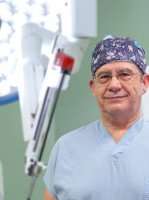
Medically reviewed by
Hasim Ustunsoy
How Much Does Pneumonectomy Cost in Italy?
Pneumonectomy in Italy typically costs from $24,000 to $35,000. The final price depends on surgical complexity, hospital stay duration, and the specific city. In the US, similar procedures cost around $112,500 on average. Italy offers savings of around 74%. Costs usually include the surgical intervention, anesthesia, and approximately 9 to 14 days of hospitalization.
- Robotic-assisted surgery: Typically adds 20-30% to the cost over standard open approaches.
- City variations: Procedures in Milan or Rome often cost 15-20% more than regional facilities.
- Post-operative care: Pulmonary rehabilitation adds significant value but increases the total bill for recovery.
- Diagnostic phase: Pre-operative staging including biopsies and specialized scans affects the initial budget.
Bookimed Expert Insight: Choosing a research-heavy facility like San Raffaele in Milan offers superior value. This hospital is ranked among the World's Best Hospitals 2021 by Newsweek. While a consultation starts around $250, you gain access to IRCCS-accredited oncology experts. Professor Giampiero Negri there leads specialized minimally invasive units. Paying a premium for such expertise ensures access to nearly 8,400 special operations performed annually.
| Italy | Turkey | Austria | |
|---|---|---|---|
| Pneumonectomy | ≈ $24,000 | from $9,500 | ≈ $28,000 |
Your Benefits and Guarantees with Bookimed
Transparent Prices & Flexible Installments
No hidden fees – just official clinic prices. Pay at the clinic for Pneumonectomy upon arrival and use a flexible installment plan if needed.
Verified Clinics & Doctors Only
Bookimed is committed to your safety. We only work with medical institutions that maintain high international standards in Pneumonectomy and have the necessary licenses to serve international patients worldwide.
Free 24/7 Assistance
Bookimed offers free expert assistance. A personal medical coordinator supports you before, during, and after your treatment, solving any issues. You're never alone on your Pneumonectomy journey.

Your personal Bookimed medical coordinator
- Supports you at every stage
- Helps choose the right clinic and doctor
- Ensures quick and convenient access to information
Discover the Best Pneumonectomy Clinics in Italy: 1 Verified Option and Prices


Pneumonectomy Overview in Italy
Day 1 - Arrival
- Arrive in the country.
- Transfer to your accommodation.
- Rest and acclimate to the new environment.
Day 2 - Pre-Operation
- Consultation with the thoracic surgeon.
- Undergo necessary medical tests, including CT scan and blood tests.
- Meet with anesthesiologist to discuss anesthesia options.
Day 3 - Pneumonectomy
- Arrive at the clinic.
- Undergo pre-operative preparations.
- Pneumonectomy surgery is performed, typically lasts 4-6 hours.
- General anesthesia is used during the procedure.
Day 4 to Day 10 - Post-Operation
- Stay in the Intensive Care Unit for close monitoring.
- Transfer to a regular ward once stable.
- Typically, hospital stay lasts for a week post-surgery.
Week 2 to Week 6 - Rehabilitation
- Engage in light physical activities such as walking.
- Attend regular follow-up visits with your surgeon.
- Gradual return to work, typically by week 6.
Week 7 and beyond
- Resume regular activities, with physician"s approval.
- Noticeable improvement in breathing and overall health.
Please note that each patient"s recovery timeline may vary depending on individual circumstances and overall health status.
- Bookimed deposit: $200 or €200.
- Clinic deposit: Pay a set percentage in advance.
Our Doctors
View all Doctors
Giampiero Negri
Associate Professor of Thoracic Surgery – leads the Mini-Invasive Thoracic Surgery Unit at San Raffaele. Specializes in lung and pleural diseases.
- Member of the European Board in Thoracic and Cardiovascular Surgery
- Head of the Mini-Invasive Thoracic Surgery Unit
- Author of over 200 scientific publications
- Member of the Italian Society of Thoracic Surgery and Thoracic Endoscopy
Video Stories from Bookimed Patients
Reviews about Bookimed: Discover Patients' Insights
All reviewsShare this content
 Anna Leonova
FAQ about Pneumonectomy in Italy
How long is the typical hospital stay and recovery after a pneumonectomy in Italy?
Typical hospital stay for a pneumonectomy in Italy ranges from 5 to 10 days. Patients usually spend 48 hours in intensive monitoring. Full recovery lasts 8 weeks to 6 months. Italian centers like San Raffaele utilize advanced thoracic surgery to ensure patient safety.
- ICU monitoring: Patients stay in intensive care for 24–48 hours for vital sign tracking.
- Chest tube management: Drains typically remain for 3–5 days until drainage levels decrease significantly.
- Early mobilization: Walking starts by day 2 to prevent clots and improve lung function.
- Activity limits: Heavy lifting is restricted for 8 weeks to allow the body to adapt.
Bookimed Expert Insight: Milan centers like San Raffaele perform over 8,400 operations annually with researchers like Dr. Giampiero Negri. High-volume hospitals in Italy often achieve shorter hospital stays through specialized minimally invasive thoracic units. Choosing an IRCCS-accredited research hospital ensures access to the latest rehabilitation protocols that speed up recovery.
Patient Consensus: Patients report that walking daily from the first day helps shorten their hospital stay. Severe fatigue is common initially, but many return to desk work within 6 weeks.
Is robotic-assisted pneumonectomy available in Italy?
Robotic-assisted pneumonectomy is available at elite Italian research hospitals specializing in minimally invasive thoracic surgery. Facilities in Milan and Rome utilize the Da Vinci Xi system for complex lung cancer cases involving delicate vascular resections and advanced bronchial reconstruction.
- Specialized technology: Surgeons utilize Da Vinci Xi systems for precise high-definition 3D visualization.
- Leading institutions: IRCCS-accredited centers like San Raffaele perform high-volume robotic lung procedures.
- Surgeon expertise: Top specialists hold European Board in Thoracic and Cardiovascular Surgery credentials.
- Clinical research: Italian centers lead studies on robotic resections for elderly or complex cases.
Bookimed Expert Insight: San Raffaele Hospital performs over 52,000 operations annually and holds prestigious IRCCS research status. This high surgical volume suggests their thoracic teams handle more rare, complex cases than smaller regional clinics. If seeking robotic options, target Milan-based research hospitals for the highest concentration of specialized Da Vinci technology.
Patient Consensus: Patients report that while robotic methods are growing, traditional surgery remains common for full lung removal. Recovery from open procedures often takes 3 to 6 months with significant discomfort managed by clinical teams.
Which Italian hospitals are considered leaders for pneumonectomy and major thoracic surgery?
San Raffaele Hospital in Milan and Agostino Gemelli University Policlinic in Rome are the primary leaders for pneumonectomy in Italy. These facilities are recognized by Newsweek and the Italian Ministry of Health for high surgical volumes, advanced robotic equipment, and multidisciplinary thoracic oncology research.
- San Raffaele Hospital: IRCCS-accredited center performing over 52,000 annual operations with advanced da Vinci robotic systems.
- Agostino Gemelli Policlinic: Ranked as the top Italian hospital, housing Italy's largest specialized cancer center.
- Humanitas Research Hospital: Specialized in T4 advanced-stage lung cancers involving the trachea or chest wall.
- Distinguished specialist: Dr. Giampiero Negri at San Raffaele leads the mini-invasive thoracic surgery functional unit.
Bookimed Expert Insight: While hospital reputation is important, surgeon caseload is the critical outcome driver in Italy. For example, Dr. Giampiero Negri at San Raffaele has authored over 200 scientific publications. Data shows top-tier outcomes are concentrated in centers performing more than 20 pneumonectomies annually, primarily in the Milan and Bologna regions.
Patient Consensus: Patients often recommend Lombardy-based centers for faster private access to avoid the 3-to-6 month public sector wait times. Many emphasize verifying the surgeon's specific experience with VATS techniques before finalizing a surgical plan.
Who are the leading thoracic surgeons performing pneumonectomy in Italy?
Leading thoracic surgeons in Italy for pneumonectomy include Giampiero Negri at San Raffaele Research Hospital and Lorenzo Spaggiari at the European Institute of Oncology. These specialists operate within IRCCS-accredited research centers in Milan and Rome, utilizing advanced robotic-assisted and video-assisted thoracoscopic surgery.
- Giampiero Negri: Leads mini-invasive unit at San Raffaele. Published over 200 scientific papers.
- Lorenzo Spaggiari: Directs lung cancer programs at IEO. Specializes in complex thoracic neoplasms.
- Giulia Veronesi: Expert in robotic-assisted techniques for lung cancer at Milan San Raffaele.
- Luca Tavecchio: Vice-director at Istituto Nazionale Tumori. Performed over 3,500 thoracic operations.
Bookimed Expert Insight: Milan serves as the primary hub for complex thoracic surgery. San Raffaele alone performs 8,400 operations annually. Patients benefit most from the IRCCS status of these clinics. This accreditation ensures immediate access to research-driven surgical protocols not available elsewhere.
Patient Consensus: Patients emphasize verifying individual surgeon volumes for pneumonectomy during consultations. High-volume centers like IEO and San Raffaele are preferred for their multidisciplinary teams and ERAS protocols.
How is a pneumonectomy performed and are lung-sparing alternatives offered?
Pneumonectomy involves the surgical removal of an entire lung, typically for central tumors. Surgeons access the chest via thoracotomy or video-assisted thoracoscopic surgery (VATS). Lung-sparing alternatives like sleeve lobectomies are preferred when possible. These maintain healthy tissue and improve quality of life.
- Surgical access: Surgeons perform an open thoracotomy or minimally invasive VATS for specific cases.
- Vascular division: Major pulmonary arteries and veins are ligated and divided using vascular staplers.
- Sleeve lobectomy: This alternative removes the tumor while reattaching healthy lung segments to the windpipe.
- Segmentectomy: Only a specific segment is removed, preserving the remaining lobes for better function.
Bookimed Expert Insight: Italian centers like San Raffaele specialize in complex lung-sparing techniques through multidisciplinary research. Associate Professor Giampiero Negri lead units focused on mini-invasive thoracic surgery. This expertise allows for advanced vascular reconstructions often unavailable at general surgical centers. Patients benefit from specialized pre-operative VO2 max testing to ensure safe outcomes.
Patient Consensus: Seeking a second opinion is vital to confirm if a lobectomy is possible over total removal. Recovery often requires 3 months of pulmonary rehab to adapt to reduced exercise capacity.
What is the main medical indication for pneumonectomy in Italian practice?
Italian thoracic surgeons primarily perform pneumonectomy to treat advanced non-small cell lung cancer (NSCLC). This procedure removes one entire lung when tumors invade the hilum or main bronchus. It is specifically indicated when lung-sparing resections like lobectomies cannot achieve complete cancer removal.
- Oncological priority: Used for centrally located tumors involving the main stem bronchus.
- Sparing limitation: Performed only when sleeve resections are not technically or oncologically feasible.
- Benign indications: Occurs rarely for irreversible damage from chronic infections like tuberculosis.
- Preoperative protocol: Italian centers require PET-CT scans and functional exercise tests before approval.
Bookimed Expert Insight: Italian research hospitals like San Raffaele emphasize a multidisciplinary IRCCS approach to lung surgery. Data suggests that 80-90% of cases are cancer-related. Experts like Giampiero Negri focus on mini-invasive thoracic surgery to improve outcomes. Choosing a center that combines clinical care with active research ensures access to modern resectability assessments.
Patient Consensus: Patients emphasize that quitting smoking months before surgery significantly impacts the recovery speed. Most find PET-CT and bronchoscopy crucial for confirming if the procedure is actually necessary.