Pneumonectomy in Turkey — get 3 personalized clinic matches


Medically reviewed by
Yesim Yildirim
How it works
How Much Does Pneumonectomy Cost in Turkey?
Pneumonectomy in Turkey typically costs from $9,500 to $22,000. The final price depends on the surgical technique, such as standard open surgery versus robotic-assisted VATS, and the clinic's tier. Patients save around 86% compared to the US, where this procedure costs $112,500 on average. Most packages include pre-operative Thorax CT scans, anesthesia, surgical fees, and several nights of hospitalization.
- Robotic-assisted approach: Typically adds 20-30% over standard surgical methods for increased precision.
- Surgical technique: VATS minimally invasive procedures often cost more than traditional open thoracotomy.
- Medical hub locations: Major specialized facilities are primarily located in Istanbul and Ankara.
- Diagnostic requirements: Pre-surgical PET-CT scans and contrast CTs are usually factored into total costs.
Bookimed Expert Insight: Choosing board-certified surgeons like Erkan Yildirim provides high-value care at competitive rates. Hisar Hospital Intercontinental offers VATS packages around $12,100, which is significantly lower than robotic options. Meanwhile, Anadolu Medical Center provides elite robotic surgery for approximately $22,600 through its Johns Hopkins affiliation. This confirms Turkey offers both budget-friendly minimally invasive options and premium robotic technology for complex cases.
| Turkey | Austria | Spain | |
|---|---|---|---|
| Pneumonectomy | from $9,500 | ≈ $28,000 | from $22,000 |
Discover the Best Pneumonectomy Clinics in Turkey: 12 Verified Options and Prices










Hisar Hospital Intercontinental
Mustafa Solak







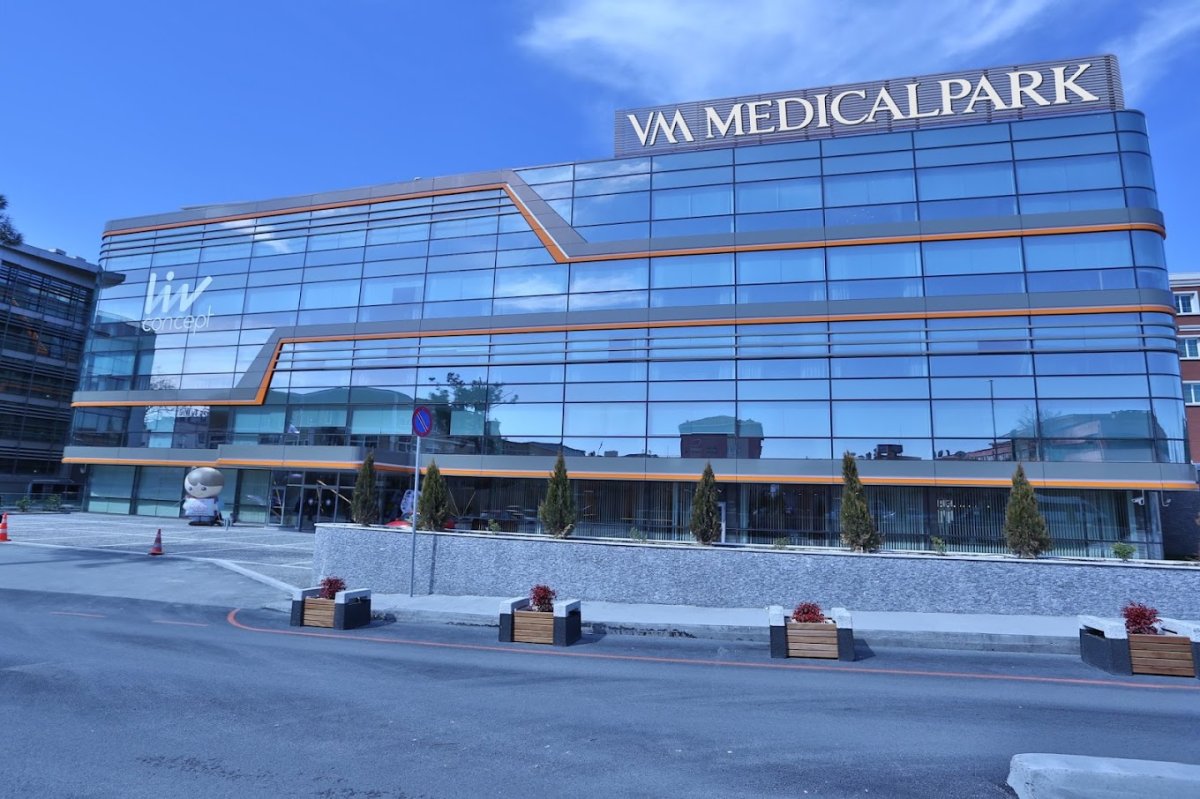
Medipol Mega University Hospital
Abdullah Sakin






Pneumonectomy Overview in Turkey
- Pneumonectomy - from $9,500The operation removes an entire lung to treat lung diseases, enhancing breathing capacity and overall health.
Day 1 - Arrival
- Arrive in the country.
- Transfer to your accommodation.
- Rest and acclimate to the new environment.
Day 2 - Pre-Operation
- Consultation with the thoracic surgeon.
- Undergo necessary medical tests, including CT scan and blood tests.
- Meet with anesthesiologist to discuss anesthesia options.
Day 3 - Pneumonectomy
- Arrive at the clinic.
- Undergo pre-operative preparations.
- Pneumonectomy surgery is performed, typically lasts 4-6 hours.
- General anesthesia is used during the procedure.
Day 4 to Day 10 - Post-Operation
- Stay in the Intensive Care Unit for close monitoring.
- Transfer to a regular ward once stable.
- Typically, hospital stay lasts for a week post-surgery.
Week 2 to Week 6 - Rehabilitation
- Engage in light physical activities such as walking.
- Attend regular follow-up visits with your surgeon.
- Gradual return to work, typically by week 6.
Week 7 and beyond
- Resume regular activities, with physician"s approval.
- Noticeable improvement in breathing and overall health.
Please note that each patient"s recovery timeline may vary depending on individual circumstances and overall health status.
- Bookimed deposit: $200 or €200.
- Clinic deposit: Pay a set percentage in advance.
Our Trusted Doctors
View all DoctorsMustafa Solak
Specialized in lung cancer surgery with training at Hacettepe University Cancer Institute and MD Anderson Cancer Center.
- Completed residency at Istanbul Sisli Etfal Teaching and Research Hospital
- Fellowship-trained in oncology with focus on multiple cancer types
- Experienced in handling complex cases at Hisar Hospital Intercontinental
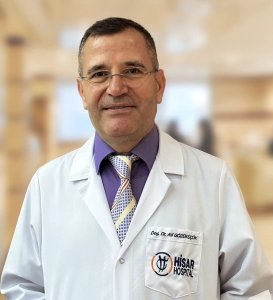
Ali Gozukucuk
Dr. Ali Gozukucuk is a pediatric surgeon at Hisar Hospital Intercontinental in Istanbul. He completed a specialized fellowship in pediatric surgery at Erciyes University. Dr. Gozukucuk treats children for conditions like hernias, appendicitis, and congenital defects. He works at a JCI-accredited hospital that serves over 500,000 patients annually.
- Specializes in treating inguinal hernias, umbilical hernias, and ankyloglossia.
- Published three articles in international peer-reviewed medical journals.
- Presented 13 research papers at international scientific meetings.
- Performs pediatric urological and cardiac surgical procedures.

Irfan Eser
Dr. Eser specializes in thoracic surgery with extensive experience in pneumonectomy procedures at Medical Park Antalya Hospital Complex.
- Trained at Akdeniz University Hospital's Thoracic Surgery Department
- Over 15 years of experience in thoracic surgery
- Practices at Harran University School of Medicine Hospital
- Expertise in both routine and complex thoracic cases

Mustafa Serkan Alemdar
Dr. Alemdar specializes in pneumonectomy procedures, drawing on extensive training and experience in oncology and internal medicine.
- Over 20 years of medical practice
- Trained at Akdeniz University Medical Center
- Board-certified in medical oncology
- Works at Medical Park Antalya Hospital Complex
Video Stories from Bookimed Patients
Reviews about Bookimed: Discover Patients' Insights
All reviewsShare this content
 Anna Leonova
FAQ about Pneumonectomy in Turkey
What are the success and survival rates for pneumonectomy in Turkey?
Success and survival rates for pneumonectomy in Turkey align with global benchmarks, showing 5-year survival between 35.9% and 50.9% for lung cancer. Early-stage cases reach 62% survival. Benign conditions show 89.4% 5-year survival, with postoperative mortality staying between 4.1% and 6.6% in JCI-accredited centers.
- Cancer survival: Stage I patients achieve 62% survival; Stage III ranges from 33% to 38%.
- Benign outcomes: Procedures for destroyed lung disease show 89.4% long-term survival despite higher morbidity.
- Surgical side: Left-sided operations typically show better outcomes with a 54-month median survival.
- Short-term safety: Specialized centers maintain 30-day mortality between 4.1% and 6.6% for oncology.
Bookimed Expert Insight: Data shows a clear trend where Turkish surgeons like Dr. Adnan Sayar at Liv Hospital Vadistanbul favor sleeve lobectomy over full pneumonectomy whenever possible. This lung-sparing approach boosts 5-year survival to 53.9%. Patients should ask for a VATS (Video-Assisted Thoracoscopic Surgery) assessment to potentially avoid open surgery and reduce recovery complications.
Patient Consensus: Many patients emphasize getting VO2 max and DLCO tests before surgery to establish a strong baseline. Recovery usually requires 2 to 3 months, and quitting smoking beforehand is linked to 10–20% better survival outcomes.
Which hospitals in Turkey are recommended for thoracic surgery and pneumonectomy?
Turkey offers world-class thoracic surgery at JCI-accredited facilities like Anadolu Medical Center, Hisar Hospital Intercontinental, and Memorial Şişli. These centers specialize in pneumonectomy using advanced Video-Assisted Thoracic Surgery (VATS) and da Vinci robotic systems, providing survival rates comparable to top US institutions at significantly lower costs.
- Anadolu Medical Center: Partnered with Johns Hopkins Medicine, offering specialized robotic lung resection in Istanbul.
- Hisar Hospital Intercontinental: Features Turkish Board-certified surgeons and high-volume experience in complex lung transplantation.
- Memorial Şişli Hospital: The first JCI-accredited hospital in Turkey, known for advanced PET-CT surgical planning.
- Medipol Mega University: A massive multi-specialty complex serving over 1,000,000 patients annually with 70 departments.
Bookimed Expert Insight: While many clinics offer thoracic procedures, the most consistent success for complex pneumonectomies appears at university-affiliated centers. For instance, Hisar Hospital Intercontinental serves 250,000 patients yearly, while Medipol Mega manages even higher volumes. This high patient flow frequently correlates with more refined surgical protocols and better-equipped intensive care units for post-operative management.
Patient Consensus: Patients value the comprehensive post-operative support and the presence of English-speaking coordinators who bridge communication gaps. Many highlight that incorporating professional physiotherapy during the hospital stay significantly aids in managing the initial recovery phase after lung removal.
What can I expect during recovery after a pneumonectomy in Turkey?
Recovery after a pneumonectomy in Turkey typically involves a 2 to 3 week stay, including 5 to 13 days of hospitalization. Patients spend the first 48 hours in intensive care for monitoring before moving to a surgical ward for respiratory therapy and early mobilization.
- Hospital stay: Most patients remain hospitalized for 5 to 10 days at JCI-accredited facilities.
- Initial mobilization: Patients begin walking and sitting up within 24 hours to prevent blood clots.
- Respiratory therapy: Hourly incentive spirometry exercises are required to expand the remaining lung tissue.
- Chest tube management: Drainage tubes are typically removed between days 2 and 7 post-surgery.
- Travel clearance: Surgeons provide fitness-to-fly certification only after a stable 7-day post-discharge period.
Bookimed Expert Insight: While many expect a long recovery, patients choosing specialized centers like Anadolu Medical Center benefit from their Johns Hopkins affiliation. This partnership often integrates advanced pain management protocols that transition patients from IV to oral meds faster, potentially shortening the initial high-intensity recovery phase.
Patient Consensus: Many patients find sleeping in an upright position or using recliner pillows essential during the first 2 weeks due to chest wall stiffness. Expect occasional coughing for up to 6 weeks, which is a normal part of the healing process rather than a sign of relapse.
What modern surgical methods are commonly used for pneumonectomy in Turkey?
Turkish surgeons perform pneumonectomy using video-assisted thoracoscopic surgery (VATS), robotic-assisted surgery via the da Vinci system, and traditional open thoracotomy. Minimally invasive approaches are standard at Joint Commission International (JCI) accredited centers in Istanbul, reducing hospital stays to 5 days for eligible candidates.
- VATS technique: Uses small 3–5 cm incisions and high-definition cameras to avoid rib spreading.
- Robotic-assisted surgery: Employs the da Vinci system for 3D visualization and precise complex dissections.
- Uniportal approach: Minimizes trauma by performing VATS or robotic surgery through one single incision.
- Open thoracotomy: Remains the primary choice for advanced tumors requiring extensive manual vascular manipulation.
Bookimed Expert Insight: Clinical data shows a clear divide between facility types. While public hospitals often utilize open thoracotomy, private centers like Hisar Hospital Intercontinental and Memorial Shisli specialize in hybrid VATS and robotic methods. Choosing a private facility typically grants access to surgeons like Dr. Erkan Yildirim, who holds European Board (FETCS) certification and international training from the University of Toronto.
Patient Consensus: Patients report returning to work within 6 weeks using robotic methods. Many emphasize the importance of remote pre-operative imaging reviews and consistent post-operative physiotherapy for a smoother recovery.
What are the advantages of choosing Turkey for pneumonectomy?
Turkey offers pneumonectomy patients a combination of world-class thoracic expertise and advanced surgical technology at significant savings. Specialized centers in Istanbul utilize Video-Assisted Thoracoscopic Surgery (VATS) and robotic systems, providing clinical outcomes comparable to top Western institutions without the long waiting lists found in many countries.
- Cost efficiency: Patients save approximately 86% compared to US costs for complex lung resections.
- Elite credentials: Surgeons like Dr. Erkan Yildirim hold Turkish Board and European (FETCS) certifications.
- Advanced technology: Top-tier facilities such as Anadolu Medical Center are affiliated with Johns Hopkins Hospital.
- Rapid access: High-volume clinics often schedule major thoracic surgeries within days of initial consultation.
Bookimed Expert Insight: While many countries offer pneumonectomy, Turkey’s lung transplant infrastructure sets it apart. Surgeons like Dr. Adnan Sayar, who serve on lung transplant committees, bring a level of anatomical expertise to standard pneumonectomies that is rarely found in general thoracic units. This specialized background typically correlates with more precise vascular management during surgery.
Patient Consensus: Patients frequently highlight the seamless coordination between oncology and surgery teams. They often note that the high volume of lung cases handled in Istanbul leads to a very efficient, stress-free recovery process.