Breast Implants with Breast Lift in Republic of Korea — get 3 top clinic matches with costs
Breast implants with breast lift in the Republic of Korea cost $7,500 to $16,000, about the same as the US average of $13,500 (Bookimed data, November 2026). Bookimed lists 5 breast implants with breast lift clinics in the Republic of Korea, all in Seoul. These clinics are rated 4.9/5 in 53 verified patient reviews on Bookimed.


Medically reviewed by
Fahad Mawlood
How it works
How Much Does Breast Implants with Breast Lift Cost in Republic of Korea?
Breast Implants with Breast Lift in the Republic of Korea costs between $7,500 and $16,000 on average. Final pricing depends on the implant brand, such as Motiva or Mentor, and the specific lift technique required for the patient's anatomy. Customers save approximately 44% compared to the United States, where the average price is $13,500. Local packages typically include anesthesia, overnight hospital stays, and post-operative medications.
- Implant brand: Premium ergonomic implants like Motiva generally cost more than standard cohesive silicone options.
- Incision technique: Complex anchor lifts for significant sagging typically command higher fees than peri-areolar methods.
- Clinic location: Procedures in Seoul's Gangnam district often carry a 15-20% premium over smaller medical hubs.
- Surgical complexity: Revision cases or combined procedures with fat grafting may increase the total package price.
Bookimed Expert Insight: Choosing a KAHF-accredited clinic in Seoul, like JK Plastic Surgery Center, ensures premium safety standards. While high-end clinics may quote approximately $22,400, they often include luxury recovery suites and specialized post-op laser care. For better value, mid-tier clinics like VG Plastic Surgery provide board-certified expertise with packages starting around $9,000. Many Korean centers also specialize in "minimal intervention" techniques to reduce scarring, which is a significant long-term value add.
| Republic of Korea | Turkey | The USA | |
|---|---|---|---|
| Breast Implants with Breast Lift | from $7,500 | from $2,200 | ≈ $9,500 |
Discover the Best Breast Implants with Breast Lift Clinics in Republic of Korea: 10 Verified Options and Prices


VG Plastic Surgery
Im Young Min

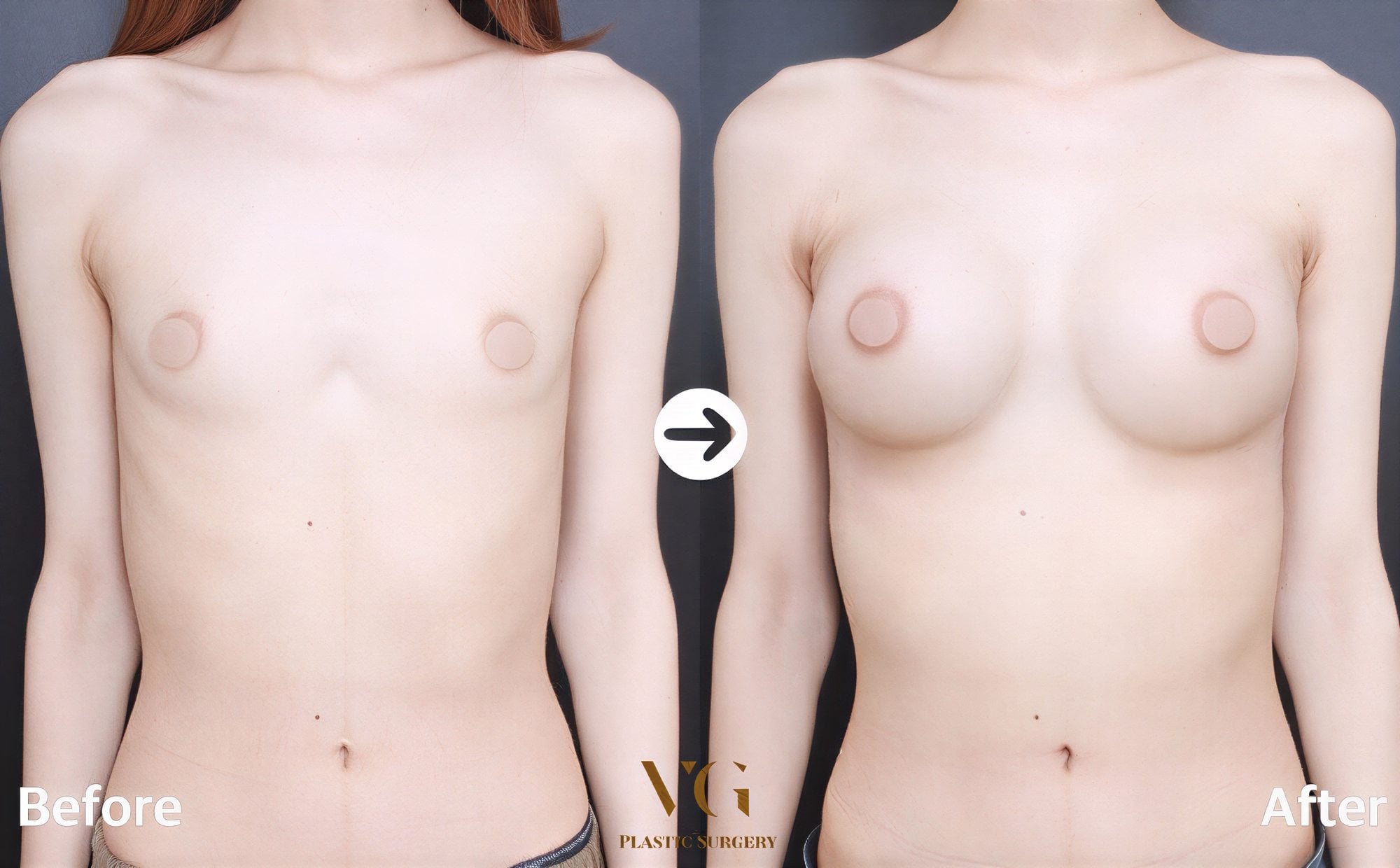
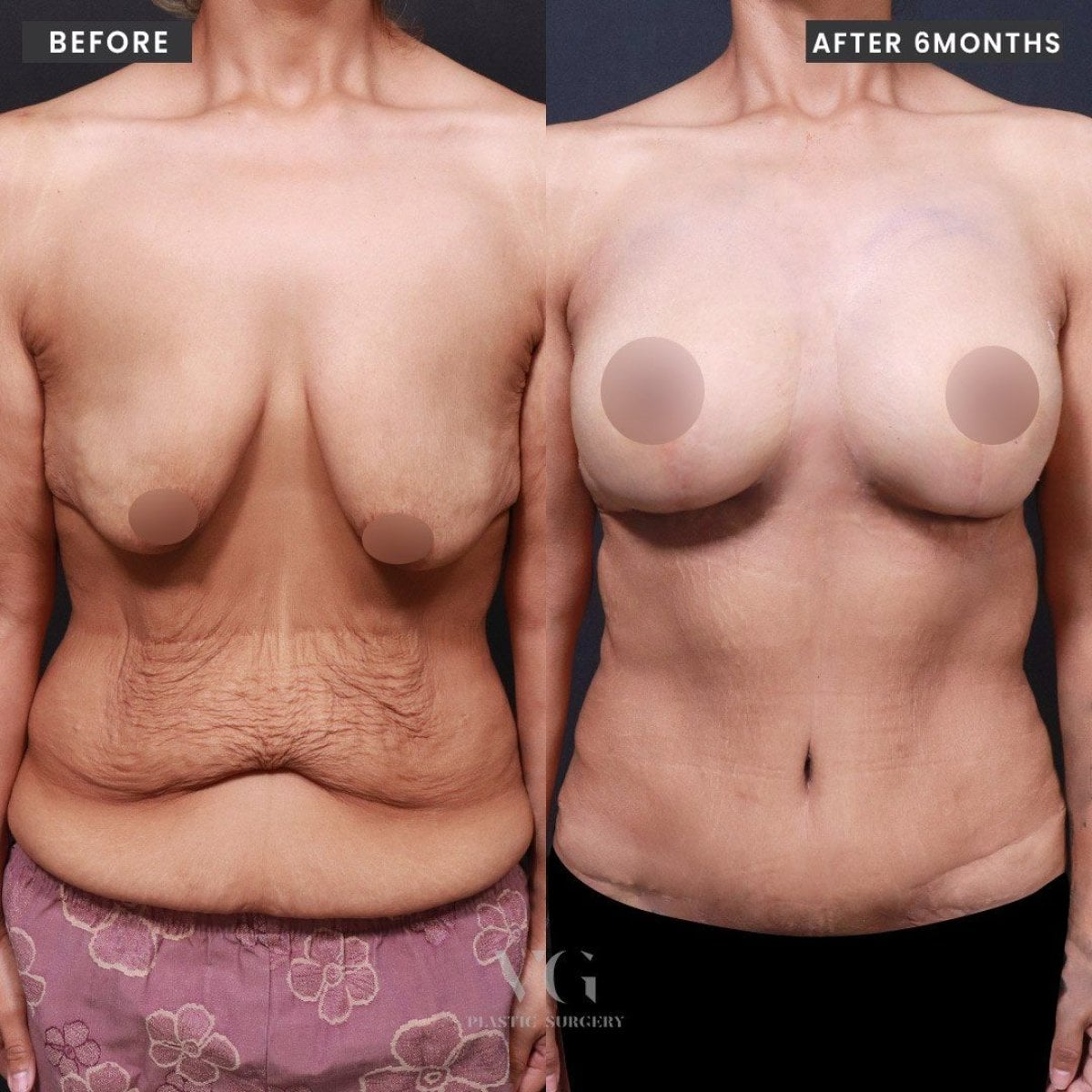
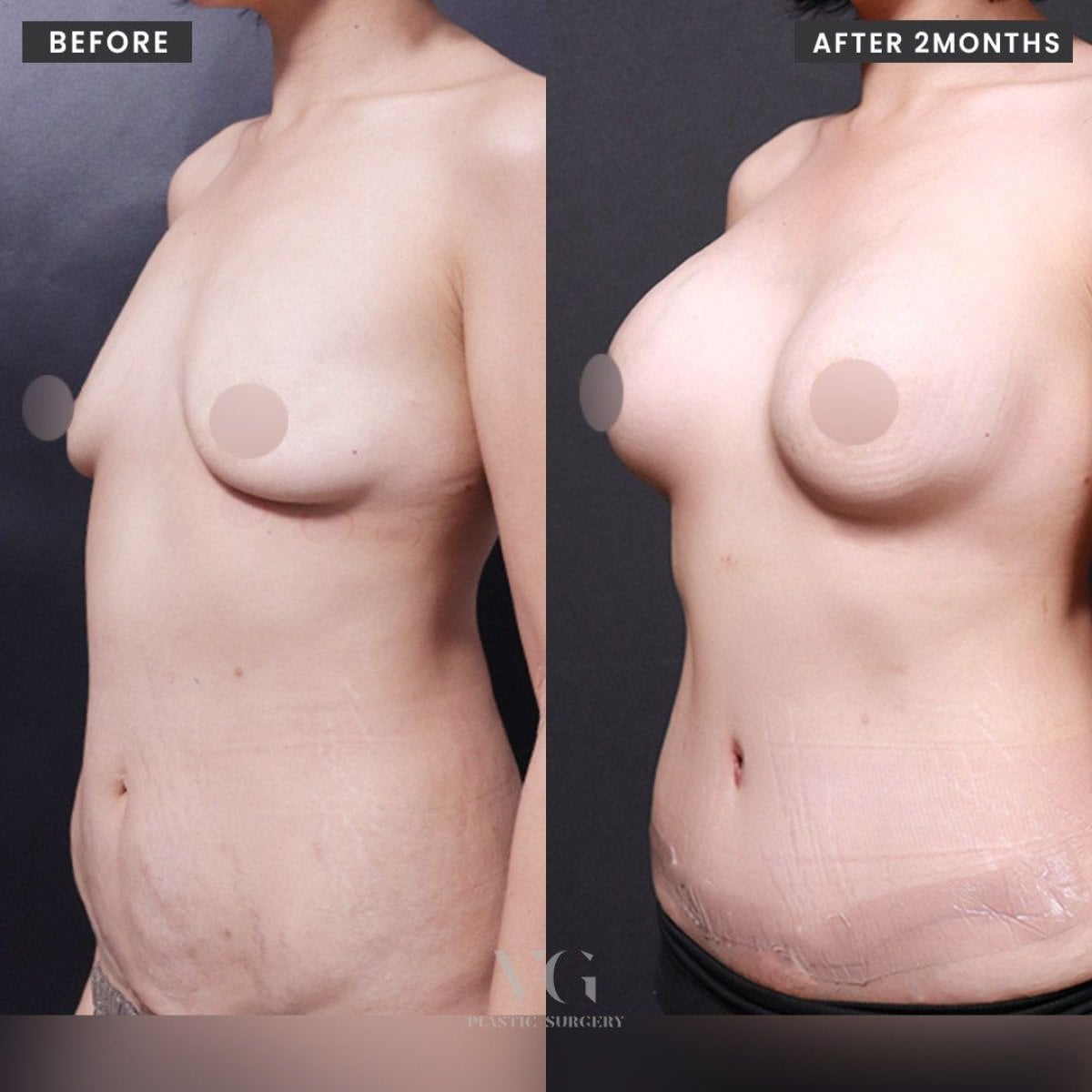
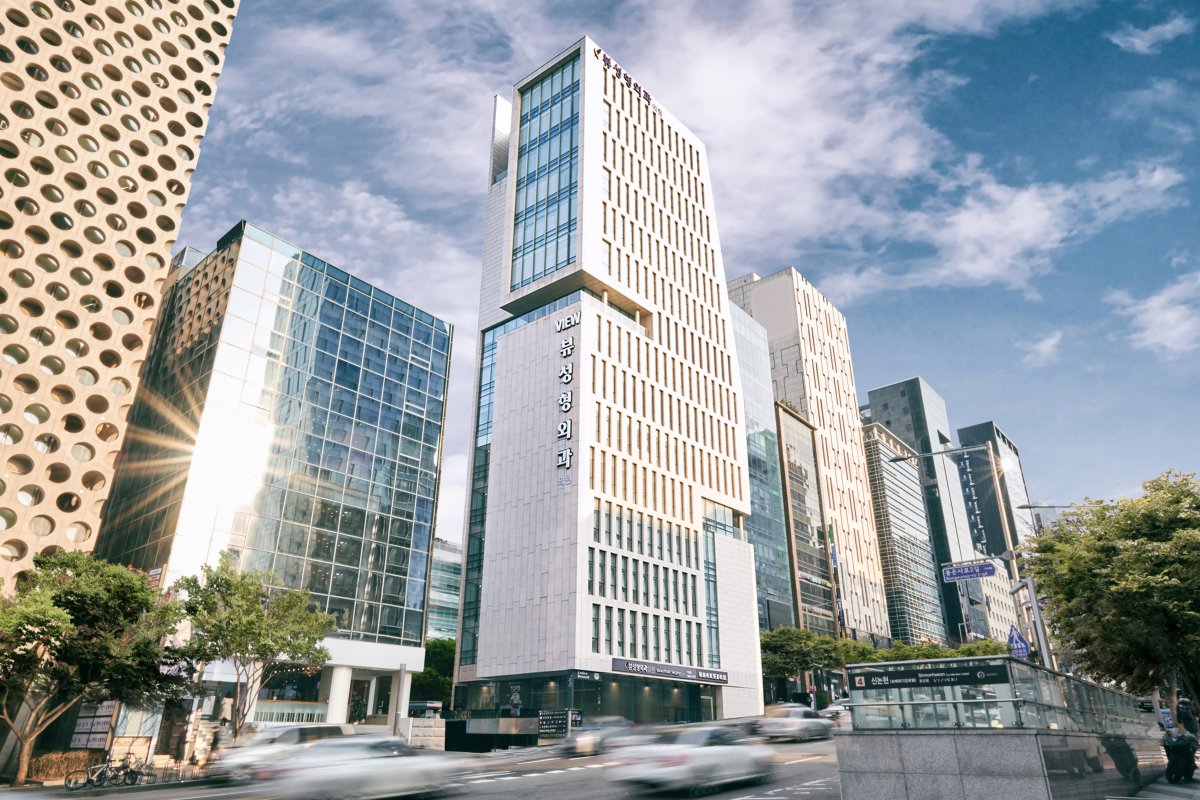
View Plastic Surgery Hospital
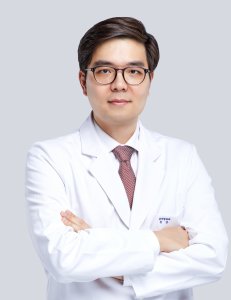
Chung Jae Hyun

Banobagi Clinic

Wooa Plastic Surgery Center

Evita Clinic
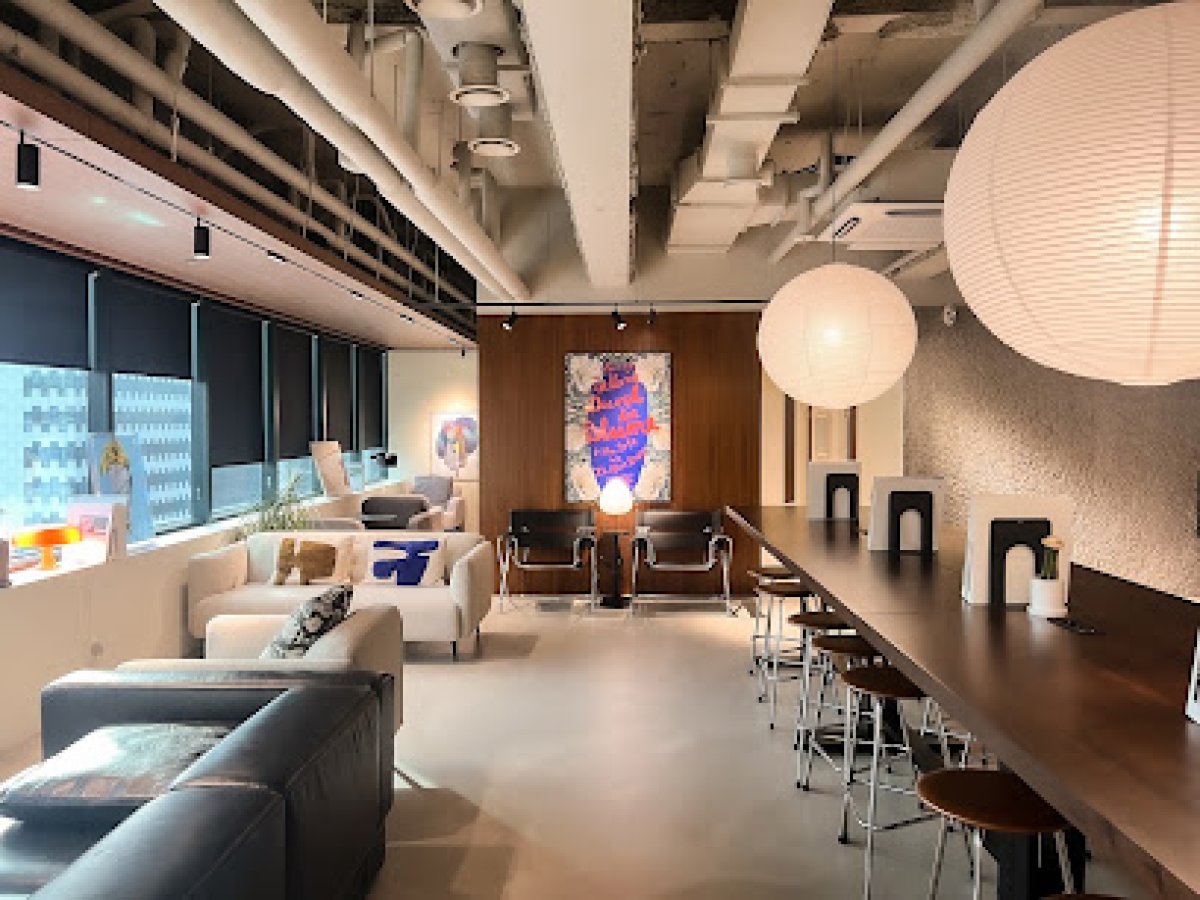
Breast Implants with Breast Lift in Republic of Korea: Your Travel Plan
Day 1: Arrival in Republic of Korea
- You arrive at the airport in the Republic of Korea. Ensure you have all necessary travel documents, including your passport and visa if required.
- You should check into your pre-booked hotel accommodation. Choose a hotel close to the clinic for convenience.
- Rest and acclimate to the local time zone. Avoid strenuous activities to prepare your body for the upcoming surgery.
- Contact the clinic to confirm your in-person consultation appointment.
Day 2: Pre-Surgery Consultation
- You attend your consultation at the clinic. This is a crucial step to discuss your expectations and understand the procedure details.
- The surgeon evaluates your body weight and breast size to confirm the suitability of combining breast augmentation with a breast lift.
- Discuss the use of Motiva® implants, known for their natural texture and gravity-adaptive shape.
- Clarify any doubts regarding the procedure, anesthesia, and post-operative care.
- Finalize the surgery date and ensure all paperwork is completed.
Day 3: Pre-Operative Preparations
- You undergo any required pre-surgery tests as advised by the clinic, such as blood tests or imaging.
- Follow any pre-operative instructions provided by the clinic, such as fasting or avoiding certain medications.
- Arrange transportation to and from the clinic for the day of surgery.
- Prepare comfortable clothing for post-surgery, such as loose-fitting tops and a supportive bra.
Day 4: Surgery Day
- You arrive at the clinic at the scheduled time for your breast implants with breast lift procedure.
- The surgeon makes a thin incision around the areola to perform the surgery.
- Motiva® implants are used for augmentation, and a lift is performed to achieve the desired breast contour.
- After the surgery, you are monitored in a recovery room until stable enough to return to your hotel.
- Receive post-operative care instructions, including how to manage pain and care for incisions.
Days 5-10: Initial Recovery Phase
- Rest at your hotel and avoid any strenuous activities or heavy lifting.
- Follow the medication regimen prescribed by the clinic to manage pain and prevent infection.
- Wear the post-surgical bra as advised to support the healing process.
- Attend the clinic for a follow-up appointment to check the surgical site and remove any dressings if necessary.
- Maintain a healthy diet to support recovery, focusing on nutrient-rich foods.
Day 11: Follow-Up and Stitch Removal
- You visit the clinic for a follow-up appointment to assess healing progress.
- The surgeon removes stitches around the areola, typically 7-10 days post-surgery.
- Discuss any concerns or questions about the healing process with your surgeon.
- Receive further instructions on scar care and when you can resume normal activities.
Days 12-14: Continued Recovery and Preparation for Departure
- Continue to rest and gradually increase your activity level as advised by the clinic.
- Prepare for your return trip by ensuring you have all necessary post-operative supplies for home care.
- Confirm your travel arrangements and ensure you have enough time to comfortably reach the airport.
- Contact the clinic if you have any last-minute questions or need additional advice for recovery at home.
Day 15: Departure from Republic of Korea
- You check out of your hotel and travel to the airport for your return flight.
- Ensure you have the clinic's contact information for any post-operative questions once you return home.
- Continue following the recovery plan provided by the clinic, and schedule follow-up appointments with your local healthcare provider if necessary.
Our Trusted Doctors
View all DoctorsIm Young Min
Board-certified plastic surgeon specializing in natural, aesthetically balanced results – Dr. Im leads VG Plastic Surgery in Seoul.
- Ph.D. in Plastic Surgery from The Catholic University of Korea
- Former Associate Professor at St. Mary's Hospital, training future surgeons
- Active member of the Korean Society for Aesthetic Plastic Surgery
- Recipient of the 2022 Korea's 100 Good Doctors award
Chung Jae Hyun
Dr. Chung Jae Hyun is a board-certified plastic surgeon. He is an Adjunct Professor at Korea University Medical Center. He earned his medical degree from Korea University College of Medicine. He completed plastic surgery training at Korea University Medical Center. His practice focuses on reconstructive and aesthetic breast surgery.
He completed a fellowship at the Breast Reconstruction Center, Department of Plastic Surgery, MD Anderson Cancer Center in the United States. He presented at the American Society of Plastic Surgeons (ASPS) meeting in 2013 in San Diego.
His accreditations and memberships include the Korean Medical Association and lifetime membership in the Korean Society of Plastic and Reconstructive Surgeons. He is also a member of the Korean Society for Aesthetic Plastic Surgery, the Breast Plastic Surgery Research Council (KSPRS), IPRAS, and the Motiva Korea Ambassador Review Panel.

Kim Young Eun
Board Certified Surgeon and Head Professor at SoonChunHyang University – Dr. Kim combines academic expertise with years of practical experience in plastic surgery.
- Graduated from Yonsei University's School of Medicine – one of Korea's top institutions
- Senior leadership roles in multiple Korean plastic surgery associations
- Specializes in both reconstructive and aesthetic breast procedures
- Currently practicing at Wonjin Plastic Surgery Clinic

Kim Kyu Hee
Board-certified surgeon specializing in breast implants with lifts at Wonjin Plastic Surgery Clinic.
- Member of the Korean Society for Aesthetic Plastic Surgery
- Researched breast surgery techniques at Soonchunhyang University
- Trained at Soonchunhyang University Hospital
- Assistant administrator at Soonchunhyang University Hospital
Video Stories from Bookimed Patients
Reviews about Bookimed: Discover Patients' Insights
All reviews




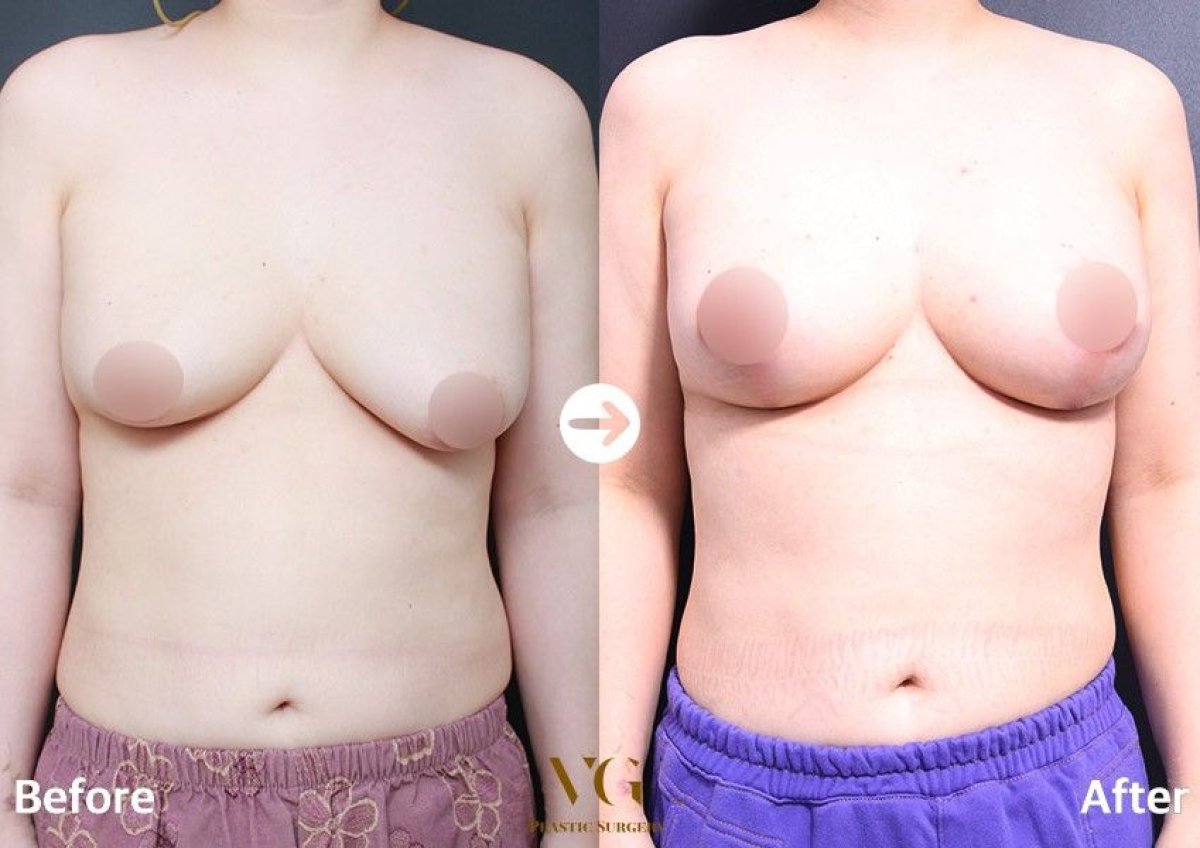
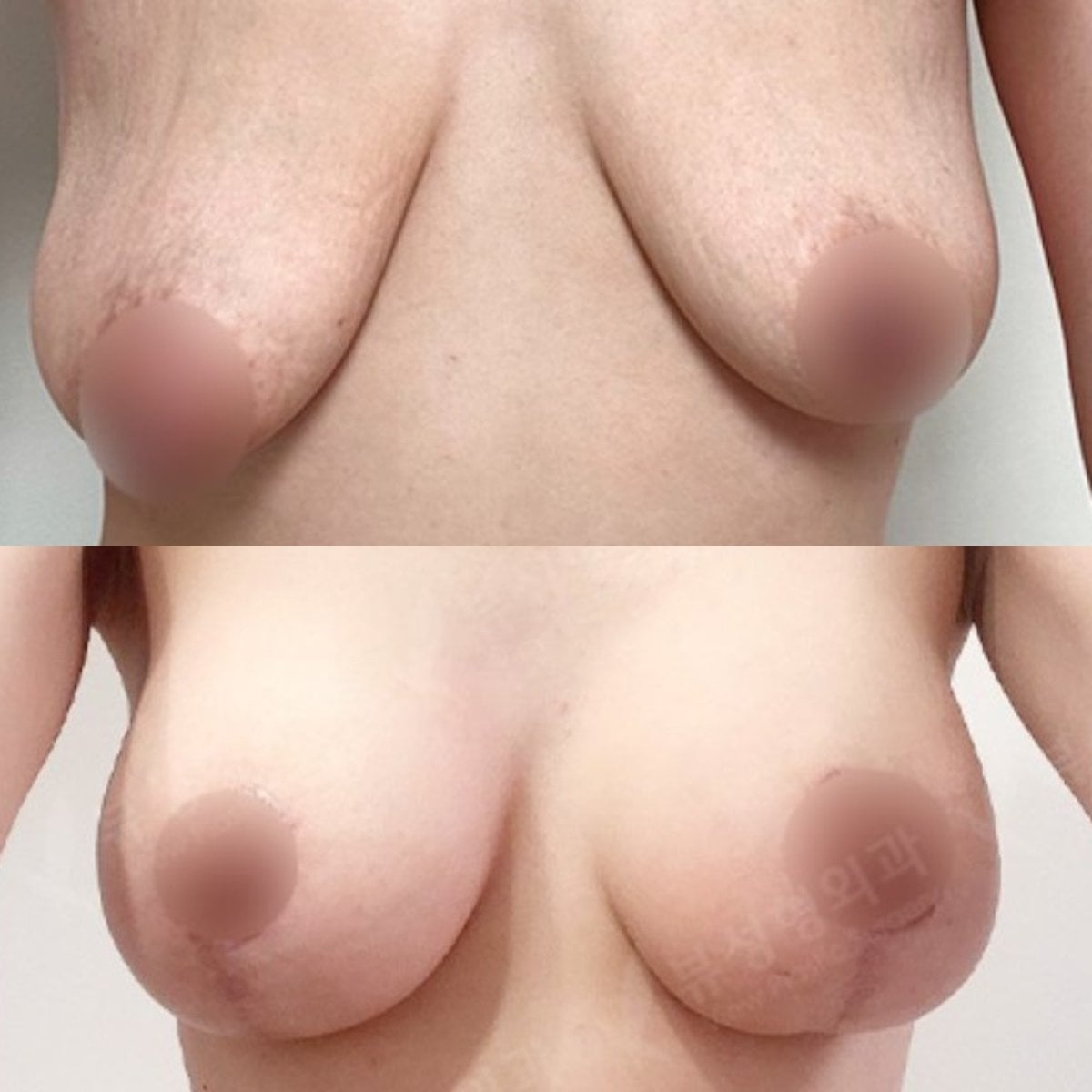
Breast Implants with Breast Lift: Before & after photos
View all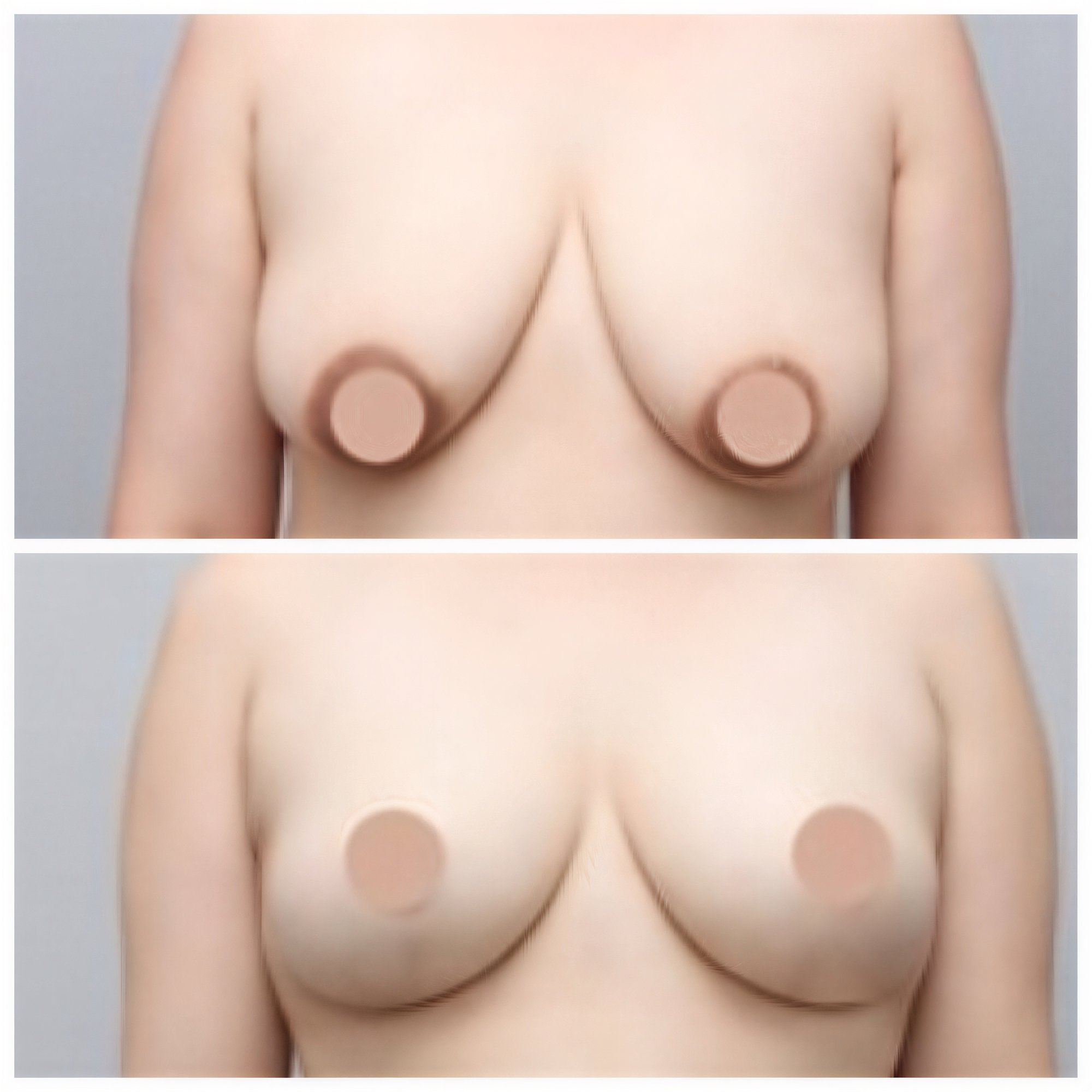
Share this content
 Anna Leonova

Fast Facts about Breast Implants with Breast Lift
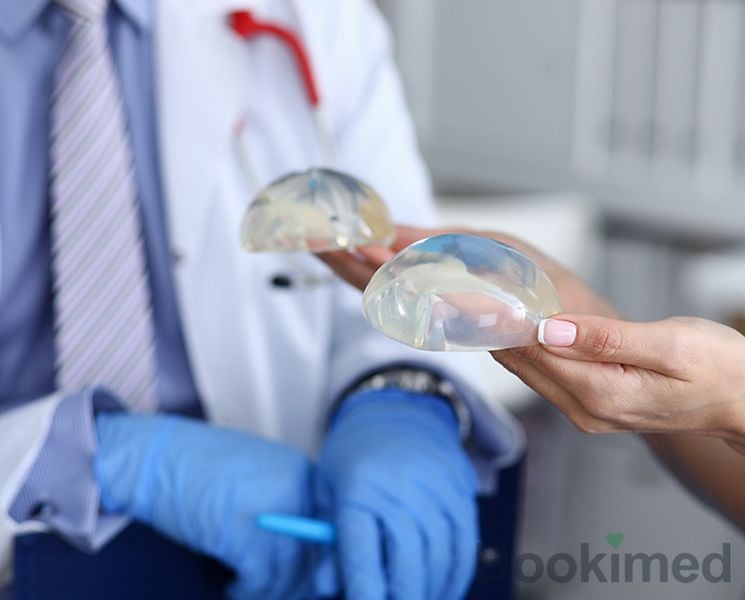
Breast Implants with Breast Lift
This procedure combines breast augmentation and mastopexy to enhance size and lift sagging breasts.
FAQ about Breast Implants with Breast Lift in Republic of Korea
Are there specific risks for the combined breast implant and breast lift surgery?
Combined breast augmentation and mastopexy involves specific risks like compromised blood flow to the nipple and recurrent sagging due to implant weight. While surgeons in the Republic of Korea utilize advanced internal support, patients face higher revision rates compared to standalone procedures.
- Tissue necrosis: Reduced blood supply may cause tissue or nipple-areola complex death.
- Recurrent ptosis: Implant weight can cause newly lifted breast tissue to sag prematurely.
- Implant malposition: Repositioning tissue makes creating a stable, permanent implant pocket more difficult.
- Sensory changes: Extensive tissue work leads to permanent nipple sensation loss in 5% of cases.
- Wound dehiscence: The invasive nature increases risks of incision reopening, specifically at T-junctions.
Bookimed Expert Insight: Data from leading Seoul clinics like JK Plastic Surgery Center shows that over 85,000 procedures lead to specialized techniques like internal mesh or fascial support. These reinforcements are critical because heavy implants on lifted tissue often settle lower than expected within 6–12 months. Requesting these specific support methods during your consultation in Gangnam can significantly reduce the need for future revisions.
Patient Consensus: Patients report that while Korean surgeons excel at minimizing scars, the physical recovery is significantly more intense than a standard augmentation. Many advise waiting 12 months before judging the final shape as tissues continue to settle.
What is the standard recovery timeline after a breast lift with implants in Korea?
Recovery after a breast lift with implants in Korea typically requires 7 to 10 days for initial healing and up to 6 months for complete stabilization. Patients often return to sedentary work within 14 days, benefiting from advanced Korean protocols like lymphatic drainage and LED therapies.
- Hospital stay: Most patients stay in the hospital for 1 to 3 nights for monitoring.
- Stitch removal: Surgeons typically remove stitches between day 7 and 10 of the recovery period.
- Activity limits: Avoid raising arms above 90 degrees during the first 7 days after surgery.
- Full results: Implants usually drop into a natural position and settle by the 6-month mark.
Bookimed Expert Insight: Korea's high patient volume, with JK Plastic Surgery Center serving 6,000 medical tourists annually, has refined specialized post-op care. These clinics often utilize hyperbaric oxygen therapy and peri-areolar lift techniques. Data suggests these protocols can potentially halve bruising time compared to standard recovery methods.
Patient Consensus: Expect a feeling of tightness similar to overfilled balloons for the first 3 months. Many patients highlight that using specialized compression garments is vital for comfort and maintaining the early surgical shape.
Which incision techniques do Korean specialists prefer for different degrees of sagging?
Korean specialists select breast lift incisions based on the degree of ptosis and desired implant volume. Surgeons in Seoul prioritize minimizing visible scarring by using periareolar and vertical lollipop techniques for mild to moderate sagging, while reserving the inverted-T anchor method for severe cases only.
- Mild sagging: Periareolar incisions around the nipple are preferred for nipple drops under 2cm.
- Moderate sagging: Vertical lollipop incisions effectively lift tissue while reducing traditional horizontal scarring.
- Severe sagging: Traditional anchor incisions are modified to reduce horizontal scar length by 30%.
- Minimally invasive: Endoscopic techniques via the armpit are used for very minor repositioning needs.
Bookimed Expert Insight: Data from top Seoul clinics like Wonjin and JK Plastic Surgery shows a trend toward combining vertical incisions with moderate-sized implants. Korean surgeons often advise against implants over 400cc when using the lollipop technique. Smaller implants allow the vertical incision to maintain its shape better during the 6-month healing phase without stretching the scar.
Patient Consensus: Patients frequently emphasize the importance of choosing a surgeon experienced with Asian skin healing to prevent hypertrophic scarring. Many recommend requesting a lollipop lift over an anchor whenever possible to keep the surgical footprint small.
What criteria should I use when selecting a Korean clinic for augmentation mastopexy?
Select a Korean clinic based on KSPRS board certification and a documented portfolio of at least 100 augmentation mastopexy cases. Priority should be given to facilities offering 1-year free touch-ups and 2-week inclusive recovery stays in Seoul to ensure proper healing and lift-implant synergy.
- Surgeon certification: Verified membership in the Korean Society of Plastic and Reconstructive Surgeons is mandatory.
- Clinical safety: Top centers like JK Plastic Surgery maintain 100% success rates and KAHF accreditation.
- Procedural technique: Expert surgeons use dual-plane placement and precise lift-implant synergy to avoid complications.
- Post-op support: Leading clinics like Banobagi provide strict post-operative protocols and 12-month touch-up guarantees.
Bookimed Expert Insight: While many seek low prices, Bookimed data shows high-tier results correlate with boutique clinics performing only 1–2 surgeries daily. Centers like JK Plastic Surgery, with over 20 years of history, emphasize safety over volume. This focus helps prevent the double-bubble effect common in rushed combined procedures.
Patient Consensus: Patients emphasize that in-person consultations are vital for accurate sizing. They frequently recommend booking a full 2-week stay in Seoul to manage the rigorous initial recovery phase effectively.
How long should I plan to stay in South Korea after the procedure?
Most patients require a 10 to 14 day stay in South Korea following breast implants with a lift. This timeframe allows surgeons to monitor for early complications, manage peak swelling, and ensure safe stitch removal before patients clear medical protocols for long-haul international flights.
- Initial recovery: Drains typically remain for 3 to 5 days to prevent fluid buildup.
- Stitch removal: Surgeons usually remove external sutures between day 7 and day 10.
- Flight safety: Medical clearance for travel is rarely granted before day 10 to prevent DVT.
- Buffer time: High humidity in Seoul may increase swelling, requiring 3 extra days of rest.
Bookimed Expert Insight: While many clinics offer a 7-day fast-track, our data shows top-tier facilities like JK Plastic Surgery Center favor 12 to 14 days for combined procedures. This surgical complexity requires more monitoring than implants alone, specifically for nipple-areola complex healing and symmetry checks before the patient leaves Seoul.
Patient Consensus: Travelers recommend booking flexible airline tickets for a 3-week window. They often highlight that daily check-ins at clinic-affiliated hotels in Gangnam provide essential support for those recovering without a companion.