Fraxel Laser Treatment in Republic of Korea — get 3 top clinic matches with costs
Fraxel laser treatment in the Republic of Korea costs $170 to $800, about 71% less than the US average of $1,700 (Bookimed data, November 2026). Bookimed lists 2 fraxel laser treatment clinics in the Republic of Korea, all in Seoul. These clinics are rated 4.8/5 in 19 verified patient reviews on Bookimed.


Medically reviewed by
Fahad Mawlood
How it works
How Much Does Fraxel Laser Treatment Cost in Republic of Korea?
Fraxel Laser Treatment in the Republic of Korea typically costs from $170 to $800. The final price depends on the laser wavelength used, treatment area, and clinic tier. Patients save around 71% compared to the US, where sessions average $1,700. Standard sessions usually include a primary dermatologist consultation, topical numbing, and professional post-laser soothing care.
- Full face session: $170 to $800 for comprehensive skin resurfacing.
- Partial face treatment: Typically costs 40-50% less when targeting specific areas like cheeks.
- Fraxel Dual technology: Often commands a 30-50% premium due to specialized dual-wavelength protocols.
- Multi-session packages: Bundling three to five sessions can reduce the per-visit cost by 30%.
Bookimed Expert Insight: Choosing a high-volume specialized clinic in Seoul offers the best value. BIOFACE Clinic alone serves 25,000 patients annually with advanced protocols. Facilities like VG Plastic Surgery and BIOFACE are KOIHA accredited, ensuring hospital-grade safety standards. Experts like Jooyoung Park have trained over 300 physicians, meaning you receive treatment from masters of the craft at mid-range prices.
| Republic of Korea | Turkey | The USA | |
|---|---|---|---|
| Fraxel Laser Treatment | from $170 | from $250 | ≈ $1,100 |
Discover the Best Fraxel Laser Treatment Clinics in Republic of Korea: 7 Verified Options and Prices



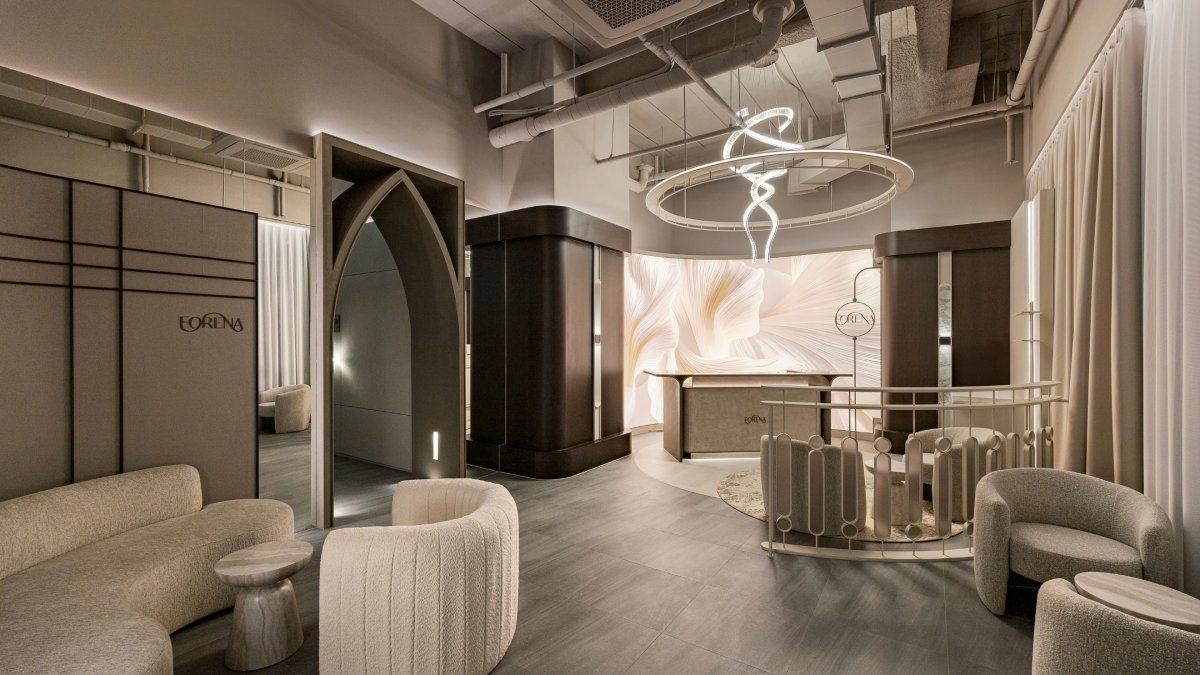
Forena Clinic
Yeom Jihye


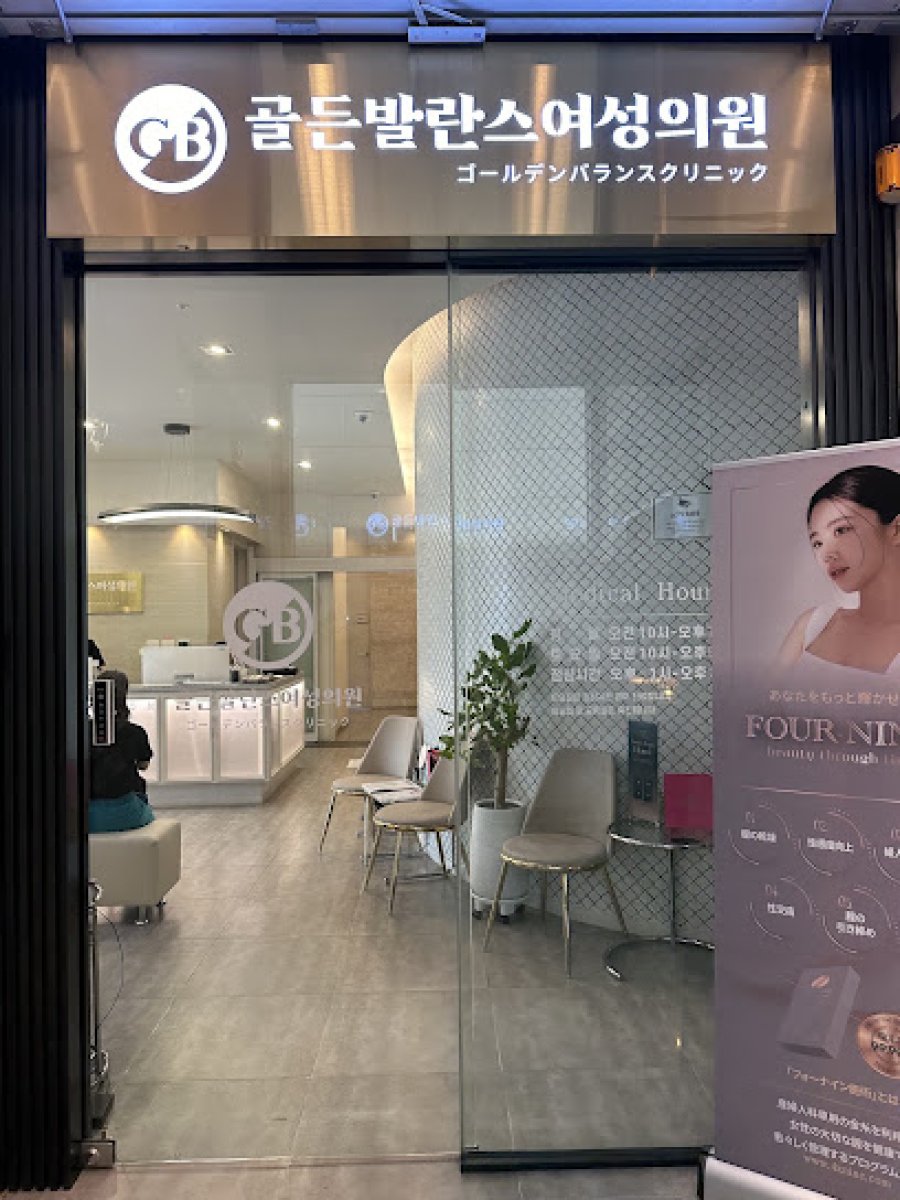
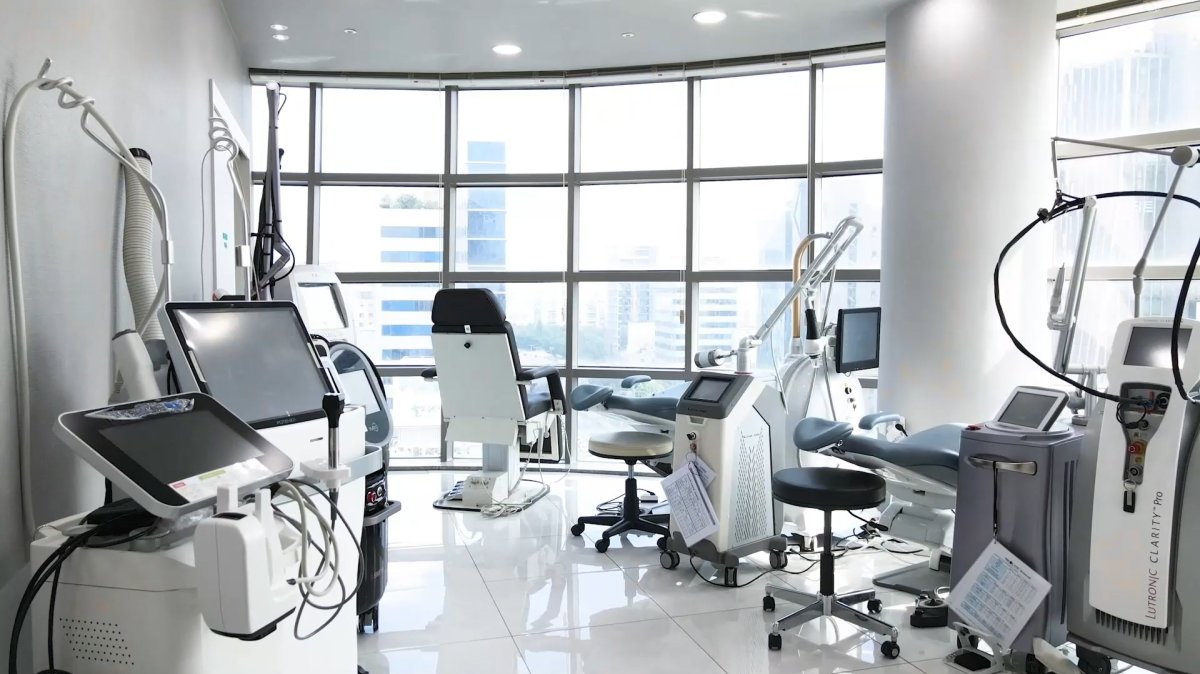

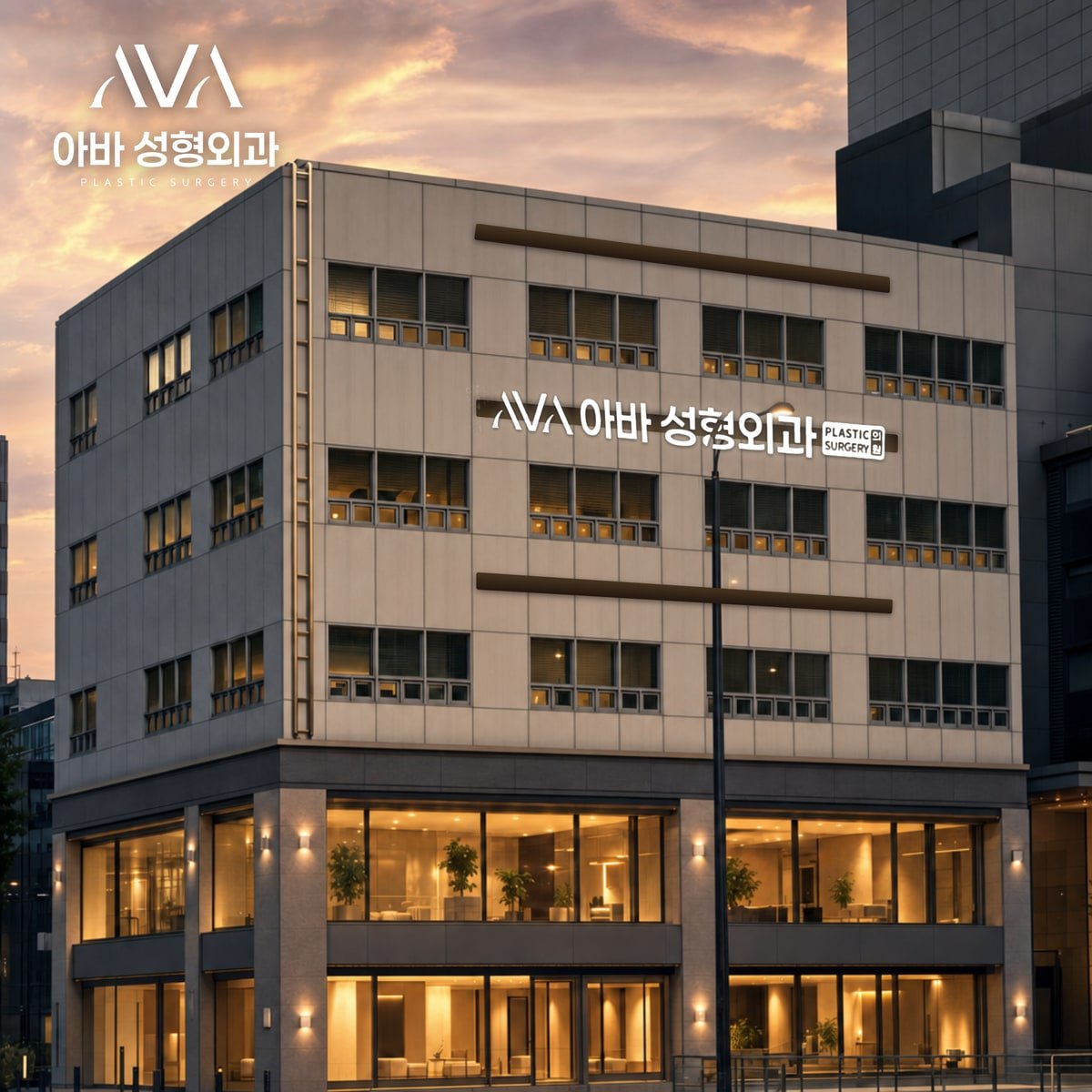
AVA Plastic Surgery
Fraxel Laser Treatment Overview in Republic of Korea
- Laser Skin Resurfacing - from $300This therapy rejuvenates the skin by removing damaged layers, encouraging collagen production for a smoother appearance.
- Face bump removal - from $300The operation helps eliminate skin irregularities, especially on the face, for smoother, more appealing skin.
- Fraxel Laser Treatment - from $170This non-surgical procedure uses a specialized laser to improve skin texture and tone by targeting damaged skin cells and stimulating collagen production for faster recovery.
- CO2 Laser Treatment - from $220Usage a carbon dioxide laser to remove layers of damaged skin, promoting collagen production and improving texture with minimal recovery time.
- Bookimed deposit: $200 or €200.
- Clinic deposit: Pay a set percentage in advance.
Our Trusted Doctors
View all DoctorsYeom Jihye
Dr. Yeom Jihye is a dermatologist at Forena Clinic in Seoul. She has performed over 14,000 procedures in aesthetic and obesity medicine. She is a member of the American Academy of Dermatology. Dr. Yeom completed a clinical observership program at UCLA. She serves as a lifetime member of the Korean Society for Laser Dermatology and Hair Restoration.
- Specializes in skin rejuvenation, laser treatments, and anti-aging stem cell therapy.
- Treats obesity using non-surgical slimming programs and metabolic medicine.
- Maintains membership in the Korean Society of Aesthetic Plastic Surgery and Laser Medicine.
- Works at an AAD-accredited clinic featured in Harper’s Bazaar Singapore.
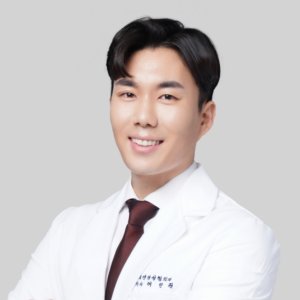
Yeo In Gwon
Dr. Yeo In Gwon is a board-certified dermatologist at Lienjang Plastic Surgery & Dermatology Center in Seoul. He graduated from Chung-Ang University College of Medicine. He completed a dermatology residency at Chung-Ang University Hospital. He earned a Ph.D. in Dermatology from Chung-Ang University College of Medicine.
He is a member of the Korean Dermatological Association, Korean Acne & Rosacea Society, Korean Society of Dermatologic Laser Surgery, Korean Society for Dermatologic Surgery, and Korean Society for Anti-Aging Dermatology. His clinical focus is medical and cosmetic dermatology. Areas of interest include acne, rosacea, pigmentation disorders, and skin aging. He provides evidence-based care and uses laser and minimally invasive procedures.
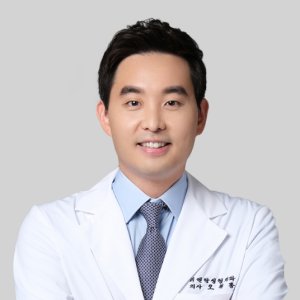
Oh Won Jong
Dr. Oh Won Jong is a board-certified dermatologist at Lienjang Plastic Surgery & Dermatology Center in Seoul. He completed his dermatology residency at Chung-Ang University Hospital. His training covered diagnosis and treatment of varied skin diseases and aesthetic dermatology.
He is a member of the Korean Dermatological Association, the Korean Acne & Rosacea Society, and the Korean Society of Dermatologic Laser Surgery. He also belongs to the Korean Society for Dermatologic Surgery and the Korean Society for Anti-Aging Dermatology. These memberships help him stay current with clinical standards.
His practice focuses on medical and aesthetic dermatology. He provides personalized care for acne, rosacea, pigmentation disorders, and age-related concerns. He uses advanced lasers and evidence-based protocols.

Ro Youngwoo
The doctor is a board-certified dermatologist with extensive expertise in clinical and aesthetic dermatology. With a strong professional background, the doctor has served as the Director of the Oracle Dermatology Apgujeong Branch and currently holds the position of Director at the Oracle Dermatology Cheongdam Branch.
The doctor maintains active memberships in several prestigious medical organizations, including the Korean Academy of Dermatology, the Korean Society of Dermatologic Surgeons, the Korean Laser Society, and the Korean Society of Aesthetic Dermatology, reflecting a commitment to high standards in dermatological care and surgical procedures.
Video Stories from Bookimed Patients
Reviews about Bookimed: Discover Patients' Insights
All reviewsShare this content
 Anna Leonova

FAQ about Fraxel Laser Treatment in Republic of Korea
What pre-treatment medications or topicals must be stopped?
Patients undergoing Fraxel Laser Treatment in Republic of Korea must stop using retinoids and exfoliants like AHAs or BHAs at least 7 days before their session. Avoiding blood thinners and specific supplements for 1 week helps reduce bruising and ensures optimal skin healing during the resurfacing process.
- Topical retinoids: Stop Tretinoin, Retin-A, or Bakuchiol 7–14 days before treatment.
- Chemical exfoliants: Discontinue glycolic, salicylic, and lactic acids 5–7 days prior.
- Blood thinners: Avoid aspirin, ibuprofen, fish oil, and vitamin E for 10 days.
- Photosensitizing agents: Halt benzoyl peroxide and certain antibiotics 3 days before laser.
Bookimed Expert Insight: Leading Seoul clinics like BIOFACE and Oracle Clinic Cheongdam often mandate a stricter 14-day break from hydroquinone. Korean dermatologists prioritize preventing post-inflammatory hyperpigmentation, a common concern for Asian skin types, by ensuring the skin barrier is fully stabilized before applying laser energy.
Patient Consensus: Many patients recommend requesting a clinic-specific checklist 2 weeks early to coordinate stopping actives. Swapping to ceramide-based cleansers early helps maintain moisture levels after pausing regular skincare routines.
What criteria should I use to select a reputable clinic in Korea?
Select a reputable clinic in Korea by verifying Ministry of Health and Welfare registration and Korean Accreditation Program for Hospitals (KAHF) or JCI status. Prioritize board-certified dermatologists, who represent only 2% of practitioners, and clinics using genuine, certified laser devices like Fraxel Dual.
- Medical certification: Ensure physicians are board-certified dermatologists (피부과 전문의) for specialized skin care.
- Official registration: Confirm the facility is licensed by the Ministry to treat international patients.
- Technology transparency: Request verification of authentic equipment tips and cartridges before your treatment begins.
- Specialized experience: Choose clinics like BIOFACE or Oracle Cheongdam that serve over 25,000 patients annually.
Bookimed Expert Insight: While many high-volume clinics in Gangnam offer lower rates, elite facilities differentiate themselves through physician education. For instance, Dr. Jooyoung Park at BIOFACE has trained over 300 physicians in advanced techniques. Choosing a clinic where doctors teach other doctors ensures you receive the most precise laser settings, significantly reducing the risk of post-treatment burns.
Patient Consensus: Experienced patients suggest booking a single test session before committing to a full series to evaluate how your skin responds. They emphasize ensuring the doctor personally performs the laser treatment rather than delegating it to technicians.
How many Fraxel Laser sessions are normally required to achieve optimal results?
Most patients require 3 to 5 Fraxel laser sessions to achieve optimal results. While sun damage may improve in 1 to 2 visits, deeper acne scarring or wrinkles typically necessitate a full series. Each session treats 15–20% of the skin to ensure safe healing.
- Treatment interval: Sessions are scheduled 4 to 6 weeks apart for collagen production.
- Skin type factor: Asian skin often requires 4 or more sessions to prevent hyperpigmentation.
- Full series importance: Significant 80–90% improvements usually appear only after finishing the entire course.
- Maintenance schedule: Annual follow-up sessions help sustain skin rejuvenation and texture long-term.
Bookimed Expert Insight: Clinical data from Seoul centers like Oracle Clinic Cheongdam highlights a volume-based quality signal. Top-tier Korean dermatologists often manage 25,000+ patients annually. This high patient volume allows surgeons to refine settings for diverse skin concerns. Some specialized clinics also offer package deals that reduce costs by 20–30% compared to single-session bookings.
Patient Consensus: Many patients regret stopping after 2 sessions. They report that the most dramatic transformations in skin texture and scar reduction only become visible after the third or fourth treatment.
Is Fraxel Laser painful and how is discomfort managed?
Fraxel Laser is a moderately uncomfortable procedure often described as a warm, prickly sensation or rubber bands snapping against the skin. Most patients rate the pain between 3 and 5 on a 10-point scale when clinical numbing protocols and advanced cooling systems are used.
- Numbing preparation: Prescription-strength topical anesthetic is applied 45 to 60 minutes before the laser session.
- Cooling technology: Devices like the Zimmer hose blow continuous cold air to soothe heated skin.
- Pain variation: Non-ablative Restore treatments are milder while ablative Repair sessions may require local injections.
- Post-care relief: Clinics provide cold compresses and refrigerated ointments to manage the initial sunburn sensation.
Bookimed Expert Insight: Leading Seoul clinics like BIOFACE and Oracle Clinic Cheongdam treat over 25,000 patients annually using multi-modal protocols. Our data shows specialized centers often layer forced-air cooling with medical-grade soothing masks specifically to reduce the high-intensity heat. This approach allows doctors to use effective settings while maintaining patient comfort during the 20-minute procedure.
Patient Consensus: Patients describe the sensation as a thousand bee stings or sandpaper on a sunburn. While the discomfort peaks during the pulses, proper numbing makes the experience manageable for most people.
How long after Fraxel Laser will it take to look socially presentable again?
Most patients look socially presentable 5 to 7 days after Fraxel Laser in the Republic of Korea. While redness and swelling peak in the first 48 hours, the bronzing and peeling phases typically resolve by the end of one week.
- Healing phases: Redness mimics sunburn for 2 days followed by bronzing and sandpaper texture.
- Peeling stage: Significant flaking occurs between days 4 and 6 as old skin sheds.
- Concealment: Patients safely apply mineral makeup or tinted sunscreen starting from day 3.
- Social readiness: Most return to work by day 7 as lingering pinkness fades naturally.
Bookimed Expert Insight: Clinics in Seoul often use conservative energy settings compared to US practices. This strategic approach minimizes intense downtime while achieving similar resurfacing results. Expert specialists like Jooyoung Park at BIOFACE Clinic emphasize this balance to ensure international patients recover within a standard 5-day travel window.
Patient Consensus: Patients report that skin looks most challenging on days 3 and 4 during peak exfoliation. Many suggest using heavy recovery creams to reach a social-ready glow by day 5.
How long do Fraxel Laser results last and will I need more treatments later?
Fraxel Laser results in the Republic of Korea typically last between 1 and 2 years, though strict sun protection can extend benefits up to 5 years. While the laser permanently remodels collagen, natural aging necessitates maintenance sessions every 12 to 24 months to preserve skin texture and clarity.
- Longevity range: Results generally remain visible for 1 to 2 years based on lifestyle.
- Peak improvement: Transformation usually peaks 3 to 6 months after the final treatment session.
- Maintenance schedule: Annual or biannual follow-up treatments help lock in long-term structural gains.
- Session requirements: Most patients need 3 to 5 sessions spaced 4 weeks apart.
Bookimed Expert Insight: Korean dermatologists often suggest Fraxel Dual combinations, which utilize both 1550nm and 1927nm wavelengths. Data shows these combined protocols at clinics like BIOFACE Clinic or Oracle Clinic Cheongdam provide superior durability compared to standard treatments. This approach specifically targets both deep scarring and surface pigmentation in a single series.
Patient Consensus: Patients report that while initial brightness appears within days, the most significant firming happens after 3 months. Many emphasize that using high-potency retinoids and SPF 30+ daily is the only way to prevent results from fading prematurely.
Which skin issues does Fraxel Laser reliably improve?
Fraxel Laser reliably treats pigmentation issues, acne scarring, and aged skin texture by replacing damaged tissue with new collagen. This fractional technology is highly effective for sun spots, melasma, and fine lines, typically achieving peak results 2 to 3 months after a full treatment series.
- Pigment correction: Fades sun damage, age spots, and melasma with 70–90% improvement in most cases.
- Scar remodeling: Significantly reduces atrophic acne scars, including rolling and boxcar types, through collagen stimulation.
- Texture refinement: Smooths rough skin, minimizes enlarged pores, and enhances overall radiance and skin tone.
- Medical applications: Effectively treats actinic keratosis, which helps lower the risk of future skin cancer.
Bookimed Expert Insight: While US protocols often favor conservative energy settings, leading Seoul clinics like BIOFACE use more aggressive laser parameters for faster results. This approach often achieves significant skin clearing in 3 sessions rather than 5, though it requires stricter post-care compliance to manage the increased temporary redness.
Patient Consensus: Patients report the best results for sun spots and shallow acne scars after 3–6 sessions. Those with darker skin tones emphasize the importance of patch tests to verify safety and prevent post-treatment marks.
What post-treatment care is essential after Fraxel to avoid complications?
Essential Fraxel post-treatment care focuses on restoring the skin barrier while preventing hyperpigmentation and infection. Patients must prioritize aggressive hydration with occlusive ointments, strict mineral sun protection, and passive exfoliation. In South Korea, KOIHA-accredited clinics like VG Plastic Surgery and BIOFACE Clinic emphasize following specialized cica cream protocols.
- Sun protection: Apply SPF 50+ every 2 hours, even indoors, for 2–4 weeks.
- Moisturization: Use Aquaphor or clinic-provided ointments every 2 hours for 72 hours.
- Active ingredients: Stop retinols, vitamin C, and acids for 7–14 days during healing.
- Physical recovery: Sleep with head elevated on your back to reduce facial swelling.
Bookimed Expert Insight: While many US providers suggest a simple moisturizer, top Seoul dermatologists at Oracle Clinic and BIOFACE often prescribe specific regenerative cica creams. These specialized Korean formulas accelerate the healing of microscopic laser channels. Mixing these with Western brands can sometimes cause irritation, so we recommend sticking to one coordinated brand during the first 7 days.
Patient Consensus: Patients emphasize that resisting the urge to scratch or pick at flaking skin is the hardest but most vital part of recovery. Many found that using antihistamines helped manage the intense itching common in humid climates without risking permanent scarring.
Which type of Fraxel is better for me—non-ablative vs ablative—and what determines the choice?
The choice between non-ablative and ablative Fraxel depends on your skin concerns, downtime tolerance, and skin tone. Non-ablative laser treats mild pigmentation and fine lines with 3–7 days of redness. Ablative laser addresses deep scars and severe wrinkles but requires 14+ days of recovery.
- Treatment depth: Non-ablative heats tissue without breaking the surface; ablative removes outer damaged layers.
- Recovery time: Non-ablative causes 3–7 days of swelling; ablative involves 10–14 days of crusting.
- Results timeline: Non-ablative requires 3–6 sessions; ablative often provides dramatic results in 1–2 sessions.
- Skin safety: Non-ablative is safer for darker skin tones to avoid post-treatment hyperpigmentation risks.
Bookimed Expert Insight: In Seoul, top practitioners like Dr. Jooyoung Park at BIOFACE Clinic often suggest non-ablative Fraxel Dual for Asian patients to minimize melasma flares. Data shows non-ablative options are the most requested because they allow patients to resume social activities almost immediately. While ablative CO2 lasers offer faster results for deep acne scars, the 2-week `oozing` phase makes them less popular for international travelers with tight schedules.
Patient Consensus: Many patients prefer non-ablative treatments to avoid the intense crusting of ablative sessions. Those treating deep scars recommend combining the procedure with tranexamic acid to speed up healing in humid climates.