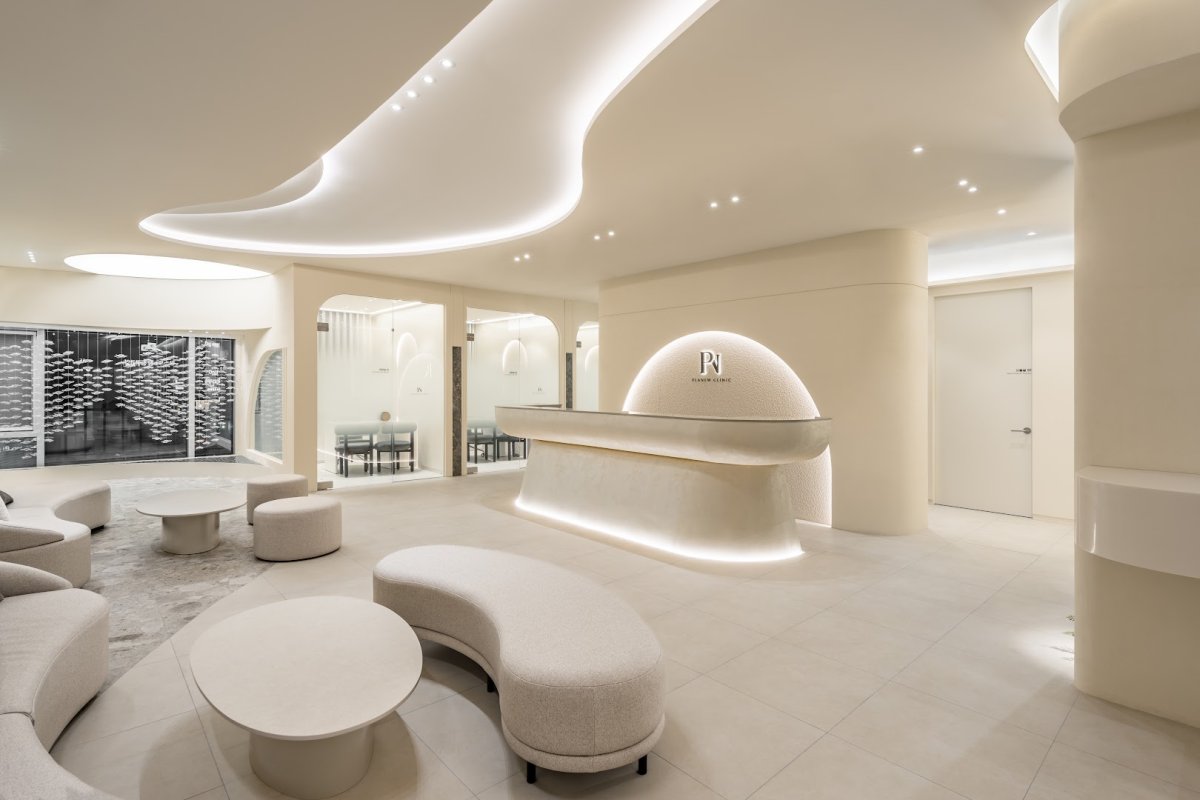
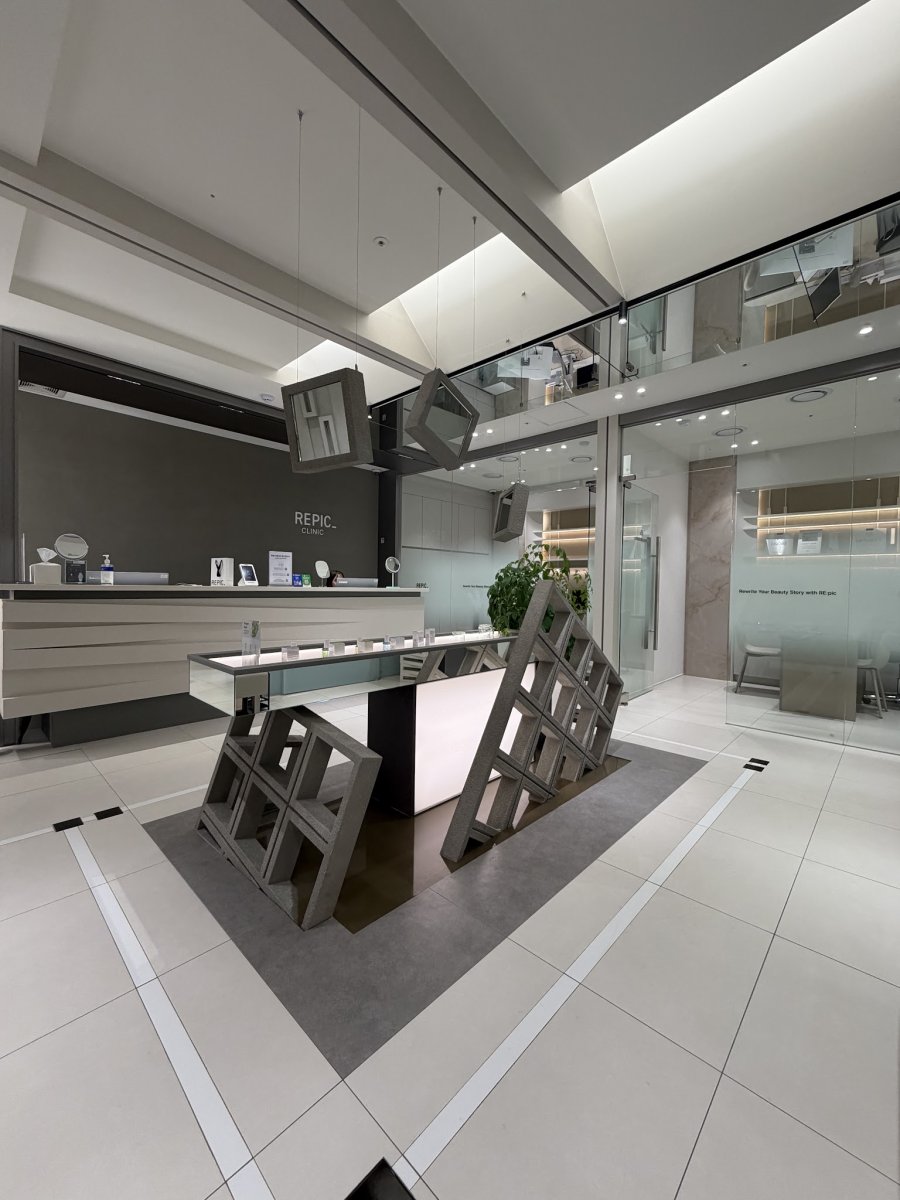
SAERO Plastic Surgery
Republic of Korea, Seoul
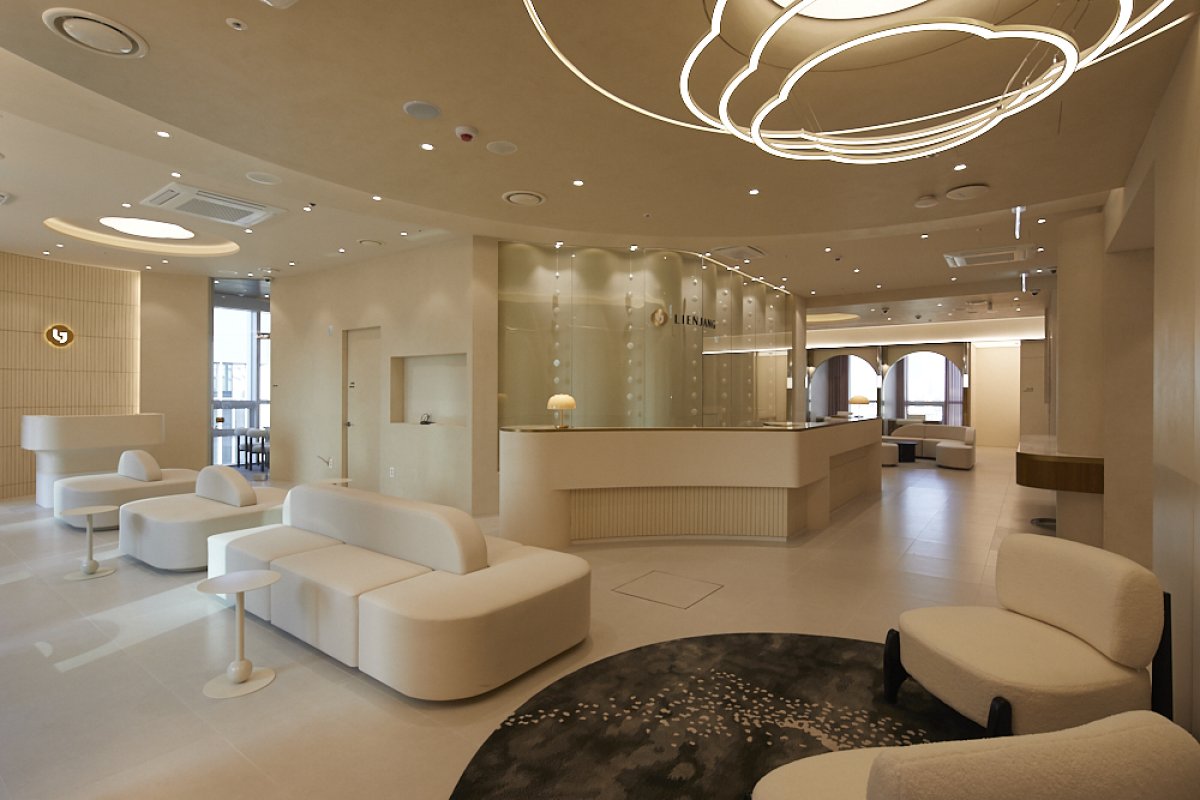
Red light therapy in the Republic of Korea costs $70 to $240, about 59% less than the US average of $170 (Bookimed data, November 2026). It is offered by Lienjang Plastic Surgery & Aesthetic Clinic in Seoul.


Medically reviewed by
Fahad Mawlood
Red light therapy in the Republic of Korea typically costs from $70 to $240. The final price depends on whether the session is standalone or part of a multi-step facial package. In the US, similar treatments cost $170 on average. Patients in Korea save approximately 59%. Sessions generally include skin preparation and soothing light exposure.
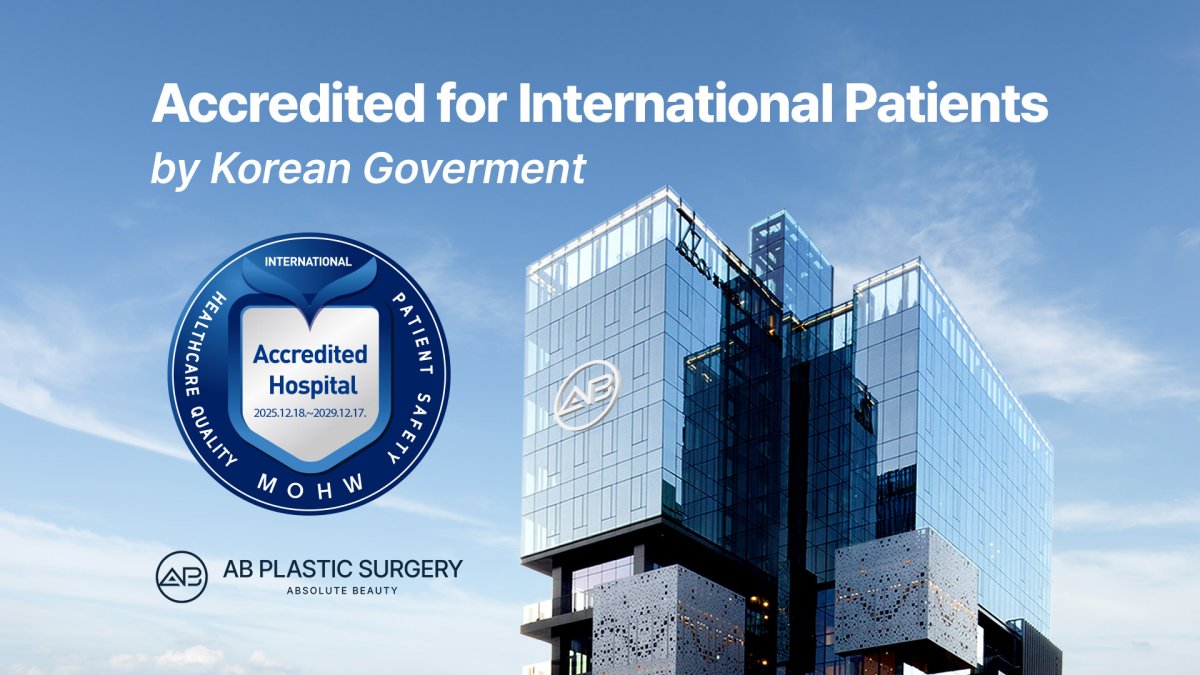
Bookimed Expert Insight: The smartest move is booking LED therapy as an add-on to intensive treatments. Clinics like AB Plastic Surgery, which holds KAHF accreditation, offer high-tier infrastructure for international patients. While standalone sessions are available, the value peaks when bundled with advanced skin boosters. Choosing clinics with board-certified dermatologists, like those at Lienjang, ensures professional oversight during complex aesthetic procedures.
| Republic of Korea | Turkey | The USA | |
|---|---|---|---|
| Red Light Therapy | from $70 | from $300 | ≈ $80 |
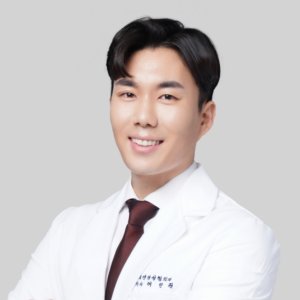


Dr. Yeom specializes in advanced laser and light therapies, with extensive training from UCLA and multiple professional society memberships.
Dr. Yeo In Gwon is a board-certified dermatologist at Lienjang Plastic Surgery & Dermatology Center in Seoul. He graduated from Chung-Ang University College of Medicine. He completed a dermatology residency at Chung-Ang University Hospital. He earned a Ph.D. in Dermatology from Chung-Ang University College of Medicine.
He is a member of the Korean Dermatological Association, Korean Acne & Rosacea Society, Korean Society of Dermatologic Laser Surgery, Korean Society for Dermatologic Surgery, and Korean Society for Anti-Aging Dermatology. His clinical focus is medical and cosmetic dermatology. Areas of interest include acne, rosacea, pigmentation disorders, and skin aging. He provides evidence-based care and uses laser and minimally invasive procedures.
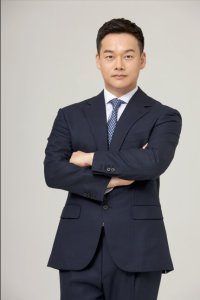
Dr. Jun Young Kim is a board-certified plastic surgeon and the Medical Director of WillBe Plastic Surgery Clinic. He earned his MD at Yonsei University College of Medicine. He completed his plastic surgery residency at Yonsei Medical Center. He holds medical licenses in the United States and Vietnam. He has worked at leading clinics in Korea.
He completed advanced plastic and reconstructive fellowships at the University of Tokyo Hospital and the University of Chicago Hospital. There, he refined his skills in complex aesthetic and reconstructive procedures.
Dr. Kim has published in the Journal of Craniofacial Surgery. His work includes a study on revision medial epicanthoplasty using autologous tissue grafts and a report on secondary cleft nasal deformity correction with bioabsorbable mesh.
 Anna Leonova

Today, South Korea has visa-free agreements with 112 states. None visa is required for stays under 90 days or less. To stay longer in this country, you need a visa. What states need a visa for treatment in South Korea and what countries can cross the border free and easy read here.
Healthcare is the key development sector of the Korean government. The Korean authorities are convinced that care for the citizens' health should be an absolute priority of state policy and spend about 1 billion a year for medical tourists attraction.
According to Mark Britnell, hospitals dominate the health system. 94% of hospitals are privately owned.
According to ASPS statistics, 17.7 mln cosmetic surgeries and 5.8 mln reconstructive procedures have been performed in 2018. Among cosmetic procedures the most popular are:
Tumor removal, laceration repair, maxillofacial surgery, scar revision, hand surgery are the most common operations in the context of reconstructive surgery.
Visas for travel to South Korea require a number of documents. The necessary papers can be submitted 90 days before the planned departure. Lists of documents includes:
Currency | South Korean Won (you also can pay for services in dollars) |
Best period for the trip | April, May & June or September, October & November. |
Language | Korean (most of medical staff speaks English fluently) |
Visa | none required for stays under 90 days or less |
Time difference with Europe | 9 hours |
Time difference with the USA | 9 hours |
Capital | Seoul |
Medical tourism center | Seoul |
Popular resorts | Gangwon-do, Gyeongju, Boseong, Jeju |
In South Korea, hotels of different price ranges and service levels are presented. Most tourists choose 4 and 5 star hotels with all-inclusive meals. Such hotels have everything for a comfortable stay: varied food, a large well-groomed territory, animation for children and adults. Some hotels have their own water park, which guests can use for free. Budget travelers can afford to book an economical 3-star hotel with half board or no meals at all.