Socket Preservation in Republic of Korea — Get 3 Top Clinic Matches with Costs


Medically reviewed by
Fahad Mawlood
How Much Does Socket preservation Cost in Republic of Korea?
Socket preservation in the Republic of Korea typically costs from $250 to $600. Final rates depend on the graft material, membrane type, and clinical complexity. Patients save approximately 45% compared to the US average of $780. Local fees usually include the grafting procedure and basic materials for a single tooth site.
- Graft material type: Synthetic bone is the standard option. Xenograft or specialized growth factors increase the total cost.
- Diagnostic imaging: 3D CT scans often add a separate fee. These digital scans ensure precise placement.
- Clinic location: Prices in Seoul's Gangnam district are often higher. Regional hubs may offer more competitive rates.
- Combined procedures: Bundling extraction with preservation and later implants. This approach often reduces the total expense.
Bookimed Expert Insight: South Korean clinics offer exceptional value through high-tech integration. Many Seoul facilities use digital oral scans and 3D navigation. Experts like Dr. Ho-Yeon Suh at Yonsei Dagam Dental provide specialized care. Choosing a KOIHA-accredited clinic ensures high safety standards. Look for specialists at Seoul National University-affiliated clinics for top-tier expertise. These centers often include detailed consultations within their premium service tiers.
| Republic of Korea | Turkey | The USA | |
|---|---|---|---|
| Socket preservation | ≈ $250 | from $110 | ≈ $450 |
Your Benefits and Guarantees with Bookimed
Transparent Prices & Flexible Installments
No hidden fees – just official clinic prices. Pay at the clinic for Socket preservation upon arrival and use a flexible installment plan if needed.
Verified Clinics & Doctors Only
Bookimed is committed to your safety. We only work with medical institutions that maintain high international standards in Socket preservation and have the necessary licenses to serve international patients worldwide.
Free 24/7 Assistance
Bookimed offers free expert assistance. A personal medical coordinator supports you before, during, and after your treatment, solving any issues. You're never alone on your Socket preservation journey.

Your personal Bookimed medical coordinator
- Supports you at every stage
- Helps choose the right clinic and doctor
- Ensures quick and convenient access to information
Discover the Best Socket preservation Clinics in Republic of Korea: 1 Verified Option and Prices
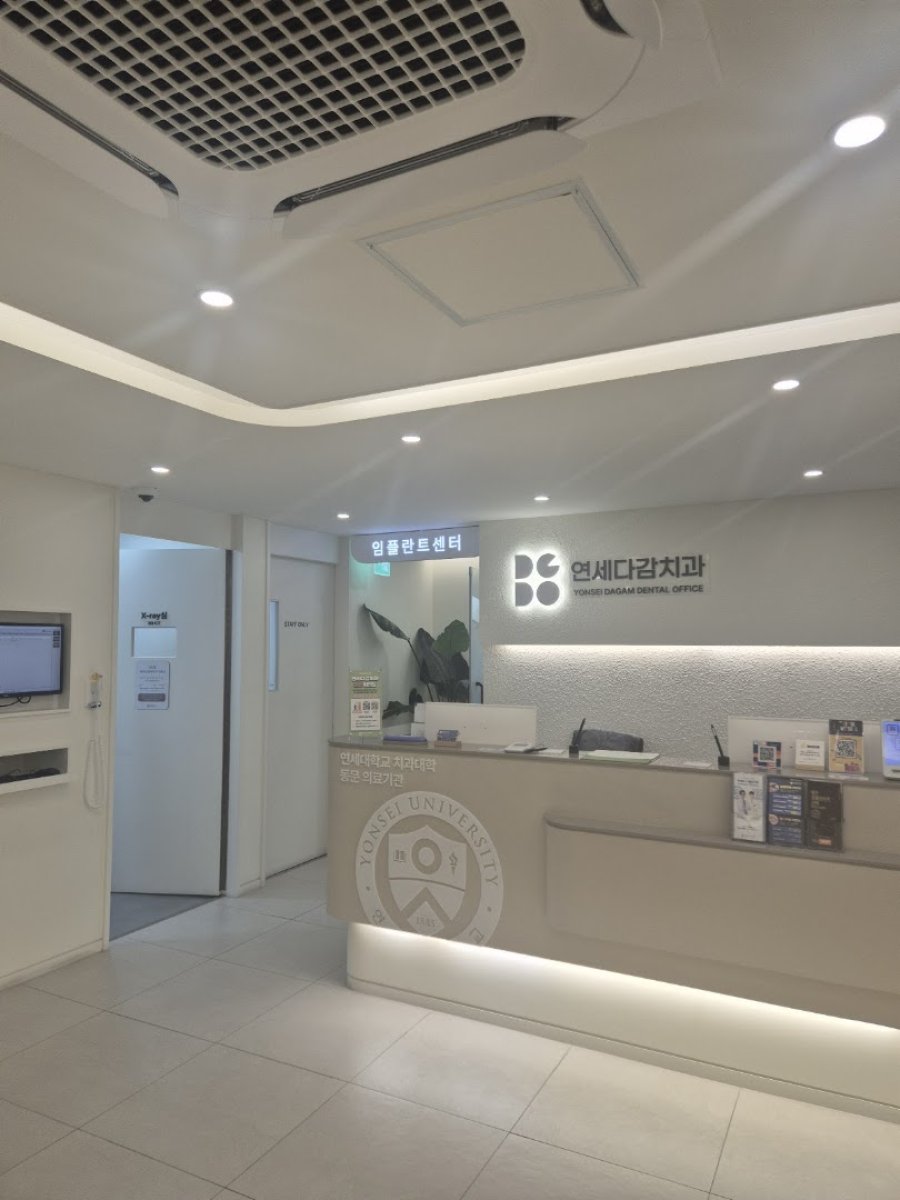
Socket preservation Overview in Republic of Korea
- Bone Graft - from $220This therapy replaces or repairs missing bone, using natural or synthetic material, promoting healing and strength.
- Onlay bone graft - from $300Bone transplant to enhance healing, stability, and support where bone loss occurred or in fractures.
Day 1 - Arrival
- Arrive at the clinic.
- Check-in at the reception desk.
- Meet the dental team.
Day 2 - Pre-operation
- Consultation with the oral surgeon.
- Undergo necessary medical tests.
- Discuss anesthesia options.
Day 3 - Surgery Day
- Arrive at the clinic early in the morning.
- Undergo anesthesia procedure.
- Socket preservation surgery begins.
- Surgery lasts for about 1-2 hours.
Day 4 - Post-operation
- Stay at the clinic for observation.
- Receive post-operation instructions.
Week 1 - Rehabilitation
- Rest and avoid strenuous activities.
- Start oral hygiene routine as instructed.
Week 2 - Rehabilitation
- Return to work if comfortable.
Week 3 - Rehabilitation
- Resume normal activities.
Week 4 - Rehabilitation
- See the final result of socket preservation.
Please note that each individual"s recovery process may vary depending on their health status and overall response to the surgery.
- Bookimed deposit: $200 or €200.
- Clinic deposit: Pay a set percentage in advance.
Our Doctors
View all Doctors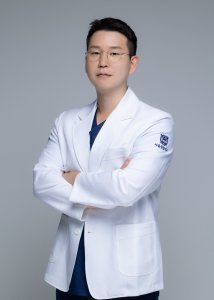
Kwon Jae-won
Specialist in Implant Dentistry and Integrated Dentistry – Dr. Kwon designs patient-specific treatments to preserve oral health without unnecessary procedures.
- Graduated with honors from Seoul National University School of Dentistry
- Completed residency at Seoul National University Dental Hospital
- Certified provider for Osstem and MegaGen implant systems
- Active member of multiple Korean dental and implant societies
Video Stories from Bookimed Patients
Reviews about Bookimed: Discover Patients' Insights
All reviewsShare this content
 Anna Leonova

FAQ about Socket preservation in Republic of Korea
Do I need a visa to South Korea?
Today, South Korea has visa-free agreements with 112 states. None visa is required for stays under 90 days or less. To stay longer in this country, you need a visa. What states need a visa for treatment in South Korea and what countries can cross the border free and easy read here.
What is the level of medicine in South Korea?
Healthcare is the key development sector of the Korean government. The Korean authorities are convinced that care for the citizens' health should be an absolute priority of state policy and spend about 1 billion a year for medical tourists attraction.
According to Mark Britnell, hospitals dominate the health system. 94% of hospitals are privately owned.
What are the most popular plastic surgery procedures?
According to ASPS statistics, 17.7 mln cosmetic surgeries and 5.8 mln reconstructive procedures have been performed in 2018. Among cosmetic procedures the most popular are:
- breast augmentation
- liposuction
- rhinoplasty (nose job)
- eyelid surgery
- tummy tuck.
Tumor removal, laceration repair, maxillofacial surgery, scar revision, hand surgery are the most common operations in the context of reconstructive surgery.
What documents are required to apply for a visa to South Korea for treatment?
Visas for travel to South Korea require a number of documents. The necessary papers can be submitted 90 days before the planned departure. Lists of documents includes:
- ID card
- confirmation of online registration and filling out the questionnaire
- certificate of income and availability of funds
- insurance policy for a stay in South Korea (original and copy)
- 2 photos (5x6)
- visa receipt
- booking of flight and hotel
- medical opinion about the need for treatment.
What should you know about South Korea before the trip?
Currency | South Korean Won (you also can pay for services in dollars) |
Best period for the trip | April, May & June or September, October & November. |
Language | Korean (most of medical staff speaks English fluently) |
Visa | none required for stays under 90 days or less |
Time difference with Europe | 9 hours |
Time difference with the USA | 9 hours |
Capital | Seoul |
Medical tourism center | Seoul |
Popular resorts | Gangwon-do, Gyeongju, Boseong, Jeju |
What hotel services are provided here?
In South Korea, hotels of different price ranges and service levels are presented. Most tourists choose 4 and 5 star hotels with all-inclusive meals. Such hotels have everything for a comfortable stay: varied food, a large well-groomed territory, animation for children and adults. Some hotels have their own water park, which guests can use for free. Budget travelers can afford to book an economical 3-star hotel with half board or no meals at all.