Chemotherapy for testicular cancer in Spain — get 3 personalized clinic matches
Bookimed lists 4 chemotherapy for testicular cancer clinics in Spain, in Barcelona, Madrid, and Pamplona, including JCI-accredited and ISO-certified clinics. These clinics are rated 4.7/5 in 59 verified patient reviews on Bookimed.

Medically reviewed by
Yesim Yildirim
How it works
How Much Does Chemotherapy for testicular cancer Cost in Spain?
Chemotherapy for testicular cancer in Spain typically costs from $6,500 to $12,500. The total price depends on the drug protocol intensity, the number of cycles required, and the medical hub selected. In the United States, patients pay $42,500 on average for similar treatment. Choosing Spain offers average savings of 78%. This cost generally covers drug administration, oncologist consultations, and specialized nursing care.
- Standard chemotherapy cycle: $6,500 to $12,500 per session depending on the drug regimen.
- Medical hub variation: Private clinics in Madrid and Barcelona often charge 15-20% more than regional centers.
- Advanced protocols: Multi-drug regimens like BEP typically cost more due to specialized monitoring and drug variety.
- Initial oncology consultation: Typically adds several hundred dollars to the first phase of treatment planning.
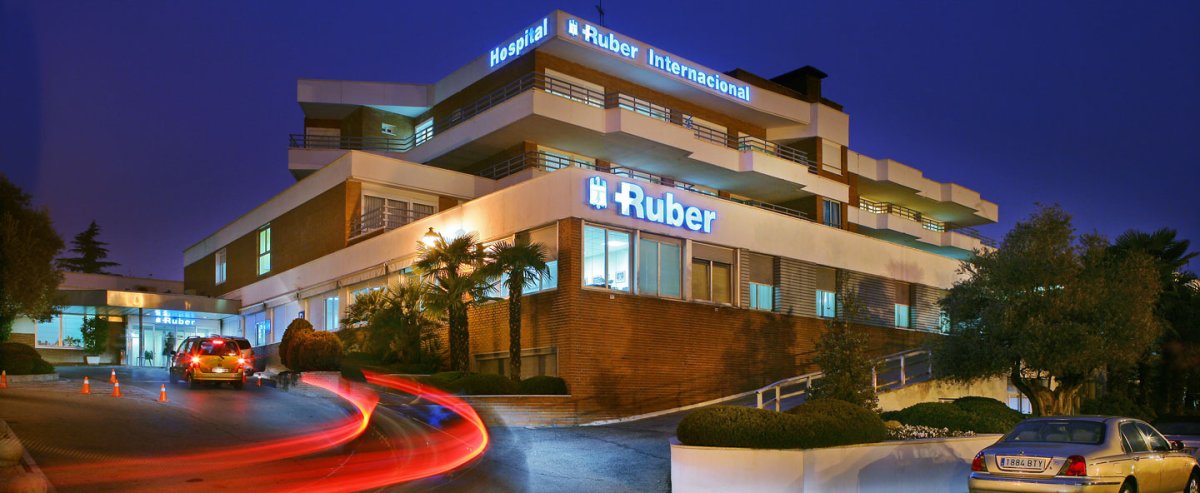
Bookimed Expert Insight: Choosing a Joint Commission International (JCI) accredited facility in Spain ensures high-tier safety at private sector prices. Hospital Ruber Internacional and Clinica Universidad de Navarra both hold this gold standard. These institutions offer advanced tech like Da Vinci Xi and CyberKnife. This makes Spain a smart move for accessing elite European oncology without the premium prices of North American hospitals.
| Turkey | Austria | Spain | |
|---|---|---|---|
| Chemotherapy for testicular cancer | ≈ $3,500 | ≈ $9,000 | ≈ $6,500 |
Discover the Best Chemotherapy for testicular cancer Clinics in Spain: 4 Verified Options and Prices











Hospital HM Nou Delfos
Begona Mellado Gonzalez


Chemotherapy for testicular cancer Overview in Spain
- Chemotherapy - from $2,200This therapy treats cancer by using drugs to destroy cancer cells and prevent their growth.
- Hyperthermic Intraperitoneal Chemotherapy (HIPEC) - from $21,600The operation heats chemotherapy drugs and applies them directly inside the belly to kill hidden cancer cells.
- Chemotherapy for liver cancer - from $3,000This therapy targets and kills cancer cells in the liver, using drugs given by mouth or injection.
- Chemoembolization of the liver - from $9,000This therapy combines cancer-killing drugs and blockage of blood supply to shrink liver tumors rapidly and effectively.
- Chemotherapy for larynx cancer - from $2,200This therapy helps eliminate laryngeal cancer cells using potent drugs, potentially preserving voice function.
- Chemotherapy for lung cancer - from $2,200This therapy utilizes drugs to kill lung cancer cells, often given via injection or oral tablet, enhancing survival rates.
- Chemotherapy for prostate cancer - from $5,000This therapy uses drugs to kill prostate cancer cells, delivered through veins or pills, enhancing survival rates.
- Chemotherapy for uterine cancer - from $2,500This therapy uses drugs to kill cancer cells in the uterus, effectively controlling disease progression.
- Chemotherapy for pancreatic cancer - from $2,300This therapy uses drugs to destroy pancreatic cancer cells, helping to shrink tumors and ease symptoms.
- Chemotherapy for gallbladder cancer - from $1,300The procedure uses powerful medicines to kill gallbladder cancer cells, slowing growth and relapse.
- Chemotherapy for breast cancer - from $2,300This therapy targets and destroys breast cancer cells, using powerful drugs, enhancing survival and recovery rates.
- Chemotherapy for ovarian cancer - from $4,000This therapy treats ovary tumors using drugs specific to kill cancer cells, enhancing survival rates.
- Chemotherapy for esophageal carcinoma - from $1,100This therapy uses potent drugs to kill esophageal cancer cells, preventing their spread and improving patient survival rates.
- Chemotherapy for Brain Tumor - from $1,100This therapy involves using drugs to shrink or kill brain cancer cells, providing an effective, non-surgical option.
- Lymphoma chemotherapy - from $3,000This therapy treats lymphoma by killing cancer cells, using powerful drugs through injection or pill form.
- Leukemia chemotherapy - from $6,100This therapy treats blood cancer using strong medicines, aiming to destroy harmful cells completely.
Day 1: Arrival
- Arrive at the hospital.
- Meet the oncologist and urologist for consultation.
- Undergo blood tests, CT scans, and tumor markers tests.
Day 2: Pre-operation
- Discuss the test results with the oncologist.
- Receive information about the chemotherapy regimen.
- Sign the consent form for the treatment.
Week 1: Chemotherapy process
- Start a cycle of chemotherapy, usually lasts 3-4 hours.
- Chemotherapy is given intravenously, no anesthesia is needed.
- Additional medications are given to manage side effects.
Week 2-3: Rest period
- Recover from the chemotherapy effects at home.
- Regular blood tests to monitor your health.
Week 4: Repeat the cycle
- Return to the hospital for the next chemotherapy cycle.
- Repeat the process for 3 to 4 cycles.
Post-chemotherapy: Follow-up
- Monitor recovery through regular check-ups.
- Additional tests if symptoms persist.
Week 6 onwards: Rehabilitation
- Gradually return to normal activities.
- Return to work after 8-12 weeks.
- Final results visible after 3-6 months.
Please remember, each case is unique and this is a general guide. Always consult your healthcare provider for personalized advice.
- Bookimed deposit: $200 or €200.
- Clinic deposit: Pay a set percentage in advance.
Our Doctors
View all Doctors
Jesus San Miguel
Dr. Jesus San Miguel is a hematologist at Clinica Universidad de Navarra in Pamplona and a professor of hematology and hemotherapy. He is the Medical Director of the clinic, which treats 140,000 patients annually and holds JCI accreditation. The facility is included in Newsweek’s list of the World's Best Hospitals.
- Practices hematology oncology at a center recognized by the ESMO.
- Directs medical operations at one of Spain’s largest private hospitals.
- Works at a facility ranked among the World's Best Smart Hospitals.
Begona Mellado Gonzalez
Dr. Begona Mellado Gonzalez is a senior oncologist specializing in urological cancers at Hospital HM Nou Delfos. She has published over 140 scientific articles in international journals. Dr. Mellado Gonzalez completed a post-doctoral stay at Memorial Sloan-Kettering Cancer Center in New York. She serves as a leading researcher for prostate cancer at the IDIBAPS institute.
- Expertise in prostate, kidney, bladder, and testicular cancer treatment.
- Acts as principal investigator for multiple Phase I–III clinical trials.
- Winner of the extraordinary prize for her doctoral thesis at the University of Barcelona.
- Directs postgraduate urological cancer programs as an associate professor.
Video Stories from Bookimed Patients
Reviews about Bookimed: Discover Patients' Insights
All reviews


Share this content
 Anna Leonova
FAQ about Chemotherapy for testicular cancer in Spain
What are the primary chemotherapy drugs used in Spain for testicular cancer?
Primary chemotherapy for testicular cancer in Spain centers on cisplatin-based regimens like BEP (Bleomycin, Etoposide, and cisplatin). These protocols leverage international standards and Spanish Germ Cell Cancer Group guidelines, achieving high cure rates through cycles administered at JCI-accredited facilities in Madrid and Barcelona.
- BEP regimen: The standard frontline treatment combining Bleomycin, Etoposide, and cisplatin for germ cell tumors.
- EP combination: Used when Bleomycin is unsuitable, featuring only Etoposide and Cisplatin (Platinol) drug components.
- Single-agent Carboplatin: Frequently chosen as a preventive or primary treatment for stage I pure seminoma.
- Salvage protocols: Intensive TIP (Paclitaxel, Ifosfamide, Cisplatin) or VeIP regimens treat advanced or recurring cases.
Bookimed Expert Insight: Spanish oncology centers like Clinica Universidad de Navarra integrate advanced Molecular Medicine laboratories to monitor tumor marker declines. Data shows BEP efficacy often normalizes AFP and HCG levels after just one cycle. Choosing centers with onsite surgical teams is vital if residual teratomas require extraction post-chemotherapy.
Patient Consensus: Patients value the speed of the private system in Spain for avoiding diagnostic delays. Many report rapid progress after the first cycle but emphasize confirming surgical backup for potential post-chemo tissue removal.
Is chemotherapy for testicular cancer covered by the public health system in Spain?
Chemotherapy for testicular cancer is fully covered by the Spanish National Health System for residents and social security contributors. The public healthcare model provides comprehensive oncology care, including surgery and medications, at no cost at the point of use for eligible patients.
- Coverage scope: Covers all diagnostic tests, chemotherapy cycles, and necessary surgical interventions.
- Financial support: Patients often qualify for full sick pay for up to 18 months.
- Access requirements: Available to employees, self-employed contributors, or those paying the convenio especial.
- Provider network: Treatment occurs at high-volume specialized oncology centers in Madrid and Barcelona.
Bookimed Expert Insight: While the public system is excellent for residents, international patients often choose JCI-accredited centers like Hospital Ruber Internacional or Clinica Universidad de Navarra. Both hospitals rank among the top in Spain. These private facilities offer immediate treatment starts and advanced technology like CyberKnife, which are not always as quickly accessible in the public sector.
Patient Consensus: Patients value the peace of mind provided by tax-funded care, as it eliminates insurance negotiations and unexpected medical bills during a stressful diagnosis.
What is the prognosis after chemotherapy for testicular cancer in Spain?
Prognosis for testicular cancer in Spain is excellent, featuring a 5-year survival rate of approximately 95%. Early-stage cases often reach 100% success. High-quality oncology centers in Barcelona and Madrid provide cisplatin-based chemotherapy and surgical expertise within Joint Commission International (JCI) accredited facilities.
- Survival rates: Overall 5-year survival reaches 95% while stage 1 cases reach 99%.
- Advanced cases: Metastatic cure rates in specialized centers frequently exceed 75% to 80%.
- Recovery timeline: Patients reach 80% normalcy in weeks and full recovery within 5 months.
- Treatment methods: Clinics utilize BEP chemotherapy regimens and robotic surgery for optimal outcomes.
Bookimed Expert Insight: Spain offers a unique advantage for complex cases by combining JCI-accredited safety with significant savings. While chemotherapy cost $2,200 to $4,800, this is 78% less than the $42,500 US average. Major networks like Hospital HM Nou Delfos provide access to high-volume oncology specialists at these competitive rates.
Patient Consensus: Recovery feels manageable when patients prioritize small, frequent meals and rest. Most report that post-treatment side effects resolve steadily as energy levels return to baseline.
Is sperm banking available before chemotherapy in Spain?
Sperm cryopreservation is available and recommended in Spain before chemotherapy for conditions like testicular cancer. Leading centers in Madrid, Barcelona, and Pamplona provide sperm banking and surgical retrieval techniques. These services ensure reproductive options remain available since chemotherapy may impact fertility temporarily or permanently.
- Available techniques: Clinics offer standard sperm cryopreservation and testicular sperm extraction (TESE) for low counts.
- Timing necessity: Banking must occur immediately after diagnosis and before the first chemotherapy session begins.
- Clinical providers: JCI-accredited facilities like Hospital Ruber Internacional and Clinica Universidad de Navarra offer oncology-related care.
- Success rates: Approximately 80% of men regain natural fertility within 2 years after treatment ends.
Bookimed Expert Insight: Spanish oncology centers often integrate fertility preservation directly into the treatment timeline. Clinics like Clinica Universidad de Navarra hold European Society for Medical Oncology accreditation, ensuring coordination between oncology and fertility specialists. This integration is vital because sperm banking must be completed rapidly to avoid delaying life-saving chemotherapy cycles.
Patient Consensus: Patients emphasize completing banking immediately after diagnosis to avoid stress. Most find relief knowing natural fertility often returns within 2 years, though banking provides essential peace of mind.
How soon can chemotherapy start after orchiectomy surgery?
Chemotherapy typically starts within 3 to 8 weeks after an orchiectomy. This timeframe allows surgical wounds to heal while ensuring timely oncological intervention. For metastatic cases, treatment may begin as early as 4 to 5 days post-surgery under strict medical supervision in specialized centers.
- Adjuvant timing: Most patients begin preventative chemotherapy within 6 to 8 weeks post-operation.
- Surgical recovery: Doctors usually require 4 weeks for wound healing and tumor marker stabilization.
- Pathology influence: Start dates vary based on seminoma versus non-seminoma histology and cancer staging.
- Immediate starts: High-risk metastatic cases can start chemo within 5 days to prevent spread.
Bookimed Expert Insight: Spain's oncology centers, like Clinica Universidad de Navarra, integrate molecular pathology labs to speed up staging. This allows oncologists to finalize 1-dose carboplatin or multi-cycle BEP plans faster than the standard 8-week window. Early staging often leads to more precise, proactive treatment starts.
Patient Consensus: Patients emphasize focusing on mobility and pain management during the initial 4-week healing phase. Many noted that physical readiness is crucial before facing the significant fatigue associated with intensive chemotherapy cycles.
Where are the top centers for testicular cancer treatment in Spain?
Top centers for testicular cancer treatment in Spain are located in Madrid and Barcelona, specializing in multidisciplinary oncology and advanced urological surgery. Leading facilities include Clinica Universidad de Navarra and Hospital Ruber Internacional, which hold Joint Commission International (JCI) accreditation and utilize robotic surgical systems for precise tumor removal.
- Specialized oncology units: Clinica Universidad de Navarra is recognized by the European Society for Medical Oncology.
- Advanced surgical technology: Hospital Ruber Internacional utilizes Da Vinci Xi and CyberKnife for complex cases.
- Pediatric oncology expertise: SJD Barcelona Children’s Hospital is a top three European medical institution.
- High patient volume: Hospital HM Nou Delfos serves 400,000 patients annually within Spain’s largest network.
Bookimed Expert Insight: Spain offers a unique advantage for complex cases through JCI-accredited facilities that maintain lower patient-to-doctor ratios. While HM Nou Delfos handles high volumes, Clinica Universidad de Navarra prioritizes research-driven care, being the first in Spain to achieve JCI status. This balance of experience and academic rigor is why prices for chemotherapy, ranging from $2,200 to $4,800, remain highly competitive globally.
Patient Consensus: Patients recommend selecting academic hospitals in Madrid or Barcelona for their research leadership. Seeking a case manager is advised to help coordinate specialized cancer resources and confirm diagnostics via histopathology.