High intensity focused ultrasound ablation in Thailand: costs, clinics and reviews

Last updated: 11/13/2026
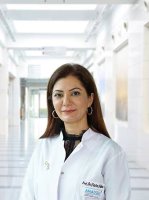
Medically reviewed by
Yesim Yildirim
How it works
Bookimed is free for patients – clinics pay us a commission, and you pay the clinic its own price with no markup. Five steps to your HIFU in Thailand:
Share your case
Tell us about your condition and share your recent medical reports and latest scans.
Get treatment plans
Your coordinator finds clinics that match your needs and helps you choose. Your preferred clinics then send personalized treatment plans and quotes for you to compare.
Plan your trip
We set treatment dates that work for you and help arrange your flights and accommodation.
Visit the clinic
The clinic team performs your HIFU on the agreed dates. We support you throughout your trip.
Back home
You can fly home 1–3 days after the procedure, with results assessed over 3–12 months. Your coordinator stays in touch and helps arrange a follow-up if you need one.
Some clinics ask for a deposit. A $200 or €200 deposit paid through Bookimed comes off your clinic bill and is refundable up to 10 calendar days before your visit. A deposit paid to the clinic follows its own terms.
High intensity focused ultrasound ablation Prices by Clinic in Thailand

Get matched with the best doctors for High intensity focused ultrasound ablation
Tell us about your needs — and get 3 tailored offers from top doctors for you.
Do you have any medical records related to your issue?
Direct prices from clinics
Free evaluation of your medical case
Free personal assistance 24/7
Thailand High intensity focused ultrasound ablation overview
Cost and clinics
| Typical high intensity focused ultrasound ablation price in Thailand | Clinics | Accreditations | Cities | High intensity focused ultrasound ablation specialists | Specialist experience |
|---|---|---|---|---|---|
| $6,000 / ฿204,000–$9,500 / ฿323,000 | 3 clinics | JCI (2 clinics), GHA (1) | Bangkok (0 clinics) | 7 specialists | ~100% of specialists have 10+ years of practice (median 30 years) |
The procedure
| Before the trip | Time in Thailand | Nights in hospital | Operation time | Anesthesia | Back to desk work | Final result |
|---|---|---|---|---|---|---|
| Confirm suitability with MRI or ultrasound, fast if sedated, prepare bowel if needed, stop anticoagulants, review health | 1–3 days | None (outpatient procedure) | 1–4 hours | Sedation or general anesthesia | 2–7 days | 3–12 months |
How much does a High intensity focused ultrasound ablation cost in Thailand?
HIFU in Thailand is estimated from $6,000 / ฿204,000 to $9,500 / ฿323,000. Cost depends on whether treatment is medical ablation or cosmetic skin tightening.
| Thailand | Turkey | Austria | |
|---|---|---|---|
| High intensity focused ultrasound ablation (HIFU) | ≈ $6,000 / ฿204,000 | from $6,000 / ฿204,000 | ≈ $7,500 / ฿255,000 |
How to choose a High intensity focused ultrasound ablation clinic in Thailand
For high intensity focused ultrasound ablation in Thailand, compare clinics by city, select the doctor who will perform the procedure, confirm training and facility support, and arrange follow-up before traveling home.
What to check
Choose a city
Bookimed lists 3 clinics for high intensity focused ultrasound ablation in Thailand – its top-ranked clinics are all in Bangkok, so start by comparing options there.Match the clinician
Ask whether the doctor you consult will create your plan and personally perform the procedure, rather than hand key steps to assistants – Bookimed doctors have median 30 years of practice.Training and facility
Ask whether the doctor has specific HIFU training and is licensed by the Medical Council of Thailand – clarify monitoring, nursing support, and informed consent on alternatives, complications, and precautions.Aftercare arrangements
Before traveling home, agree how the multidisciplinary team will manage your selection and continued follow-up.
Discover High intensity focused ultrasound ablation Clinics in Thailand
| Clinic Name | Patient Rating | About | Accreditations | Lead Doctor | Techniques |
|---|---|---|---|---|---|
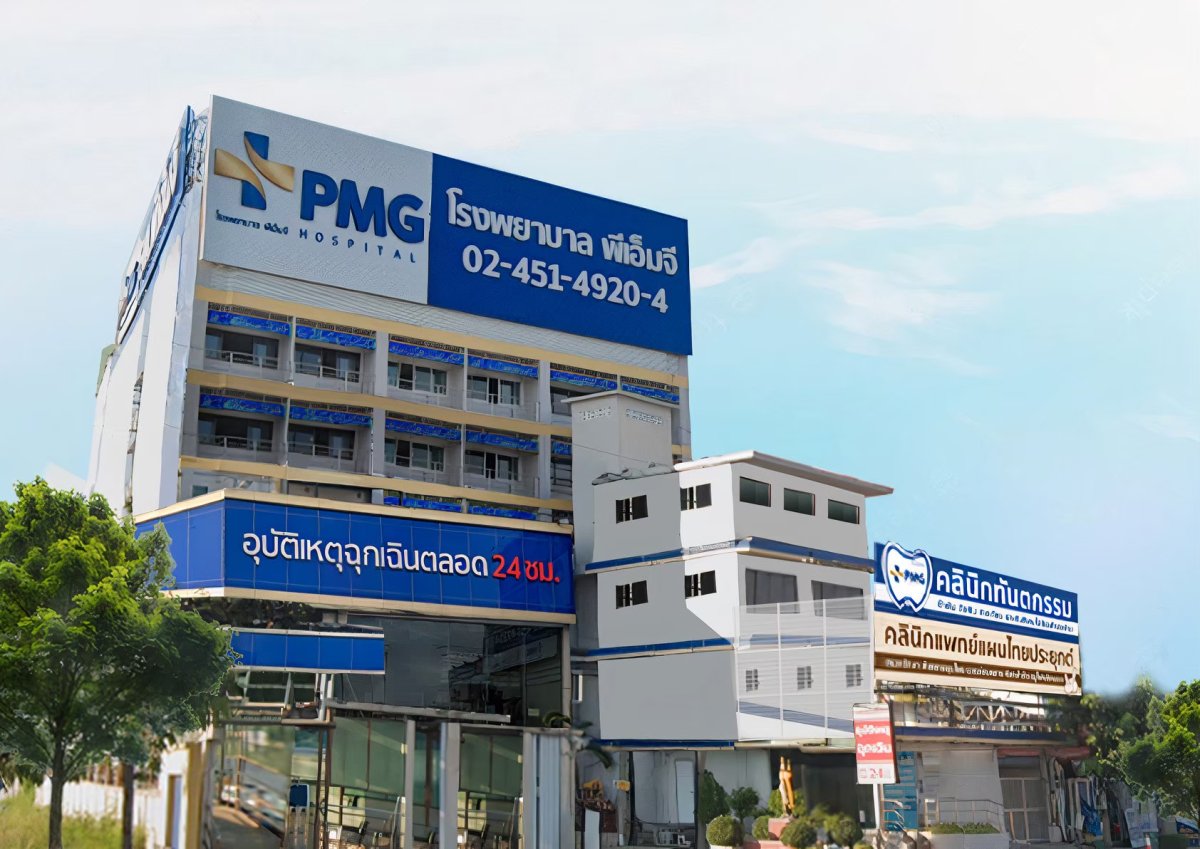
| PMG Hospital Bangkok | 5.0 (1 review) | PMG Hospital holds Global Healthcare Accreditation and provides non-invasive facial skin tightening in Bangkok. This hospital follows high safety standards for international patients. A typical HIFU session focuses on lifting without surgery or downtime. The facility supports visitors with translation, visa extensions, and airport transfers for a smooth experience. Because this clinic holds Hospital Accreditation (HA) from Thailand, patients can expect reliable medical quality throughout their cosmetic care. The staff helps coordinate all travel details alongside the treatment. | GHA, JCI | — | Consultation with a urologist, MRI of one area |
| Department of Skin & Surgery - NAVAMIN9 HOSPITAL Bangkok | 5.0 (1 review) | Navamin 9 Hospital's Department of Skin & Surgery is a JCI-accredited center in Bangkok for hair transplantation, plastic surgery, and aesthetic medicine. The hospital treats over 500,000 patients each year. It is part of a network of more than 100 affiliated hospitals and clinics. 285 beds with over 1,000 outpatients seen daily. Founded in 1995. A new facility opened in 2008. 50 doctors across 10 departments. Culturally sensitive services include dietary management tailored to patient needs. | JCI | — | Basic check-up |
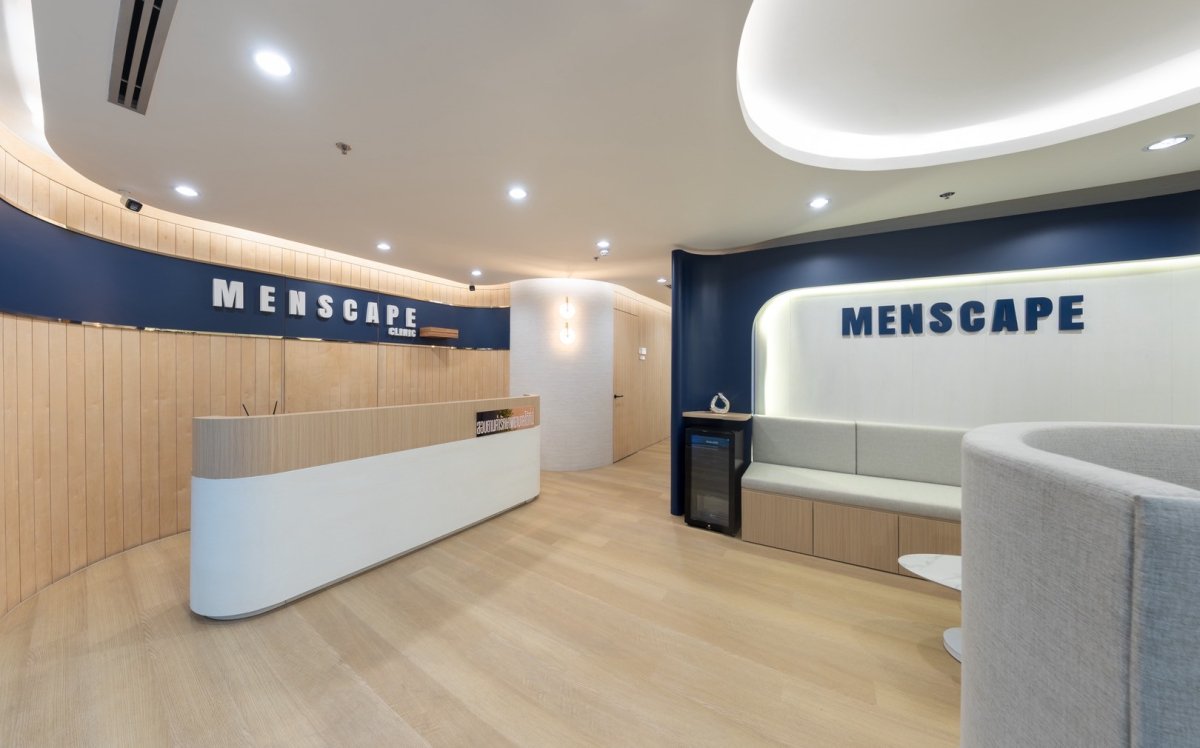
| Menscape Clinic Bangkok | 4.6 | For focal HIFU, reported preservation rates are 80–90% for erectile function and over 95% for urinary continence. Menscape Clinic in Bangkok is licensed by Thailand’s Ministry of Public Health and holds a 4.6/5 Google rating from 158 reviews. Care includes MRI mapping and fusion-biopsy confirmation, with outpatient treatment and discharge the same day or after one night. | — | — | Focal HIFU, whole-gland HIFU, multiparametric MRI, MRI-fusion biopsy, real-time MRI or ultrasound mapping |
Our Trusted Doctors
View all Doctors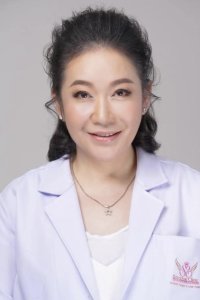
Siriporn Cheawchanwej
Dr. Siriporn specializes in aesthetic medicine with diplomas from the American Academy of Aesthetic Medicine and international training in advanced techniques.
- Trained in Restylane procedures in Sweden
- Attended the Asia Pacific Rhinoplasty Expert Forum in Korea
- Completed facial design studies at Mae Fah Luang University
- Participated in IMCAS Asia 2009 on aging skin

Dr Orasa Teerakul
Dr Orasa Teerakul specializes in obstetrics and gynecology at Intrarat Hospital, with a focus on comprehensive women's health care.
- Graduated from Siriraj Hospital, Mahidol University
- Holds a Diploma in Obstetrics and Gynecology
- Provides prenatal care and assists in childbirth
- Performs gynecological surgeries
- Educates patients on reproductive health

Dr Pramote Cherdrattanrak
Dr Pramote Cherdrattanrak specializes in obstetrics and gynecology with a focus on women's health at Intrarat Hospital.
- Holds a Diploma in Obstetrics and Gynecology from Vajira Hospital
- Graduated with a Bachelor of Medicine from Srinakharinwirot University
- Currently practices as an Obstetrician and Gynecologist at Intrarat Hospital

Dr Seree Teerapong
Dr Seree Teerapong specializes in reproductive medicine and laparoscopic gynecological surgery at Intrarat Hospital.
- Diploma in Obstetrics and Gynecology from Siriraj Hospital
- Certified in Reproductive Medicine by the Medical Council of Thailand
- Expertise in laparoscopic gynecological surgery
- Current position focuses on in-vitro fertilization (IVF)
High intensity focused ultrasound ablation recovery timeline: what to expect week by week
You can usually fly home 1–3 days after treatment, after a next-day check and with your surgeon's approval. You may return to work in 2–7 days, depending on the treated organ, catheter needs, and your job's physical demands. Light activity may resume earlier, while exercise usually resumes in 1–2 weeks, with strenuous activity depending on the treated organ and your symptoms. The final result is assessed over 3–12 months, with fibroid shrinkage taking 3–6 months and prostate PSA and imaging review at 6–12 months.
Day of treatment
You recover from sedation and are observed before discharge the same day. After prostate treatment, a urinary catheter may be placed. Rest and do not drive.
Days 1–7
With your surgeon's approval, you can usually fly home 1–3 days after treatment and a next-day check, but departure may be later if a urinary catheter remains. After prostate treatment, you may notice urinary symptoms or blood in your urine, along with mild discomfort. Resume light daily activity, but avoid heavy lifting and strenuous exercise.
Weeks 2–6
Symptoms settle, and you can return to normal activity. Fibroid symptoms improve gradually. Avoid sexual activity until your clinician clears you.
Months 3–12
Follow-up imaging and PSA help assess the result, including tissue shrinkage or response to ablation.
When to contact your clinic: Contact your clinic for increasing abdominal pain, fever or shivers, or bleeding in your urine or stool. For chest pain or sudden breathlessness after a long flight, seek emergency help locally.
Traveling to Thailand for a High intensity focused ultrasound ablation
High intensity focused ultrasound ablation in Thailand: Video Reviews from Bookimed Patients
Thailand High intensity focused ultrasound ablation Reviews at Bookimed: Discover Patients' Insights
View allShare this content
 Anna Leonova
FAQ about High intensity focused ultrasound ablation in Thailand
What documents are required to apply for a visa to Thailand for treatment?
Visas for travel to Thailand require a number of documents. The necessary papers can be submitted 90 days before the planned departure. The list of documents includes:
- ID card
- confirmation of online registration and filling out the questionnaire
- certificate of income and availability of funds (20,000 baht per person/40,000 baht per family)
- insurance policy for a stay in Thailand (original and copy)
- 2 photos (4x6)
- visa receipt
- booking of round-trip air ticket (paid in full) and hotel
- medical opinion about the need for treatment.
What is the level of medicine in Thailand?
Healthcare is the key development sector of the Thai government. The Thai authorities are convinced that care for the citizens' health should be an absolute priority of state policy and spend about 25 billion baht for healthcare annually.
As a result, 36,673 medical facilities provide excellent medical care in the country. 64 centers in the Kingdom have certificate of JCI (Joint Commission International), the international improver of healthcare quality and safety across the globe. The index of certificates obtained is the largest. To compare, Israel has 20 JCI-accredited facilities, and Germany — only 10 clinics of this type.
When is the best time to travel to Thailand?
The main advantage of Thai resorts is the long beach season. On the east coast and west coast the climate features are different, so take it into account when planning the trip. The best time to travel is during the cool and dry season between November and early April. A large influx of tourists is in March-May, when the air temperature is +30°C.
What should you know about Thailand before the trip?
Official name | The Kingdom of Thailand |
Currency | Thai Baht (you also can pay for services in dollars) |
Best period for the trip | November-early April |
Language | Thai (most of medical staff speaks English fluently) |
Visa | is required for a trip of 3-6 months |
Time difference with Europe | 7 hours |
Time difference with the USA | 12 hours |
Capital | Bangkok |
Medical tourism center | Bangkok |
Popular resorts | Koh Samui, Phuket, Chiang Mai, Koh Chang, Hua Hin |
What hotel service is provided here?
In the Kingdom of Thailand, hotels of different price ranges and service levels are presented. The level of Thai hotels is comparable to hotels in Tunisia, Morocco or Egypt. Most tourists choose 4 and 5 star hotels with all-inclusive meals. Such hotels have everything for a comfortable stay: varied food, a large well-groomed territory, animation for children and adults. Some hotels have their own water park, which guests can use for free. Budget travelers can afford to book an economical 3-star hotel with half board or no meals at all.
Do I need a visa?
For now, the Kingdom of Thailand requires different visa regimens for diverse states. Some foreigners can stay in the country 60 days without visa control, some of them — only 14 days.
How long you can stay in Thailand and what countries can cross the border easy read here.
Last review: 11/13/2026
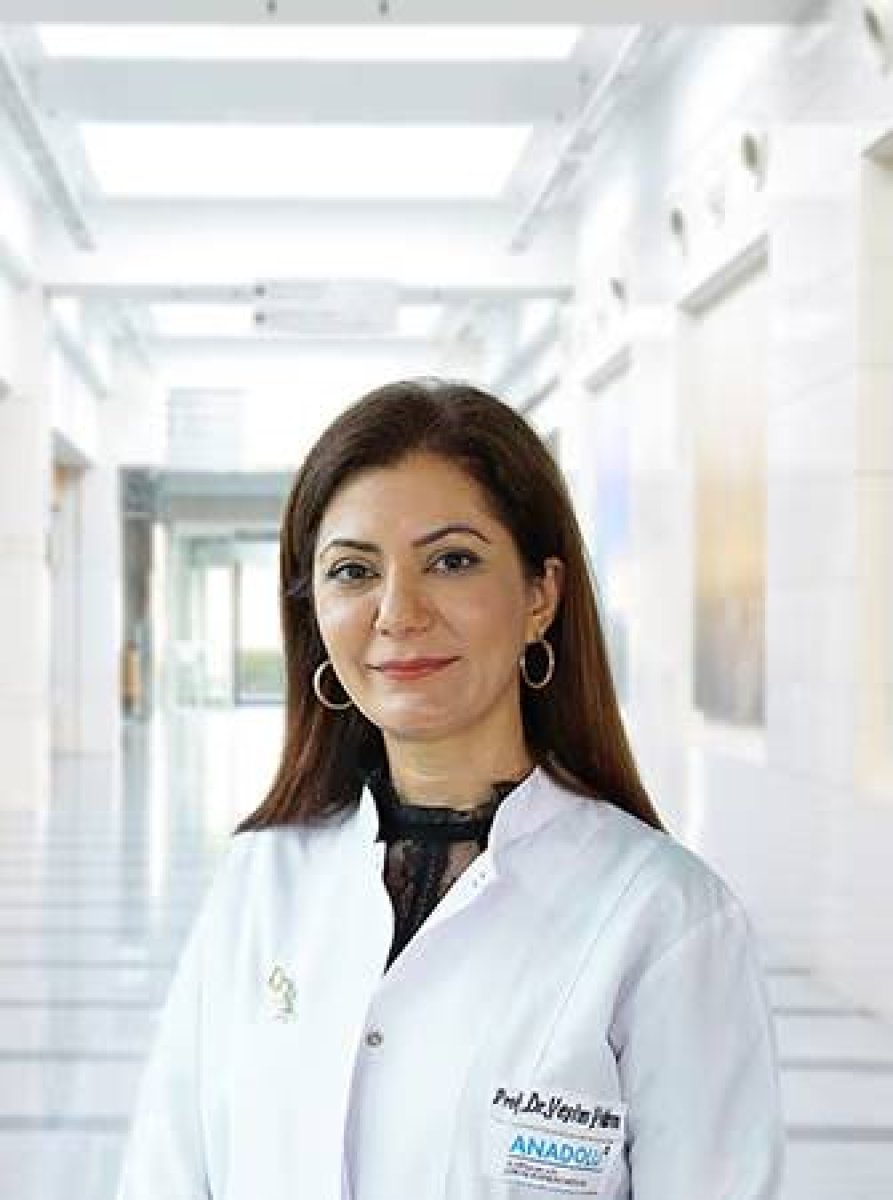
Yesim Yildirim — 20 years of experience Medical oncologist, ESMO certified
Have a question about High intensity focused ultrasound ablation in Thailand?
Ask a Bookimed medical coordinator about prices, clinics, techniques or your case. Write to us in the messenger you already use.
- Direct prices from clinics
- Free evaluation of your medical case
- Free personal assistance 24/7
Ask your question in a messenger
Tap a messenger to open a chat with a Bookimed medical coordinator.
Free and without obligation · Terms of use · Privacy policy