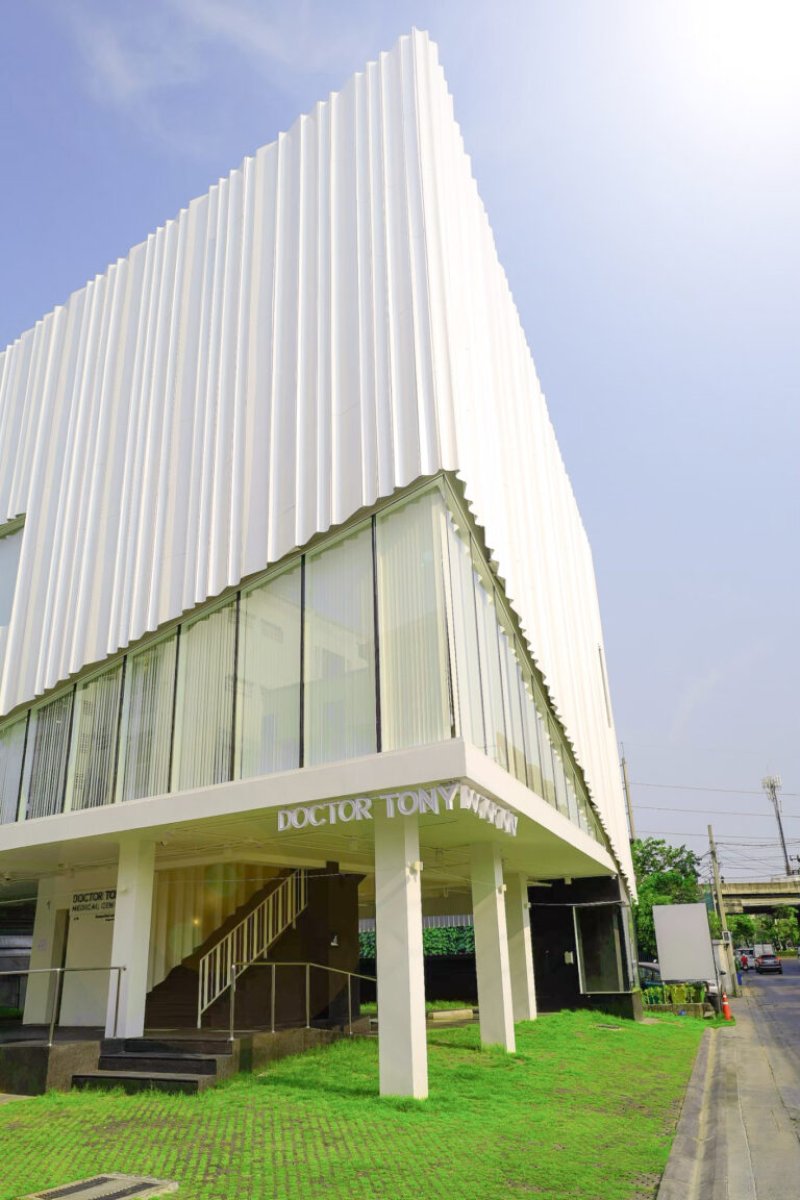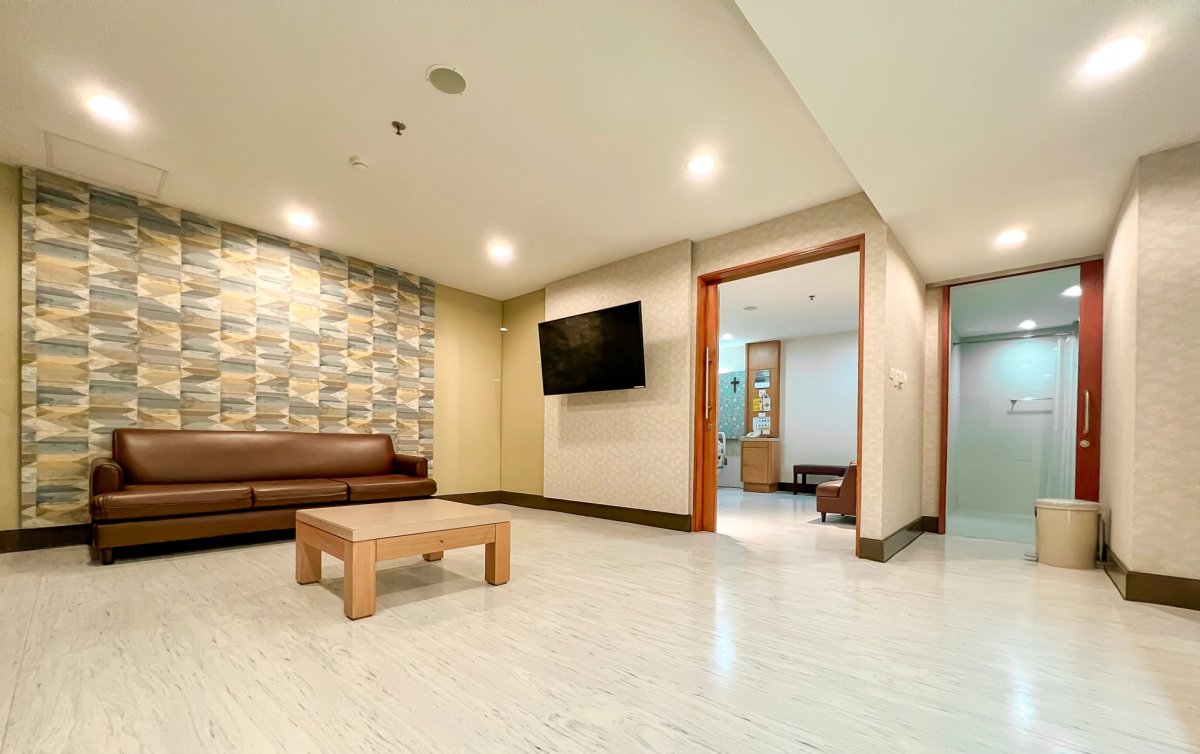
TRSC International Eye and Vision Center
Thailand, Bangkok
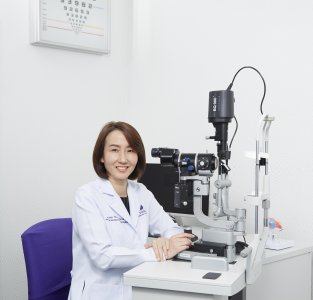
Varintorn Chuckpaiwong
30 years of experience
Clinic is certified : 

Last updated: Nov 25, 2026

Medically reviewed by
Fahad Mawlood
Bookimed is free for patients – clinics pay us a commission, and you pay the clinic its own price with no markup. Five steps to your IOL implantation in Thailand:
Tell us about your vision and share your recent examination reports and measurement results.
Your coordinator finds clinics that match your needs and helps you choose. Your preferred clinics then send personalized treatment plans and quotes for you to compare.
We set treatment dates that work for you and help arrange your flights and accommodation. If needed, we request a visa support letter from the clinic.
The clinic team performs your IOL implantation on the agreed dates. We support you throughout your trip.
You can fly home 1–7 days after surgery, and your result settles over 1–1.5 months. Your coordinator stays in touch and helps arrange a follow-up if you need one.
Some clinics ask for a deposit. A $200 or €200 deposit paid through Bookimed comes off your clinic bill and is refundable up to 10 calendar days before your visit. A deposit paid to the clinic follows its own terms.



Tell us about your needs — and get 3 tailored offers from top doctors for you.
What surgery would you like to have?
Direct prices from clinics
Free evaluation of your medical case
Free personal assistance 24/7
Cost and clinics
| Typical iols implantation price in Thailand | Packages | Clinics | Accreditations | Cities | IOLs implantation surgeons | Surgeon experience |
|---|---|---|---|---|---|---|
| $2,500 / ฿85,000–$2,800 / ฿95,200 | 1 packages | 11 clinics | ISO (5 clinics), JCI (4), AACI (1), GHA (1), TEMOS (1) | Bangkok (8 clinics), Pattaya (2) | 13 surgeons | ~92% of surgeons have 10+ years of practice (median 20 years) |
The procedure
| Before the trip | Time in Thailand | Nights in hospital | Operation time | Anesthesia | Back to desk work | Final result |
|---|---|---|---|---|---|---|
| Have eye exam and discuss lens options with surgeon; start pre-op eye drops; arrange transport and escort | 1–7 days | None (outpatient procedure) | 15–45 minutes | Topical or local | 2–7 days | 1–1.5 months |
IOL implantation in Thailand costs from $2,500 / ฿85,000 to $2,800 / ฿95,200. The final quote depends on lens type, hospital tier, and whether the lens is bundled.
IOL implantation in Thailand costs from $2,500 / ฿85,000 to $2,800 / ฿95,200. The final quote depends on lens type, hospital tier, and whether the lens is bundled. In the US, it costs $5,900 / ฿200,600 on average. Bookimed estimates savings of 54% compared with US prices. The procedure places an artificial lens inside the eye. Bookimed lists no standard package inclusions, so patients should confirm lens, measurements, fees, and follow-up.
Bookimed Expert Insight. A listed clinic price is most useful when considered alongside focused eye-care experience. TRSC International Eye and Vision Center lists IOL pricing around $2,550–$4,350. It is a Bangkok single-specialty eye clinic certified to ISO 9001:2015. Its records report eyesight restored in over 100,000 eyes. Patients can ask whether quotes include their selected lens and preoperative measurements. Bookimed lists no package inclusions, so confirming these details helps compare quotes clearly.
| Thailand | Turkey | Austria | |
|---|---|---|---|
| IOLs implantation | from $2,500 / ฿85,000 | from $1,200 / ฿40,800 | ≈ $1,900 / ฿64,600 |
| Phacoemulsification with IOL implantation | from $2,500 / ฿85,000 | from $1,100 / ฿37,400 | ≈ $2,300 / ฿78,200 |
| Cataract surgery with IOL replacement | from $2,400 / ฿81,600 | from $900 / ฿30,600 | ≈ $2,100 / ฿71,400 |
For iols implantation in Thailand, compare clinic locations, meet the surgeon who will perform your technique, and assess clinic credentials before booking.
Choose a location
Select the operator
Assess credentials
Read patient reviews
| Clinic Name | Patient Rating | About | Accreditations | Lead Doctor | Techniques |
|---|---|---|---|---|---|
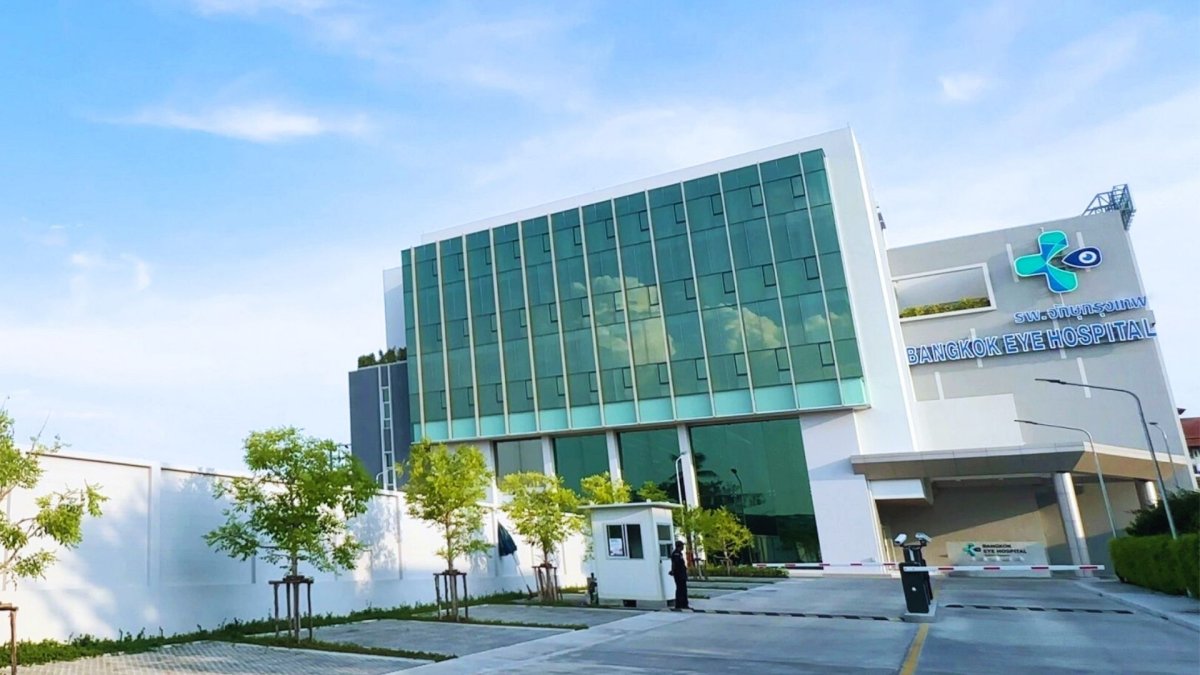
| TRSC International Eye and Vision Center Bangkok | 5.0 (3 reviews) | TRSC International Eye and Vision Center has restored eyesight in 100,000+ eyes, with IOLs implantation costing around $2,730–$4,660. Dr. Varintorn Chuckpaiwong, Associate Professor and Director of Cornea & Refractive Surgery at Mahidol University, completed fellowships at Emory University and Harvard's Massachusetts Eye and Ear Infirmary. The clinic specializes exclusively in advanced ophthalmology procedures, attracting international patients from Europe, Asia, and the Americas. | ISO | Varintorn Chuckpaiwong 30 years | Cataract surgery with IOL replacement, phacoemulsification with IOL implantation |
| Intrarat Hospital Bangkok | 4.3 (17 reviews) | Intrarat Hospital offers IOLs implantation with prices typically ranging from $2,800 to $6,200. Dr. Sumet Supalaset, a cornea and refractive surgery specialist, brings extensive international training, including observership at UCLA and certifications from London and Kyoto, along with published research in LASIK and corneal diseases. | ISO |  Sumet Supalaset 23 years | Examination of eyes, Consultation with an ophthalmologist |
| Laser Vision at Bangkok Eye Hospital Bangkok | 4.7 (1 review) | Dr. Anun Vongthongsri, a pioneer in Thai refractive surgery with 31 years of experience, was the first Thai ophthalmologist with a Washington University Eye Center fellowship. IOLs implantation may cost around $6,117–7,341 USD, typically covering the procedure, preliminary evaluation, and consultation. The no-blade refractive lens exchange uses advanced laser technology for precise lens replacement without a scalpel. Laser Vision is AACI-accredited, with 100,000+ successful operations performed. | — | Anun Vongthongsri 31 years | Cataract surgery with IOL replacement, phacoemulsification with IOL implantation, no-blade refractive lens exchange |

President of the Cataract and Refractive Surgery Club of Thailand – Dr. Naripthaphan brings decades of specialized expertise to IOLs implantation at TRSC International Eye and Vision Center.
Dr. Sumet Supalaset is an expert ophthalmologist at Intrarat Hospital in Bangkok. He specializes in cornea and refractive surgery. He completed observership training at UCLA. Dr. Supalaset graduated with honors from Chulalongkorn University. He treats complex eye conditions like keratoconus and glaucoma.
First Thai and South East Asia Ophthalmologist to complete a clinical fellowship in Cornea, External Disease and Refractive Surgery at Washington University Eye Center.

Dr. Ponpawee Jindarak is an ophthalmologist with specialized training in glaucoma and intraocular lens (IOL) implantation at Intrarat Hospital.
Choice of multifocal, toric, and extended-focus lenses
Patients choose Thailand for iols implantation for provider choice, internationally recognized standards, and language support. Accreditation standards.
| Typical price | vs Thailand | |
|---|---|---|
| Thailand (this page) | $2,500 – $2,800 | – |
| United States of America | from $4,200 | +68% |
| Turkey | from $1,200 | −52% |
For IOL implantation in Thailand, Bangkok has 8 clinics and offers cataract surgery, phacoemulsification, and no-blade refractive lens exchange, with prices from $2,500 / ฿85,000. This variety suits patients comparing approaches, while Suvarnabhumi Airport is 25 km from central Bangkok, helping you plan onward travel.
You can usually fly home 1–7 days after surgery with your surgeon's approval, depending on healing and your day-one check. You may need 2–7 days off per eye after uncomplicated surgery, with desk work resuming within days and physical or dusty work later. Light activity may resume within days, while strenuous exercise and swimming usually resume after 1–2 weeks. Vision improves within days, and your final result settles over 1–1.5 months, with your prescription stabilizing by about 4–6 weeks.
Wear your eye shield, start drops, and expect blurry vision or mild irritation. Avoid rubbing your eye or driving until cleared, and attend a day-after check of eye pressure, cornea, and lens position.
Vision gradually clears as you continue antibiotic and anti-inflammatory drops, while keeping water and soap out of your eye and avoiding dusty places and eye makeup.
Return to normal activities as your drops are tapered. Avoid heavy lifting and swimming until your surgeon clears you.
Your vision prescription settles, and glasses may be prescribed if needed. A final check reviews your prescription and vision.
When to contact your clinic: Contact your clinic promptly for vision loss or increasing eye redness. Flashes of light or new floaters need emergency care. For chest pain or sudden breathlessness after a long flight, seek emergency help locally.

 Anna Leonova

Cataract surgery with IOL implantation in Thailand is highly safe, maintaining a 95% success rate and 98% vision improvement. Many facilities hold Joint Commission International (JCI) accreditation, utilizing advanced technology like the Alcon CENTURION system and premium intraocular lenses such as Tecnis and Light-adjustable lenses.
Bookimed Expert Insight: While many look at price, the real safety signal in Thailand is surgical volume. Specialist centers like TRSC International have restored over 100,000 eyes. Choosing a high-volume surgeon like Dr. Pichit Naripthaphan, who leads national cataract associations, ensures you benefit from refined techniques and lower complication rates.
Patient Consensus: Patients emphasize choosing JCI-accredited hospitals and suggest a 1-week stay for follow-up care. Most find the presence of English-speaking coordinators and identical global lens brands like Alcon highly reassuring.
Ophthalmologists in Thailand are highly qualified specialists who typically complete six years of medical school and a three-year residency. Many hold certifications from the Royal College of Ophthalmologists of Thailand (RCOPT) and international fellowships from top-tier institutions in the US, UK, or Australia.
Bookimed Expert Insight: Data shows a strong correlation between surgeon credentials and facility specialization. For instance, Dr. Anun Vongthongsri at Laser Vision was the first Thai fellow at Washington University. Single-specialty centers like TRSC have restored over 100,000 eyes, suggesting deeper procedural expertise than general hospitals.
Patient Consensus: Patients report that Thai surgeons rival Western standards, especially in handling complex cases. They frequently highlight the precision of fellowship-trained specialists at high-volume centers like Bumrungrad and Rutnin Eye Hospital.
Patients in Thailand can access modern intraocular lenses including monofocal, multifocal, trifocal, and Toric options from global brands like Alcon and Zeiss. High-tech varieties like Extended Depth of Focus (EDOF) and light-adjustable lenses are available at JCI-accredited facilities in Bangkok and Pattaya.
Bookimed Expert Insight: Thai clinics like Laser Vision offer no-blade femtosecond laser techniques paired with multifocal Toric lenses. While these premium packages cost between $6,273 and $7,527, they include specialized biometry using the Zeiss IOL Master for extreme accuracy. Choosing a surgeon like Dr. Pichit Naripthaphan, who has performed 12,000+ procedures, is often more critical for long-term satisfaction than the lens brand itself.
Patient Consensus: Patients prioritize spectacle independence but advise night drivers to choose EDOF or monofocal lenses to avoid glare. Most emphasize planning a 7-day stay per eye to ensure proper healing and initial follow-up before flying home.
Patients typically need to stay in Thailand for 7 to 10 days for single-eye cataract surgery and IOL implantation. For treating both eyes, plan for 14 days. This timeframe covers pre-operative tests, the outpatient procedure, and three critical follow-up consultations to monitor intraocular pressure.
Bookimed Expert Insight: While basic surgery requires 7 days, clinics like Laser Vision at Bangkok Eye Hospital suggest 10 days for premium multifocal toric IOLs. These advanced lenses require the full 10-day window for surgeons to verify perfect alignment. Doctors with over 900 procedures often prioritize this extended monitoring to ensure optimal long-term visual clarity.
Patient Consensus: Travelers emphasize budgeting 10 to 14 days to avoid the risks of flying too early. They highlight that the first 48 hours involve significant light sensitivity and recommend having a companion during this period.
Recovery after IOL implantation in Thailand typically involves 48 hours of initial rest, with vision stabilizing within 4 to 8 weeks. Patients must use antibiotic and anti-inflammatory eye drops for approximately 1 month to prevent infection and manage internal eye pressure.
Bookimed Expert Insight: While basic recovery stays the same, packages in Bangkok often recommend a 7-day hotel stay for phased follow-ups. Specialized centers like TRSC International Eye and Vision Center have restored over 100,000 eyes, suggesting that high-volume clinics offer superior post-operative monitoring for multifocal toric lenses.
Patient Consensus: Most patients report 80% visual clarity by day 3 but emphasize tracking symptoms daily in a journal. They recommend packing extra high-quality sunglasses to handle Thailand's intense UV rays during early healing.
English is sufficient at top-tier Thai eye centers like Bumrungrad International or TRSC International, where most ophthalmologists hold international fellowships from the US, UK, or Australia. Major facilities provide integrated language assistance and English medical documentation, making personal translators unnecessary for English speakers.
Bookimed Expert Insight: While doctors at centers like TRSC or Laser Vision are fluent, nursing staff at smaller annexes may have more limited vocabularies. Choosing a clinic that explicitly lists language assistance in their package inclusions ensures you have a dedicated point of contact for complex pre-operative instructions.
Patient Consensus: Patients report that consultations and IOL surgeries are conducted in fluent English at high-end centers. Using visual eye diagrams during appointments further bridges any minor communication gaps regarding technical details.
Bangkok is Thailand's premier region for cataract and intraocular lens (IOL) surgery, housing top-tier centers like TRSC International Eye and Vision Center and Bumrungrad International Hospital. These facilities offer advanced femtosecond laser-assisted technology and premium multifocal lenses, often saving patients 54% compared to US costs.
Bookimed Expert Insight: While many patients focus on the brand of the IOL, the most critical factor for success in Thailand is the ORA intra-operative verification. At centers like Bumrungrad or Laser Vision, surgeons use this real-time data to adjust the lens power during the procedure. This is especially vital for patients who previously had LASIK, as it significantly reduces the need for `touch-up` surgeries later.
Patient Consensus: Patients emphasize the importance of verifying a surgeon's specific annual volume of IOL cases. Many recommend budgeting between $4,000 and $6,000 per eye to include premium lenses and high-end accommodation.
Last review: Nov 25, 2026
Fahad Mawlood — General practitioner. Winner of 4 scientific awards. Served in Western Asia. Former Team Leader of a medical team supporting Arabic-speaking patients. Now responsible for data processing and medical content accuracy.
Ask a Bookimed medical coordinator about prices, clinics, techniques or your case. Write to us in the messenger you already use.
Tap a messenger to open a chat with a Bookimed medical coordinator.
Free and without obligation · Terms of use · Privacy policy