Laryngectomy in Thailand: costs, clinics and reviews
Laryngectomy in Thailand is offered by Bumrungrad International Hospital, an ISO-certified and JCI-accredited clinic in Bangkok. The clinic is rated 4.6/5 in 131 verified patient reviews on Bookimed.

Last updated: Nov 20, 2026

Medically reviewed by
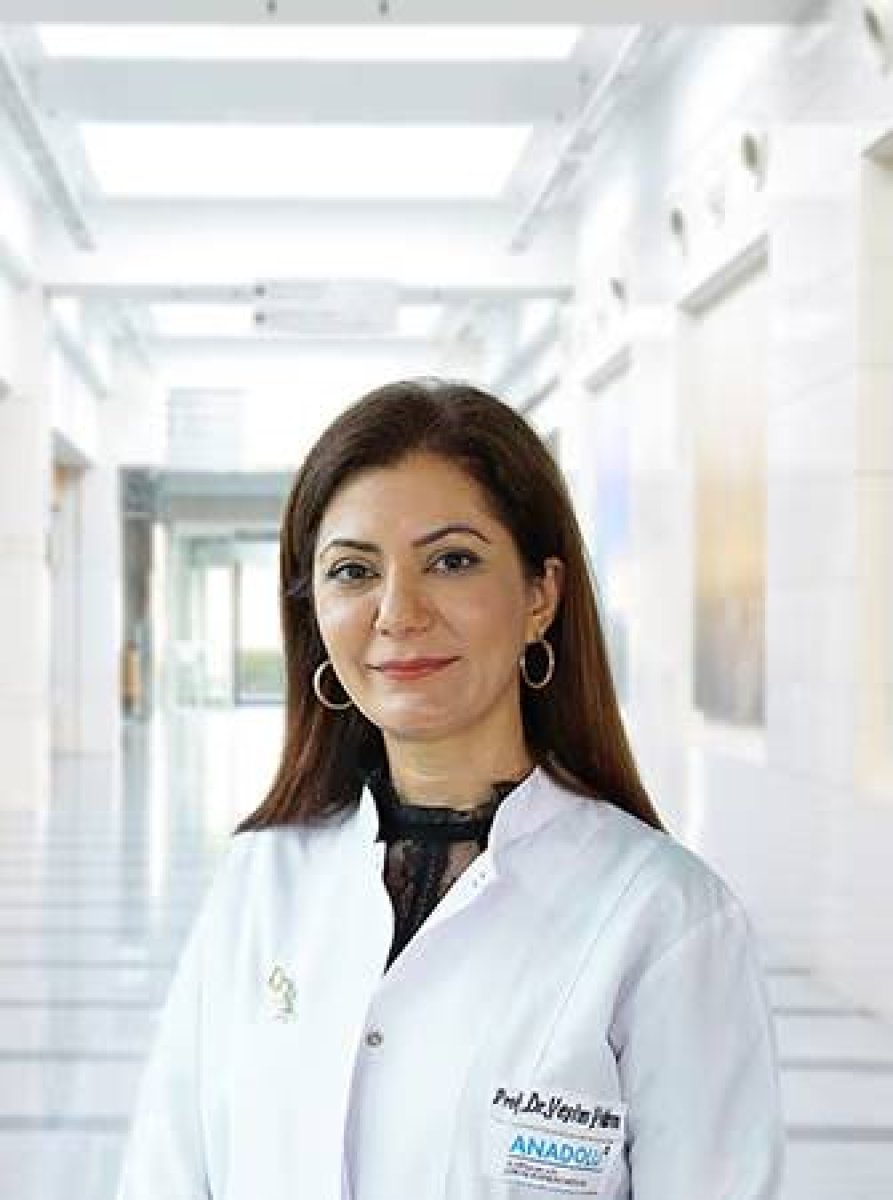
Yesim Yildirim
How it works
Bookimed is free for patients – clinics pay us a commission, and you pay the clinic its own price with no markup. Five steps to your laryngectomy in Thailand:
Share your case
Tell us about your condition and share your latest medical reports and scans.
Get treatment plans
Your coordinator finds clinics that match your needs and helps you choose. Your preferred clinics then send personalized treatment plans and quotes for you to compare.
Plan your trip
We set treatment dates that work for you and help arrange your flights and accommodation. If needed, we request a visa support letter from the clinic.
Visit the clinic
The clinic team performs your laryngectomy on the agreed dates. We support you throughout your trip.
Recover at home
You can fly home 2–4 weeks after surgery, and your result settles over 6–12 months. Your coordinator stays in touch and helps arrange a follow-up if you need one.
Some clinics ask for a deposit. A $200 or €200 deposit paid through Bookimed comes off your clinic bill and is refundable up to 10 calendar days before your visit. A deposit paid to the clinic follows its own terms.
Laryngectomy Prices by Clinic in Thailand









Get matched with the best doctors for Laryngectomy
Tell us about your needs — and get 3 tailored offers from top doctors for you.
Do you have any medical records related to your issue?
Direct prices from clinics
Free evaluation of your medical case
Free personal assistance 24/7
Thailand Laryngectomy overview
Cost and clinics
| Typical laryngectomy price in Thailand | Clinics | Accreditations | Cities |
|---|---|---|---|
| $14,000 / ฿476,000–$24,000 / ฿816,000 | 1 clinic | ISO, JCI, GHA | Bangkok |
The procedure
| Before the trip | Time in Thailand | Operation time | Anesthesia | Back to desk work | Final result |
|---|---|---|---|---|---|
| Prepare by staging, tests, stop smoking and alcohol, and speech therapy | 2–4 weeks, including 7–14 nights in hospital | 4–8 hours | General | 6–17 weeks | 6–12 months |
How much does a Laryngectomy cost in Thailand?
Laryngectomy in Thailand is estimated from $14,000 / ฿476,000 to $24,000 / ฿816,000. The final estimate depends on whether surgery is partial or total, case complexity, and hospital choice.
Laryngectomy in Thailand is estimated from $14,000 / ฿476,000 to $24,000 / ฿816,000. The final estimate depends on whether surgery is partial or total, case complexity, and hospital choice. Bangkok is a major treatment destination. In the US, this procedure costs $87,500 / ฿2,975,000 on average. Typical quoted costs may include preoperative assessments, laboratory tests and imaging, surgeon and specialist fees, anesthesia, operating-room charges, and standard inpatient care.
- Partial versus total surgery. Total laryngectomy typically costs 30–40% more because it is more extensive.
- Hospital selection. Premier Bangkok hospitals may price toward the higher end than smaller or regional facilities.
- Additional oncology care. Radiation therapy and chemotherapy may be billed separately from surgery.
- Rehabilitation. Specialized speech-language pathology may add a separate treatment cost.
This figure is an estimate, not a clinic quote. A written plan should specify the planned extent of surgery and included hospital days. It should also clarify whether tests, imaging, follow-up oncology care, and rehabilitation are included or priced separately. Comparing these line items helps patients build a more complete treatment budget.
| Thailand | Turkey | Austria | |
|---|---|---|---|
| Laryngectomy | ≈ $14,000 / ฿476,000 | from $12,000 / ฿408,000 | ≈ $24,000 / ฿816,000 |
How to choose a Laryngectomy clinic in Thailand
For laryngectomy in Thailand, discuss your needs and medical history, confirm who will perform the procedure, ask about the surgeon’s qualifications, and ensure the team reviews your records before treatment.
What to check
Plan a consultation
Before committing, share your needs and medical history, then ask whether the proposed care fits them.Confirm the operator
Ask which laryngectomy technique is planned, confirm the surgeon you consult will perform it, and request similar-case examples to discuss realistic expectations.Check qualifications
Ask about specialist training and experience, and whether the surgeon is licensed by the Medical Council of Thailand.Review medical records
Ensure the surgical team has received and examined your complete medical file before treatment.
Discover Laryngectomy Clinics in Thailand
| Clinic Name | Patient Rating | About | Accreditations | Lead Doctor | Techniques |
|---|---|---|---|---|---|
| Bumrungrad International Hospital Bangkok | 4.6 (131 reviews) | Bumrungrad International Hospital serves over 1 million patients annually, with 50% coming from abroad. The facility is ranked among the world's top hospitals for advanced technology. Dr. Prayuth Tunsuriyawong, an otorhinolaryngologist, provides specialized care for laryngectomy procedures. | ISO, JCI, GHA | CT (computer tomography), PET/CT |
Our Doctors
View all Doctors
Prayuth Tunsuriyawong
The doctor is a highly skilled otorhinolaryngologist with extensive experience in diagnosing and treating disorders related to the ear, nose, and throat. Specializing in both surgical and non-surgical interventions, the doctor has contributed significantly to advancements in minimally invasive procedures. With board certification and numerous publications in peer-reviewed journals, the doctor is recognized for excellence in patient care and innovative treatment methodologies. The doctor is affiliated with several prestigious medical institutions and has been actively involved in clinical research projects to improve patient outcomes.
Laryngectomy recovery timeline: what to expect week by week
You can usually fly home 14–28 days after surgery with surgeon clearance, once discharged without a fistula and with a stable stoma and oral intake. You may return to work 42–120 days after surgery, with desk work potentially resuming earlier than manual work. Strenuous exercise and heavy lifting can usually resume 6–12 weeks after surgery, once your surgeon clears you. Your final result may take 6–12 months to settle, as swallowing, stoma care, and speech stabilize.
About 7–14 nights
Your team suctions and humidifies your stoma, teaches you its care, and provides tube feeding initially. Walking can start within 1–2 days, but avoid lifting and expect nonverbal communication until rehabilitation starts.
Weeks 2–6
Wound healing, oral eating, and speech rehabilitation begin. You may fly home 14–28 days after surgery once discharged with a stable stoma, oral intake, and surgeon clearance. Protect your stoma from water, dust, and cold air, and avoid swimming.
Weeks 6–12 and beyond
Voice rehabilitation may use a prosthesis, electrolarynx, or esophageal speech. Work and exercise resume after surgeon clearance. Protect your permanent stoma from immersion, and ask your surgeon about water sports and special equipment.
When to contact your clinic: Seek emergency help for breathing difficulty or a blocked stoma. Contact your clinic for bleeding, fever, neck swelling, wound leakage, chest pain, or leg swelling.
Is a Laryngectomy in Thailand safe?
Traveling to Thailand for a Laryngectomy
Laryngectomy in Thailand: Video Reviews from Bookimed Patients
Thailand Laryngectomy Reviews at Bookimed: Discover Patients' Insights
View allShare this content
 Anna Leonova
FAQ about Laryngectomy in Thailand
What are the primary benefits of choosing Thailand for a laryngectomy?
Thailand offers laryngectomy patients world-class surgical expertise, immediate access to advanced oncology centers, and significant cost reductions. Leading JCI-accredited facilities in Bangkok provide comprehensive voice rehabilitation, specialized nursing for stoma care, and internationally trained surgeons with extensive experience in complex throat reconstructions.
- Financial efficiency: Save approximately 78% compared to US costs of $87,500.
- Accredited facilities: Clinics like Bumrungrad International Hospital hold JCI and GHA certifications.
- Rapid access: Surgery typically proceeds within 2 to 4 weeks of consultation.
- Vocal rehabilitation: Post-operative programs include speech-language pathology and tracheoesophageal puncture training.
Bookimed Expert Insight: Thailand leads in medical hospitality by integrating 5-star recovery environments with intensive care. Hospitals like Bumrungrad treat patients from 190 countries and feature over 1,300 doctors. This high international volume ensures staff are experts in cross-border coordination and complex post-surgical stoma management.
Patient Consensus: Patients value the all-in-one packages that bundle pre-op scans with speech therapy. Many highlight the 24/7 nursing support and early start to voice rehabilitation as key recovery benefits.
How will I communicate after the surgery?
Communication after a laryngectomy involves a multi-stage transition from non-verbal tools to specialized speech methods. Most patients utilize writing pads, picture boards, or text-to-speech apps for the first 4 weeks. Specialized speech-language pathology training then introduces an electrolarynx, esophageal speech, or a surgical TEP prosthesis.
- Immediate post-op: Use writing pads, picture boards, or mobile apps for the first 1–4 weeks.
- Electrolarynx device: This handheld buzzing device often becomes an available speech option by post-op day 3.
- Secondary procedures: A TEP prosthesis valve requires surgery 4–8 weeks later for near-normal vocal quality.
- Long-term therapy: Esophageal speech takes 3–6 months of consistent clinical practice to achieve natural sound.
Bookimed Expert Insight: Thailand's premier centers like Bumrungrad International Hospital serve over 500,000 international patients annually. Their oncology departments frequently pair surgery with virtual speech therapy sessions. This allows you to continue specialist training with English-speaking therapists after returning home.
Patient Consensus: Expect 1–3 months of initial frustration before finding a rhythm with your chosen device. Many suggest joining digital support communities early to navigate the daily maintenance and practical learning curve.
What are the biggest lifestyle adjustments after laryngectomy?
Lifestyle adjustments after laryngectomy involve transitioning to neck breathing through a permanent stoma and adopting new communication methods. Patients must manage airway humidity, relearn swallowing techniques, and adapt to reduced senses of taste and smell while engaging in specialized speech rehabilitation programs.
- Speech rehabilitation: Patients use an electrolarynx, esophageal speech, or tracheoesophageal prosthesis (TEP).
- Airway protection: Wearing heat and moisture exchangers (HME) replaces the nose's filtration functions.
- Water precautions: Swimming is prohibited as water entering the stoma leads to drowning.
- Stoma hygiene: Regular cleaning and suctioning every 1–2 hours prevent mucus buildup and blockage.
- Sensory changes: Bypassing the nose significantly diminishes the ability to smell and taste.
Bookimed Expert Insight: While patients often fear social isolation, Thailand offers a unique recovery advantage. The naturally high humidity levels in Bangkok help keep the stoma moist. This reduces the risk of thick mucus plugs common in drier climates. Clinics like Bumrungrad International Hospital utilize digital imaging to precisely map post-op anatomy. This ensures a better fit for TEP devices and reduces the 20–30% initial failure rate seen elsewhere.
Patient Consensus: Many feel `reborn` after cancer despite the 6–12 month adjustment period. They recommend stockpiling TEP batteries and using dust masks in smoggy cities to protect the airway.
Will my sense of taste or smell change?
Laryngectomy results in the permanent loss of natural smell as the stoma bypasses the nose. Since smell drives 80% of flavor perception, most patients experience diminished taste. Rehabilitation techniques like the polite yawn or scent training can help partially restore sensory engagement.
- Nasal bypass: Air no longer flows through the nasal cavity to reach olfactory sensors.
- Flavor perception: Food often tastes bland or metallic because smell is essential for flavor.
- Specific sensitivities: Many patients find sweet flavors and meats are those most significantly affected.
- Smell rehabilitation: Techniques like stomaphagia or scent training help redirect air to the nose.
Bookimed Expert Insight: Thailand's quaternary centers like Bumrungrad treat over 1 million patients annually with high tech integration. They often use AI-driven diagnostic imaging to pinpoint tumor boundaries. This precision helps preserve more peripheral nerves during surgery. Such detail can positively impact your sensory recovery potential later.
Patient Consensus: Patients find that using strong textures and extreme temperatures helps make eating more enjoyable. Many emphasize that starting daily scent training through the stoma early provides better long-term results.
Where are the best hospitals for laryngectomy in Thailand?
The best hospitals for laryngectomy in Thailand are located in Bangkok, primarily at JCI-accredited facilities like Bumrungrad International Hospital and Bangkok Hospital. These centers offer multidisciplinary head and neck oncology units, specialized ENT surgeons, and advanced post-operative rehabilitation for stoma care and speech restoration.
- Specialized facilities: Bumrungrad features 70 departments and treats 1.1 million patients annually.
- Expert surgeons: Doctors like Prayuth Tunsuriyawong at Bumrungrad specialize in complex otorhinolaryngology.
- Advanced technology: Bangkok Hospital utilizes minimally invasive techniques to accelerate swallowing and recovery.
- Recovery support: Samitivej Sukhumvit provides dedicated 24/7 nursing care for post-op stoma management.
Bookimed Expert Insight: Data shows a high concentration of laryngectomy expertise in Bangkok private hospitals compared to regional hubs. While public hospitals handle high volumes, international patients benefit from private facilities where surgeons rotate across top clinics. This mobility allows patients to access world-class oncology specialized teams without the long wait times seen in public systems.
Patient Consensus: Patients advocate for private Bangkok hospitals to ensure superior rehabilitation support and avoid language barriers. Many highlight the exceptional post-operative training for TEP valves and stoma care as life-changing features.
How long is the typical hospital stay after laryngectomy?
A typical hospital stay after a laryngectomy in Thailand generally lasts between 7 and 14 days. Patients usually spend the initial 24 to 48 hours in the intensive care unit for close respiratory monitoring before moving to a specialized surgical ward for recovery and rehabilitation.
- Intensive monitoring: The first 2 days focus on airway management and vital sign stability in the ICU.
- Nutritional support: Most patients use a feeding tube for 5 to 14 days until swallowing safely resumes.
- Rehabilitation training: Hospital stays include essential training for stoma care, suctioning, and new speech techniques.
- Discharge criteria: Doctors require patients to demonstrate independent stoma maintenance and stable wound healing before discharge.
Bookimed Expert Insight: High-volume centers like Bumrungrad International Hospital utilize advanced digital imaging and robotic systems that can streamline the recovery process. Our data shows that facilities performing more than 5 cases annually often reduce the average stay to around 8 days. Choosing a technologically advanced clinic in Bangkok helps ensure access to multidisciplinary teams who stabilize swallowing functions faster.
Patient Consensus: Many patients find that mastering stoma care early is the fastest way to get home. They often advise having a dedicated caregiver available for the first 2 weeks post-discharge to assist with monitoring and emergency response.
Last review: Nov 20, 2026
Yesim Yildirim — 20 years of experience Medical oncologist, ESMO certified
Have a question about Laryngectomy in Thailand?
Ask a Bookimed medical coordinator about prices, clinics, techniques or your case. Write to us in the messenger you already use.
- Direct prices from clinics
- Free evaluation of your medical case
- Free personal assistance 24/7
Ask your question in a messenger
Tap a messenger to open a chat with a Bookimed medical coordinator.
Free and without obligation · Terms of use · Privacy policy