Leiomyosarcoma Removal in Thailand: costs, clinics and reviews
Leiomyosarcoma removal in Thailand is offered by Bumrungrad International Hospital, an ISO-certified and JCI-accredited clinic in Bangkok. The clinic is rated 4.6/5 in 131 verified patient reviews on Bookimed.

Last updated: Nov 20, 2026
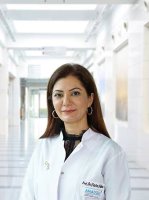
Medically reviewed by
Yesim Yildirim
How it works
Bookimed is free for patients – clinics pay us a commission, and you pay the clinic its own price with no markup. Five steps to your leiomyosarcoma removal in Thailand:
Share your case
Tell us about your condition and share your latest scans and medical reports.
Get treatment plans
Your coordinator finds clinics that match your needs and helps you choose. Your preferred clinics then send personalized treatment plans and quotes for you to compare.
Plan your trip
We set treatment dates that work for you and help arrange your flights and accommodation. If needed, we request a visa support letter from the clinic.
Visit the clinic
The clinic team performs your leiomyosarcoma removal on the agreed dates. We support you throughout your trip.
Recover at home
You can fly home 7–14 days after surgery, and your recovery takes 3–12 months. Your coordinator stays in touch and helps arrange a follow-up if you need one.
Some clinics ask for a deposit. A $200 or €200 deposit paid through Bookimed comes off your clinic bill and is refundable up to 10 calendar days before your visit. A deposit paid to the clinic follows its own terms.
Leiomyosarcoma Removal Prices by Clinic in Thailand









Get matched with the best doctors for Leiomyosarcoma Removal
Tell us about your needs — and get 3 tailored offers from top doctors for you.
Do you have any medical records related to your issue?
Direct prices from clinics
Free evaluation of your medical case
Free personal assistance 24/7
Thailand Leiomyosarcoma Removal overview
Cost and clinics
| Typical leiomyosarcoma removal price in Thailand | Clinics | Accreditations | Cities |
|---|---|---|---|
| $5,500 / ฿187,000–$9,500 / ฿323,000 | 1 clinic | ISO, JCI, GHA | Bangkok |
The procedure
| Before the trip | Time in Thailand | Operation time | Anesthesia | Back to desk work | Final result |
|---|---|---|---|---|---|
| Have pathology review and imaging, chest CT, blood tests, stop smoking and blood thinners as advised | 7–14 days, including 2–5 nights in hospital | 2–6 hours | General | 4–9 weeks | 3–12 months |
How much does a Leiomyosarcoma Removal cost in Thailand?
Leiomyosarcoma removal in Thailand typically costs from $5,500 / ฿187,000 to $9,500 / ฿323,000. The final price depends on tumor location, size, and surgical complexity.
Leiomyosarcoma removal in Thailand typically costs from $5,500 / ฿187,000 to $9,500 / ฿323,000. The final price depends on tumor location, size, and surgical complexity. In the United States, this procedure costs $58,500 / ฿1,989,000 on average. Patients save approximately 87% by choosing Thailand. Fees generally cover surgeon costs, operating room use, and essential pathology for tumor staging.
- Tumor location: Deep retroperitoneal or visceral removals add 30-50% compared to superficial masses.
- Hospital tier: Prices in Bangkok hubs often run 20% higher than regional centers.
- Post-operative care: Intensive care unit stays and extended inpatient recovery add to total costs.
- Adjuvant therapy: Follow-up radiation or chemotherapy involves separate charges beyond the surgical fee.
Bookimed Expert Insight: Choosing a JCI-accredited facility like Bumrungrad International Hospital provides elite-level oncology care. This clinic uses IBM Watson for Oncology to personalize treatment plans. It treats over one million patients annually from 190 countries. Their 50% international patient mix ensures seamless English-speaking support. While premier centers cost more, their high surgical volumes often lead to better outcomes.
| Thailand | Turkey | Austria | |
|---|---|---|---|
| Leiomyosarcoma Removal | ≈ $5,500 / ฿187,000 | ≈ $7,500 / ฿255,000 | ≈ $11,500 / ฿391,000 |
How to choose a Leiomyosarcoma Removal clinic in Thailand
For leiomyosarcoma removal in Thailand, confirm who will perform the procedure, assess the surgeon’s qualifications and facility, read patient comments, and arrange follow-up.
What to check
Surgeon and procedure
Confirm the doctor you meet will perform leiomyosarcoma removal, not an assistant or another team member – share your full medical history at consultation.Credentials and setting
Ask whether the operating doctor is licensed by the Medical Council of Thailand and has specialist training and board certification – confirm recognized safety, cleanliness, and equipment standards.Review notes
Read what people write about the doctor, care, and trip, not only the score – ask for examples of similar cases handled by that doctor.Ongoing support
Before booking, confirm who will provide aftercare and handle complications after you return home, since continued contact may be needed.
Discover Leiomyosarcoma Removal Clinics in Thailand
| Clinic Name | Patient Rating | About | Accreditations | Lead Doctor | Techniques |
|---|---|---|---|---|---|
| Bumrungrad International Hospital Bangkok | 4.6 (131 reviews) | Bumrungrad International Hospital is a globally recognized facility treating over 1 million patients annually, with specialized expertise in oncology. The hospital ranks among the top 10 worldwide and serves patients from 190+ countries. Dr. Yongyut Sirivatanauksorn, an oncosurgeon specializing in gastrointestinal tract treatments, provides care for leiomyosarcoma cases. | ISO, JCI, GHA | CT (computer tomography), PET/CT |
Our Doctors
View all Doctors
Yongyut Sirivatanauksorn
Dr. Yongyut Sirivatanauksorn is a surgical oncologist at Bumrungrad International Hospital in Bangkok. He treats cancers of the digestive system, including pancreatic, liver, and stomach cancer. He works at a hospital that treats over 1 million patients annually, holds JCI accreditation, and was named among the World’s Best Hospitals by Newsweek.
- Performs surgeries including liver resection and small intestine resection.
- Treats gastrointestinal malignancies such as gallbladder and colon cancer.
- Works at a center accredited by the Global Healthcare Accreditation Program.
- Specializes in surgery for sigmoid adenocarcinoma and rectal resection.
Our Leiomyosarcoma Removal techniques
Wide local excision is usually chosen when you have localized soft-tissue leiomyosarcoma with clear planes, because the tumor is removed with a surrounding margin of normal tissue. Hysterectomy with salpingo-oophorectomy (uterine) suits you if you have a tumor confined to the uterus, because the uterus and usually both ovaries and fallopian tubes are removed.
Leiomyosarcoma Removal recovery timeline: what to expect week by week
You can usually fly home 7–14 days after surgery, with your surgeon’s approval after drain removal, a wound check, and pathology review. Desk work may resume in 4–9 weeks after wound healing, depending on the tumor site and extent of surgery, while physical work may take longer. Light activity can start earlier, but strenuous exercise usually resumes after 8–12 weeks, once your surgeon clears you. The final result may take 3–12 months, with wound and functional recovery assessed over time and cancer status judged through surveillance imaging.
Days 0–5
Pain may be moderate to severe for the first days, and a combination of pain medicines helps control it. You’ll receive drain care and start moving early. Avoid heavy lifting, and limit weight-bearing if your care team instructs you.
Weeks 1–4
Your wound heals, stitches are removed, pathology results are reviewed, and you gradually walk. With your surgeon’s approval, you may usually fly home after 7–14 days, while keeping the wound clean and dry and avoiding strenuous activity.
Weeks 4–12
You may return to work and daily activities as recovery allows, with physiotherapy if needed. Avoid heavy exercise until your surgeon clears you.
Months 3–60
You’ll have periodic examinations and imaging of your chest and the area where the tumor was removed. These checks monitor your recovery over time.
When to contact your clinic: Contact your clinic if the incision opens, if you develop a fever over 101°F, or if thick, cloudy drainage appears. For chest pain or sudden breathlessness after a long flight, seek emergency help locally.
Is a Leiomyosarcoma Removal in Thailand safe?
Traveling to Thailand for a Leiomyosarcoma Removal
Leiomyosarcoma Removal in Thailand: Video Reviews from Bookimed Patients
Thailand Leiomyosarcoma Removal Reviews at Bookimed: Discover Patients' Insights
View allShare this content
 Anna Leonova
FAQ about Leiomyosarcoma Removal in Thailand
Which hospitals in Thailand are best for leiomyosarcoma treatment?
Bumrungrad International Hospital and Wattanosoth Cancer Hospital are Thailand's premier centers for treating leiomyosarcoma. These facilities provide multidisciplinary tumor boards, advanced genomic testing, and specialized radiation therapies like Cyberknife. Both hospitals maintain Joint Commission International (JCI) accreditation, ensuring high-tier safety standards for complex soft-tissue sarcoma removals.
- Bumrungrad International: Features 30+ oncology experts and treats over 12,500 cancer patients every year.
- Wattanosoth Cancer Hospital: Operates as Thailand's first private facility dedicated solely to comprehensive cancer care.
- Specialized technology: Utilizes MR Linac and robotic surgery for precise targeting of deep-tissue tumors.
- Academic centers: Siriraj and Ramathibodi hospitals offer deep research expertise and molecular biobank access.
Bookimed Expert Insight: While Thailand offers world-class oncology, leiomyosarcoma is a rare `niche` cancer requiring high-volume expertise. Bumrungrad stands out because it treats 50% international patients and employs 1,300 doctors. This high patient volume often leads to better recognition of rare sarcoma subtypes compared to smaller local clinics.
Patient Consensus: Patients value the significant cost savings and modern facilities but emphasize verifying a surgeon's specific leiomyosarcoma case volume. Many recommend having pathology slides reviewed by international specialists before proceeding with complex surgical removals.
What are the standard surgical techniques used for leiomyosarcoma removal?
Standard surgical removal of leiomyosarcoma (LMS) involves wide local excision to achieve R0 resection with negative margins. Surgeons aim for 1 to 2 cm of healthy tissue surrounding the tumor. This aggressive approach prevents local recurrence. Achieving clear margins remains the primary goal regardless of tumor location.
- Uterine resection: Total hysterectomy with bilateral salpingo-oophorectomy is standard for uterine cases.
- En bloc technique: Surgeons remove the tumor and adjacent organs together to prevent rupture.
- Vascular reconstruction: Retroperitoneal cases may require resecting and grafting major veins like the IVC.
- Limb-salvage surgery: This preserves extremity function while removing the tumor with a wide cuff.
Bookimed Expert Insight: While open surgery is the gold standard for deep LMS, high-volume centers like Bumrungrad International Hospital utilize the da Vinci robotic system for smaller localized tumors under 5 cm. This technological access allows for precise dissection. Choosing a facility with multivisceral resection capabilities is vital for complex retroperitoneal cases involving multiple organs.
Patient Consensus: Patients emphasize that prioritizing complete tumor removal over organ-sparing approaches is crucial for long-term survival. Many highlight the importance of intraoperative frozen section analysis to confirm clear margins before completing the procedure.
What is the typical recovery and rehabilitation timeline after leiomyosarcoma surgery in Thailand?
Recovery after leiomyosarcoma surgery in Thailand involves a 5 to 10-day hospital stay with early mobilization starting within 48 hours. Patients typically return to light activities by week 4, though full functional restoration of muscle and nerve tissue often requires 6 to 12 months of specialized oncology rehabilitation.
- Hospital phase: Most patients spend 5 to 7 days inpatient at Joint Commission International-accredited facilities.
- Early mobility: Gentle walking begins by day 3 to prevent blood clots and lung complications.
- Wound recovery: Initial healing takes 2 weeks, with surgical drains often removed before discharge.
- Specialized rehabilitation: Clinics like KIN Wellness provide intensive 30-day programs for muscle and nerve recovery.
- Long-term surveillance: Strict follow-ups occur every 3 to 6 months during the first 3 years.
Bookimed Expert Insight: While general physical therapy is common, top-tier Bangkok hospitals like Bumrungrad International Hospital offer multidisciplinary teams that address sarcoma-specific scarring. Data shows fatigue often outlasts physical pain, making specialized oncology rehab crucial by week 4 to prevent permanent muscle weakness or neuropathy.
Patient Consensus: Many patients report that while they could walk by day 5, lingering bowel issues from anesthesia were more challenging than incision pain. They emphasize starting gentle walking early but warn against returning to work before week 8 to avoid setbacks.
Last review: Nov 20, 2026
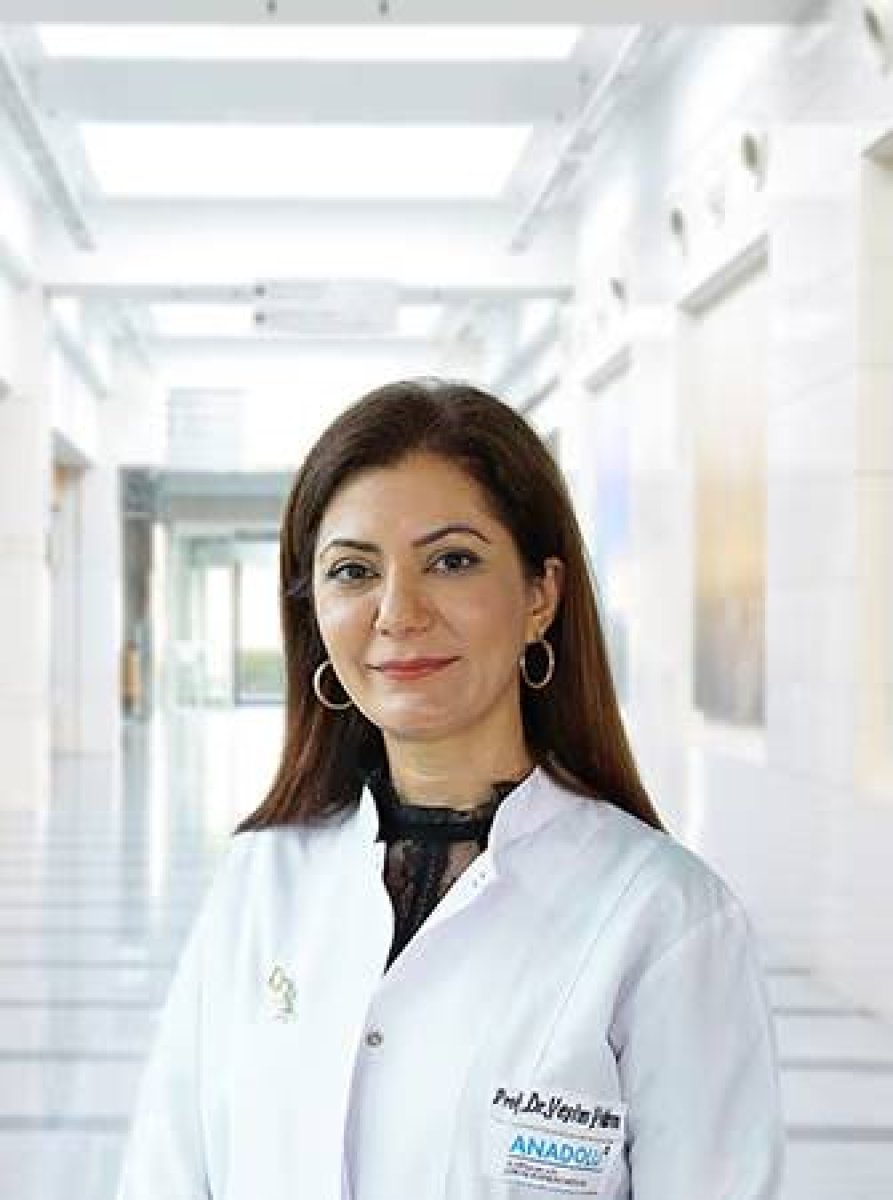
Yesim Yildirim — 20 years of experience Medical oncologist, ESMO certified
Have a question about Leiomyosarcoma Removal in Thailand?
Ask a Bookimed medical coordinator about prices, clinics, techniques or your case. Write to us in the messenger you already use.
- Direct prices from clinics
- Free evaluation of your medical case
- Free personal assistance 24/7
Ask your question in a messenger
Tap a messenger to open a chat with a Bookimed medical coordinator.
Free and without obligation · Terms of use · Privacy policy