Nephrectomy in Thailand: costs, clinics and reviews
Bookimed lists 3 nephrectomy clinics in Thailand, in Bangkok and Pattaya, including ISO-certified and JCI-accredited clinics. These clinics are rated 4.6/5 in 162 verified patient reviews on Bookimed.

Last updated: 11/10/2026

Medically reviewed by
Yesim Yildirim
How it works
Bookimed is free for patients – clinics pay us a commission, and you pay the clinic its own price with no markup. Five steps to your nephrectomy in Thailand:
Share your case
Tell us about your case and share your latest scans and medical reports.
Get treatment plans
Your coordinator finds clinics that match your needs and helps you choose. Your preferred clinics then send personalized treatment plans and quotes for you to compare.
Plan your trip
We set treatment dates that work for you and help arrange your flights and accommodation. If needed, we request a visa support letter from the clinic.
Visit the clinic
The clinic team performs your nephrectomy on the agreed dates. We support you throughout your trip.
Recover at home
You can fly home 7–10 days after surgery, with full recovery taking 1–3 months. Your coordinator stays in touch and helps arrange a follow-up if you need one.
Some clinics ask for a deposit. A $200 or €200 deposit paid through Bookimed comes off your clinic bill and is refundable up to 10 calendar days before your visit. A deposit paid to the clinic follows its own terms.
Nephrectomy Prices by Clinic in Thailand













Get matched with the best doctors for Nephrectomy
Tell us about your needs — and get 3 tailored offers from top doctors for you.
Do you have any medical records related to your issue?
Direct prices from clinics
Free evaluation of your medical case
Free personal assistance 24/7
Thailand Nephrectomy overview
Cost and clinics
| Typical nephrectomy price in Thailand | Clinics | Accreditations | Cities | Nephrectomy surgeons |
|---|---|---|---|---|
| $9,500 / ฿323,000–$16,500 / ฿561,000 | 3 clinics | ISO (2 clinics), JCI (2), GHA (1), TEMOS (1) | Bangkok (0 clinics), Pattaya (0) | 2 surgeons |
The procedure
| Before the trip | Time in Thailand | Operation time | Anesthesia | Back to desk work | Final result |
|---|---|---|---|---|---|
| Get imaging and blood tests, assess fitness, review medications, stop smoking | 7–10 days, including 2–5 nights in hospital | 2–4 hours | General | 2–6 weeks | 1–3 months |
How much does a Nephrectomy cost in Thailand?
Nephrectomy in Thailand is estimated from $9,500 / ฿323,000 to $16,500 / ฿561,000; the final quote depends on surgical approach, case complexity, and hospital tier. The US average is $53,000 / ฿1,802,000 on average.
| Thailand | Turkey | Austria | |
|---|---|---|---|
| Nephrectomy | ≈ $9,500 / ฿323,000 | from $4,800 / ฿163,200 | ≈ $14,500 / ฿493,000 |
| Nephrectomy with Da Vinci Robot | ≈ $11,500 / ฿391,000 | from $18,500 / ฿629,000 | ≈ $17,500 / ฿595,000 |
| Kidney-sparing surgery | ≈ $8,000 / ฿272,000 | from $7,000 / ฿238,000 | ≈ $20,000 / ฿680,000 |
How to choose a Nephrectomy clinic in Thailand
For nephrectomy in Thailand, compare clinic locations, confirm the operating surgeon, assess surgeon qualifications, evaluate facility standards, and read patient reviews.
What to check
Compare locations
Bookimed lists 3 clinics for nephrectomy in Thailand – top-ranked choices are in Bangkok and Pattaya.Identify the operator
Ask whether the doctor you meet will personally perform the nephrectomy technique you need, rather than another team member.Arrange a consultation
Request time to ask questions, have the surgeon review your medical history and treatment plan, and ask for nephrectomy experience examples.Assess credentials
Ask about the surgeon’s training and whether they are licensed by the Medical Council of Thailand – consider whether the clinic meets your expected facility standards.
Discover Nephrectomy Clinics in Thailand
| Clinic Name | Patient Rating | About | Accreditations | Lead Doctor | Techniques |
|---|---|---|---|---|---|
| Wansiri Hospital Bangkok | 4.5 (32 reviews) | Wansiri Hospital specializes in nephrectomy with a team of experienced surgeons, though none of the listed doctors specifically highlight urology or nephrectomy experience. The hospital maintains high surgical success rates across various procedures. Patients benefit from global-standard facilities and digitized medical operations. | — | — | Online Consultation with Dermatologist, Basic check-up |
| Bumrungrad International Hospital Bangkok | 4.6 (131 reviews) | Bumrungrad International Hospital specializes in nephrectomy with Dr. Kittinut Kijvikai, a urologist experienced in robotic-assisted procedures and prostate cancer research. The hospital serves over 1 million patients annually, including 50% international patients from 190+ countries, and is recognized among the world's top medical facilities. | ISO, JCI, GHA | Consultation with a urologist, Colonoscopy | |
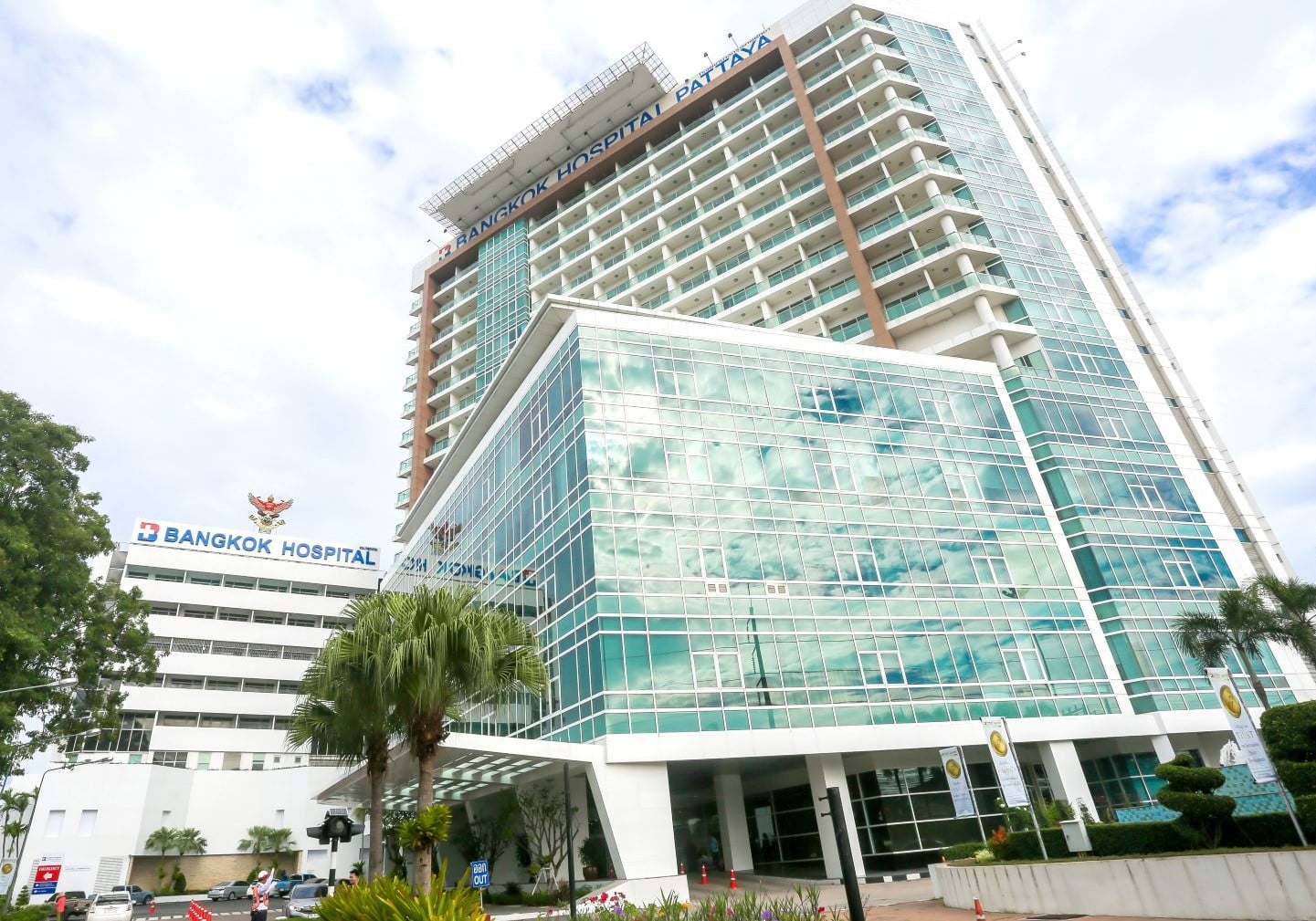
| Bangkok Hospital Pattaya Pattaya | 4.0 | Forty percent of international medical tourists pick Bangkok Hospital Pattaya. It treats over 400,000 patients yearly from 150 countries and holds JCI accreditation. Part of the Bangkok Dusit Medical Services group, its top specialties are cardiology and cosmetic surgery. Heart Center performs coronary bypass surgery without a heart-lung machine. Received the Prime Minister's Export Award for services to international patients. Digital Mammogram with Tomosynthesis offers 2D and 3D breast imaging in 10 seconds with less pain. 128-Slice CT scans coronary arteries in 4 seconds with 90% accuracy. Accredited by TEMOS and certified under ISO 9001 by TÜV NORD. | JCI, ISO, TEMOS | — | — |
Our Doctors
View all Doctors
Yatip Mukdaloy
Board-certified nephrologist trained at Siriraj Hospital – Dr. Mukdaloy specializes in kidney-related procedures at Intrarat Hospital.
- Diploma in Nephrology from Thailand's top medical school
- Published research on kidney transplant medication protocols
- Member of The Royal College of Physicians of Thailand
- Performs both surgical and non-surgical kidney treatments

Kittinut Kijvikai
Dr. Kittinut Kijvikai specializes in advanced urologic surgeries, including nephrectomy, at Bumrungrad International Hospital.
- Expert in robotic-assisted da Vinci prostatectomy
- Published research on improving perioperative outcomes
- Contributed to studies on robotic cystectomy for bladder cancer
- Focuses on minimally invasive surgical techniques
Where to get a Nephrectomy in Thailand
Bangkok has more clinic options for nephrectomy in Thailand, giving you a wider choice of centers. As the capital and a major international gateway, Bangkok is served by Suvarnabhumi Airport, 24 km from the city center, with rail and taxi links for onward travel.
Nephrectomy recovery timeline: what to expect week by week
You can usually fly home 7–10 days after surgery. Do so after hospital discharge and a wound check. Desk work often resumes in 2–6 weeks, while you can gradually resume heavy lifting and strenuous exercise after surgeon clearance at 4–8 weeks. Full recovery of strength and incision healing may take 1–3 months, while remaining kidney function adapts over weeks to months.
Days 0–5
You may have moderate to significant pain, usually strongest in the first 2–3 days. Pain medicine can help control it. You can start walking early as your diet returns and your catheter and drain are removed. Avoid driving and lifting.
Weeks 1–2
You can usually fly home 7–10 days after surgery. Do so after hospital discharge and a wound check. You can gradually increase walking and care for your wound, though fatigue is common. Do not lift over about 4–5 kg or drive while taking opioids.
Weeks 2–6
You can return to desk work and light activities, with laparoscopic surgery at the shorter end and open surgery at the longer end. Avoid heavy lifting and strenuous exercise until your surgeon clears you.
Weeks 6–12
Your strength and incision healing may take 1–3 months, while remaining kidney function adapts over weeks to months. Return to full activity as your surgeon clears you.
When to contact your clinic: Contact your clinic for heavy bleeding from your incision or a fever over 100°F. Seek emergency care for shortness of breath or chest pain.
Traveling to Thailand for a Nephrectomy
Nephrectomy in Thailand: Video Reviews from Bookimed Patients
Thailand Nephrectomy Reviews at Bookimed: Discover Patients' Insights
View allShare this content
 Anna Leonova

FAQ about Nephrectomy in Thailand
When is it safe to fly home after nephrectomy?
Safe air travel after a nephrectomy typically requires waiting 10 to 14 days for laparoscopic or robotic procedures. Open surgery patients generally need 4 to 6 weeks. Surgeons at JCI-accredited facilities like Bumrungrad International Hospital prioritize these timelines to manage risks like deep vein thrombosis and internal gas expansion.
- Laparoscopic recovery: Patients often fly within 10–14 days after minimally invasive keyhole surgery.
- Open surgery timeline: Invasive procedures require at least 4–6 weeks for significant incision healing.
- Robotic-assisted timeframe: Advanced Da Vinci systems typically allow for travel within 7–10 days post-op.
- Long-haul risk: Flights exceeding 4 hours increase blood clot risks, necessitating a 14-day minimum.
Bookimed Expert Insight: While many domestic patients travel sooner, international patients from the USA or Europe should plan for a 14-day stay. Data from elite Bangkok clinics shows that robotic-assisted surgeries significantly reduce the risk of gas-related pain during cabin pressure changes. Choosing a surgeon like Dr. Kittinut Kijvikai, who specializes in robotic techniques, often leads to a more predictable `fit-to-fly` clearance.
Patient Consensus: Travelers emphasize that while 10 days is common for short trips, long-haul flights require compression socks and hourly movement. Many recommend carrying a full hospital discharge summary and recent labs to ensure smooth transit through airport security.
What is the total recovery timeline after nephrectomy?
Total recovery after nephrectomy typically spans 6 to 12 weeks for a full return to normal activities. Patients generally remain hospitalized for 1 to 5 days. Initial healing occurs within 4 weeks, though reaching peak energy levels often requires 3 to 6 months of internal recovery.
- Hospital stay: Expect 1 to 2 days for laparoscopic or 3 to 5 days for open surgery.
- Work transition: Return to desk duties in 2 to 4 weeks or 6 weeks for manual labor.
- Physical restrictions: Avoid lifting over 10 pounds or strenuous exercise for at least 6 weeks.
- Energy restoration: Lingering fatigue is common and may persist for 3 to 6 months after surgery.
Bookimed Expert Insight: While patients often focus on incision healing, our data shows that selecting robotic-assisted surgery at top-tier centers like Bumrungrad International Hospital significantly reduces early-stage discomfort. Advanced technology like the Da Vinci system, used by specialists like Dr. Kittinut Kijvikai, helps patients reach functional milestones faster than traditional open surgery methods.
Patient Consensus: Many survivors report that post-operative fatigue lasted much longer than expected, often reaching 5 months. Patients also emphasize that managing constipation from anesthesia was more challenging than managing the actual surgical incision pain.
Which are the best hospitals for nephrectomy in Thailand?
Bumrungrad International Hospital and Bangkok Hospital are the premier choices for nephrectomy in Thailand due to their JCI accreditation and advanced robotic capabilities. These facilities utilize the da Vinci Xi system for precise, minimally invasive kidney-sparing surgeries, ensuring faster recovery times for international patients.
- Technological leadership: Bumrungrad utilizes robotic-assisted surgery for higher precision and significantly reduced blood loss.
- Specialized expertise: Dr. Kittinut Kijvikai at Bumrungrad specializes in complex robotic-assisted radical and partial nephrectomies.
- Accreditation standards: Top facilities maintain JCI and GHA certifications, serving over 1 million patients annually.
- Surgical options: Clinics offer laparoscopic, robotic, and open methods tailored to tumor size and location.
Bookimed Expert Insight: While many search for the lowest price, the real value in Thailand is the high volume of robotic cases. Dr. Kittinut Kijvikai at Bumrungrad is a published researcher in urological surgery, which correlates with lower complication rates. Choosing a high-volume center like Bangkok Hospital, which serves 400,000 patients yearly, ensures the surgical team handles complex renal cases daily.
Patient Consensus: Patients emphasize prioritizing surgeons with over 500 cases performed and suggest recovering in air-conditioned environments. Most find they can return to desk work within 3 weeks after minimally invasive procedures.
Who are the recommended specialists for nephrectomy in Thailand?
Recommended specialists for nephrectomy in Thailand include board-certified urological surgeons like Dr. Kittinut Kijvikai and Dr. Saorawee Weerasopone. These experts practice at JCI-accredited facilities in Bangkok, specializing in robotic-assisted and laparoscopic techniques for kidney removal and cancer treatment.
- Dr. Kittinut Kijvikai: Specializes in robotic-assisted nephrectomy at Bumrungrad International Hospital using the Da Vinci system.
- Dr. Saorawee Weerasopone: Board-certified urologist at Bangkok Hospital with international fellowship training in robotic surgery.
- Dr. Supanit Nivatvongs: Offers over 39 years of experience in kidney transplants and vascular surgery.
- Dr. Yatip Mukdaloy: Certified nephrologist at Intrarat Hospital focusing on internal medicine and renal care.
Bookimed Expert Insight: While robotic nephrectomy costs more, starting at $11,500, data shows high-volume centers like Bumrungrad serve 1,000,000 patients annually. Choosing these high-capacity hospitals often ensures access to surgeons who perform 50+ renal procedures every year.
Patient Consensus: Patients emphasize choosing JCI-accredited hospitals to avoid language barriers. Many recommend budgeting 20% extra for incidentals and preparing for high humidity, which can affect early recovery comfort.
How long is the typical hospital stay after nephrectomy?
A typical hospital stay after a nephrectomy in Thailand lasts 1 to 5 days. Minimally invasive laparoscopic or robotic procedures generally require 1 to 3 nights. Open surgery cases often extend to 4 to 7 days to manage larger incisions and ensure stable recovery.
- Surgical approach: Laparoscopic and robotic-assisted techniques typically allow discharge within 2 to 3 days.
- Discharge criteria: Patients must walk safely, manage pain with oral meds, and tolerate liquid diets.
- Open surgery: Larger incisions usually require 4 to 7 days for monitoring and pain control.
- Urinary function: Medical teams confirm patients can urinate independently after catheter removal before discharge.
Bookimed Expert Insight: Data from top-tier Bangkok centers like Bumrungrad International Hospital shows a high volume of robotic-assisted surgeries. These JCI-accredited facilities often achieve the lower end of the stay spectrum, sometimes just 1 night, by utilizing Da Vinci systems. Choosing a robotic-specialized surgeon like Dr. Kittinut Kijvikai can significantly reduce your time in a hospital bed.
Patient Consensus: Patients emphasize packing for a 5-day stay while preparing for earlier discharge. They suggest having transport and home support ready by day 2 for minimally invasive recoveries.
What is typically included in nephrectomy surgery packages in Thailand?
Nephrectomy packages in Thailand typically include laparoscopic or robotic surgery, general anesthesia, and 5 to 7 nights of hospitalization. These bundles cover pre-operative diagnostics like CT scans, surgeon fees, and nursing care in JCI-accredited facilities. Patients often save up to 75% compared to US costs.
- Surgical techniques: Covers laparoscopic, robotic Da Vinci, or traditional open nephrectomy methods.
- Clinical diagnostics: Includes pre-op blood work, chest X-rays, EKG, and diagnostic imaging.
- Hospital stay: Provides a private room, standard meals, and 24-hour nursing services.
- Logistical support: Often features airport transfers, international patient coordinators, and translation services.
Bookimed Expert Insight: While basic packages cover 5 to 7 hospital nights, complex cases may require a 4-day ICU stay plus ward time. Clinics like Bumrungrad International Hospital manage over 1 million patients annually and specialize in these high-acuity transitions. Always confirm if your quote includes the standard 1-month post-op imaging to avoid $2,000 in unexpected fees.
Patient Consensus: Patients recommend budgeting 20% extra for items like dental clearance or extended physiotherapy. Many suggest verifying if packages include visa extensions, as recovery often lasts 2 to 6 weeks before flying home.
Last review: 11/10/2026
Yesim Yildirim — 20 years of experience Medical oncologist, ESMO certified
Have a question about Nephrectomy in Thailand?
Ask a Bookimed medical coordinator about prices, clinics, techniques or your case. Write to us in the messenger you already use.
- Direct prices from clinics
- Free evaluation of your medical case
- Free personal assistance 24/7
Ask your question in a messenger
Tap a messenger to open a chat with a Bookimed medical coordinator.
Free and without obligation · Terms of use · Privacy policy