Testicular prosthesis in Thailand: costs, clinics and reviews
Testicular prosthesis in Thailand is offered by Menness Wellness Clinic in Bangkok. The clinic is rated 4.9/5 in 10 verified patient reviews on Bookimed.
Want to explore more options? You can also browse all 4 clinics below.
Bookimed is free for patients – clinics pay us a commission, and you pay the clinic its own price with no markup. Five steps to your testicular prosthesis in Thailand:
Share your case
Tell us about your case and share any recent medical reports.
Get treatment plans
Your coordinator finds clinics that match your needs and helps you choose. Your preferred clinics then send personalized treatment plans and quotes for you to compare.
Plan your trip
We set treatment dates that work for you and help arrange your flights and accommodation. If needed, we request a visa support letter from the clinic.
Visit the clinic
The clinic team places your testicular prosthesis on the agreed dates. We support you throughout your trip.
Recover at home
You can fly home 5–10 days after surgery, and your result settles over 1–3 months. Your coordinator stays in touch and helps arrange a follow-up if you need one.
Some clinics ask for a deposit. A $200 or €200 deposit paid through Bookimed comes off your clinic bill and is refundable up to 10 calendar days before your visit. A deposit paid to the clinic follows its own terms.
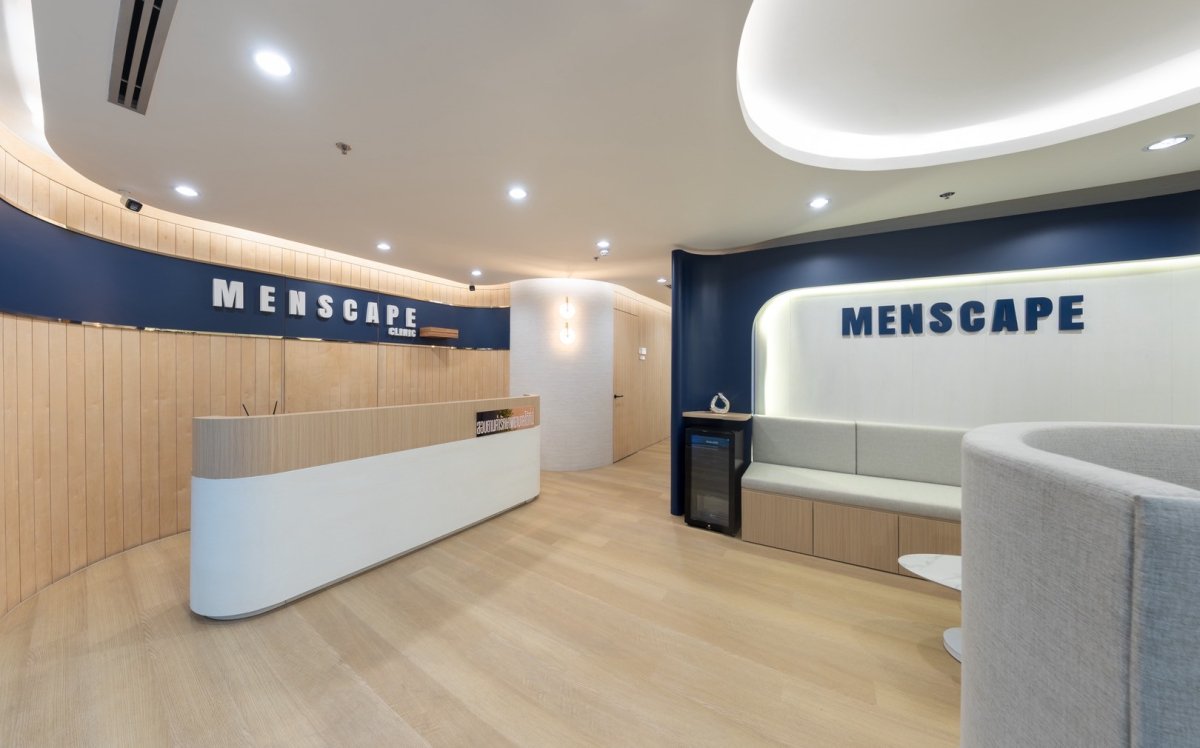
Board-certified urological surgeon Dr. Nuttaphon Luchaichana from Siriraj Hospital, Thailand's top medical university, performs this outpatient procedure at the Royal College of Surgeons Thailand-accredited Menness Wellness Clinic. For approximately $5,730, the fee covers the initial consultation, the personalized medical-grade silicone implant (6-26mm), all procedure equipment, and a dedicated follow-up visit. Patients also receive 24-hour access to a urologist via Line @Menness for immediate post-procedure support.
Coloplast Torosa™ implants use FDA-approved silicone and come with a lifetime warranty. At Menscape Clinic, this option is offered alongside standard silicone and Boston Scientific implants. Testicular implant surgery at full-service Bangkok hospitals may cost around $3,600–$5,900; consultation is around $40, including examination and symptom review. The men-only clinic is licensed by Thailand’s Ministry of Public Health and offers private consultation rooms and follow-up care.
Get matched with the best doctors for Testicular prosthesis
Tell us about your needs — and get 3 tailored offers from top doctors for you.
Do you have any chronic conditions or prior surgeries?
Direct prices from clinics
Free evaluation of your medical case
Free personal assistance 24/7
Thailand Testicular prosthesis overview
Cost and clinics
Typical testicular prosthesis price in Thailand
Packages
Clinics
Accreditations
Cities
Testicular prosthesis surgeons
$4,500 / ฿153,000–$5,700 / ฿193,800
2 package
4 clinics
RCST (1 clinic), ISO (1), JCI (1), GHA (1)
Bangkok (4 clinics)
1 surgeon
The procedure
Before the trip
Time in Thailand
Nights in hospital
Operation time
Anesthesia
Back to desk work
Final result
Consult with surgeon, review medical history, prepare for anesthesia, arrange transport home
5–10 days
None (outpatient procedure)
30–90 minutes
General
3–7 days
1–3 months
How much does a Testicular prosthesis cost in Thailand?
Testicular prosthesis in Thailand is estimated from $4,500 / ฿153,000 to $5,700 / ฿193,800. The final quote depends on implant type, one-sided versus bilateral surgery, facility, and included services.
Data verified by Bookimed as of November 2026, based on patient requests and official quotes from 35 clinics worldwide. Median costs are based on real invoices (2025–2026) and updated monthly. Actual prices may vary.
How to choose a Testicular prosthesis clinic in Thailand
For testicular prosthesis in Thailand, first narrow the clinic location, then choose the surgeon and technique, confirm qualifications and facility standards, and arrange aftercare before you book.
What to check
Clinic location
Bookimed lists 4 clinics for testicular prosthesis in Thailand – the top-ranked ones are all in Bangkok, which helps narrow where to request consultations.
Provider match
At consultation, confirm that the person you meet will carry out testicular silicone implants, and review that person’s specialist credentials.
Facility standards
Ask whether the surgeon is licensed by the Medical Council of Thailand, and clarify where the procedure and recovery will happen.
Aftercare planning
Before departure, arrange follow-up and complication management after returning home, plus local support and record-sharing with your home clinician.
Patient reviews
Read comments about the surgeon, care, and trip rather than relying on the score alone.
Discover Testicular prosthesis Clinics in Thailand
Bumrungrad International Hospital is one of Southeast Asia's largest private medical centers. Over one million patients choose it each year, including a 50% international mix from 190+ countries. Its core specialties include oncology, cardiology, orthopedics, ophthalmology, neurosciences, and health screenings. First hospital in Asia to earn JCI accreditation, plus GHA and DNV-GL infection risk certification. Uses IBM Watson for oncology, a pharmacy robot, and offers ReLEx SMILE laser eye surgery – the only hospital in Thailand to do so. Heart Center provides a 24/7 emergency cardiac intervention program with a 90-minute door-to-balloon time. Orthopedists perform MAKOplasty robotic joint replacement with a 1–3 day recovery, in cooperation with the Dorr Arthritis Institute in the USA. Over 60,000 patients come for health screenings yearly, and the hospital provides 150+ interpreters, a heliport, and a visa extension counter.
Three implant types are available: silicone elastomer, saline-filled, and soft-solid, with five sizes offered for two types. These implants have been used for over 50 years, with an excellent safety record. Interplast Clinic holds ISAPS and ASAPS accreditation in Bangkok. Its One Safe Journey program includes airport transfers, hotel bookings, and on-site nursing care. Hyperbaric oxygen therapy is also used for post-surgical recovery.
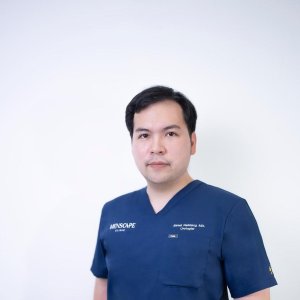
Dr. Luchaichana is a Thailand Board-certified urologist specializing in male sexual health and reconstructive procedures at Menness Wellness Clinic.
Specialized in andrology and minimally invasive surgery
Expert in testicular surgery and scrotal reconstruction
Provides patient-centered care focused on quality of life
Our Testicular prosthesis techniques
Inguinal approach is usually chosen when you have an inguinal scar or are having orchiectomy, because the implant is placed through a cut in the lower groin. Scrotal approach suits you if you have congenital absence or need an implant without an inguinal scar, because the implant is placed through a cut in the upper scrotum.
Testicular prosthesis recovery timeline: what to expect week by week
You can usually fly home 5–10 days after surgery with your surgeon's approval. After uncomplicated silicone implant placement, you can usually return to desk work in 3–7 days. You can resume strenuous exercise and heavy lifting after your surgeon clears you, usually in 4–6 weeks. The implant settles into its final position and appearance over 1–3 months.
Days 0–3
Rest at home, where swelling, bruising, and mild pain may occur. Use scrotal support and ice as advised, and avoid heavy lifting or strenuous activity.
Days 4–14
Gradually return to light daily activity and desk work as swelling decreases, and attend a wound check around 1 week. Avoid heavy lifting, vigorous exercise, and sexual activity as advised. With your surgeon's approval, you can fly home 5–10 days after surgery, but delay travel if you have swelling, drainage, or pain. Some clinics include wound cleansing until healing is complete.
Weeks 2–6
Build back toward normal activity gradually. Avoid strenuous exercise and heavy lifting until your surgeon clears you, generally by weeks 4–6.
Months 1–3
Residual swelling resolves, and the implant settles into its final position and appearance.
When to contact your clinic: Seek clinic advice for fever, chills, or redness, or for heavy bleeding or pus drainage. Also reach out if the implant becomes visible or presses through your skin. For chest pain or sudden breathlessness after a long flight, seek emergency help locally.
Is a Testicular prosthesis in Thailand safe?
Testicular prosthesis surgery in Thailand is safe when an experienced urologist performs it after an individual assessment at a licensed clinic, with follow-up planned in advance. Of 46K+ Bookimed patients who had testicular prosthesis surgery, 85% would recommend it.
Which risks need attention?
Most side effects after testicular prosthesis surgery, including pain and swelling, are temporary and treatable, although some complications may need additional care. Possible risks and side effects include:
Infection
Hematoma or bleeding
Pain and swelling
Implant displacement or malposition
Implant extrusion
Capsular contracture or firmness
Asymmetry or unsatisfactory size or position
Need for removal or revision
Ask the urologist to explain the implant’s expected outcomes, how likely each risk is for you, and how it would be treated. A licensed clinic with an experienced specialist is equipped to recognize and manage complications early, and the right response depends on the specific problem and your individual assessment.
What if there is a complication or the result falls short?
Before the procedure, get the direct contact details of a named doctor who will handle any complications, not only a general helpline.
Traveling to Thailand for a Testicular prosthesis
Plan for 5–10 days in Thailand after the procedure before flying home. US and UK passport holders may stay without a visa for up to 30 days. A longer stay may need a medical-treatment visa.
When
What happens
Before the procedure
Arrival, consultation, and agreed tests
5–10 days after
Flight home
Before you fly
Visa. US and UK passport holders may stay visa-free for up to 30 days. Stays over 30 days may need a medical-treatment visa. US travelers must register online before arrival.
Passport. The US State Department strongly recommends at least six months' validity on US passports beyond arrival. UK passports must expire at least six months after arrival, with 1 blank page.
Medicines. US travelers should carry prescription medicine in original packaging with their doctor's prescription and check legality with Thai Customs and Thai FDA. Thai hospitals and pharmacies usually accept UK prescriptions.
Hand luggage. Bring the orchiectomy operative report, pathology report, oncologist clearance letter, and scrotal ultrasound report if available, front photos of the groin and scrotum, and a list of blood thinners.
Getting there and staying
Airports. Suvarnabhumi Airport (BKK) is 25 km from downtown Bangkok. Don Mueang Airport (DMK) is 23 km from the Grand Palace.
Flight time. Flights from London to Bangkok take about 11–12 hours, over about 9,600 km. Flights from New York take about 16–17 hours, over about 13,900 km. A connection adds time.
Emergency. In a medical emergency, call 191 and ask for an ambulance.
When to go
Weather. In Bangkok, average daytime highs are about 31 °C in September–January and about 35 °C in April–May. The wettest months are May–October, with 100 mm of rain or more.
Season. November through April is drier and may be easier for a recovery trip. May through October is harder because of heavy rain, and April and May are especially hot.
Insurance and changes
Health insurance. Medicare and Medicaid do not apply overseas for US travelers. US travelers should make sure their health insurance covers them overseas. UK travelers cannot use a UK GHIC or UK EHIC in Thailand.
Hospital payment. All hospitals require a guarantee of payment before treating patients.
Flying home
Fit to fly. You can usually fly home with your surgeon's approval. Delay travel if you have swelling, drainage, or pain.
Take home. Take your discharge documents and other hospital and specialist documents and questionnaires home after surgery.
Testicular prosthesis in Thailand: Video Reviews from Bookimed Patients
Amanda
My companion and I were treated with such kindness — I have nothing but admiration for the entire team.
"I was extremely satisfied with everything that happened to me at this wonderful hospital"
I was extremely satisfied with everything that happened to me at this wonderful hospital. I don't think that there is a hospital in Asia which can compare with this one. From the doctors to the nurses and all other personell in this hospital ALL are competent, very polite and friendly - the only small criticism that I have is that unfortunately many don't speak English very well, that's a great shame.
I would strongly recommend it to other people looking for medical care
I am very happy with the treatment I've so far received at Bumrungrad International Hospital. Beginning last year, I've made three separate visits for treatment at the hospital. The staff are extremely professional and efficient using very modern equipment. The cost of treatment is competitive. I would strongly recommend it to other people looking for medical care.
Their is one Major problem you have to have buying the medicine from here.. Otherwise you will face a complicated situation for prescription.. If you will not buy medicine then u will not get prescription.
I have tri
I am so satisfied with Liza Dudnik! She is an amazing woman! She so kind, on time, very helpful. One of the best staff I know from my experience. God bless her
A certified medical writer with 10+ years of experience, developed Bookimed’s trusted content, backed by a Master’s in Philology and medical expert interviews worldwide.
20 years of experience
Medical oncologist, ESMO certified
This page may feature information relating to various medical conditions, treatments, and healthcare services available in different countries. Please be advised that the content is provided for informational purposes only and should not be construed as medical advice or guidance. Please consult with your doctor or a qualified medical professional before starting or changing medical treatment.
FAQ about Testicular prosthesis in Thailand
Is testicular prosthesis surgery in Thailand safe, and what qualifications should I look for in a surgeon?
Testicular prosthesis surgery in Thailand is safe when performed by board-certified urologists at JCI-accredited facilities like Bumrungrad International Hospital. These centers follow international clinical safety benchmarks, using medical-grade silicone implants. Success depends on selecting surgeons specializing in andrology or male reconstructive surgery to minimize displacement risks.
Board certification: Ensure certification from the Thailand Board of Urology or Siriraj Hospital.
Specialized expertise: Prioritize surgeons focusing on andrology, male infertility, and scrotal reconstruction.
Facility accreditation: Select clinics with JCI, ISO, or Global Healthcare Accreditation (GHA).
Clinical volume: Look for centers like Menness Wellness Clinic serving 1,000+ patients annually.
Bookimed Expert Insight: While many seek plastic surgeons for aesthetics, data shows better functional outcomes with urologists. Dr. Nuttaphon Luchaichana at Menness Wellness Clinic specializes specifically in male sexual health. Choosing a urology-led clinic ensures the surgeon understands complex scrotal anatomy better than a generalist.
Patient Consensus: Patients emphasize vetting surgeons through direct portfolios and case logs. Many advise coordinating pre-operative bloodwork at home to ensure seamless surgical clearance in Thailand.
What are the possible risks and long-term considerations after a testicular implant?
Testicular implants are safe reconstructive devices, yet patients must consider risks like infection, malposition, and capsular contracture. While serious complications are rare, long-term awareness of device shifting or chronic discomfort is essential for those seeking aesthetic symmetry through silicone or saline prostheses in Thailand.
Infection risk: Occurs in 1% to 10% of cases, potentially requiring permanent implant removal.
Device migration: The prosthesis may shift upward toward the groin or thigh over time.
Capsular contracture: Scar tissue can harden around the implant, causing firmness or persistent discomfort.
Physical sensation: Modern implants restore appearance but do not provide tactile feedback or sensation.
Bookimed Expert Insight: Data from top Bangkok facilities like Bumrungrad International Hospital and specialized clinics like Menness Wellness Clinic shows a trend toward using solid medical-grade silicone. This material is often preferred over saline because it eliminates the risk of deflation or spontaneous leakage. While the surgical procedure is outpatient and takes 0 days of hospital stay, the primary long-term satisfaction factor remains the surgeon’s experience in creating a natural scrotal pocket to prevent the implant from sitting too high.
Patient Consensus: Many patients mention that implants can feel cooler or harder than natural tissue. While most are happy with the visual results, some advise planning for 4 to 6 weeks of downtime to ensure proper healing in Thailand’s tropical climate.
How long is the recovery period, and when can I return to normal activity, work, and sports after testicular prosthesis placement?
Recovery after testicular prosthesis placement in Thailand typically spans 4 to 6 weeks for complete internal healing. Patients generally resume desk work within 1 to 5 days, while light walking is encouraged by day 3. Surgeons often advise waiting 4 to 6 weeks before engaging in sports or sexual activity.
Office work: Return to desk-based roles within 1 to 5 days is common.
Physical labor: Most patients require up to 6 weeks off for heavy lifting.
Exercise timeline: Light workouts are possible after 2 weeks; avoid cardio for 4 weeks.
Specialized restrictions: Avoid cycling or direct scrotal pressure for 4 to 6 weeks.
Suture care: Absorbable sutures typically dissolve or are removed within 7 to 10 days.
Bookimed Expert Insight: Data from Bangkok clinics like Menness Wellness reveals a high volume of international patients choosing board-certified urologists like Dr. Nuttaphon Luchaichana. While standard advice suggests early gym returns, we see better outcomes when patients wait until day 14 to start even light lifting. Early strain frequently leads to swelling relapses that delay final results.
Patient Consensus: Patients emphasize that high-quality compression or support underwear is essential for comfort during the first 2 weeks. Many advise securing clear, written post-op instructions from the clinic before flying home from Thailand.
Am I a good candidate for a testicular prosthesis, and are there strict prerequisites?
Most healthy adults following a testicle removal due to cancer, torsion, or injury are excellent candidates. While no rigid physical prerequisites exist beyond basic medical clearance, patients must have healthy scrotal tissue and no active infections. The procedure is purely cosmetic and does not restore fertility.
Medical history: Suitable for those with congenital absence, trauma, or post-orchiectomy cancer recovery.
Tissue health: Sufficient scrotal skin must be present to safely cover the silicone implant.
Healing timeframe: Patients typically wait 4 to 8 weeks after testicle removal before implantation.
Health screens: Clinics in Bangkok standardly require HIV, hepatitis testing, and smoking cessation.
Bookimed Expert Insight: While many patients assume only large hospitals like Bumrungrad International handle these cases, specialized urology clinics like Menness Wellness Clinic serve 1,000 patients annually. These private facilities often provide more targeted expertise in scrotal reconstruction. Selecting a clinic that offers custom sizing trials is essential to prevent the implant from shifting post-surgery.
Patient Consensus: Patients emphasize that while the surgery is straightforward, psychological readiness is key since the implant is strictly for symmetry. Many successfully undergo the procedure in their 20s or 30s to restore body confidence after medical trauma.
Which hospitals or cities in Thailand are most reputable for testicular prosthesis surgery?
Bangkok is Thailand's premier hub for testicular prosthesis surgery, offering the highest density of JCI-accredited hospitals and specialized urology clinics. Facilities like Bumrungrad International Hospital and Menness Wellness Clinic lead the region in reconstructive urology, providing medical-grade silicone implants with international safety standards.
Top medical city: Bangkok hosts world-class infrastructure including GHA and JCI-accredited international hospitals.
Leading specialist: Dr. Nuttaphon Luchaichana at Menness Wellness Clinic has performed over 1,100 urological procedures.
Hospital excellence: Bumrungrad International Hospital serves patients from 190 countries with ISO-certified urology centers.
Affordable care: Procedures in Thailand cost $4,500 to $5,700, saving patients up to 10%.
Bookimed Expert Insight: While large hospitals like Bumrungrad offer massive infrastructure, boutique clinics in Bangkok often provide more specialized andrology care. For instance, Menness Wellness Clinic focuses exclusively on male health and performs over 1,000 annual procedures. This high volume in a niche setting often translates to more personalized follow-up care for prosthetic patients.
Patient Consensus: Patients prioritize Bangkok hospitals for their English-speaking staff and transparent pricing. Many advise verifying a surgeon's specific experience with scrotal reconstruction rather than just general urology before traveling.
What travel preparation and in-hospital logistics should I expect for a medical trip to Thailand?
Travel preparation for a testicular prosthesis in Thailand involves securing a medical or 60-day tourist visa and coordinating with international patient centers. Top-tier facilities like Bumrungrad International Hospital manage logistics including airport transfers, translation services, and medical record synchronization for seamless post-operative care transitions.
Visa requirements: Use an e-visa or 60-day tourist visa for smooth entry.
Hospital coordination: Dedicated centers manage appointments, visa extensions, and multi-language support.
Medical documentation: Carry physical copies of imaging, biopsy results, and original prescriptions.
Post-op essentials: Pack loose clothing, ice packs, and compression garments for recovery.
Bookimed Expert Insight: While luxury hospitals like Bumrungrad serve 1 million patients annually, specialized private clinics often offer faster scheduling. Menness Wellness Clinic serves 1,000 patients yearly with a focus on urological privacy. Choosing a smaller specialized center can reduce your wait time for prosthetic fitting compared to large hubs.
Patient Consensus: Patients recommend arriving 2 to 3 days early for mandatory health checks. They often suggest using the Line app for direct communication with Thai medical coordinators during recovery.


 Testicular Prosthesis with Medical-Grade Silicone Implant — Private Clinic