Transurethral resection of the bladder in Thailand: costs, clinics and reviews
Bookimed lists 4 transurethral resection of the bladder clinics in Thailand, in Bangkok and Pattaya, including ISO-certified and JCI-accredited clinics. These clinics are rated 4.6/5 in 131 verified patient reviews on Bookimed.

Last updated: Nov 22, 2026

Medically reviewed by
Fahad Mawlood
How it works
Bookimed is free for patients – clinics pay us a commission, and you pay the clinic its own price with no markup. Five steps to your transurethral resection of the bladder in Thailand:
Share your case
Tell us about your bladder condition and share your latest scans and medical reports.
Get treatment plans
Your coordinator finds clinics that match your needs and helps you choose. Your preferred clinics then send personalized treatment plans and quotes for you to compare.
Plan your trip
We set treatment dates that work for you and help arrange your flights and accommodation. If needed, we request a visa support letter from the clinic.
Visit the clinic
The clinic team performs your transurethral resection of the bladder on the agreed dates. We support you throughout your trip.
Recover at home
You can fly home after a stay of 2–5 days, and your result is confirmed over 1–3 months. Your coordinator stays in touch and helps arrange a follow-up if you need one.
Some clinics ask for a deposit. A $200 or €200 deposit paid through Bookimed comes off your clinic bill and is refundable up to 10 calendar days before your visit. A deposit paid to the clinic follows its own terms.
Transurethral resection of the bladder Prices by Clinic in Thailand












Yoskarn Clinic
Get matched with the best doctors for Transurethral resection of the bladder
Tell us about your needs — and get 3 tailored offers from top doctors for you.
Do you have any medical records related to your issue?
Direct prices from clinics
Free evaluation of your medical case
Free personal assistance 24/7
Thailand Transurethral resection of the bladder overview
Cost and clinics
| Typical transurethral resection of the bladder price in Thailand | Clinics | Accreditations | Cities |
|---|---|---|---|
| $2,800 / ฿95,200–$4,200 / ฿142,800 | 4 clinics | ISO (2 clinics), JCI (2), GHA (1), TEMOS (1) | Bangkok (3 clinics), Pattaya (1) |
The procedure
| Before the trip | Time in Thailand | Operation time | Anesthesia | Back to desk work | Final result |
|---|---|---|---|---|---|
| Arrange preoperative tests and treat infections before travel | 2–5 days, including up to 2 nights in hospital | 30–90 minutes | General or regional | 7–14 days | 1–3 months |
How much does a Transurethral resection of the bladder cost in Thailand?
Transurethral resection of the bladder in Thailand typically costs from $2,800 / ฿95,200 to $4,200 / ฿142,800. The total depends on the hospital tier, tumor size, and pathology requirements.
Transurethral resection of the bladder in Thailand typically costs from $2,800 / ฿95,200 to $4,200 / ฿142,800. The total depends on the hospital tier, tumor size, and pathology requirements. Patients save around 73% compared to the US, where this procedure costs $13,000 / ฿442,000 on average. The price usually covers surgeon fees, anesthesia, and the hospital stay.
- Hospital choice: Premium facilities in Bangkok cost more than regional centers.
- Tumor complexity: Multiple or large tumors increase operating time and costs.
- Pathology analysis: Detailed histopathology of tissue samples adds to the final bill.
- Inpatient stay: Prolonged monitoring in top-tier rooms increases the overall price.
Bookimed Expert Insight: Choosing JCI-accredited hubs like Bumrungrad International Hospital offers high value. This facility serves over 500,000 international patients annually with advanced oncology support. While mid-range clinics in Pattaya provide lower entry costs, Bangkok hospitals offer specialized technology. For example, Bumrungrad utilizes IBM Watson for oncology to refine treatment plans. This expertise justifies the premium for complex or recurring bladder cases.
| Thailand | Turkey | Austria | |
|---|---|---|---|
| Transurethral resection of the bladder | ≈ $2,800 / ฿95,200 | from $3,900 / ฿132,600 | ≈ $4,800 / ฿163,200 |
How to choose a Transurethral resection of the bladder clinic in Thailand
For transurethral resection of the bladder in Thailand, shortlist clinics by location, meet the operating surgeon, confirm qualifications, and arrange post-treatment follow-up.
What to check
Shortlist locations
Bookimed lists 4 clinics for transurethral resection of the bladder in Thailand – top-ranked options are in Bangkok and Pattaya.Meet your surgeon
Before booking, consult the surgeon who will operate – ask about experience with this exact surgery and whether it suits you.Confirm qualifications
Ask whether the surgeon has relevant specialty training and is licensed by the Medical Council of Thailand.Plan follow-up
Before treatment, establish who will manage your care if complications arise after you return home.
Discover Transurethral resection of the bladder Clinics in Thailand
| Clinic Name | Patient Rating | About | Accreditations | Lead Doctor | Techniques |
|---|---|---|---|---|---|
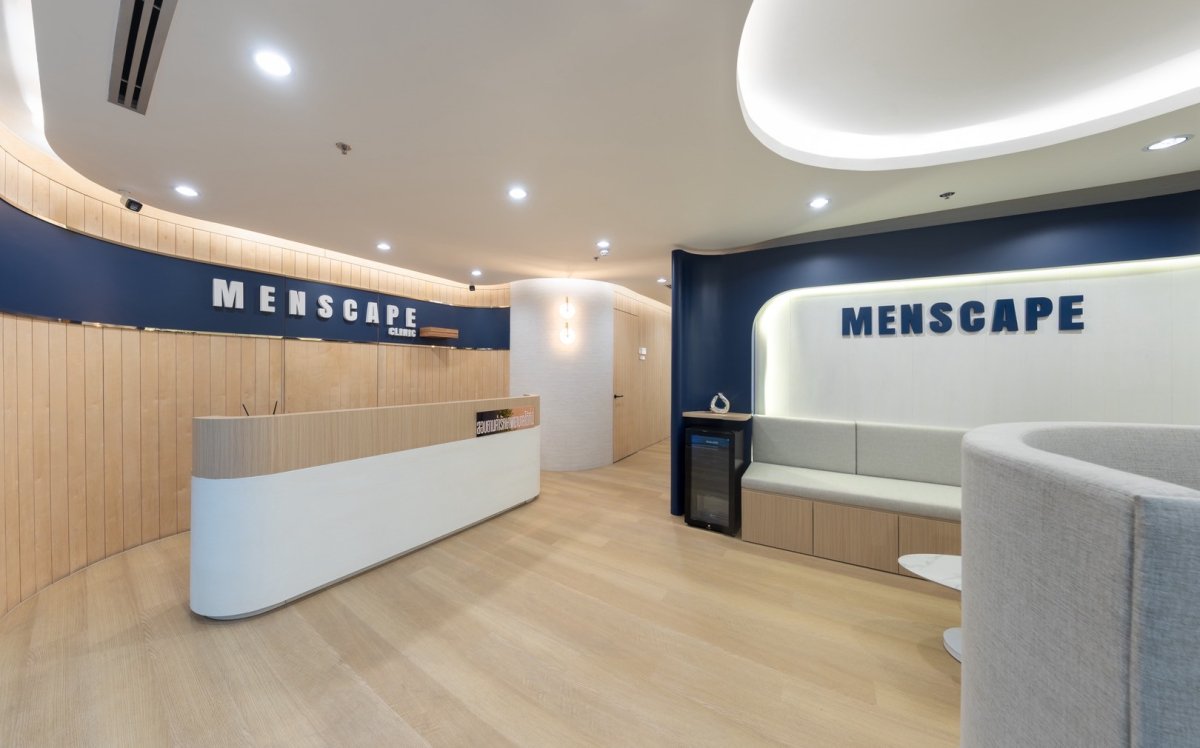
| Menscape Clinic Bangkok | 4.6 | Single-dose intravesical mitomycin C during TURBT may reduce recurrence by about 40% at Menscape Clinic. The stay is one night, with catheter removal before discharge. The care plan includes imaging, cystoscopy mapping, pre-anesthesia checks, and follow-up surveillance. Menscape is licensed by Thailand’s Ministry of Public Health and holds a 4.6/5 rating from 158 Google reviews. Its urologist is board-certified and trained at Siriraj Hospital, Mahidol University. | — | — | Electrosurgical loop resection, bipolar/laser resection, single-dose intravesical mitomycin C, complete first TURBT approach |
| Bumrungrad International Hospital Bangkok | 4.6 (131 reviews) | Bumrungrad International Hospital specializes in urological procedures with Dr. Kittinut Kijvikai, a urologist with expertise in prostate and bladder cancer treatments including Transurethral resection of the bladder. His research contributions include studies on robotic-assisted surgery and neoadjuvant therapy for bladder cancer. The hospital serves over 1 million patients annually from 190+ countries and is recognized among the world's top medical facilities. | ISO, JCI, GHA | CT (computer tomography), PET/CT | |
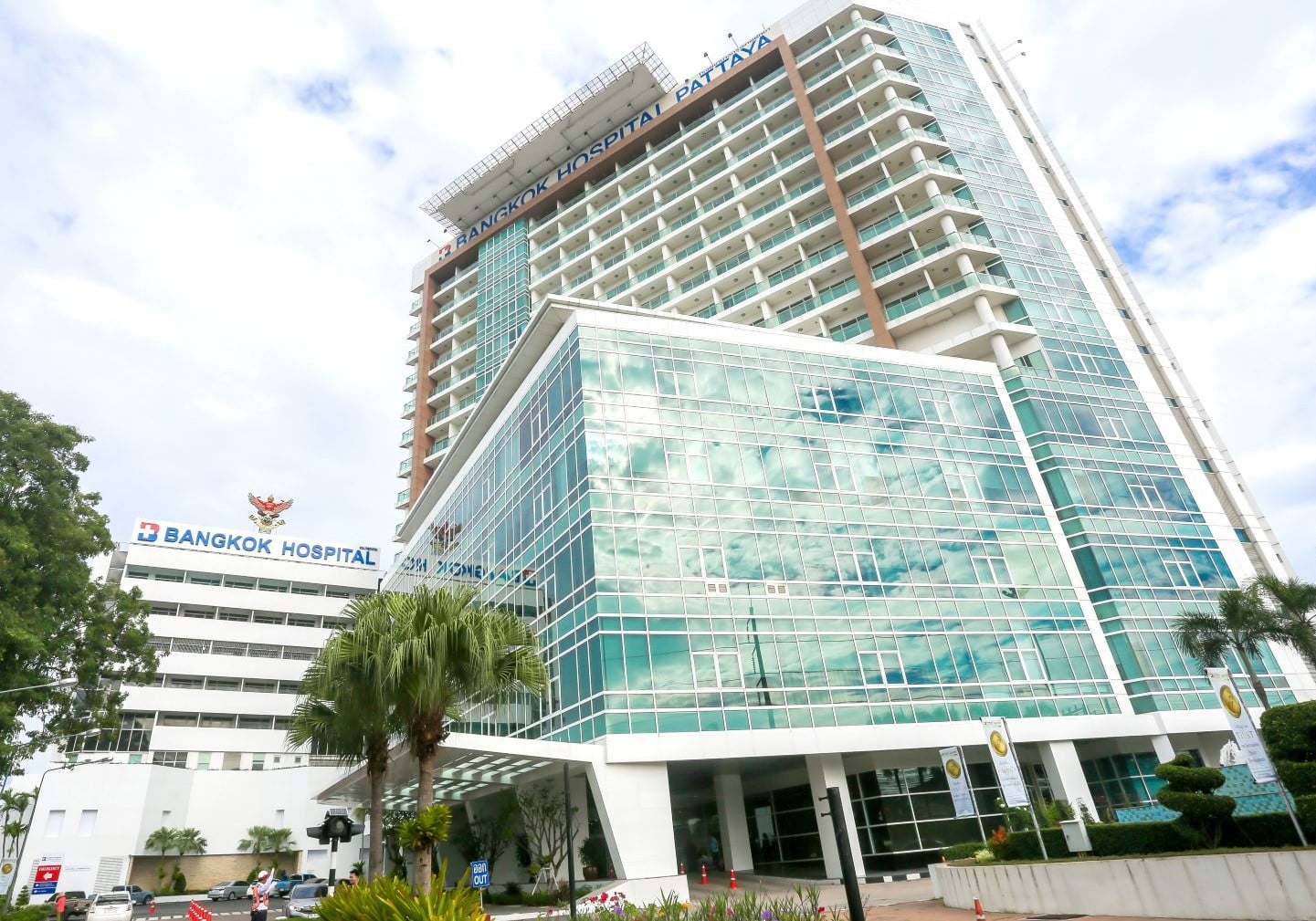
| Bangkok Hospital Pattaya Pattaya | 4.0 | Forty percent of international medical tourists pick Bangkok Hospital Pattaya. It treats over 400,000 patients yearly from 150 countries and holds JCI accreditation. Part of the Bangkok Dusit Medical Services group, its top specialties are cardiology and cosmetic surgery. Heart Center performs coronary bypass surgery without a heart-lung machine. Received the Prime Minister's Export Award for services to international patients. Digital Mammogram with Tomosynthesis offers 2D and 3D breast imaging in 10 seconds with less pain. 128-Slice CT scans coronary arteries in 4 seconds with 90% accuracy. Accredited by TEMOS and certified under ISO 9001 by TÜV NORD. | JCI, ISO, TEMOS | — | — |
Our Doctors
View all Doctors
Kittinut Kijvikai
Dr. Kittinut Kijvikai is a specialized urologist at Bumrungrad International Hospital in Bangkok. He focuses on robotic-assisted surgery for prostate and bladder cancer. Dr. Kijvikai performs robotic da Vinci prostatectomy, nephrectomy, and cystectomy. He works at a TOP-10 global hospital recognized for robotic surgery technology.
- Specializes in neoadjuvant androgen deprivation therapy to improve prostate cancer outcomes.
- Authored multiple research studies on robotic-assisted surgical techniques for bladder cancer.
- Performs robotic-assisted cystectomy with intra-corporeal urinary diversion.
- Treats complex urological conditions including urolithiasis and kidney cancer.
Where to get a Transurethral resection of the bladder in Thailand
Bangkok has more clinic options for transurethral resection of the bladder in Thailand, giving patients a wider choice of providers. Suvarnabhumi Airport is 25 km from central Bangkok, while Don Mueang Airport is 24 km away, giving travelers two arrival options.
Transurethral resection of the bladder recovery timeline: what to expect week by week
You can usually fly home after 2–5 days, once your catheter is removed and bleeding eases, with your surgeon’s approval. Desk-based work usually resumes in 7–14 days after an uncomplicated procedure. Strenuous exercise usually resumes after 2–4 weeks, once bleeding settles and your surgeon agrees. The final result is usually confirmed within 1–3 months.
Days 0–2
You may have a catheter, sometimes with fluid flushing, and blood-stained urine is common. Drink fluids and avoid straining.
Weeks 1–2
Blood in your urine and frequent urination should settle, and you can return to light activity. You may usually fly home after 2–5 days, once your catheter is out and bleeding eases, with your surgeon’s approval. Avoid heavy lifting, constipation, and straining.
Weeks 2–4
After review of the tissue results, you can gradually return to full activity. Avoid strenuous exercise until your surgeon clears you.
When to contact your clinic: Contact your clinic if you cannot pass urine, have heavy bleeding or large clots, or develop a fever, chills, or feel unwell. For chest pain or sudden breathlessness after a long flight, seek emergency help locally.
Is a Transurethral resection of the bladder in Thailand safe?
Traveling to Thailand for a Transurethral resection of the bladder
Transurethral resection of the bladder in Thailand: Video Reviews from Bookimed Patients
Thailand Transurethral resection of the bladder Reviews at Bookimed: Discover Patients' Insights
View allShare this content
 Anna Leonova

FAQ about Transurethral resection of the bladder in Thailand
What documents are required to apply for a visa to Thailand for treatment?
Visas for travel to Thailand require a number of documents. The necessary papers can be submitted 90 days before the planned departure. The list of documents includes:
- ID card
- confirmation of online registration and filling out the questionnaire
- certificate of income and availability of funds (20,000 baht per person/40,000 baht per family)
- insurance policy for a stay in Thailand (original and copy)
- 2 photos (4x6)
- visa receipt
- booking of round-trip air ticket (paid in full) and hotel
- medical opinion about the need for treatment.
What is the level of medicine in Thailand?
Healthcare is the key development sector of the Thai government. The Thai authorities are convinced that care for the citizens' health should be an absolute priority of state policy and spend about 25 billion baht for healthcare annually.
As a result, 36,673 medical facilities provide excellent medical care in the country. 64 centers in the Kingdom have certificate of JCI (Joint Commission International), the international improver of healthcare quality and safety across the globe. The index of certificates obtained is the largest. To compare, Israel has 20 JCI-accredited facilities, and Germany — only 10 clinics of this type.
When is the best time to travel to Thailand?
The main advantage of Thai resorts is the long beach season. On the east coast and west coast the climate features are different, so take it into account when planning the trip. The best time to travel is during the cool and dry season between November and early April. A large influx of tourists is in March-May, when the air temperature is +30°C.
What should you know about Thailand before the trip?
Official name | The Kingdom of Thailand |
Currency | Thai Baht (you also can pay for services in dollars) |
Best period for the trip | November-early April |
Language | Thai (most of medical staff speaks English fluently) |
Visa | is required for a trip of 3-6 months |
Time difference with Europe | 7 hours |
Time difference with the USA | 12 hours |
Capital | Bangkok |
Medical tourism center | Bangkok |
Popular resorts | Koh Samui, Phuket, Chiang Mai, Koh Chang, Hua Hin |
What hotel service is provided here?
In the Kingdom of Thailand, hotels of different price ranges and service levels are presented. The level of Thai hotels is comparable to hotels in Tunisia, Morocco or Egypt. Most tourists choose 4 and 5 star hotels with all-inclusive meals. Such hotels have everything for a comfortable stay: varied food, a large well-groomed territory, animation for children and adults. Some hotels have their own water park, which guests can use for free. Budget travelers can afford to book an economical 3-star hotel with half board or no meals at all.
Do I need a visa?
For now, the Kingdom of Thailand requires different visa regimens for diverse states. Some foreigners can stay in the country 60 days without visa control, some of them — only 14 days.
How long you can stay in Thailand and what countries can cross the border easy read here.
Last review: Nov 22, 2026
Fahad Mawlood — General practitioner. Winner of 4 scientific awards. Served in Western Asia. Former Team Leader of a medical team supporting Arabic-speaking patients. Now responsible for data processing and medical content accuracy.
Have a question about Transurethral resection of the bladder in Thailand?
Ask a Bookimed medical coordinator about prices, clinics, techniques or your case. Write to us in the messenger you already use.
- Direct prices from clinics
- Free evaluation of your medical case
- Free personal assistance 24/7
Ask your question in a messenger
Tap a messenger to open a chat with a Bookimed medical coordinator.
Free and without obligation · Terms of use · Privacy policy