Hemipelvectomy in Turkey — Get 3 Top Clinic Matches with Costs
Bookimed lists 8 hemipelvectomy clinics in Turkey, in Istanbul and Bursa, including ISO-certified and JCI-accredited clinics. These clinics are rated 4.6/5 in 1,321 verified patient reviews on Bookimed.


Medically reviewed by
Yesim Yildirim
How Much Does Hemipelvectomy Cost in Turkey?
Hemipelvectomy in Turkey typically costs from $24,000 to $37,000. The final price depends on the surgery type, hospital accreditation, and the required recovery duration. Patients save about 81% compared to the US, where the average cost is $160,000. Packages usually include the surgical procedure, preoperative consultations, and initial hospitalization in major hubs like Istanbul and Bursa.
- Internal vs external: Internal limb-sparing surgery is generally more complex and expensive than external amputation.
- Intensive care: High-complexity cases requiring 5–7 days in the ICU significantly increase the total cost.
- Reconstruction needs: Costs rise when expensive implants or advanced pelvic reconstructions are necessary for mobility.
- Hospital stay: Extensive post-operative care for up to 30 days can double the base price.
Bookimed Expert Insight: Choosing JCI-accredited centers in Istanbul provides high-tier safety at competitive rates. Memorial Şişli Hospital was the first in Turkey to earn Joint Commission International (JCI) accreditation. Private Medicabil Hospital in Bursa reports a 99.9% success rate for complex orthopedic procedures. These high-volume centers offer the best value for patients requiring multidisciplinary teams and advanced surgical technology.
| Turkey | Austria | Spain | |
|---|---|---|---|
| Hemipelvectomy | ≈ $24,000 | ≈ $38,000 | ≈ $38,000 |
Your Benefits and Guarantees with Bookimed
Transparent Prices & Flexible Installments
No hidden fees – just official clinic prices. Pay at the clinic for Hemipelvectomy upon arrival and use a flexible installment plan if needed.
Verified Clinics & Doctors Only
Bookimed is committed to your safety. We only work with medical institutions that maintain high international standards in Hemipelvectomy and have the necessary licenses to serve international patients worldwide.
Free 24/7 Assistance
Bookimed offers free expert assistance. A personal medical coordinator supports you before, during, and after your treatment, solving any issues. You're never alone on your Hemipelvectomy journey.

Your personal Bookimed medical coordinator
- Supports you at every stage
- Helps choose the right clinic and doctor
- Ensures quick and convenient access to information
Discover the Best Hemipelvectomy Clinics in Turkey: 8 Verified Options and Prices











Hisar Hospital Intercontinental
Mustafa Solak





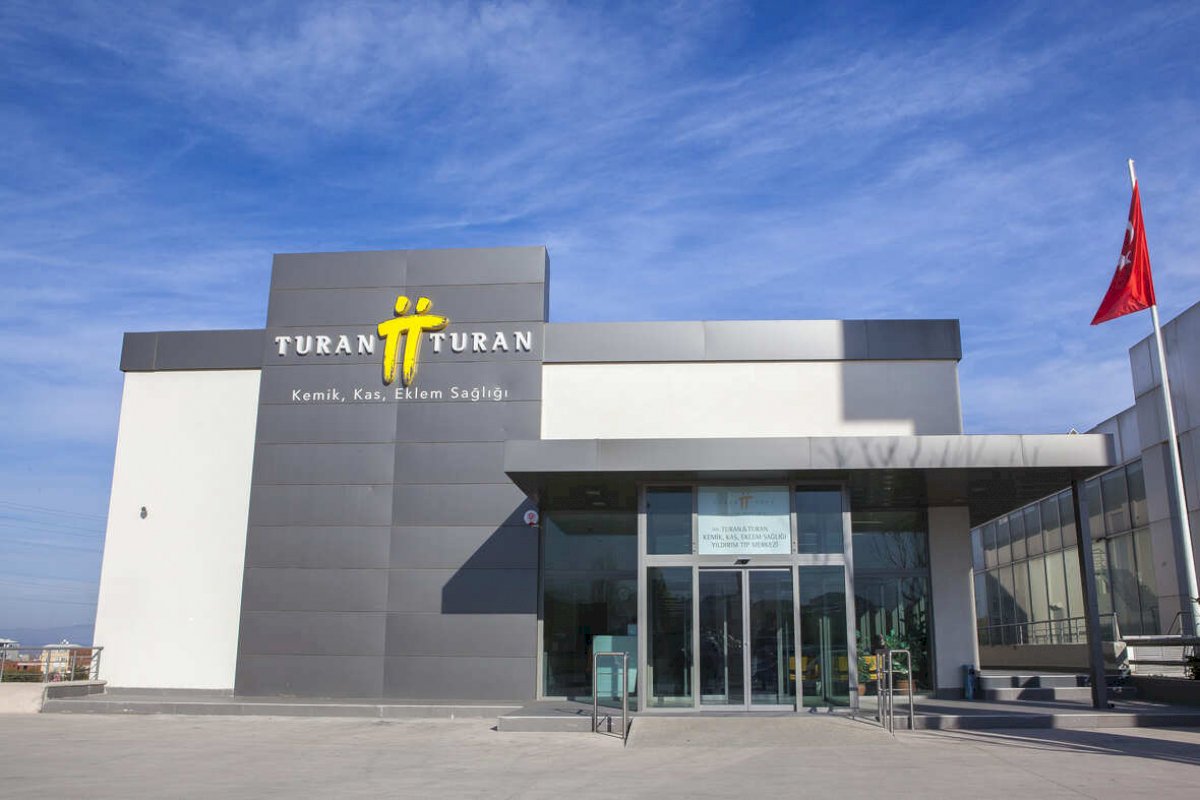
Turan Turan Health Group







Private Medicabil Hospital
Omer Faruk Bilgen


Hemipelvectomy Overview in Turkey
- Bone resection - from $9,000The procedure involves surgically removing damaged bone, helps treat diseases or injuries, and can enhance limb function.
Day 1 - Arrival
- Arrive at the hospital and check-in at the reception.
- Meet with the medical team for an initial consultation.
- Undergo a physical examination.
Day 2 - Pre-Operation
- Consult with a surgeon to discuss the procedure.
- Meet with an anesthesiologist to discuss anesthesia options.
- Complete all necessary medical tests, including blood tests and imaging.
Day 3 - Hemipelvectomy
- Arrive at the hospital early morning, fasting.
- Undergo the Hemipelvectomy procedure, which lasts several hours.
- Recover from anesthesia in the post-operative recovery room.
Day 4-7 - Post-Operation
- Stay in the hospital for monitoring and pain management.
- Begin initial physical therapy to promote recovery.
- Meet with the surgeon for post-operative consultation.
Week 1-4 - Rehabilitation
- Begin intensive physical therapy and occupational therapy.
- Manage pain and wound care with help from medical professionals.
- Gradually increase physical activity under supervision.
Week 5-12 - Continued Rehabilitation
- Continue with physical therapy sessions.
- Start to resume daily activities as tolerated.
- Gradual return to work, as advised by the medical team.
Week 12 onwards
- Continue rehabilitation at home or outpatient clinic.
- Gradual return to sports and other activities.
- Complete recovery and final result can take several months.
Each patient"s recovery from a Hemipelvectomy is individual and may vary based on several factors. Always consult your medical team for personalized advice.
- Bookimed deposit: $200 or €200.
- Clinic deposit: Pay a set percentage in advance.
Our Doctors
View all Doctors
Cem Yalcinkaya
Dr. Cem Yalcinkaya is an associate professor and gynecologic oncologist at Anadolu Medical Center. He specializes in fertility-sparing surgeries and robotic procedures for gynecologic cancers. Dr. Yalcinkaya holds a robotic surgeon certificate for the DaVinci system. He successfully passed the European Society of Gynecologic Oncology (ESGO) exam in 2019.
- Certified robotic surgeon for myomectomy and hysterectomy procedures.
- Completed clinical observations at Charité Berlin and Tel Aviv Chaim Sheba Medical Center.
- Specializes in laparoscopic surgery for endometriosis and ovarian cancer.
- Member of the European Society of Gynaecological Oncology (ESGO) since 2015.
Mustafa Solak
Dr. Solak specializes in treating complex cancers like breast, testicular, and gastrointestinal cancers at Hisar Hospital Intercontinental.
- Completed fellowship at Hacettepe University Cancer Institute
- Trained at leading institutions including MD Anderson Cancer Center
- Specializes in a wide range of oncological conditions

Mustafa Serkan Alemdar
Dr. Alemdar specializes in medical oncology with extensive training at Akdeniz University, one of Turkey's leading medical institutions.
- Board-certified in medical oncology since 2018
- Over 20 years of experience in internal medicine and oncology
- Works at Medical Park Antalya Hospital Complex, a top-tier facility

Gul Alco
Prof. Dr. Gül Alço is a radiation oncologist with about 27 years of experience. She treats breast, lung, prostate, gastrointestinal, gynecologic, central nervous system, head and neck, soft tissue, and bone cancers with radiotherapy.
Her expertise includes adaptive radiotherapy and radiosurgery. She uses advanced radiation techniques to provide personalized, evidence-based care in a multidisciplinary, patient-centered setting.
Video Stories from Bookimed Patients
Reviews about Bookimed: Discover Patients' Insights
All reviewsShare this content
 Anna Leonova

FAQ about Hemipelvectomy in Turkey
What are the common complications and success rates for hemipelvectomy?
Modern hemipelvectomy achieves a 5-year survival rate of 25% to 59%, with perioperative mortality now below 10%. Success depends on local tumor control, though complication rates remain high at 30% to 80%, primarily involving surgical site infections, wound dehiscence, and flap necrosis.
- Success rates: 5-year survival averages 50% for pelvic sarcomas without metastatic disease.
- Local control: Surgeons achieve local tumor control in up to 100% of cases.
- Wound complications: Issues like skin flap necrosis occur in 34% to 50% of patients.
- Infection risk: Surgical site infections affect 10% to 70% of surgical cases.
- Limb salvage: Internal procedures show better survival than external amputations for eligible patients.
Bookimed Expert Insight: Quality of life often drops by 50% during the first year, making facility choice critical. Clinics like Memorial Şişli Hospital and Hisar Hospital Intercontinental maintain JCI accreditation for safety. Patients should prioritize surgeons who have performed at least 20 hemipelvectomies to ensure lower complication rates.
Patient Consensus: Expect a recovery period of 3 to 6 months before returning to work. Many patients report that custom wound care and high-intensity rehabilitation are essential for regaining independence.
Which hospitals in Turkey are recommended for hemipelvectomy?
Top-tier Turkish hospitals for hemipelvectomy include Memorial Şişli Hospital, Hisar Hospital Intercontinental, and Emsey Hospital. These JCI-accredited facilities provide the required multidisciplinary teams, including orthopedic oncologists and cardiovascular surgeons, necessary for complex pelvic bone resections and reconstructions in Istanbul and Ankara.
- Memorial Şişli Hospital: First JCI-accredited Turkish facility with 13 specialized operating rooms for complex oncology.
- Hisar Hospital Intercontinental: Features dedicated orthopedic and cardiovascular surgery teams for advanced pelvic tumor resections.
- Emsey Hospital: Offers an Advanced Spine Surgery Center capable of performing high-complexity musculoskeletal reconstructions.
- Hacettepe University Hospital: Renowned academic center in Ankara specializing in complex pelvic allograft reconstructions.
Bookimed Expert Insight: While many search for specific hospitals, the most critical factor for hemipelvectomy is the surgeon's personal case volume. Hisar Hospital Intercontinental stands out because its specialists often collaborate across 61 departments. This teamwork is vital for managing major blood vessel involvement during pelvic surgery. We recommend Private Medicabil Hospital for specialized orthopedic recovery, as they maintain a 99.9% success rate in complex hip-related procedures.
Patient Consensus: Patients emphasize prioritizing private surgical chains over public hospitals for rare procedures to ensure better English support. Many suggest verifying a surgeon's specific portfolio of pelvic resections via video calls before traveling.
What is the difference between internal and external hemipelvectomy?
The primary difference between internal and external hemipelvectomy is limb preservation. Internal hemipelvectomy is a limb-sparing surgery that removes pelvic bone sections while keeping the leg attached. External hemipelvectomy, or hindquarter amputation, removes both the hemipelvis and the entire leg to treat advanced tumors.
- Limb status: Internal surgery preserves the leg, while external surgery involves a high-level amputation.
- Surgical goal: Internal procedures focus on limb salvage when neurovascular structures remain unaffected by tumors.
- Mobility outcomes: Patients regaining 50–70% mobility often follow internal surgery compared to 20–30% for external.
- Recovery risks: External hemipelvectomy carries higher risks for phantom limb pain and surgical site infections.
Bookimed Expert Insight: Turkish oncology centers like Hisar Hospital Intercontinental leverage surgeons trained at top global institutions, including MD Anderson. Data shows these specialists prioritize internal hemipelvectomy for sarcomas to maximize post-operative quality of life. Choosing a JCI-accredited facility in Istanbul often ensures access to the 3D-printed pelvic implants necessary for successful internal reconstructions.
Patient Consensus: Survivors emphasize that while internal surgery allows for walking with aids, external procedures often require a permanent transition to wheelchairs or crutches. Most recommend aggressive pre-operative imaging to confirm if the tumor allows for a limb-sparing approach.
What support services are provided for international hemipelvectomy patients in Turkey?
International support for hemipelvectomy patients in Turkey includes dedicated personal coordinators managing medical logistics, visa assistance, and 24/7 language translation. Specialized centers like Memorial Şişli Hospital and Hisar Hospital Intercontinental provide multidisciplinary oncology teams, airport-to-hospital transfers, and remote follow-up care for complex recovery cases.
- Personal coordinators: Manage hospital appointments, medical records, and professional translation services.
- Logistical assistance: Provide visa support, flight bookings, and local accommodation for families.
- Arrival services: Include complimentary airport transfers and medical ambulance transport when necessary.
- Clinical multidisciplinary teams: Combine orthopedic oncologists, surgeons, and rehabilitation experts for care.
Bookimed Expert Insight: While Turkish clinics excel at complex surgeries, Hisar Hospital Intercontinental stands out for its overall patient service awards. Data shows some hospitals offer up to 30 days of inpatient stay. This is critical for hemipelvectomy cases where immediate post-operative monitoring is vital for safety.
Patient Consensus: Patients value the dedicated coordinators for navigating logistics but recommend arranging long-term rehabilitation and prosthetics in their home country. Language barriers can persist in recovery wards, so bringing a companion for non-clinical support is often helpful.