Lymphadenectomy in Turkey — get 3 personalized clinic matches
Lymphadenectomy in Turkey costs $4,000 to $6,800, compared with about $26,500 in the US (Bookimed data, November 2026). Bookimed lists 4 lymphadenectomy clinics in Turkey, all in Istanbul, including JCI-accredited and ISO-certified clinics. These clinics are rated 4.6/5 in 1,412 verified patient reviews on Bookimed.


Medically reviewed by
Yesim Yildirim
How it works
How Much Does Lymphadenectomy Cost in Turkey?
Lymphadenectomy in Turkey typically costs from $4,000 to $6,800 depending on the surgical technique, number of nodes removed, and clinic tier. Patients save around 80% compared to the US, where this procedure costs $26,500 on average. Pricing usually covers the surgical intervention, hospital stay for several days, airport transfers, and professional translation services in major hubs like Istanbul and Antalya.
- Lymph node dissection: $5,700 to $6,500 for comprehensive removal of regional nodes.
- Anatomic variations: Costs shift by site, with neck or groin dissections starting from approximately $3,000.
- Minimally invasive approach: Laparoscopic or robotic-assisted techniques typically add 20-30% to the total surgical fee.
- Combined procedures: Simultaneous tumor resection, such as a mastectomy or hysterectomy, increases the overall package price.
Bookimed Expert Insight: Choosing JCI-accredited facilities in Istanbul provides high-tier care at mid-range prices. For instance, Hisar Hospital Intercontinental offers specialized sentinel node biopsies for approximately $2,150. This precision technique helps patients avoid the cost and recovery of full dissections when unnecessary. Highly experienced surgeons like Dr. Nasuh Utku Dogan in Antalya offer world-class expertise in complex pelvic dissections often at a lower total cost than European centers.
| Turkey | Austria | Spain | |
|---|---|---|---|
| Lymphadenectomy | from $4,000 | ≈ $7,500 | ≈ $5,200 |
| Lymph node dissection | from $5,700 | ≈ $6,500 | from $13,400 |
Discover the Best Lymphadenectomy Clinics in Turkey: 14 Verified Options and Prices


Memorial Ataşehir Hospital
Kamil Yalçın Polat



Hisar Hospital Intercontinental
Mustafa Solak





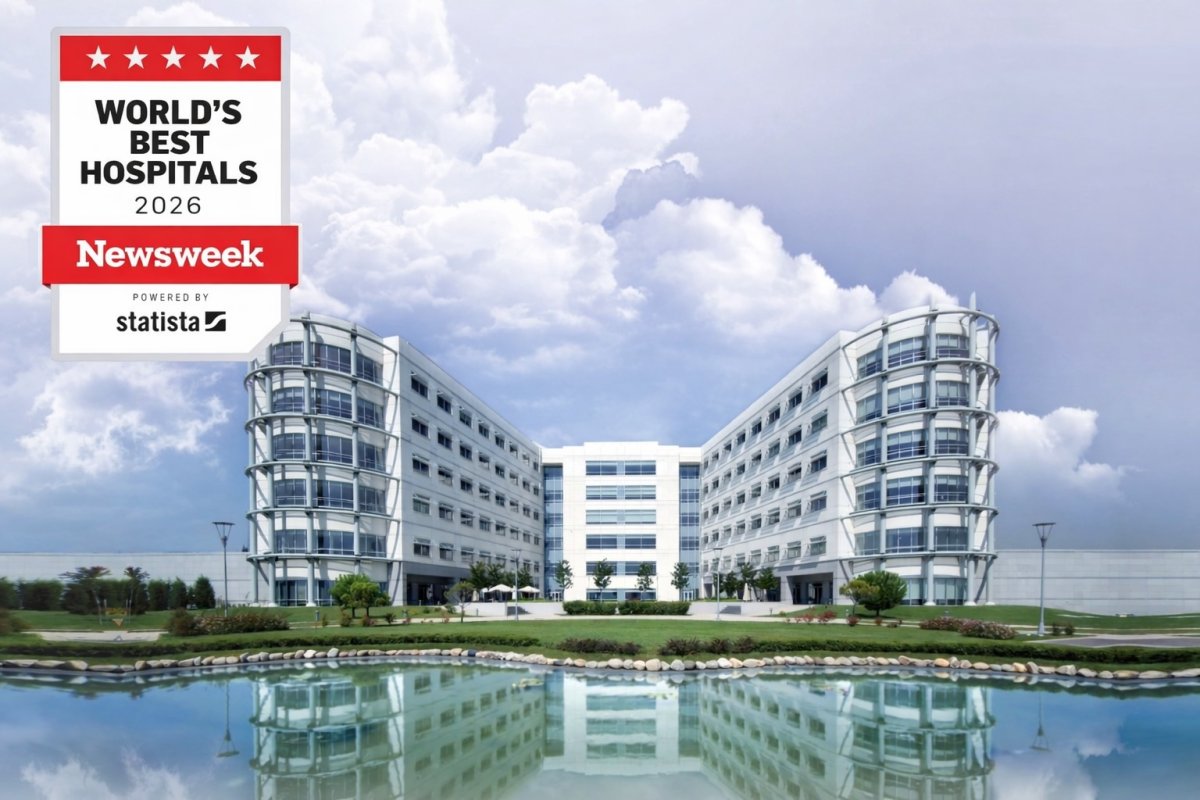
Anadolu Medical Center
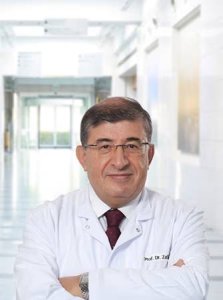
Zafer Gulbas











Istanbul Florence Nightingale Hospital
Cem Iyibozkurt








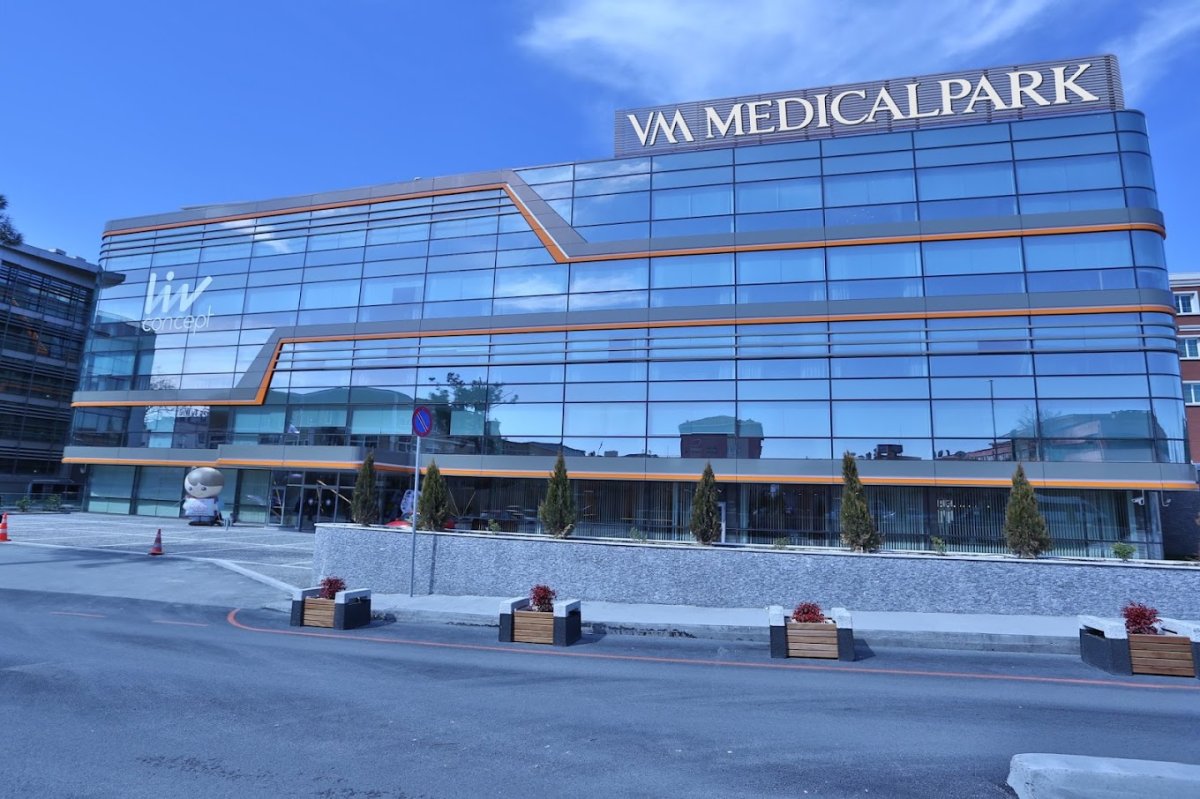
Lymphadenectomy Overview in Turkey
- Lymphadenectomy - from $4,000During this surgery, lymph nodes are removed to stop the spread of cancer, providing enhanced patient prognosis.
- Lymph node dissection - from $5,700The procedure involves removing lymph nodes to prevent, detect, or treat cancer, ensuring disease containment.
Day 1 - Arrival
- Arrive at the hospital and check-in at reception.
- Meet with your surgical team for a pre-operative consultation.
- Undergo necessary medical tests such as blood work and imaging studies.
Day 2 - Pre-Operation
- Meet with an anesthesiologist to discuss anesthesia options.
- Fast from midnight the night before your surgery.
- Arrive at the hospital early to prepare for surgery.
Day 3 - Lymphadenectomy
- Undergo Lymphadenectomy under general anesthesia.
- The surgery takes about 2-4 hours depending on the complexity.
- Expect to wake up in the recovery room after surgery.
Day 4 - Post-Operation
- Stay in the hospital for monitoring and pain management.
- Begin gentle physical therapy to promote healing and mobility.
- Expect to be discharged once you are stable.
Week 1 - Rehabilitation
- Continue physical therapy at home.
- Attend follow-up appointments with your surgical team.
- Begin light daily activities as tolerated.
Week 2-6 - Rehabilitation
- Gradually return to work and other normal activities.
- Continue attending follow-up appointments and physical therapy.
- See the final result of your surgery by the end of week 6.
Please note that each patient"s recovery timeline and experience may vary based on individual factors such as age, overall health, and the complexity of the surgery.
- Bookimed deposit: $200 or €200.
- Clinic deposit: Pay a set percentage in advance.
Our Trusted Doctors
View all Doctors
Cem Yalcinkaya
Dr. Cem Yalcinkaya is an associate professor and gynecologic oncologist at Anadolu Medical Center. He specializes in fertility-sparing surgeries and robotic procedures for gynecologic cancers. Dr. Yalcinkaya holds a robotic surgeon certificate for the DaVinci system. He successfully passed the European Society of Gynecologic Oncology (ESGO) exam in 2019.
- Certified robotic surgeon for myomectomy and hysterectomy procedures.
- Completed clinical observations at Charité Berlin and Tel Aviv Chaim Sheba Medical Center.
- Specializes in laparoscopic surgery for endometriosis and ovarian cancer.
- Member of the European Society of Gynaecological Oncology (ESGO) since 2015.

Esra Ozbasli
Assoc. Prof. Dr. Esra Ozbasli performs lymphadenectomies with 23 years of expertise in minimally invasive and robotic gynecologic surgery.
- Board-certified in OB-GYN and da Vinci robotic surgery
- Trained at Istanbul's leading women's health hospital
- Specializes in complex gynecologic oncology procedures
- Academic professor who trains other surgeons
- Performs surgeries at A-class hospitals with advanced technology

Mehmet Karaca
Professor Mehmet Karaca specializes in gynecological cancers and advanced laparoscopic surgery at Medical Park Antalya.
- Over 31 years of experience in obstetrics and gynecology
- Trained in gynecological oncology surgery by the Ministry of Health
- Expert in high-risk pregnancies and infertility treatments
- Faculty member at Gelisim University and clinical chief at Antalya Training and Research Hospital
Mustafa Solak
Dr. Mustafa Solak specializes in lymphadenectomy for multiple cancer types, including breast, testicular, and ovarian cancers. His training at Hacettepe University Cancer Institute and The University of Texas MD Anderson Cancer Center sets him apart.
- Completed fellowship at Hacettepe University Cancer Institute
- Training at The University of Texas MD Anderson Cancer Center
- Expertise in breast, testicular, and ovarian cancers
- Residency at Istanbul Sisli Etfal Training and Research Hospital
Video Stories from Bookimed Patients
Reviews about Bookimed: Discover Patients' Insights
All reviewsShare this content
 Anna Leonova

FAQ about Lymphadenectomy in Turkey
In which situations is lymphadenectomy performed in Turkey?
Surgeons in Turkey perform lymphadenectomy to diagnose and treat cancers of the breast, pelvic organs, and head or neck. It is standard for staging metastatic spread and removing affected nodes. Specialized centers utilize sentinel node biopsies and robotic-assisted techniques to minimize surgical trauma and speed up recovery.
- Cancer staging: Determining disease spread in breast, lung, and gastrointestinal malignancies accurately.
- Therapeutic removal: Excising confirmed cancerous nodes in melanoma, cervical, or ovarian cancer cases.
- Diagnostic biopsy: Investigating unexplained swelling or suspected lymphoma when non-invasive tests fail.
- Advanced procedures: Performing retroperitoneal or D2 dissections for testicular and gastric adenocarcinomas.
Bookimed Expert Insight: Clinical data shows a high concentration of specialized expertise in Istanbul. Dr. Tayfun Apuhan at Hisar Hospital has performed over 4,000 surgeries. This high volume often allows patients to access advanced laparoscopic neck dissections for around $4,800. These minimally invasive options are frequently used in Turkey to reduce typical hospital stays compared to traditional open surgery.
Patient Consensus: Patients note that Turkish surgeons strictly follow international ESMO and NCCN guidelines. They appreciate that doctors often prioritize sentinel lymph node biopsies to avoid more invasive full radical dissections when possible.
What are the risks or potential complications?
Lymphadenectomy in Turkey carries risks common to major surgery, including infection, hematoma, and seroma formation at the donor site. Long-term complications specifically include lymphedema, which causes persistent swelling in limbs, and localized nerve damage that may result in permanent numbness or tingling near the surgical area.
- Lymphedema management: Chronic swelling occurs when fluid drainage is disrupted during extensive node removal.
- Nerve injury: Patients often experience temporary or permanent numbness in the groin or axilla.
- Seroma formation: Fluid buildup under the skin may require needle aspiration or temporary drains.
- Wound complications: Infection or dehiscence (opening) can occur, particularly in areas with limited circulation.
Bookimed Expert Insight: Choosing a surgeon with high-volume expertise, like Dr. Tayfun Apuhan at Hisar Hospital Intercontinental who has performed 4,000+ surgeries, significantly reduces operative risks. Data shows that specialized centers like Memorial Sisli Hospital maintain a 90% success rate by utilizing advanced staging and robotic da Vinci systems to minimize tissue trauma.
Patient Consensus: Many patients emphasize that compression therapy is non-negotiable and must be started immediately to prevent long-term lymphedema. Most report that while surgical recovery takes 4–8 weeks, managing minor numbness becomes a manageable part of the long-term healing process.
What is the success rate for this procedure in Turkey?
Success rates for lymphadenectomy in Turkey are high, with top-tier oncology centers reporting patient satisfaction between 80% and 90%. Leading facilities like Anadolu Medical Center and Memorial Sisli Hospital maintain standards comparable to Western institutions through JCI-accredited protocols and advanced laparoscopic or robotic techniques.
- Surgeon experience: Top specialists often perform over 2,000 to 4,000 complex surgical procedures.
- Success markers: JCI-accredited hospitals report over 95% success for low-risk lymph node dissections.
- Procedure volume: Selected clinics serve over 500,000 patients annually, ensuring high clinical proficiency.
- Advanced technology: Surgeons utilize Da Vinci robotic systems and TrueBeam STx for precision.
Bookimed Expert Insight: Success in lymphadenectomy depends heavily on the specific technique used for your diagnosis. While traditional open surgery is common, choosing a clinic that offers sentinel lymph node biopsy can significantly reduce long-term side effects. Data shows that clinics like Hisar Hospital Intercontinental utilize surgeons with experience in over 4,000 cases, which is a critical indicator of surgical precision and lower complication rates.
Patient Consensus: Many patients emphasize the importance of prioritizing hospitals that perform at least 50 lymphadenectomies annually. They often recommend budgeting for post-operative lymphatic drainage support to manage potential long-term swelling effectively.
What is the difference between lymph node dissection and a sentinel biopsy?
Sentinel lymph node biopsy is a minimally invasive staging procedure that targets 1–3 specific nodes to detect early cancer spread. In contrast, lymph node dissection is a more extensive therapeutic surgery removing 10 or more nodes from an entire lymphatic basin when metastasis is confirmed.
- Primary goal: Biopsy provides diagnostic staging while dissection focuses on clearing known cancerous tissue.
- Node volume: Surgeons remove 1–3 sentinel nodes versus 10+ nodes during a full dissection.
- Surgical invasiveness: Biopsies use smaller incisions while dissections often require internal surgical drains.
- Lymphedema risk: Biopsy carries a low 7% risk compared to 14–25% after extensive dissection.
Bookimed Expert Insight: High-volume Turkish centers like Hisar Hospital Intercontinental utilize surgeons with 4,000+ procedures to minimize tissue trauma. Data shows that prices for a targeted sentinel biopsy start at $2,150, whereas comprehensive bilateral neck dissections reach $7,260. Choosing a surgeon experienced in both laparoscopic and open techniques ensures the most conservative approach possible for your specific stage.
Patient Consensus: Many patients report the sentinel biopsy as a manageable same-day procedure. However, those undergoing full dissection often emphasize the need for long-term lymphedema prevention and specialized physical therapy.
What are the different surgical techniques available?
Surgical techniques for lymphadenectomy in Turkey include traditional open surgery, advanced laparoscopic methods, and precision-guided robotic-assisted procedures. Surgeons also utilize sentinel lymph node biopsy for staging, alongside specialized neck, axillary, and pelvic dissections. These approaches vary based on cancer stage, node location, and patient health.
- Open lymphadenectomy: Traditional approach using larger incisions for direct access during complex tumor removals.
- Laparoscopic technique: Minimally invasive method using keyhole incisions to reduce pain and scarring.
- Robotic-assisted surgery: Enhanced precision using the da Vinci system for complex pelvic or paraaortic dissections.
- Sentinel biopsy: Targeted removal of the first draining nodes to verify cancer spread accurately.
- Regional dissections: Specific procedures like bilateral neck or axillary dissections for localized cancer treatment.
Bookimed Expert Insight: While robotic options offer high precision, many top-tier Turkish surgeons like Dr. Tayfun Apuhan emphasize laparoscopic techniques for neck dissections. This approach balances $4,840 cost-efficiency with high success rates. Clinics like Hisar Hospital even utilize these methods for patients from over 167 countries.
Patient Consensus: Many patients notice that laparoscopic options significantly shorten hospital stays to 1–2 days. They often recommend asking surgeons specifically about lymphedema risks before choosing a technique.
Which hospitals are recommended?
Top-recommended hospitals for lymphadenectomy in Turkey include JCI-accredited facilities like Memorial Şişli Hospital, Anadolu Medical Center, and Hisar Hospital Intercontinental. these centers specialize in oncological staging using advanced laparoscopic and robotic techniques to ensure high precision and minimal recovery times for international patients.
- Anadolu Medical Center: Ranked globally and affiliated with Johns Hopkins Hospital for complex oncological care.
- Memorial Şişli Hospital: First JCI-accredited hospital in Turkey, maintaining a 99% organ transplant success rate.
- Hisar Hospital Intercontinental: Features surgeons like Dr. Tayfun Apuhan who has performed over 4,000 surgeries.
- Medipol Mega University: Licensed for robotic-assisted surgery using Da Vinci, Cyber, and Gamma Knife technologies.
Bookimed Expert Insight: Anadolu Medical Center stands out because its collaboration with Johns Hopkins Hospital provides access to Western-standard diagnostic protocols. Data shows that clinics like Hisar Hospital often include specialized surgeons who have performed over 2,000 endocrine or head and neck procedures. This high volume directly correlates with the surgical precision required for delicate lymph node dissections.
Patient Consensus: Patients frequently highlight the benefits of robotic-assisted biopsy at places like Acibadem Maslak for faster recovery. Many emphasize choosing clinics that prioritize sentinel node mapping to significantly reduce the risk of long-term lymphedema.
How long is the recovery period?
Recovery after lymphadenectomy in Turkey typically requires 2 to 4 weeks of initial activity restrictions. Patients generally achieve a full return to normal physical activities within 6 to 12 weeks. Minimally invasive techniques, such as laparoscopic pelvic and paraaortic lymphadenectomy, often allow for faster healing compared to open surgery.
- Initial restrictions: Most patients face strict mobility limits for 2 to 4 weeks post-surgery.
- Drain management: Surgical drains are typically removed around 1 to 2 weeks after the procedure.
- Return to work: Desk jobs require 3 to 4 weeks, while physical labor takes 6 to 8 weeks.
- Long-term healing: Full recovery and pre-surgery fitness levels usually return within 6 to 12 weeks.
Bookimed Expert Insight: Data from JCI-accredited centers like Hisar Hospital Intercontinental shows that choosing surgeons with over 2,000 procedures significantly lowers the risk of post-op seroma. Experienced specialists often use advanced sealants or specific suturing techniques that can reduce the time surgical drains must stay in place, directly shortening the most uncomfortable phase of early recovery.
Patient Consensus: Patients emphasize that the physical recovery milestone is often the drain removal at two weeks. However, many note that long-term lymphedema management and compression therapy are crucial for maintaining mobility months after the initial surgery.