Laparoscopic Anti-Reflux (GERD) Surgery in Thailand: costs, clinics and reviews
Bookimed lists 2 laparoscopic anti-reflux surgery clinics in Thailand, all in Bangkok. These clinics are rated 4.6/5 in 131 verified patient reviews on Bookimed.

Last updated: Nov 19, 2026

Medically reviewed by
Fahad Mawlood
How it works
Bookimed is free for patients – clinics pay us a commission, and you pay the clinic its own price with no markup. Five steps to your laparoscopic anti-reflux surgery in Thailand:
Share your case
Tell us about your reflux and share your latest test results and medical reports.
Get treatment plans
Your coordinator finds clinics that match your needs and helps you choose. Your preferred clinics then send personalized treatment plans and quotes for you to compare.
Plan your trip
We set treatment dates that work for you and help arrange your flights and accommodation. If needed, we request a visa support letter from the clinic.
Visit the clinic
The clinic team performs your laparoscopic anti-reflux surgery on the agreed dates. We support you throughout your trip.
Recover at home
You can fly home 5–7 days after surgery, with reflux symptoms settling over 1–3 months. Your coordinator stays in touch and helps arrange a follow-up if you need one.
Some clinics ask for a deposit. A $200 or €200 deposit paid through Bookimed comes off your clinic bill and is refundable up to 10 calendar days before your visit. A deposit paid to the clinic follows its own terms.
Laparoscopic Anti-Reflux (GERD) Surgery Prices by Clinic in Thailand









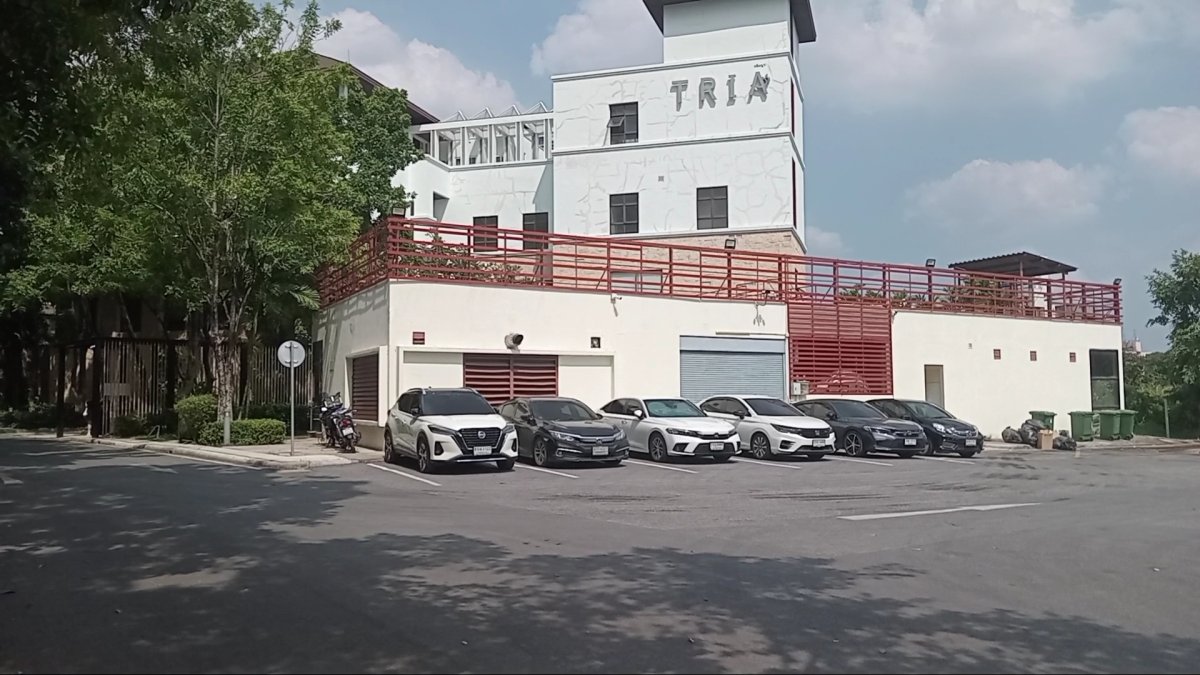
TRIA Medical Wellness Center
Get matched with the best doctors for Laparoscopic Anti-Reflux (GERD) Surgery
Tell us about your needs — and get 3 tailored offers from top doctors for you.
How frequently are symptoms of acid reflux experienced?
Direct prices from clinics
Free evaluation of your medical case
Free personal assistance 24/7
Thailand Laparoscopic Anti-Reflux (GERD) Surgery overview
Cost and clinics
| Typical laparoscopic anti-reflux surgery price in Thailand | Clinics | Accreditations | Cities | Laparoscopic anti-reflux surgery surgeons |
|---|---|---|---|---|
| $7,500 / ฿255,000–$10,500 / ฿357,000 | 2 clinics | ISO (1 clinic), JCI (1), GHA (1) | Bangkok (2 clinics) | 3 surgeons |
The procedure
| Before the trip | Time in Thailand | Operation time | Anesthesia | Back to desk work | Final result |
|---|---|---|---|---|---|
| Confirm GERD by endoscopy and tests, stop smoking, optimize weight, review medications | 5–7 days, including 1–2 nights in hospital | 1.5–3 hours | General | 7–21 days | 1–3 months |
How much does a Laparoscopic Anti-Reflux (GERD) Surgery cost in Thailand?
Laparoscopic anti-reflux surgery in Thailand is estimated from $7,500 / ฿255,000 to $10,500 / ฿357,000. The final quote depends on surgical technique, hospital tier, surgeon experience, and location.
Laparoscopic anti-reflux surgery in Thailand is estimated from $7,500 / ฿255,000 to $10,500 / ฿357,000. The final quote depends on surgical technique, hospital tier, surgeon experience, and location. In the US, this procedure costs $26,000 / ฿884,000 on average. Packages may include preoperative consultation and tests, surgeon and anesthesia fees, an operating room, a standard hospital stay, medications, and routine follow-up. Confirm which items the individual estimate covers.
- Robotic-assisted approach. Typically adds 20–30% over standard laparoscopic surgery.
- City choice. Bangkok may cost 15–20% more than regional centers; Phuket and Chiang Mai are options.
- Hospital tier. Premier international private hospitals may charge more than secondary private centers.
- Surgeon experience. Senior specialists or upper gastrointestinal surgery subspecialists may be priced toward the higher end.
- Preoperative testing. Advanced diagnostics, including 24-hour pH monitoring, may affect the total estimate.
Patients can request an itemized estimate covering testing, anesthesia, hospital stay, medication, and follow-up. Bangkok has listed physicians who perform this operation. A clear quote should identify whether diagnostics and routine postoperative care are included, as well as any planned additional testing. Comparing estimates by included services can help patients understand the full expected cost.
| Thailand | Turkey | Austria | |
|---|---|---|---|
| Laparoscopic Anti-Reflux (GERD) Surgery | ≈ $7,500 / ฿255,000 | from $2,500 / ฿85,000 | ≈ $9,500 / ฿323,000 |
| Transoral Incisionless Fundoplication (TIF) | ≈ $5,000 / ฿170,000 | from $13,800 / ฿469,200 | ≈ $7,500 / ฿255,000 |
How to choose a Laparoscopic Anti-Reflux (GERD) Surgery clinic in Thailand
For laparoscopic anti-reflux surgery in Thailand, narrow clinic choices, compare the surgeon and facility, then arrange aftercare and seek an independent opinion before booking.
What to check
Start with geography
Bookimed lists 2 clinics for laparoscopic anti-reflux surgery in Thailand, all in Bangkok – use that information to narrow your shortlist.Identify the operator
Meet your surgeon for laparoscopic anti-reflux surgery – confirm they, not another team member, will operate. Review your history and options, and ask about similar-case experience and before-and-after results.Review credentials
Confirm the surgeon is licensed by the Medical Council of Thailand, and ask whether the facility follows proper care, hygiene, and oversight standards.Coordinate later
Before traveling, agree how the overseas team and your home clinicians will coordinate care and who will handle complications after you return.Seek independent input
Before going abroad, ask a second doctor whether laparoscopic anti-reflux surgery is necessary and sensible for you.
Discover Laparoscopic Anti-Reflux (GERD) Surgery Clinics in Thailand
| Clinic Name | Patient Rating | About | Accreditations | Lead Doctor | Techniques |
|---|---|---|---|---|---|
| Bumrungrad International Hospital Bangkok | 4.6 (131 reviews) | Bumrungrad International Hospital specializes in gastrointestinal surgeries with advanced laparoscopic techniques. Laparoscopic Anti-Reflux (GERD) Surgery typically costs around $14,200–$14,700. Dr. Yongyut Sirivatanauksorn, an oncosurgeon with expertise in gastrointestinal tract treatments, leads the surgical team. The hospital serves over 1 million patients annually and is recognized among the top 10 globally. | ISO, JCI, GHA | Ultrasound, Consultation with a proctologist | |
| TRIA Medical Wellness Center Bangkok | 4.9 | TRIA Medical Wellness Center is a multidisciplinary facility in Bangkok, Thailand. It focuses on integrative beauty, healthcare, and rehabilitative medicine. Key departments include plastic surgery, skin and aesthetic care, and integrative medicine. The integrative unit offers Traditional Thai and Chinese Medicine therapies.The center was founded in 2022 by Suwannee Siriwimalanun, M.D. She is board-certified in preventive and anti-aging medicine. The team includes 19 licensed specialists. TRIA earned the Award of Honor at the Global Health Aesthetic Summit and the ArokaGO Star Award.TRIA uses advanced tools like PicoSure Laser and the Sylfirm X Plus RF microneedling system. DNA testing and epigenetic assessments guide longevity planning. Remote patients can book teleconsultations through the Plastic Surgery and Hair Center. | — | — | — |
Our Doctors
View all Doctors
Pichai Kittipanyaworakul
Specialized in gastroenterology and hepatology at top Thai institutions – Dr. Kittipanyaworakul brings precise expertise to anti-reflux surgery.
- Graduated in medicine from Chiang Mai University
- Holds advanced diplomas from Chulalongkorn and Ramathibodi Hospitals
- Focused on minimally invasive techniques for digestive disorders
- Currently practices at Intrarat Hospital

Premkamol Patraithikul
Dr. Premkamol Patraithikul is a general surgeon with advanced training in minimally invasive techniques. Dr. Patraithikul earned an M.D. from Khon Kaen University. Dr. Patraithikul completed a residency in general surgery at Thammasat University. Dr. Patraithikul completed a fellowship in laparoscopic surgery at Mahidol University (Siriraj Hospital) in Thailand.
Clinical expertise includes laparoscopic and robotic surgery. Practice also covers general surgery, obesity and weight‑management surgery, and surgery for gastrointestinal conditions.

Pichai Kittipanyaworakul
Dr. Kittipanyaworakul specializes in gastroenterology and hepatology, with advanced training from Thailand's top medical institutions.
- Graduated from Chiang Mai University's Faculty of Medicine
- Completed gastroenterology training at Ramathibodi Hospital
- Certified in internal medicine at Chulalongkorn Memorial Hospital

Yongyut Sirivatanauksorn
Dr. Yongyut Sirivatanauksorn is a surgical oncologist at Bumrungrad International Hospital in Bangkok. He treats cancers of the digestive system, including pancreatic, liver, and stomach cancer. He works at a hospital that treats over 1 million patients annually, holds JCI accreditation, and was named among the World’s Best Hospitals by Newsweek.
- Performs surgeries including liver resection and small intestine resection.
- Treats gastrointestinal malignancies such as gallbladder and colon cancer.
- Works at a center accredited by the Global Healthcare Accreditation Program.
- Specializes in surgery for sigmoid adenocarcinoma and rectal resection.
Our Laparoscopic Anti-Reflux (GERD) Surgery techniques
Nissen fundoplication is usually chosen when you have GERD and normal esophageal motility, especially with a hiatal hernia, because the stomach top is wrapped fully around the lower esophagus. Toupet fundoplication suits you if you have weak esophageal motility or a higher risk of dysphagia, because the stomach top is wrapped partly around the back of the esophagus.
Laparoscopic Anti-Reflux (GERD) Surgery recovery timeline: what to expect week by week
You can usually fly home 5–7 days after surgery, with your surgeon's approval and when swallowing feels comfortable. If your surgery is uncomplicated, you may return to desk work in 7–21 days, while physically demanding work usually takes longer. Light walking can start early, while exercise usually resumes at 4–6 weeks, with heavy lifting and strenuous core exercise avoided during that time. Your final result is usually assessed within 1–3 months, as swallowing and bloating settle and reflux control is reviewed.
Days 0–2
As you recover from anesthesia, you can start moving around and begin a liquid diet. Mild to moderate pain at the port sites or shoulder tip may last several days and can be controlled with oral pain medicine, so avoid lifting.
Weeks 1–2
Your diet progresses from liquids to soft, pureed foods as the small incision sites heal. Eat small, frequent meals, and avoid carbonated drinks and heavy lifting. A routine wound check is due 3–5 days after surgery, before you fly home 5–7 days after surgery with your surgeon's approval.
Weeks 3–6
You can gradually return to a normal diet and activity as swallowing improves. Chew food well, and avoid heavy lifting or straining until your surgeon clears you. A routine review 30–60 days after surgery covers diet progression, swallowing, and reflux symptoms.
Months 2–3
You can return to full activity, while bloating and swallowing symptoms mostly resolve.
When to contact your clinic: Contact your clinic if you develop a fever of 100.4°F or higher, worsening pain, persistent nausea, or an inability to drink fluids. For chest pain or sudden breathlessness after a long flight, seek emergency help locally.
Is a Laparoscopic Anti-Reflux (GERD) Surgery in Thailand safe?
Traveling to Thailand for a Laparoscopic Anti-Reflux (GERD) Surgery
Laparoscopic Anti-Reflux (GERD) Surgery in Thailand: Video Reviews from Bookimed Patients
Thailand Laparoscopic Anti-Reflux (GERD) Surgery Reviews at Bookimed: Discover Patients' Insights
View all
Share this content
 Anna Leonova

FAQ about Laparoscopic Anti-Reflux (GERD) Surgery in Thailand
What is the success rate for laparoscopic anti-reflux surgery in Thai hospitals?
Success rates for laparoscopic anti-reflux surgery in Thailand range from 78% to 90%. Patients typically report an 88.5% rate of significant symptom improvement. High-tier hospitals like Bumrungrad International Hospital maintain international standards, achieving patient satisfaction ratings of 4.6 out of 5 for gastrointestinal procedures.
- Symptom control: Complete reflux resolution reaches 78.7% within 6 months after Nissen fundoplication.
- Heartburn relief: Clinical data shows 85% to 90% of patients experience total heartburn elimination.
- Recovery time: About 76.7% of surgical patients return to daily activities within 7 days.
- Hospital stay: Postoperative monitoring usually requires a hospital stay of 2.5 to 2.7 days.
Bookimed Expert Insight: Thai clinics like Bumrungrad International Hospital serve over 1 million patients annually, with 50% being international. High patient volume often correlates with lower complication rates. Choosing facilities with JCI and GHA accreditations ensures quality standards for medical travelers. Specialist teams at these centers frequently manage complex GERD cases using advanced robotic and laparoscopic techniques.
Patient Consensus: Many patients report a dramatic reduction in reflux symptoms within 2 to 4 weeks. They advise coordinating long-term follow-up care with a local physician before traveling for surgery.
Who is an ideal candidate for GERD surgery?
An ideal candidate for GERD surgery suffers from chronic acid reflux that persists despite high-dose medication. Typical patients have a confirmed hiatal hernia, severe esophagitis, or aspiration-related respiratory issues. Candidates must have a body mass index under 35 with objective reflux confirmed via motility testing.
- Medical failure: Symptoms persist after 6 to 12 months of daily proton pump inhibitors.
- Diagnostic confirmation: Reflux must be proven via endoscopy, pH-impedance monitoring, and high-resolution manometry.
- Physical profile: Optimal outcomes occur in patients with a body mass index below 30.
- Complication status: Surgery helps those with Barrett esophagus, strictures, or chronic reflux-induced pneumonia.
Bookimed Expert Insight: While many seek surgery to stop medication, data shows the best surgical outcomes actually occur in patients who respond well to pills but want a permanent solution. Thailand centers like Bumrungrad International Hospital utilize advanced digital imaging to ensure patients don't have underlying motility disorders like achalasia before operating.
Patient Consensus: Patients with silent reflux often find that proving acid aspiration through testing is vital for a successful outcome. Most emphasize that resolving severe unresponsive symptoms outweighs the initial risk of temporary gas bloat after the procedure.
How long is the recovery period for international patients?
International patients undergoing laparoscopic anti-reflux surgery in Thailand should plan for a 10 to 14-day stay before flying home. While hospital discharge usually occurs within 4 days, this window ensures the fundoplication wrap stabilizes and post-operative CO2 gas dissipates before facing cabin pressure changes.
- Hospital stay: Expect 2 to 4 days of inpatient monitoring in Bangkok facilities.
- Fit to fly: Surgeons recommend waiting 10 to 14 days for long-haul flight safety.
- Desk work: Most patients return to light professional duties within 1 to 2 weeks.
- Full recovery: Complete physical healing and dietary normalization typically takes 4 to 6 weeks.
Bookimed Expert Insight: Data from top-tier centers like Bumrungrad International shows that 50% of their 1,000,000 annual patients are international. This high volume means Thai clinical teams are experts at managing `travel readiness.` They often prioritize specific anti-emetic protocols to prevent vomiting, which is critical to protecting your new surgical wrap during the flight home.
Patient Consensus: Many travelers suggest staying at least 12 days to manage initial bloating and shoulder pain. They emphasize packing soft foods for the return journey, as swallowing remains sensitive for several weeks.
Are there specific dietary restrictions after surgery?
Laparoscopic anti-reflux surgery in Thailand requires a strict 8-week phased dietary progression to protect the surgical wrap. Patients transition from clear liquids to pureed foods before gradually reintroducing solids. Following these stages religiously prevents complications like wrap displacement, choking from esophageal swelling, or chronic gas bloat syndrome.
- Phase 1 (Days 1–7): Consists of full liquids like broth, protein shakes, and yogurt to avoid choking.
- Phase 2 (Weeks 2–4): Permits pureed foods blended to applesauce consistency to prevent surgical wrap disruption.
- Phase 3 (Weeks 4–8): Includes soft, well-chewed solids; patients must avoid bread, rice, and carbonated drinks.
- Standard precautions: Surgeons recommend avoiding straws to prevent air swallowing and painful gas bloat symptoms.
Bookimed Expert Insight: Data from top-tier Bangkok facilities like Bumrungrad International Hospital shows that long-term success depends on permanent lifestyle shifts. High-volume centers stress that patients should never lie down for 3 hours after eating. This practice, combined with a 2,000-case experienced surgeon, significantly reduces the risk of expensive revision surgeries.
Patient Consensus: Many survivors of the recovery phase suggest stocking up on a high-quality baby food blender. They emphasize that chewing each bite 30 times is essential to avoid discomfort while the esophagus heals.
What are the common side effects of the surgery?
Common side effects of laparoscopic anti-reflux surgery in Thailand include temporary gas bloating, difficulty swallowing, and mild surgical soreness. Most patients experience immediate post-operative discomforts like nausea from anesthesia or a sore throat, which typically resolve within 48 hours in JCI-accredited facilities.
- Gas and bloating: Nearly universal side effect often lasting 3 to 12 months post-surgery.
- Dysphagia: Difficulty swallowing affects up to 50% of patients during early recovery stages.
- Venting issues: A reduced ability to burp or vomit can cause internal pressure.
- Bowel changes: Vagus nerve irritation may cause temporary diarrhea in 20% of cases.
Bookimed Expert Insight: Chronic side effects like `gas-bloat syndrome` are often linked to wrap tightness. Clinics like Bumrungrad International Hospital use advanced digital imaging to ensure precision. Requesting a surgeon with 100 plus annual cases can significantly reduce the risk of long-term swallowing issues.
Patient Consensus: Many patients describe feeling like a `gas machine` for several months after the procedure. They recommend keeping soft foods and gas medications ready while the body adjusts to the new normal.
Last review: Nov 19, 2026
Fahad Mawlood — General practitioner. Winner of 4 scientific awards. Served in Western Asia. Former Team Leader of a medical team supporting Arabic-speaking patients. Now responsible for data processing and medical content accuracy.
Have a question about Laparoscopic Anti-Reflux (GERD) Surgery in Thailand?
Ask a Bookimed medical coordinator about prices, clinics, techniques or your case. Write to us in the messenger you already use.
- Direct prices from clinics
- Free evaluation of your medical case
- Free personal assistance 24/7
Ask your question in a messenger
Tap a messenger to open a chat with a Bookimed medical coordinator.
Free and without obligation · Terms of use · Privacy policy