

To homepage
4.6/5
TrustPilot

Best Keratoconus doctors in Greece: TOP 1 doctor

Compare top Keratoconus doctors and prices in Greece. Find your best match here.

Get quotes from 3 top specialists in Greece

We'll hand-pick the best doctors based on your needs and budget.

Meet the experts behind this page

Top doctors

1

Greece

Reviews

14,000+

From real patients

Get free personalized treatment plans and choose the best option. No commitment · No payments for our services

Show first:

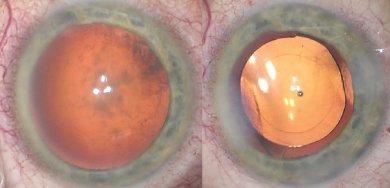
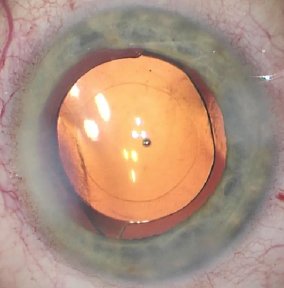
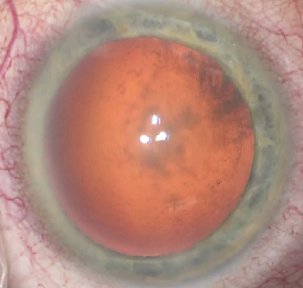
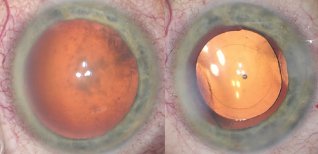
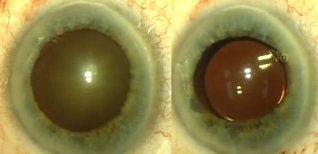
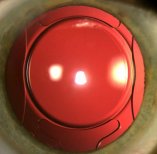
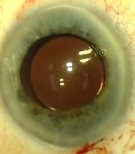
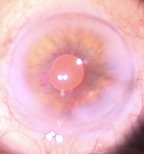
Before and after cataract surgery with IOL replacement result at Dr Nikolaos I Dervenis clinic
Before and after retina transplantation results at Dr Nikolaos I Dervenis clinic, improved retina
Before and after cataract surgery with IOL replacement at Dr Nikolaos I Dervenis clinic results
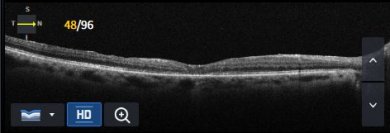
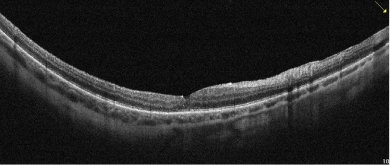
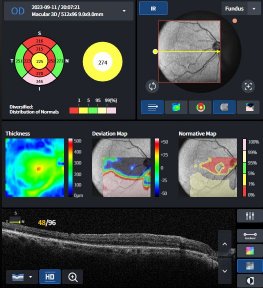
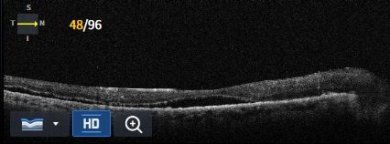
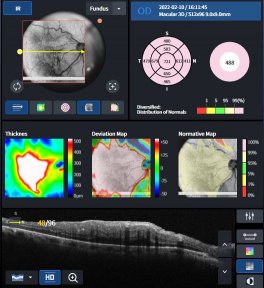
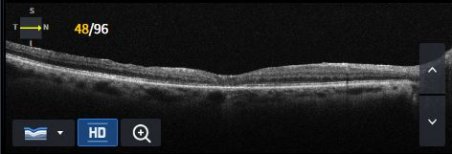
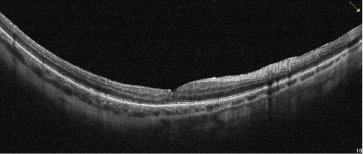
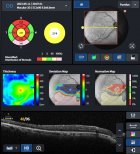
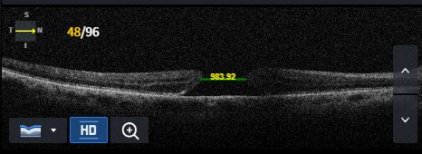
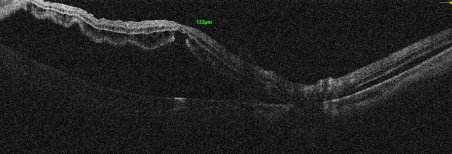
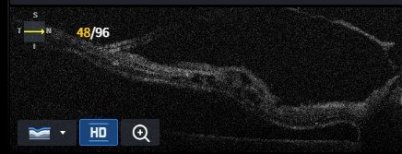
OCT scan after vitrectomy at Dr Nikolaos I Dervenis MD, MSc, PhD, FEBO - improved retina result
Retinal detachment surgery result at Dr Nikolaos I Dervenis clinic, restored retinal structure
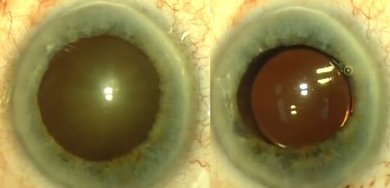
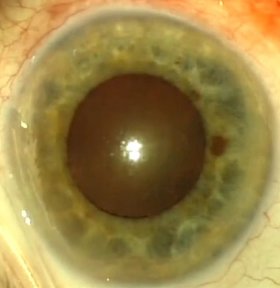
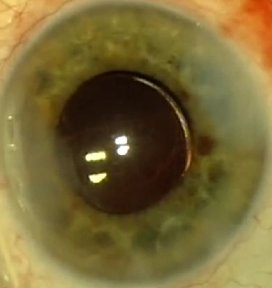
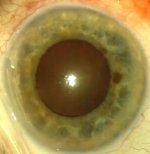
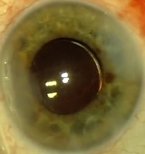
Cataract surgery result in one eye at Dr Nikolaos I Dervenis MD, MSc, PhD, FEBO clinic
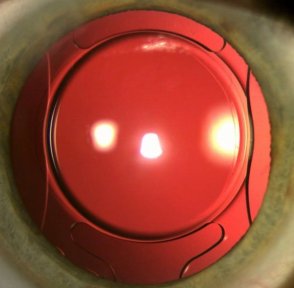
Cataract surgery with multifocal lens implant result at Dr Nikolaos I Dervenis Ophthalmic Clinic
Cataract surgery result at Dr Nikolaos I Dervenis MD, MSc, PhD, FEBO - clear lens outcome
Cataract surgery result in both eyes at Dr Nikolaos I Dervenis MD, clear lens replacement
Result after cataract surgery with multifocal lens implant at Dr Nikolaos I Dervenis clinic
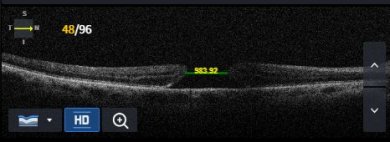
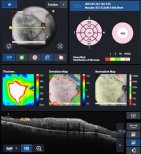
Macular OCT scan after vitrectomy at Dr Nikolaos I Dervenis MD, MSc, PhD, FEBO – improved retina result
After cataract surgery result at Dr Nikolaos I Dervenis MD, MSc, PhD, FEBO - clear eye lens
Cataract surgery with multifocal lens implant result at Dr Nikolaos I Dervenis clinic
OCT scan result after vitrectomy at Dr Nikolaos I Dervenis MD, MSc, PhD, FEBO - improved retina
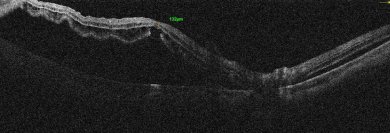
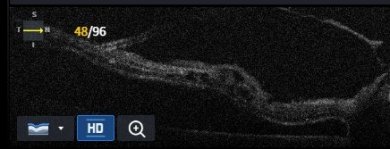
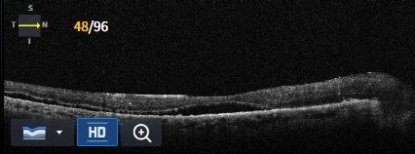
OCT scan showing retinal detachment before surgery at Dr Nikolaos I Dervenis clinic, eye result
Cataract surgery with IOL replacement result at Dr Nikolaos I Dervenis MD, MSc, PhD, FEBO clinic
Vitrectomy result at Dr Nikolaos I Dervenis MD, MSc, PhD, FEBO - improved retinal thickness
Cataract surgery with multifocal lens implant result at Dr Nikolaos I Dervenis Ophthalmic Clinic
OCT scan showing retinal detachment before surgery at Dr Nikolaos I Dervenis Ophthalmic Clinic
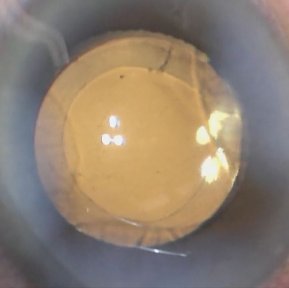
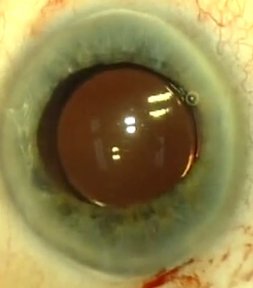
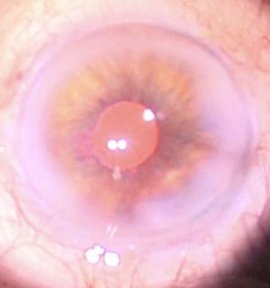
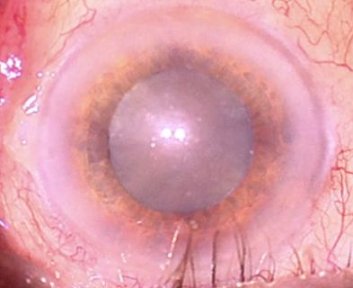
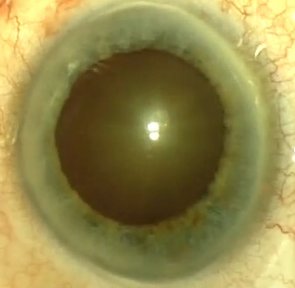
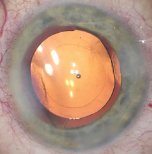
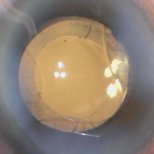
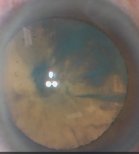
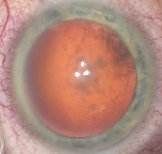
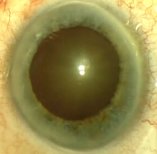
Cataract before surgery at Dr Nikolaos I Dervenis MD, MSc, PhD, FEBO - cloudy lens visible
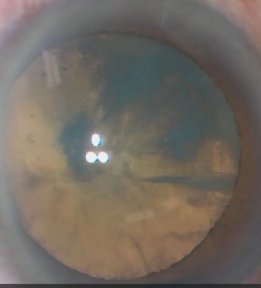
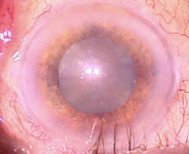
Cataract in eye before surgery at Dr Nikolaos I Dervenis MD, MSc, PhD, FEBO - visible lens opacity
Retinal detachment surgery result at Dr Nikolaos I Dervenis MD, MSc, PhD, FEBO - OCT scan view
Nikolaos Dervenis

Nikolaos Dervenis

5 Excellent1 review
12 years of experience
Location: Greece, Thessaloniki

With over 12 years of experience in ophthalmology, Dr. Dervenis specializes in cataract and laser eye surgeries, including LASIK for Keratoconus patients.

  • Consultant in the UK's National Health System (NHS)
  • Graduated from the Aristotle University of Thessaloniki
  • Holds an MSc and PhD in Ophthalmology
  • Authored 55+ articles in peer-reviewed journals
Doctor's visit Price on request

Choosing a clinic abroad can be stressful. At Bookimed, with over 800K patients helped, we understand your concerns. We know how to find trusted doctors, the best price-quality options, and solutions for even complex cases. We’re here to guide you every step of the way.

Yan Matsiivskiy

Head of Medical Coordinator Team

4300++ patient journeys guided

3 years at Bookimed

1 patients from Greece have found their doctor through us this month

How you'll get your perfect doctor match

1

2 min Quiz

Tell us your goal, budget, timeline

2

Human Matching + AI

Our algorithm finds matches, coordinator verifies fit

3

Your Options Ready

Compare prices, packages, dates. Chat with your coordinator

Overwhelmed by choices?

Your personal Bookimed coordinator helps you find the perfect surgeon tailored to your needs

  • Supports you 24/7 at every stage
  • Helps match you with the doctor and handles all communication with clinics
  • Coordinates your travel, accommodation, and transfers

Guiding your treatment

Medically trained personal coordinators

Peguy Beaugris
Tetyana Hyrych
Zekra Eldeeb
Victoria Olayinka
Iryna Sydorchuk
Tetiana Ihnatiuk

Choosing the Right Doctor and Clinic: Insider Tips

When selecting a doctor or clinic, keep these key points in mind:
Check credentials
Verify certifications from bodies like ISAPS, JCI, or relevant medical boards
Review success rates
Choose doctors with solid experience and a proven track record in your specific treatment.
Read patient reviews
Browse Bookimed reviews from real patients to learn about their experiences.
Ensure effective communication
Pick clinics that offer language support for a smooth treatment process.
Ask about services
Confirm whether the price includes services such as accommodation, local transfers, and follow-up care to avoid hidden costs.

Bookimed Insights: Top Keratoconus Specialists in Greece (2026)

Bookimed has coordinated 1 requests for Keratoconus treatment in Greece, collaborating with 1 top-rated specialists. The doctors in this table are selected based on their international credentials, clinical expertise, and patient outcomes. The 2026 ranking is formed using verified data from actual patient cases and current programs from our partner clinics.
RankDoctorexperienceGood Fit ForWhat Sets Them ApartClinic & LocationConsultation
#112 years of experienceLaser eye surgery for KeratoconusSpecializes in LASIK and cataract surgeries with a PhD in Ocular Blood Flow. Holds a consultant position in the NHS and authored 55+ ophthalmology articles.
Greece
Price on request

FAQ

These FAQs come from real patients seeking medical assistance through Bookimed. Answers are given by experienced medical coordinators and trusted clinic representatives.

What is the Athens Protocol and why is it used for keratoconus in Greece?

The Athens Protocol is a specialized Greek procedure combining topography-guided PRK laser reshaping with corneal collagen cross-linking. This same-day synergy stabilizes the cornea while improving vision. It serves as a highly effective alternative to corneal transplants for patients with advanced keratoconus.

  • Corneal normalization: PRK laser removes irregularities to reduce astigmatism and glare.
  • Enhanced stabilization: Cross-linking uses riboflavin and UV light to strengthen tissue.
  • Transplant prevention: This method reportedly reduces the need for transplants by 90%.
  • Rapid recovery: Most patients return to normal activities within 2 days.

Bookimed Expert Insight: While Dr. Nikolaos Dervenis at his Thessaloniki clinic performs over 1,200 procedures yearly, patients should note that peak results appear after 6 months. Our data shows specialized Greek centers often favor this protocol for thinner corneas under 450 micrometers. This specific expertise makes Greece a primary destination for complex corneal cases.

Patient Consensus: Patients describe the treatment as a painless alternative to traditional methods. They often report sharp visual improvements and appreciate avoiding the long recovery times typically associated with standard cross-linking.

Is keratoconus treatment in Greece safe and effective for international patients?

Keratoconus treatment in Greece is safe and highly effective. The country is a global pioneer and home to the Athens Protocol. This specialized procedure stabilizes the cornea in over 94% of cases. Facilities adhere to strict European Union medical and safety regulations.

  • Athens Protocol: Combines topography-guided partial PRK laser with cross-linking to halt disease.
  • Surgery prevention: Advanced Greek protocols reduce the need for corneal transplants by 90%.
  • Modern diagnostics: Clinics use Alcon WaveLight platforms and precise corneal topography for planning.
  • Expert surgeons: Specialists like Dr. Nikolaos Dervenis hold Fellow of the European Board of Ophthalmology (FEBO) credentials.

Bookimed Expert Insight: While many countries offer cross-linking, Greek surgeons often have unique dual training. For example, Dr. Nikolaos Dervenis at his Thessaloniki clinic trained in both Greece and the UK NHS. This cross-border experience is common among Greek experts. They often serve over 1,200 patients annually. This high volume ensures they handle complex, advanced cases that smaller clinics might decline.

Patient Consensus: Patients note that stabilization of the disease is routine and successful. Many recommend arranging a clear remote follow-up plan with your home doctor before traveling.

Will I still need glasses or contact lenses after keratoconus surgery in Greece?

Most patients still require glasses or contact lenses after keratoconus surgery in Greece. Procedures like the Athens Protocol stabilize the cornea to prevent vision loss. While these treatments improve corneal shape, they typically target stability rather than total visual independence from corrective aids.

  • Corneal cross-linking: Strengthens corneal tissues to stop disease progression. Most patients need lenses afterward.
  • Athens Protocol: Combines topography-guided laser with cross-linking. It significantly reduces dependence on specialty lenses.
  • Intracorneal rings: Flatten the corneal cone for better vision. These make lens fitting more comfortable.
  • Corneal transplant: Replaces donor tissue in advanced cases. Residual astigmatism usually requires post-surgical correction.

Bookimed Expert Insight: Greek specialists like Dr. Nikolaos Dervenis often manage over 1,200 patients annually using advanced NHS-standard protocols. Data shows that performing topography-guided PRK alongside cross-linking offers the best chance at better unaided vision. Patients should choose surgeons with Fellow of the European Board of Ophthalmology (FEBO) credentials for these complex combined procedures.

Patient Consensus: Patients note that while vision improves dramatically, many still use glasses for night driving or sports. Most emphasize that the real victory is switching from uncomfortable hard contacts to standard soft lenses or glasses.

How long does recovery take after the Athens Protocol?

Recovery from the Athens Protocol takes 6 to 12 months for full visual stabilization. Initial epithelial healing occurs within 4 to 7 days. Most patients return to light activities after 1 week. Visual sharpness fluctuates for the first month as the corneal surface normalizes.

  • Acute phase: Discomfort and light sensitivity typically last 1 to 3 days.
  • Bandage removal: Surgeons remove protective contact lenses after 4 to 7 days.
  • Visual stabilization: Vision usually improves significantly by the 1-month follow-up visit.
  • Long-term care: Patients must wear UV-blocking sunglasses outdoors for at least 3 months.

Bookimed Expert Insight: Clinics in Greece, such as Dr Nikolaos I Dervenis’s facility in Thessaloniki, manage high patient volumes with over 1,200 annual cases. Data suggests that choosing a Fellow of the European Board of Ophthalmology (FEBO) ensures adherence to standardized recovery protocols. These protocols typically involve a strict antibiotic and steroid drop regimen to prevent corneal haze during the first 8 weeks.

Patient Consensus: Patients note a vision rollercoaster during the first month and emphasize stocking up on artificial tears. They often find comfort improves significantly after the third day and recommend taking 1 full week off work.

Who is a candidate for topography-guided PRK plus CXL in Greece?

Candidates for topography-guided PRK plus CXL in Greece include patients with progressive keratoconus or post-LASIK ectasia. Ideal patients have a corneal thickness of 400–450 µm before treatment. Greek surgical protocols require documenting progression over 3 months. Candidates must show clear corneas without central scarring.

  • Corneal thickness: Requires minimum 400 micrometers pre-op to maintain structural integrity.
  • Vision status: Indicated for those with high irregular astigmatism or contact lens intolerance.
  • Ablation limits: Laser removal is strictly limited to 50 micrometers during the procedure.
  • Age group: Most common in young adults whose vision shows active progression.

Bookimed Expert Insight: Data from Greek centers shows a focus on high-academic credentials for this surgery. Dr. Nikolaos Dervenis has over 20,000 research citations and NHS experience. This depth of expertise is vital for the Athens Protocol. It involves balancing precise tissue removal with corneal stabilization. Patients should select clinics where the surgeon actively publishes research on corneal biomechanics.

Patient Consensus: Patients mention that centers often provide free initial topography scans to check eligibility. Many note it is wise to plan two separate trips for thorough screening and recovery.

Where in Greece is keratoconus treatment most experienced?

Athens is the primary global center for keratoconus treatment in Greece. It is the birthplace of the Athens Protocol for corneal stabilization. Thessaloniki and Crete also host specialized clinics. These facilities offer cross-linking and topography-guided laser resurfacing. Many centers hold ISO and JCI certifications.

  • Athens hub: Birthplace of the Athens Protocol combining laser resurfacing with cross-linking.
  • Thessaloniki expertise: Dr. Nikolaos Dervenis at his specialized center treats 1,200 patients annually.
  • Crete innovation: Emmetropia Eye Clinic integrated cross-linking (CXL) technology as early as 2006.
  • Superior outcomes: Greek protocols have reduced the need for corneal transplants by 90%.

Bookimed Expert Insight: Patient volume serves as a critical quality indicator in Greek ophthalmology. While Athens leads in research, Thessaloniki centers like Veselibu Clinic handle 2,000 patients every year. High-volume clinical practice often correlates with faster access to specialized corneal diagnostic imaging. This can significantly speed up the pre-surgical assessment process.

Patient Consensus: Patients note that private clinics in Athens offer faster access to specialized staff than public hospitals. Many emphasize confirming whether a center uses accelerated or standard cross-linking protocols before traveling.




