To homepage
4.6/5
TrustPilot

Best Lower Eyelid Blepharoplasty doctors in Warsaw: TOP 1 doctor

Compare top Lower Eyelid Blepharoplasty doctors and prices in Poland. Find your best match here.

Get quotes from 3 top Lower Eyelid Blepharoplasty specialists in Poland

We'll hand-pick the best doctors based on your needs and budget.

Meet the experts behind this page

Top doctors

1

Poland

Reviews

14,000+

From real patients

Choose the country with the best prices for doctors' services

Compare prices for Lower Eyelid Blepharoplasty across top countries

Tap a country to view top doctors and prices

Ukraine
Czech Republic
Poland
Thailand
Mexico
South Korea
$500 - $2,700
$700 - $1,900
$900 - $3,400
$1,100 - $1,600
$1,200 - $1,900
$1,900 - $3,200
$0
$1,000
$2,000
$3,000
$4,000

What Bookimed patients actually pay for Lower Eyelid Blepharoplasty in Poland

Most popular range

$1K

$1.25K

$1.5K

$2K

$2.5K

$1,600 – $2,100

Most patients pay within this range

The exact cost depends on the chosen doctor, technique, areas treated, and your individual needs.

Get a precise quote for your case.

Get free personalized treatment plans and choose the best option. No commitment · No payments for our services

Antoni Krajewski

  • New
  • 15 years of experience
  • Location: Poland, Warsaw
  • Dr. Krajewski combines general surgery expertise with specialized training in aesthetic procedures, operating at the Międzyleski Specialist Hospital with a focus on patient comfort.

    • Trained in general, vascular, and oncological surgery
    • Specializes in aesthetic medicine alongside surgical practice
    • Conducts international training courses in aesthetic medicine
    • Known for exceptional empathy and LGBTQ+ community support
  • Read more
Package price from$1,943.92

Choosing a clinic abroad can be stressful. At Bookimed, with over 800K patients helped, we understand your concerns. We know how to find trusted doctors, the best price-quality options, and solutions for even complex cases. We’re here to guide you every step of the way.

Yan Matsiivskiy

Head of Medical Coordinator Team

4300++ patient journeys guided

3 years at Bookimed

752 patients from Poland have found their doctor through us this month

How you'll get your perfect doctor match

1

2 min Quiz

Tell us your goal, budget, timeline

2

Human Matching + AI

Our algorithm finds matches, coordinator verifies fit

3

Your Options Ready

Compare prices, packages, dates. Chat with your coordinator

Overwhelmed by choices?

Your personal Bookimed coordinator helps you find the perfect surgeon tailored to your needs

  • Supports you 24/7 at every stage
  • Helps match you with the doctor and handles all communication with clinics
  • Coordinates your travel, accommodation, and transfers

Guiding your treatment

Medically trained personal coordinators

Peguy Beaugris
Tetyana Hyrych
Zekra Eldeeb
Victoria Olayinka
Iryna Sydorchuk
Tetiana Ihnatiuk

Choosing the Right Doctor and Clinic: Insider Tips

When selecting a doctor or clinic, keep these key points in mind:
Check credentials
Verify certifications from bodies like ISAPS, JCI, or relevant medical boards
Review success rates
Choose doctors with solid experience and a proven track record in your specific treatment.
Read patient reviews
Browse Bookimed reviews from real patients to learn about their experiences.
Ensure effective communication
Pick clinics that offer language support for a smooth treatment process.
Ask about services
Confirm whether the price includes services such as accommodation, local transfers, and follow-up care to avoid hidden costs.

Bookimed Insights: Top Lower Eyelid Blepharoplasty Specialists in Poland (2026)

Bookimed has coordinated 28 requests for Lower Eyelid Blepharoplasty in Poland, collaborating with 1 top-rated specialists. The doctors in this table are selected based on their international credentials, clinical expertise, and patient outcomes. The 2026 ranking is formed using verified data from actual patient cases and current programs from our partner clinics.
RankDoctorexperienceGood Fit ForWhat Sets Them ApartClinic & LocationConsultation

FAQ

These FAQs come from real patients seeking medical assistance through Bookimed. Answers are given by experienced medical coordinators and trusted clinic representatives.

What are the main risks and possible complications of lower-eyelid blepharoplasty?

Lower eyelid blepharoplasty carries risks including temporary swelling, bruising, and dry eye irritation. Major complications such as eyelid malposition or retraction can occur if too much skin is removed. Serious but rare risks include hematoma or vision disturbances, though most procedures in Poland follow strict ISO safety standards.

  • Eyelid malposition: Retraction or ectropion affects 5–10% of cases, potentially causing chronic tearing.
  • Persistent dryness: Gritty sensations or irritation can last 3–6 months following muscle disruption.
  • Aesthetic concerns: Fat over-resection may create a hollowed or sunken appearance as patients age.
  • Safety standards: Clinics like KCM Clinic and Beauty Group maintain ISO-certified quality protocols.

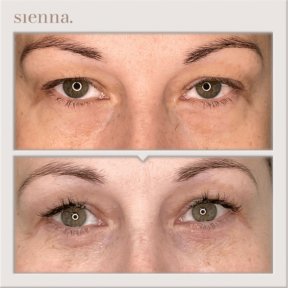
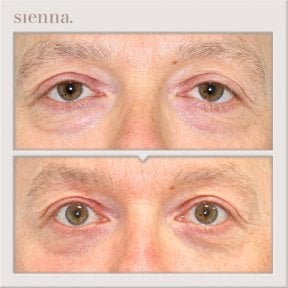
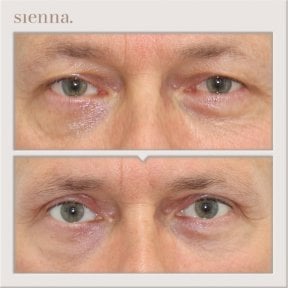
Bookimed Expert Insight: While lower eyelid surgery can cost up to $3,300 in Poland, the real value lies in surgical approach. Data indicates that clinics like Sienna Clinic prioritize conservative fat preservation. This technique prevents the permanent hollowed look and significantly reduces the need for expensive secondary revision surgeries later.

Patient Consensus: Many patients emphasize that recovery takes longer than expected, with swelling often persisting for 4 weeks. They strongly recommend using lubricating drops daily and choosing a surgeon who favors the transconjunctival approach to avoid visible scarring.

How should I prepare for surgery and what happens during the first week of recovery?

Preparing for lower eyelid blepharoplasty in Poland requires stopping blood thinners and supplements two weeks prior. Patients must maintain a 45-degree sleeping position. Within the first week, swelling peaks around day 3, but most visual recovery and stitch removal occur by day 7.

  • Pre-op medications: Stop aspirin, ibuprofen, and vitamin E 14 days before your scheduled surgery date.
  • Daily supplements: Start arnica pills 7 days prior to significantly minimize bruising and inflammation.
  • Immediate recovery: Use frozen pea packs during days 2–4 to manage peak surgical swelling effectively.
  • Vision care: Wear oversized sunglasses and apply saline washes to treat light sensitivity and dryness.
  • Physical activity: Avoid bending or heavy lifting for 7 days to prevent internal ocular bleeding.

Bookimed Expert Insight: While many Polish clinics like KCM Clinic offer specialized international packages, patients often overlook the environmental impact of local hotels. Central heating in Warsaw or Krakow accommodations can severely dry out eyes during the first week. We recommend bringing high-quality lubricating drops and ensuring your hotel room has adjustable climate control to prevent corneal irritation during the critical healing phase.

Patient Consensus: Patients report that light sensitivity is the most challenging part of the first week, requiring dark rooms. Most find that 80% of bruising fades by day 5, allowing for a comfortable flight home after 1 week.

Who is a good candidate for lower-blepharoplasty and are there non-surgical alternatives?

Candidates for lower blepharoplasty typically exhibit persistent under-eye bags, herniated fat deposits, or significant skin laxity. Successful outcomes often involve patients with good skin elasticity. Non-surgical alternatives like dermal fillers or laser resurfacing effectively address mild volume loss and fine lines without surgical downtime.

  • Ideal candidates: Patients with fat herniation and minimal skin laxity see best results.
  • Structural signs: Surgery corrects permanent puffiness, deep folds, and visible lower sclera sagging.
  • Surgical techniques: Transconjunctival approaches suit fat removal while external incisions address excess skin.
  • Dermal fillers: Injectables like hyaluronic acid camouflage hollow tear troughs for 6–18 months.
  • Energy devices: Radiofrequency or ultrasound treatments firm skin by stimulating natural collagen production.

Bookimed Expert Insight: Poland has emerged as a high-value hub where clinics like KCM Clinic hold ISO certifications. Many patients mistakenly assume fat removal fixes dark hollows. Our data suggests a growing trend where surgeons increasingly perform fat repositioning rather than simple removal. This technique uses your own tissue to fill hollows, creating a smoother transition than traditional excision alone.

Patient Consensus: Many patients recommend using fillers as a reversible trial before committing to permanent surgery. They often note that addressing allergies or sleep habits can significantly improve minor puffiness before surgical intervention.

Will there be visible scars after lower-eyelid blepharoplasty?

Visible scarring is rare after lower-eyelid blepharoplasty because incisions are placed inside the eyelid or hidden under lashes. Post-operative pinkness typically fades within 3 to 6 months. By 12 months, incisions mature into nearly invisible, pale lines that blend with natural skin creases.

  • Transconjunctival method: This internal approach leaves zero visible external scarring after the procedure.
  • Subciliary approach: Surgeons place fine external incisions 1–2 millimeters below the lower eyelash line.
  • Healing timeline: Initial pinkness fades by month 6, becoming nearly invisible after 1 year.
  • Tissue quality: Thin eyelid skin has high blood supply, promoting rapid, high-quality tissue repair.

Bookimed Expert Insight: Poland has become a top-5 global destination for plastic surgery due to high surgeon volume. Large centers like Surgery in Poland treat 20,000 patients annually. This high frequency allows surgeons to master the transconjunctival approach, which eliminates external scars entirely for patients only requiring fat removal.

Patient Consensus: Patients emphasize that early post-op pinkness at 2 weeks is temporary and fades dramatically by month 3. Most recommend using silicone gel and strict sun protection to ensure scars remain imperceptible at the 1-year mark.

How long does swelling last and when can I fly home after surgery in Poland?

Swelling after lower eyelid blepharoplasty in Poland typically peaks within 3 to 5 days. While 80 percent of puffiness resolves in 2 to 4 weeks, flying home is safe after 7 to 10 days once surgeons remove your stitches.

  • Swelling peak: Puffiness is most prominent between day 3 and day 5 post-surgery.
  • Flying timeline: Short flights are safe after 7 days; long-haul travel requires 14 days.
  • Stitch removal: Surgeons typically remove sutures on day 7 before clearing you for travel.
  • Social readiness: Most patients look presentable without sunglasses approximately 14 days after the procedure.

Bookimed Expert Insight: Poland attracts over 4,300 international patients annually due to a high density of ISO-accredited clinics. While many focus on Warsaw, clinics like KCM Clinic in Jelenia Góra serve hundreds of UK and German patients. This high volume of international cases means Polish surgeons typically provide fit-to-fly certificates earlier than general practitioners might expect.

Patient Consensus: Many suggest booking flexible return flights to allow for unexpected swelling delays. Patients frequently advise using saline spray and cold compresses to manage dry cabin air during transit.

What should I bring to Poland and how long should I plan to stay in the country?

Plan a stay of 7 to 10 days in Poland for lower eyelid blepharoplasty. This timeframe allows for pre-operative consultations, the procedure, and mandatory stitch removal on day 7. Essential items include high-SPF sunscreen, dark oversized sunglasses for protection, and comfortable button-up clothing.

  • Hospital stay: Plan for 7 days minimum to complete the essential stitch removal process.
  • Essential clothing: Bring button-up shirts to avoid pulling garments over sensitive, post-operative eyes.
  • Post-op care: Pack high-quality sunglasses and cold compresses to manage swelling on days 3-5.
  • Recovery logistics: Stay within cities like Warsaw or Wroclaw for immediate access to follow-up care.

Bookimed Expert Insight: While 5-day stays are possible with no-stitch techniques, 10 days is safer. Clinics like KCM Clinic often serve patients from the UK and Germany. These facilities frequently bundle 1-2 hotel nights into their international surgical programs. Booking these packages ensures professional monitoring during the peak swelling period.

Patient Consensus: Travelers recommend flexible return flights because swelling often peaks unexpectedly on day 4. Most patients suggest sleeping upright with extra pillows and using dark scarves to stay discreet.

How do I verify that the clinic and surgeon in Poland meet international safety standards?

To verify safety standards in Poland, confirm your surgeon is registered with the Polish Chamber of Physicians and Dentists (Naczelna Izba Lekarska). Top facilities like KCM Clinic and Beauty Group hold ISO certifications, ensuring compliance with European Union medical device and safety protocols.

  • Surgeon licensure: Verify credentials through the Central Register of Physicians (NIL) database.
  • Clinical accreditation: Look for ISO 9001 or Polish Ministry of Health certifications.
  • European standards: Ensure the facility meets EN 16372 safety and ethics benchmarks.
  • Specialist focus: Prioritize surgeons certified by the European Society of Aesthetic Plastic Surgery.

Bookimed Expert Insight: While JCI is the global gold standard, many elite Polish clinics prioritize ISO certification and Ministry of Health oversight. KCM Clinic, for example, serves 700 international patients annually by maintaining these exact standards. For lower eyelid blepharoplasty, verify if the surgeon has a secondary specialization in ophthalmology to ensure delicate eye-area expertise.

Patient Consensus: Patients recommend checking the NIL database and requesting unedited photo galleries before booking. Many advise confirming a surgeon has hospital backup privileges rather than just an outpatient office.