43 people have requested a quote last month

Turkan Tunerir


2 reviews
Package price from
$140Compare top Stroke Rehabilitation doctors and prices in Turkey. Find your best match here.
We'll hand-pick the best doctors based on your needs and budget.
Meet the experts behind this page
Medically reviewed by Fahad Mawlood
Medical Editor & Data ScientistTop doctors
1
Turkey
Reviews
14,000+
From real patients
Get free personalized treatment plans and choose the best option. No commitment · No payments for our services
Show first:
43 people have requested a quote last month


2 reviews
Package price from
$140Choosing a clinic abroad can be stressful. At Bookimed, with over 800K patients helped, we understand your concerns. We know how to find trusted doctors, the best price-quality options, and solutions for even complex cases. We’re here to guide you every step of the way.
Yan Matsiivskiy
Head of Medical Coordinator Team
4300++ patient journeys guided
3 years at Bookimed
278 patients from Turkey have found their doctor through us this month
2 min Quiz
Tell us your goal, budget, timeline
Human Matching + AI
Our algorithm finds matches, coordinator verifies fit
Your Options Ready
Compare prices, packages, dates. Chat with your coordinator
Overwhelmed by choices?
Guiding your treatment
Medically trained personal coordinators






| Rank | Doctor | experience | Good Fit For | What Sets Them Apart | Clinic & Location | Consultation |
|---|
Yes, you can communicate with stroke rehabilitation doctors in Turkey in English. Leading specialists like Dr. Gunesh Yavuzer at Romatem Bursa speak English fluently after completing doctoral studies in the Netherlands. Most senior professors in Istanbul and Bursa are trained internationally and handle consultations directly in English.
Bookimed Expert Insight: While lead specialists at centers like Anadolu Medical Center or Romatem often speak fluent English, daily therapists may use translation tools. Choosing a doctor with international fellowships, such as a PhD from the Netherlands, often ensures a smoother direct communication experience during your recovery.
Patient Consensus: Patients find that head doctors speak English well for explaining the recovery plan. For daily tasks, therapists often use phone apps or gestures, which patients say works perfectly fine for physical movements.
Turkish doctors determine stroke rehabilitation plans by combining clinical evaluations with advanced technology and functional assessments. Specialists such as Dr. Semih Aki review medical imaging and physical limitations to build a multidisciplinary strategy. This approach focuses on restoring motor skills and cognitive function through personalized therapy cycles.
Bookimed Expert Insight: Turkish rehabilitation specialists often hold dual certifications in physical therapy and specific interventional techniques like ozone or neural therapy. Dr. Nurten Kuchukchakir at Romatem, for example, integrates traditional exercises with ultrasound-guided injections and ozone therapy. This combination allows doctors to manage localized pain while simultaneously working on neuro-rehabilitation, which can speed up the patient's transition into intensive movement therapy.
Patient Consensus: Patients noticed that doctors significantly adjust the intensity of treatment based on stroke severity and family support levels. While some felt timelines were vague, many appreciated the flexibility to increase therapy sessions once they showed weekly physical progress.
During inpatient stroke rehabilitation in Turkey, شما typically see your rehabilitation physician at least three days per week. Specialized clinics often schedule daily face-to-face visits during the first week to manage medications and monitor neurological stability. Senior specialists like Dr. Semih Aki at Anadolu Medical Center oversee these intensive recovery protocols.
Bookimed Expert Insight: Many leading Turkish rehabilitation centers like Romatem Bursa have chief physicians who hold specialized PhDs in rehabilitation. For example, Dr. Gunesh Yavuzer has research-based training from Erasmus University in the Netherlands. This level of expertise ensures that even if daily rounds are brief, the clinical supervision is based on international scientific standards.
Patient Consensus: Patients mention that initial doctor visits happen daily but often become shorter as therapy intensifies. Keeping a symptom journal helps make the most of those brief five-minute encounters with the medical team.
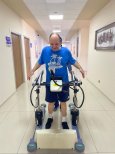
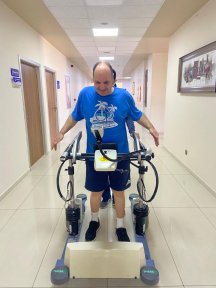
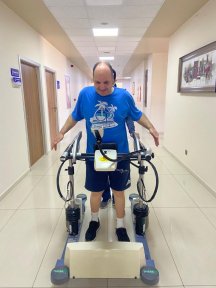
Stroke rehabilitation doctors in Turkey use robotic gait systems, wearable exoskeletons, and biofeedback tools to restore mobility. Specialists like Dr. Gunesh Yavuzer at Romatem Bursa utilize the Lokomat and Vector Gait systems. These technologies provide assisted movement, helping the brain relearn motor patterns more efficiently after a stroke.
Bookimed Expert Insight: While basic physiotherapy is widely available, specialized centers like Romatem Bursa and Anadolu Medical Center offer niche gait-training tools. For example, the Vector Gait System and Lokomat allow patients to safely practice walking before they can support their own weight. Choosing a clinic with these specific robotic platforms can significantly decrease recovery time for non-ambulatory patients.
Patient Consensus: Many patients describe the robotic exoskeleton as wearing a power suit that provides stability and confidence. They noted that using virtual reality made repetitive hand exercises feel like a game, which kept them motivated. Some also found that electrical stimulation helped prevent muscle wasting when traditional physical therapy felt stuck.