Kemal Dikici
Turkey, Istanbul
26 years of experience
Clinic is certified


Location: Turkey, Istanbul
Doctor's visit
Price on request
Doctor's visit
Price on request
Compare top Strabismus doctors and prices in Turkey. Find your best match here.
We'll hand-pick the best doctors based on your needs and budget.
Meet the experts behind this page
Medically reviewed by Fahad Mawlood
Medical Editor & Data ScientistTop doctors
67
Turkey
Reviews
14,000+
From real patients
Get free personalized treatment plans and choose the best option. No commitment · No payments for our services
Show first:
Doctor's visit
Price on request

Dr. Alperen Koc has performed 1,100+ ophthalmic treatments, specializing in strabismus at Valued Med Hub Hospitals.
1 review
Package price from
$2,340
Trained at Miami Bascom-Palmer Eye Institute – one of the top ophthalmology centers in the US. Dr. Cekmeceli specializes in strabismus surgery at VM MedicalPark Pendik Hospital.
Package price from
$3,920Dr. Saygin specializes in ophthalmology with a focus on strabismus treatment, trained at Istanbul Göztepe Training and Research Hospital.
Package price from
$3,920
Dr. Zeynep Ayse Acar is an ophthalmologist focused on strabismus and cornea care. She graduated from Istanbul University Faculty of Medicine in 1999. She completed her ophthalmology residency at PTT/Fatih Sultan Mehmet Training and Research Hospital (2000–2004). She trained at Antwerp University Hospital in Belgium. She completed a cornea fellowship and observed in the strabismus unit there. She later served as Senior Registrar in the strabismus and cornea units at Şişli Etfal and Haydarpaşa Numune Hospitals.
Surgical experience: over 2,000 strabismus operations across 13 years. Over 1,000 cataract operations across 20 years.
Professional membership: Turkish Ophthalmological Society.
Package price from
$2,743Glaucoma, commonly known as "eye pressure", is damage to the optic nerve due to frequent increases in intraocular pressure. As a result, the field of view of a person gradually narrows. Glaucoma, an insidious disease that manifests itself in the last stages of the disease, can cause severe damage to the optic nerve that cannot be repaired if diagnosed late.
People with higher than normal eye pressure have a higher risk of developing glaucoma, but this does not mean that all people with high eye pressure can develop glaucoma. Glaucoma can develop for many reasons. A fluid called aqueous humor is produced inside the choroid of the eye. There is a balanced pressure that occurs when this produced fluid exits the eye. This pressure is a necessary condition for maintaining the integrity of the eye. When this fluid is not enough, it accumulates in the eye, causing an increase in pressure and damaging the optic nerves.
Glaucoma may be related to genetics. People with a family history of glaucoma are at a higher risk of developing it. In other words, one or more genes may be defective and these individuals may become more susceptible to the disease.
People over the age of 40 have an increased risk of developing glaucoma.
Patients with diabetes and hypothyroidism (goiter) are at a higher risk of developing glaucoma.
Serious eye injuries can cause an increase in intraocular pressure. Other risk factors include retinal detachment, eye tumors, and eye inflammation such as chronic uveitis or iritis. Some eye surgeries can also trigger the development of secondary glaucoma.
The incidence of glaucoma has roughly doubled in myopia, which is commonly known as nearsightedness.
Long-term use of cortisone (in the form of drops, oral preparation or skin cream, etc.) can cause the development of secondary glaucoma.
For people with these characteristics, it is important to have regular eye examinations for early detection of damage to the optic nerve.
Since the risk of developing glaucoma in people with these characteristics is higher than usual, these people should have regular eye examinations for early detection of damage to the optic nerve.
The main ways to treat glaucoma:
If despite medical or laser treatment, eye pressure does not decrease, and the disease continues to progress, in most cases, the treatment will be surgery.
Glaucoma is a disease that is easily treatable if diagnosed early. In particular, it is very important for the success of the treatment that individuals with a family history of the disease undergo regular examinations.
Eye drops are often used during treatment. The drops used will help keep the disease under control as they lower eye pressure. Usually, start with one type of drop. The most important issue here is that the patient uses the prescribed drops at regular intervals. To understand the effectiveness of the drops, after using them for 2-3 weeks, the patient is again called for control to measure eye pressure. At this stage, the effectiveness of the drug is checked and treatment is continued with the same drug or other recommended drops. The patient should tell his doctor about the diseases, in case there are any other drugs that he takes.
Measurement of eye pressure can be easily and quickly carried out as part of a general examination. During a comprehensive eye examination, it is imperative to examine the fundus and measurement of eye pressure. Thanks to these measurements, it is possible to determine whether a patient has a suspicion of glaucoma, even if there are no complaints. Glaucoma is based on the loss of the fibrous layer that forms the optic nerve. For this reason, people with signs of the disease need to have their retinal nerve fibers examined for damage. This uses a special light and photographic film techniques, as well as a computerized imaging method. Tests such as corneal thickness measurement and visual field test can be done to determine eye pressure.
Glaucoma is an eye disease that can be controlled and the progression of the disease can be stopped. However, a person who is diagnosed with glaucoma should continue to have follow-up visits and continue treatment for the rest of their lives.
Measurement of eye pressure is an integral part of an ophthalmological examination. The measurement result can help if you suspect glaucoma. However, glaucoma is a disease that can develop insidiously. There may be the pressure that changes throughout the day, or measurements due to the thinness of the cornea may not clearly show the presence of the disease. Although the pressure below 20 mm Hg. Art. is usually considered normal when measuring eye pressure, it should not be forgotten that there are many types of glaucoma. There are many types of glaucoma such as pigmentary, neovascular, exfoliative, and congenital glaucoma. For this reason, in addition to measuring eye pressure, it is necessary to measure the thickness of the cornea and an examination of the optic nerve and retina.
Glaucoma is a disease that can lead to blindness if left untreated. Its treatment cannot correct nerve damage in the eye but can stop it from progressing and getting worse. The main goal of treatment is to ensure that the patient can see throughout his life.
Increased eye pressure is one of the most dangerous conditions. As eye pressure rises, the field of vision narrows and can cause permanent damage. For this reason, it is very important to analyze the symptoms well and to be observed regularly to protect the health of the eyes.
As with any serious disease, excessive consumption of sugary and fatty foods also negatively affects eye health. In particular, in patients with glaucoma, excessive fluid intake at short intervals can increase eye pressure.
Glaucoma is a disease that can occur in both eyes at the same time or in one eye.
Glaucoma occurs as a result of the accumulation of intraocular fluid in the eye, which provokes an increase in eye pressure. For an eye pressure of 9 mm Hg. Art. is the lower limit, and 22 mm Hg. Art. considered the upper limit.
Eye pressure and body blood pressure are two different diseases that are independent of each other. Although the problem is often associated with each other in the public, a person with eye pressure may not have blood pressure, and a person with blood pressure may not have eye pressure. However, since blood pressure is a disease that can affect every organ in general, it can negatively affect the eyes if it rises or falls. Therefore, patients with glaucoma must pay special attention to their body's blood pressure.
Severe headaches are one of the most common complaints of elevated eye pressure. However, it is wrong to associate every headache with glaucoma. For this reason, with prolonged complaints of headaches, the underlying cause should be investigated.
Complaints and symptoms of glaucoma usually begin to appear in advanced stages. Symptoms may vary depending on the type of glaucoma. However, eye pain can occur due to glaucoma. It is recommended to be examined by an ophthalmologist for persistent eye pain. With regular eye examinations, it is necessary to measure eye pressure and examine the fundus.
Last update: 18.12.2022
Prepared by the Dünyagöz Hospital Editorial Board.
*Page content is for informational purposes only. Consult your doctor for diagnosis and treatment
Package price from
$2,743

Dr. Hasan Kiziltoprak focuses on pediatric ophthalmology and strabismus surgery at Atlas University Hospital.
Doctor's visit
Price on request

Specializes in child health and strabismus treatments, bringing years of dedicated experience to complex pediatric eye conditions.
Doctor's visit
Price on request
Package price from
$2,743
Dr. Ulviye Askerova, MD, is an ophthalmologist. She earned her MD from Azerbaijan Medical University in 2019. She is completing an ophthalmology residency at Göztepe City Hospital / Istanbul Medeniyet University (2021–2025). Her clinical focus includes cataract surgery with intraocular lenses (including trifocal), medical retina, pediatric ophthalmology and strabismus, and oculoplastics.
She has two peer-reviewed international publications (Graefes Arch Clin Exp Ophthalmol, 2023; Medical Journal of Medeniyet, 2025). She has given four presentations at national and international meetings (ASO & TROS 2022; TOD 2023; TOD 2024; ASO & TROS 2024).
She completed the TOD Vitreoretinal Surgery Unit “Basic Techniques in Vitreoretinal Surgery” Skills Transfer Course in May 2024. She has participated in nine congresses, symposia, and webinars from 2022 to 2025, including the TOD National Congresses (56th and 57th) and the 9th TOD Live Surgery Symposium.
Doctor's visit
Price on request
Dr. Busra Demirkiran is an ophthalmologist at Dunyagoz Eye Hospital Istanbul Suadiye in Istanbul, Turkey. Her listing includes FEBO, a credential meaning Fellow of the European Board of Ophthalmology.
Package price from
$2,743

Dr. Helvacıoğlu is a highly trained ophthalmologist specializing in strabismus, with memberships in leading international ophthalmology societies.
3 reviews
Doctor's visit
Price on request
40,000+ ophthalmological operations performed – Dr. Sutan Kaya specializes in strabismus at Veni Vidi Eye Clinics.
1 review
Doctor's visit
Price on request

Prof Yusuf Yildirim specializes in advanced ophthalmology procedures, including corneal and refractive surgeries, at Medipol Acibadem District Hospital.
Doctor's visit
Price on request
Prof. Türkçüoğlu brings 27 years of ophthalmology expertise, including specialized training at Johns Hopkins Hospital's Wilmer Eye Institute.
Doctor's visit
Price on request
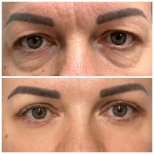
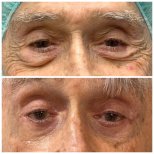
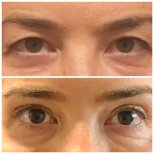
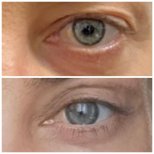
Doctor's visit
Price on request


Dr. Suleymanzade specializes in strabismus treatment, combining precision with extensive ophthalmology training at Gülhane Military Medical Academy.
Doctor's visit
Price on request

Specializes in complex strabismus cases with expertise in vitreo-retinal surgery and retinopathy of prematurity at Medipol University Pendik Hospital.
Doctor's visit
Price on request
900+ strabismus procedures performed – Dr. Yildiz brings 34 years of ophthalmology expertise to Veni Vidi Eye Clinics.
Doctor's visit
Price on request
You've viewed 20 of 67 doctors
Choosing a clinic abroad can be stressful. At Bookimed, with over 800K patients helped, we understand your concerns. We know how to find trusted doctors, the best price-quality options, and solutions for even complex cases. We’re here to guide you every step of the way.
Yan Matsiivskiy
Head of Medical Coordinator Team
4300++ patient journeys guided
3 years at Bookimed
278 patients from Turkey have found their doctor through us this month
2 min Quiz
Tell us your goal, budget, timeline
Human Matching + AI
Our algorithm finds matches, coordinator verifies fit
Your Options Ready
Compare prices, packages, dates. Chat with your coordinator
Overwhelmed by choices?
Guiding your treatment
Medically trained personal coordinators