Dan Mirelman
- 4.5 Good • 171 reviews
- 21 years of experience
- Israel, Tel Aviv, Sourasky Medical Center (Ichilov)
Immunotherapy
$4,000 - $9,500
Mastectomy
$1,350 - $1,640
Chemotherapy
$1,200 - $1,200
Professor Joseph Klauzner is the Chairman of Surgery at Sourasky Medical Center. He brings high-level surgical expertise to every comprehensive diagnosis of colorectal pathology.
Dr. Arzu Guliyeva is a gastroenterologist at the Biological Medicine Integrative Health Center in Baku. She specializes in manageing chronic inflammatory conditions like Crohn's disease and ulcerative colitis. Dr. Guliyeva completed specialized training at Ege University and Sisli Etfal Hospital in Turkey.
Dr. Viktor Alexander Krol is the Chief Physician of Gastroenterology and Internal Medicine at St. Martinus-Krankenhaus Düsseldorf. He also directs a certified Obesity Treatment Center. Dr. Krol treats complex diseases of the digestive tract, metabolism, and respiratory system. He works at one of only two German clinics accredited by the International Federation of Obesity.
Dr. Peter Schenker is the Chief Surgeon at the Medical Center in Solingen. He specializes in gastrointestinal oncology and pancreatic surgery. He formerly served as the Chief Surgeon at Germany’s first certified colorectal cancer center. Dr. Schenker focuses on robotic and minimally invasive surgical methods. He treats complex conditions like Barrett's esophagus and Crohn's disease.
Dr. Selin Kapan is a general surgery professor at İstinye University Liv Hospital Topkapı. She specializes in gastrointestinal surgery and laparoscopic hernia repair. Dr. Kapan has published over 50 peer-reviewed papers in international medical journals. Her research focuses on perianal fistulas and hepatic hydatid disease.
Dr. Omer Burcak Binicier is a gastroenterologist at Medicalpoint International Hospital in Izmir. He focuses on early-stage gastrointestinal cancers and inflammatory bowel diseases. Dr. Binicier completed international training at the Korea University Faculty of Medicine. He treats complex liver, pancreatic, and digestive system disorders using manual and robotic-assisted techniques.
Dr. Ercan Ozden is a medical oncologist and internal medicine specialist at VM Medical Park Pendik. He provides treatment for a wide range of cancers, including breast, lung, and colon cancer. Dr. Ozden trained at Istanbul University, Cerrahpasa Faculty of Medicine. He later completed a medical oncology subspecialty at Kocaeli University.
Dr. Muhammed Mustafa Atci is an Associate Professor of Medical Oncology at Liv Hospital Topkapı. He specializes in treating colon, breast, gastric, and lung cancers. He previously served as the Education Coordinator at Prof. Dr. Cemil Taşcıoğlu City Hospital. Dr. Atci is a member of the American Society of Clinical Oncology (ASCO).
Dr. Seymur Aslanov is a gastroenterologist at Medicalpoint International Hospital in İzmir. He completed his subspecialty training at Ege University. Dr. Aslanov treats inflammatory bowel diseases, liver disorders, and digestive system cancers. He is a member of the Izmir Medical Chamber.
Dr. Irfan Cicin is a Professor of Medical Oncology at İstinye University Liv Hospital Topkapı. He specializes in treating complex cancers, including glioblastoma, lung cancer, and pancreatic tumors. He serves as a professor at the Trakya University Faculty of Medicine. Dr. Cicin previously served as a physician in the Turkish Air Force.
Dr. Yahya Ozel is a general surgeon at Estexper Clinic in Istanbul. He has performed over 12,000 procedures during his career. Dr. Ozel specializes in bariatric, metabolic, and oncological surgery. He completed training at Tokyo University Hospital in Japan. This training focused on complex liver and pancreatic surgery.
Dr. Esteban Lopez-jamar is a pioneer in endoscopic ultrasound in Spain. He heads the Digestive Endoscopy Unit at Hospital Ruber Internacional.
Dr. Sanchez Yague is a gastroenterologist at Quirónsalud Marbella in Spain. He was the first professional globally to use the 15-mm AXIOS stent. This device drains pancreatic fluid collections. He pioneered submucosal endoscopic dissection in Spain. Dr. Sanchez Yague also introduced gastroenteroanastomosis with luminal apposition stents to Andalusia.
Dr. Cheon Wonseok is Head of Gastroenterology at Na-Eun Hospital. He treats gastrointestinal disorders. He performs upper endoscopy, colonoscopy, polypectomy, and ESD. He manages gastric and esophageal cancer and Helicobacter pylori infection. He also treats liver disease and inflammatory bowel disease, including Crohn’s disease and ulcerative colitis. He offers small-bowel capsule endoscopy.
Accreditations: Board-certified specialist in gastrointestinal endoscopy. Lifetime member, Korean Society of Gastrointestinal Endoscopy. Full member, Korean Association of Internal Medicine.
Training: Kyung Hee University College of Medicine. Internship, Kyung Hee University Medical Center. Residency in internal medicine, Hallym University Sacred Heart Hospital. Clinical fellowship in gastroenterology, Chung-Ang University Hospital.
Dr. Yaacov Lawrence is the Chair of Radiation Oncology at Sheba Medical Center. He specializes in precision radiation therapy and neuro-oncology. Dr. Lawrence pioneered celiac plexus radiosurgery for pancreatic cancer pain management. He holds the FASTRO designation, one of the highest honors in his specialty.
Professor Beni Boursi leads gastrointestinal cancer research at Sheba Medical Center. He specializes in early detection and predictive models for colorectal pathology diagnosis.
Zhang Jinshan, male, China’s First M.D. in the Radiation Medicine, CCI (Chinese College of Interventionalists) Master Interventionalist, Director of the Department of Former Radiological Diagnosis at Chinese PLA General Hospital(No.3 in China) Ph.D. of Medicine, Nagasaki University, Japan.
1980–1985: Completed doctoral studies at Nagasaki University, Japan
1968–present: Department of Radiology, Chinese PLA General Hospital
1988: Third Prize of the Military Science and Technology Progress Award
1989–present: Member of Radiological Society of North America(RSNA)
1990–2009: Standing Committee Member of the Radiology and Therapeutic Radiology Committee of the PLA
1991: Second Prize of the Military Science and Technology Progress Award
1992–2008: Group Leader of the Group of Intervention of Chinese Journal of Radiology
1992–2015: Standing Editorial Board Member and Editorial Board Member of Journal of Interventional Radiology
1993: Granted the Lifetime Special Government Allowance of the State Council
1993–2012: Deputy Chief Editor of Chinese Journal of Medical Image Technology
1994: Third Prize of the Military Science and Technology Progress Award
1997: Second Prize of the Military Science and Technology Progress Award
1997–2009: Standing Member of Chinese Society of Radiology
1999: Third Prize of the Military Science and Technology Progress Award
1999–2010: Deputy Director Member of Chinese Society of Interventional Oncology
2002: Second Prize of the Military Science and Technology Progress Award
2005: Third Prize of the Military Science and Technology Progress Award
Member of Radiological Society of North America(RSNA)
Standing Member of Chinese Society of Radiology
Group Leader of the Group of Intervention of Chinese Journal of Radiology
Deputy Director Member of Chinese Society of Interventional Oncology
Director Member of Beijing Medical Association Society of Interventional Radiology
Deputy Chief Editor of Chinese Journal of Medical Image Technology
Standing Member of Professional Committee of Radiological Medicine of the Chinese People’s Liberation Army
Standing Editorial Board Member and Editorial Board Member of Journal of Interventional Radiology
Awarded the Special Government Allowance of the State Council
Awarded three Second Prizes and four Third Prizes for Military Science and Technology Progress.
Awarded the honorary title of “Chinese College of Interventionalists(CCI) Master Interventionalist”
Led multiple national and provincial/ministerial scientific research projects, including two projects funded by the National Natural Science Foundation of China and two projects funded by the Department of Science and Technology of Sichuan Province.
In the pioneering development of interventional medicine in China, Zhang Jinshan has been an indispensable founder and leading figure. As China’s first overseas-trained doctoral graduate in radiological medicine, he returned to China in the 1980s after completing his studies abroad and introduced cutting-edge international interventional technologies to the country. Over more than four decades of dedicated practice and research, he has helped propel Chinese interventional medicine from its infancy to a position at the forefront of the global field through his exceptional clinical expertise and profound academic accomplishments.
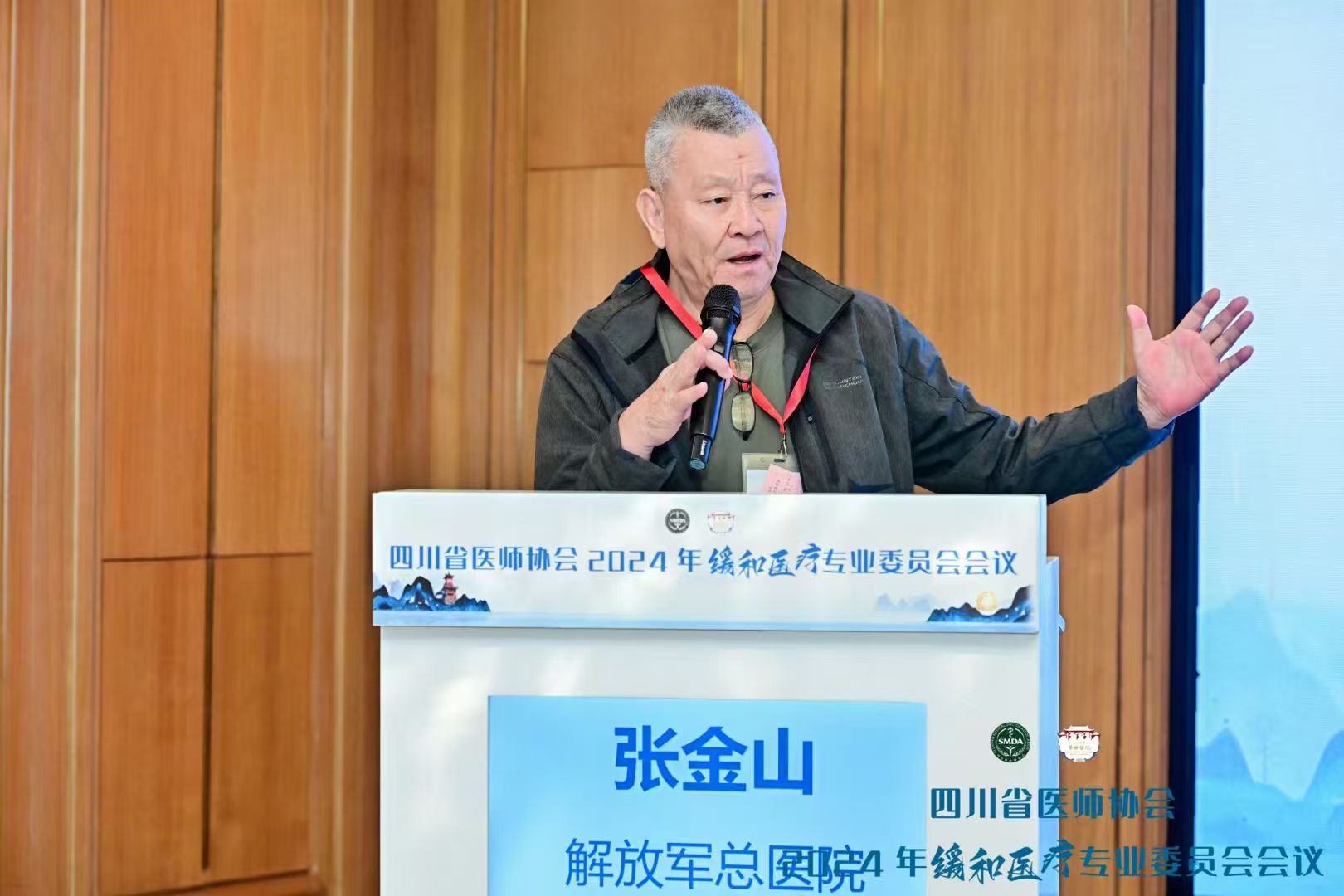
Professor Zhang Jinshan has long been dedicated to the field of medical imaging and has developed distinctive expertise in selective and superselective interventional diagnosis and treatment for solid tumors such as liver cancer, demonstrating exceptional technical proficiency and profound academic accomplishment. Beginning in the 1990s, he led his team in pioneering the clinical application and research of TIPSS and B-ORTO in China, filling major gaps in the domestic field and opening new paths for the interventional management of gastrointestinal bleeding caused by portal hypertension secondary to liver cirrhosis. In addition, he has made groundbreaking contributions to the interventional diagnosis and treatment of peripheral vascular diseases, as well as to preoperative embolization for spinal tumors.
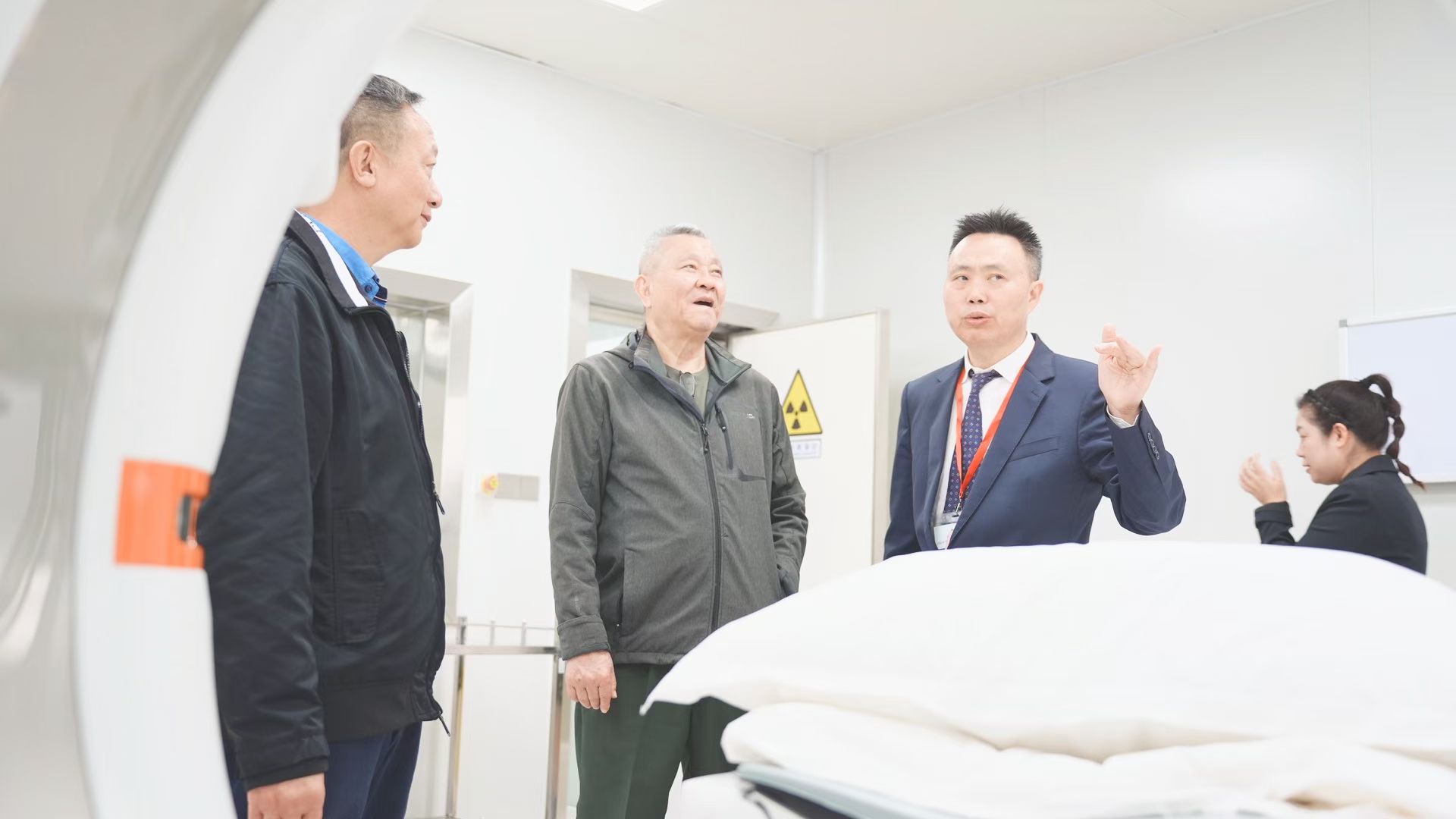
In the field of liver cancer treatment, Professor Zhang Jinshan not only led the development of standardized treatment protocols for liver cancer but also pioneered Transcatheter Arterial Chemoembolization with temporary Hepatic Vein Thrombosis (TACE-THVO) for primary liver cancer, bringing the efficacy of interventional therapy to a new level. In recognition of his outstanding clinical and scientific contributions, he was awarded the honorary title of “Chinese Master of Interventional Radiology” at the 2019 annual conference of the Chinese College of Interventionalists.
Professor Zhang Jinshan is not only a master clinician but also a driving force in the development of the discipline and a dedicated mentor in talent cultivation. He led his team in establishing one of China’s premier interventional therapy centers. As a doctoral supervisor, he has trained a large number of outstanding specialists and future leaders in interventional medicine, with many of his students and protégés now serving across the country. Academically, he has led multiple key national and military research projects, published more than 300 academic papers, and served as chief editor of three monographs, making remarkable contributions to the establishment of China’s academic framework for interventional medicine and the nationwide dissemination of its technologies.
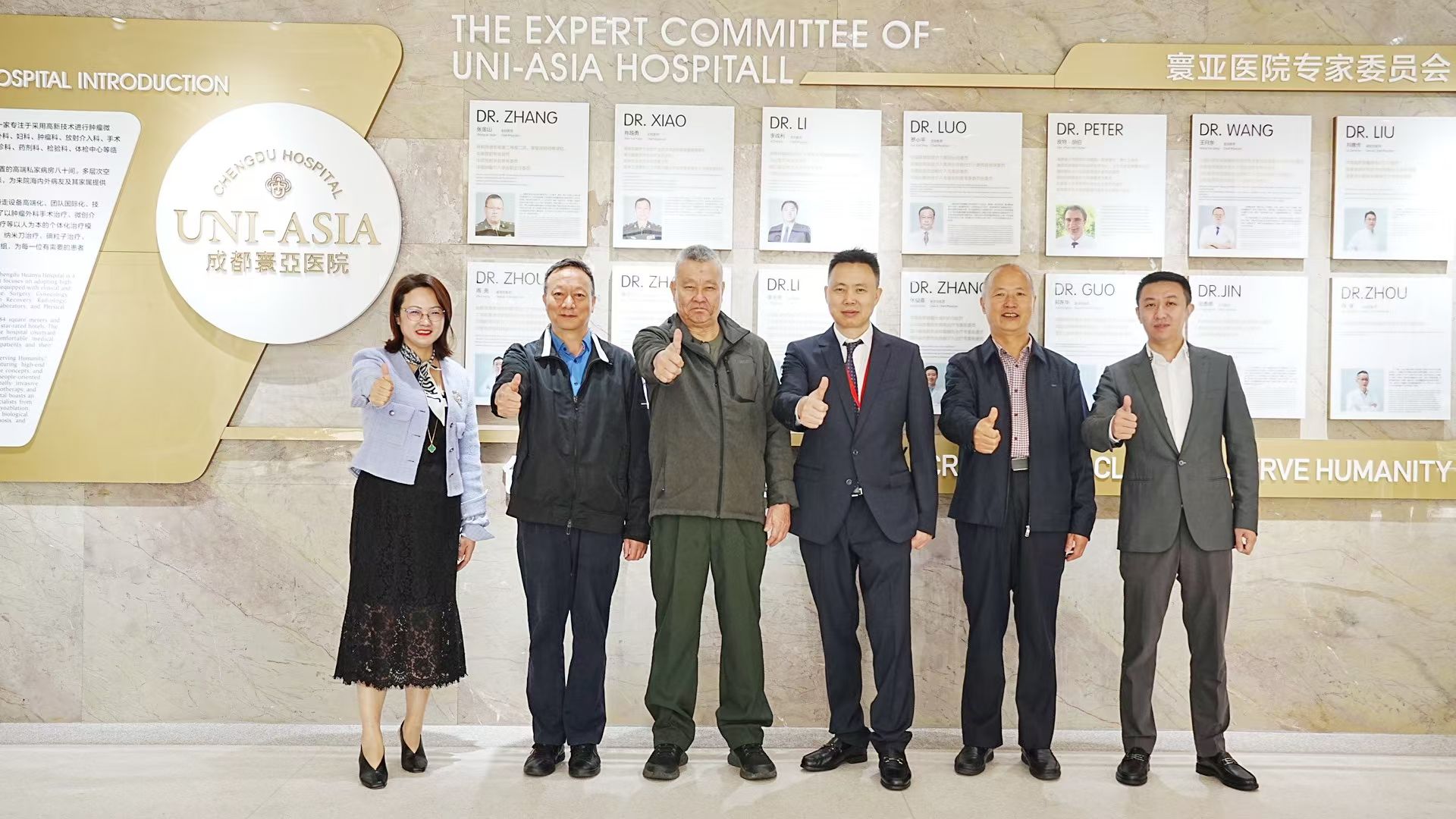
From the laboratory to the operating room, and from academic podiums to grassroots hospitals, Professor Zhang Jinshan has consistently upheld the principles of “pioneering, innovation, pragmatism, and compassion". He has devoted his life to fulfilling the mission of a physician—relieving patients’ suffering through minimally invasive techniques and advancing the discipline through academic excellence—thereby establishing himself as a truly towering figure and one of the foremost authorities in the field of interventional medicine in China.
Professor Zhang Jinshan has achieved prolific academic accomplishments, having published over 300 academic papers covering areas such as interventional therapy for liver cancer, minimally invasive treatment of portal hypertension, interventional treatment of vascular diseases, and tumor ablation.
1. Zhang Jinshan, Wang Maoqiang. Experiments and Clinical Studies of transjugular intrahepatic portosystemic stent shunt (TIPSS). Chinese Journal of Radiology, 1993,27(6):361-365.
Professor Zhang Jinshan is the first author. This is one of the early research papers in China that systematically elaborates on the TIPSS technique. Through animal experiments and clinical case analysis, it confirmed that TIPSS is a safe and effective minimally invasive method for treating portal hypertension and its complications, laying an important foundation for the promotion and application of this technique in China.
2.Zhang Jinshan, Li Huai. Clinical study on transcatheter arterial embolization with temporary hepatic vein occlusion for the treatment of primary liver cancer.Chinese Journal of Radiology, 1996,30(8):521-524.
Professor Zhang Jinshan is the first author. He innovatively proposed the technique of "transcatheter arterial embolization with temporary hepatic vein occlusion." Clinical results demonstrated that this method can significantly increase the drug concentration within liver cancer lesions, reduce damage to normal liver tissue, and effectively improve the therapeutic outcomes for intermediate and advanced liver cancer, providing a novel strategy for the interventional treatment of liver cancer.
3. Zhang Jinshan, Wang Maoqiang, Li Huai. Interventional treatment of Budd-Chiari syndrome. Chinese Journal of Medical Imaging Technology, 1998,14(3):189-191.
Professor Zhang Jinshan is the first author. This paper systematically summarizes the early experience in interventional treatment of Budd-Chiari syndrome in China, elaborating in detail on the key operational points and therapeutic efficacy of techniques such as percutaneous transluminal angioplasty and stent placement. It confirms that interventional therapy is the preferred minimally invasive method for Budd-Chiari syndrome, promoting the standardized development of treatment for this disease.
4.Zhang Jinshan, Li Huai, Wang Maoqiang. Clinical value of superselective hepatic arterial chemoembolization in the treatment of hypovascular liver cancer. Chinese Journal of Radiology, 2000,34(5):335-337.
Professor Zhang Jinshan is the first author. Addressing the challenges in interventional treatment of hypovascular liver cancer, this paper explores the clinical efficacy of superselective hepatic arterial chemoembolization. The results indicate that this technique can precisely target the lesions and improve the treatment response rate, providing an important clinical basis for the interventional treatment of hypovascular liver cancer.
5. Zhang Jinshan, Li Huai, Wang Maoqiang. Interventional treatment of peripheral vascular stenosis and occlusion.Chinese Journal of Radiology, 2002,36(7):612-614.
Professor Zhang Jinshan is the first author. This paper summarizes the interventional treatment experience of over 400 patients with peripheral vascular stenosis and occlusion, analyzing the indications and efficacy of techniques such as balloon angioplasty and stent placement. It confirms that interventional therapy is a safe and effective approach for peripheral vascular diseases, providing practical support for its clinical promotion.
6.Zhang Jinshan, Li Huai, Wang Maoqiang. Clinical application of CT-guided percutaneous puncture ablation in the treatment of abdominal tumors. Chinese Journal of Medical Imaging Technology, 2004,20(9):1395-1397.
Professor Zhang Jinshan is the first author. This paper explores the application value of CT-guided percutaneous puncture techniques such as radiofrequency ablation and chemical ablation in the treatment of abdominal tumors. The clinical results show that this method is minimally invasive with reliable efficacy, offering a minimally invasive treatment option for patients with inoperable abdominal tumors.
7.Zhang Jinshan, Wang Maoqiang, Li Huai. Advances in the application of interventional therapy for benign prostatic hyperplasia. Chinese Journal of Radiology, 2006,40(8):876-878.
Professor Zhang Jinshan is the corresponding author. This paper systematically reviews the cutting-edge advances in interventional therapy for benign prostatic hyperplasia, including the principles, procedures, and efficacy of techniques such as prostatic artery embolization and stent placement, providing new insights for the minimally invasive treatment of benign prostatic hyperplasia.
8.Zhang Jinshan, Li Huai, Wang Maoqiang. Discussion on the standardization of interventional therapy for liver cancer. Chinese Journal of Practical Surgery, 2008,28(10):856-858.
Professor Zhang Jinshan is the corresponding author. Drawing on years of clinical experience and research findings, he led the discussion on standardized protocols for interventional therapy of liver cancer, covering key aspects such as preoperative assessment, treatment modality selection, and postoperative management, providing important references for the formulation of clinical guidelines for interventional therapy of liver cancer in China.
1. Interventional Radiology (People's Military Medical Press, 1995): The first monograph in China to systematically discuss the theories and techniques of interventional radiology. It comprehensively elaborates on the interventional diagnosis and treatment system for tumors, vascular diseases, and non-vascular diseases, becoming a classic essential textbook for interventional physicians in China.
2.Interventional Therapy for Liver Cancer (People's Health Press, 2001): Focusing on minimally invasive interventions for liver cancer, this book systematically summarizes techniques such as TACE, ablation, and vascular intervention, refines operational standards and the prevention and management of complications, and promotes the standardization of interventional therapy for liver cancer.
3.Interventional Treatment of Portal Hypertension (Science Press, 2005): This book systematically elaborates on minimally invasive techniques for portal hypertension, such as TIPSS and B-ORTO, covering experimental research, clinical procedures, long-term follow-up, and efficacy evaluation, filling the gap in monographs on interventional treatment of portal hypertension in China.
1.The National "Eighth Five-Year Plan" Scientific and Technological Key Project—Clinical and Basic Research on Comprehensive Interventional Therapy for Liver Cancer (Project Leader): This project systematically explored multimodal interventional strategies for liver cancer, established the core regimen of superselective TACE combined with local ablation, and significantly improved the therapeutic outcomes for intermediate and advanced liver cancer.
2.The Military "Ninth Five-Year Plan" Key Medical Scientific Research Project—Standardized Research on TIPSS for the Treatment of Portal Hypertension (Project Leader): This project formulated China's first operational standards and postoperative management guidelines for TIPSS, reduced the incidence of complications, and promoted the popularization of this technique throughout the military and across the country.
3.National Natural Science Foundation of China Project — Research on the Mechanism of Targeted Therapy for Liver Cancer Using Hepatic Vein Occlusion Combined with Chemoembolization (Project Leader): This project revealed the synergistic enhancement mechanisms of the innovative technique at the levels of hemodynamics, drug metabolism, and the tumor microenvironment, providing theoretical support for precision interventional therapy of liver cancer.
4.Military Clinical High-Tech Major Project-Establishment and Clinical Application of the Interventional Treatment Technology System for Complex Vascular Diseases (Project Leader): This project overcame interventional challenges in complex lesions such as Budd-Chiari syndrome, peripheral vascular occlusion, and vascular malformations, forming a complete technical system that has been promoted and applied widely.
The doctor is a highly experienced medical professional with over 20 years of experience at the Hadassah Medical Center. Graduating from the Faculty of Medicine of the Hebrew University of Jerusalem in 1996, the doctor specializes in the diagnosis and treatment of temporomandibular joint disorders. The doctor is proficient in English, Hebrew, and Russian, enhancing communication with a diverse patient population.