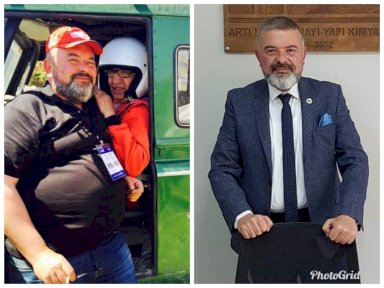
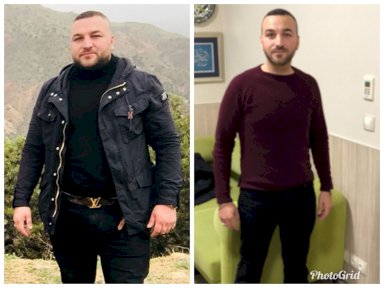
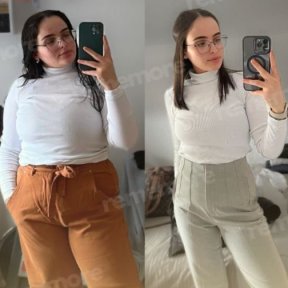
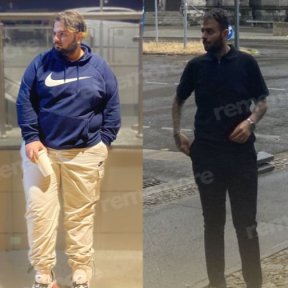
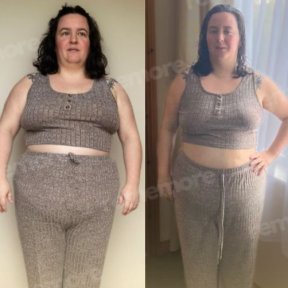
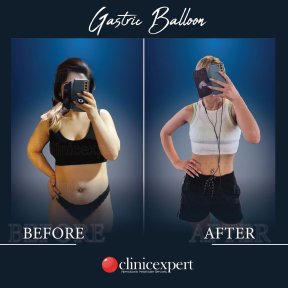
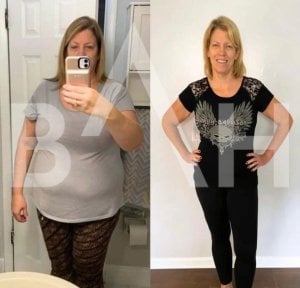
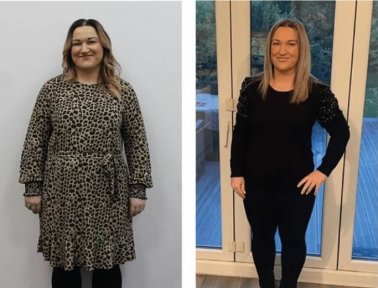
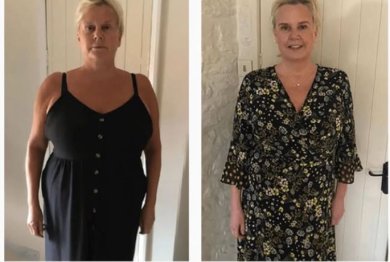
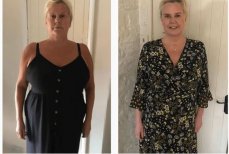
The cost of a gastric balloon in Turkey typically ranges from $1,700 to $4,000. Prices vary depending on the balloon type (six-month or twelve-month), the clinic, and the doctor’s experience. In the United States, the average cost is $12,500 (per ASMBS). This means gastric balloon procedures in Turkey are about 77% less expensive than in the U.S.
Turkish clinics usually include the endoscopic procedure, balloon device, sedation or anesthesia, one-night hospital stay, dietary counseling, and follow-up visits. In the U.S., the listed price often covers only the device and placement, with dietary support and removals billed separately. Always confirm exactly what’s included in each clinic’s package.
Key Benefits
Get a gastric balloon in Turkey at 60-80% less than in the USA and UK.
Available options: Orbera®, Spatz3®, and Reshape®.
Free consultation with a specialist to determine the most suitable gastric balloon option for you.
100% data protection and confidentiality guarantee.
Access exclusive deals from renowned Turkish clinics from
$1,708.
Data verified by Bookimed as of February 2026, based on patient requests and official quotes from 190 clinics worldwide. Median costs are based on real invoices (2024–2026) and updated monthly. Actual prices may vary.
Associate Professor Dr. Burçin Batman brings 18 years of experience with 1,000+ gastric balloon procedures. The Stella balloon package costs around €2,000 – typically covering the procedure, 2 hotel nights, pre-op tests, and year-long dietician support. Hisar Hospital is JCI-accredited and offers advanced balloon systems including swallowable Ellipse capsules. Dr. Batman is certified in obesity surgery and holds memberships with Turkish and international obesity surgery societies.
Memorial Şişli Hospital offers gastric balloon placement with Professor Ilknur Bayraktar, a specialist in non-surgical weight loss treatments. The 6-month package may cost around $2,800, typically covering balloon insertion, 2-3 nights hospitalization, consultations, and VIP transfers. The JCI-accredited hospital provides multiple balloon options, including swallowable versions requiring no endoscopy. Post-op care includes nutritionist follow-up and doctor examinations.
Weight loss with gastric balloon and dietitian support
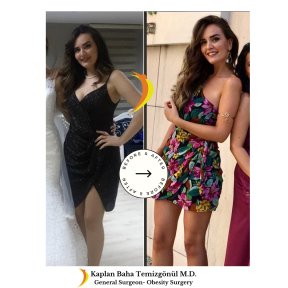
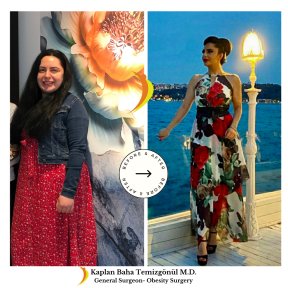
Dr. Kaplan Baha Temizgonul has performed 900+ gastric balloon procedures with 20 years of specialized experience in bariatric surgery. The procedure typically costs around €1,250–1,600, covering balloon insertion, anesthesia, pre-op consultations, 2 nights hotel stay, airport transfers, and 1-year follow-up care. The IFSO-accredited clinic maintains a 5.0 rating with 98% patient recommendation. Dr. Temizgonul holds USMLE certification and has published research on weight-loss procedures.
Dr. Edip Erdal has performed 1,100+ gastric balloon procedures over 15 years, specializing in bariatric surgery. The 6-month Bariglobe package may cost around €1,500 – typically covering placement, removal, medications, follow-ups, and VIP transfers. The IFSO-certified clinic operates with ISO 9001 standards and offers premium balloon options. Dr. Erdal holds USA observership training and associate professor credentials.
Gastric Balloon Premium All-Inclusive Weight Loss Package
Asst. Prof. Ömer Bilgehan Poyrazoğlu is a robotic surgery specialist who trained in France with 32 documented expertise points. The MedSil™ gastric balloon procedure may cost around $2,600 – typically covering the device, anesthesia, nutritionist consultation, and post-op care. With 21 years in bariatric surgery and 900+ procedures, Dr. Poyrazoğlu holds memberships in Turkish Surgical Society and IFSO while publishing in peer-reviewed journals.
Upon arrival at the airport, a transfer will take you to your hotel. You should ensure you have all necessary travel documents and contact details for the clinic.
Check into your hotel and rest. Avoid heavy meals and alcohol the day before your consultation.
Prepare any questions or concerns about the gastric balloon procedure to discuss with the medical team.
Day 2: Initial Consultation and Preoperative Tests
You need to visit the clinic for a consultation with the gastroenterologist and other specialists like a dietitian and psychologist if required.
Undergo preoperative tests, including blood tests and possibly imaging, to confirm your suitability for the gastric balloon procedure.
Discuss your medical history, including any medications you are currently taking. Adjustments may be necessary, such as stopping blood thinners or other medications that could interfere with the procedure.
Follow a liquid diet for 24-48 hours before the procedure to prepare your stomach.
Day 3: Gastric Balloon Procedure
Arrive at the clinic on an empty stomach, having fasted for 8-12 hours before the procedure.
The procedure is performed under mild or conscious sedation to ensure comfort while keeping you awake.
An endoscopy will place the deflated balloon in the stomach, which is then inflated with a sterile saline solution (400-700 ml).
The procedure typically lasts 20-30 minutes. You will be monitored for a short period before being discharged the same day.
Day 4: Postoperative Recovery
Expect some nausea, vomiting, or stomach discomfort as your body adjusts to the balloon. Medications may be prescribed to manage these symptoms.
Follow a strict liquid diet for the first 3 days post-procedure, consisting of broths, clear liquids, and protein shakes.
Rest and avoid any strenuous activities.
Day 5-6: Gradual Dietary Transition
Begin transitioning to soft foods such as yogurt, pureed vegetables, and mashed fruits during week 1-2.
Attend follow-up appointments for progress monitoring and dietary counseling to support your weight loss journey.
Start light physical activities like walking to enhance weight loss results.
Day 7: Follow-up and Departure
Have a final consultation with your doctor to review your recovery progress and receive further dietary and lifestyle recommendations.
Prepare for your return journey, ensuring you have all necessary documents and contact information for future follow-ups.
Arrange for transportation to the airport for your departure.
Aftercare and Long-term Considerations
The gastric balloon is typically removed after 6 months through a similar endoscopic procedure.
Continue with a healthy diet and exercise regimen to maintain weight loss results after balloon removal.
Regular follow-up appointments and blood tests are crucial to monitor your health and adjust your weight-loss plan as needed.
Contact the clinic if you experience any unusual symptoms or have questions regarding your recovery process.
Bookimed, a leading global medical tourism platform, is committed to helping clients looking for Gastric balloon in Turkey by offering expert assistance and trustworthy medical solutions for every situation. Smart automatic ranking system is used to compose transparent clinic listings, meticulously maintained by a data scientist using AI for accuracy. The platform guarantees authenticity by publishing reviews from real patients after their treatments. Bookimed offers comprehensive medical solutions, with updates from clinics to ensure trustworthiness. The content about Gastric balloon in Turkey, crafted by experienced medical authors and reviewed by specialists, adheres to Bookimed"s Editorial Guidelines, reflecting the platform"s commitment to delivering high-quality and clear health information. For more details or inquiries, feel free to contact us at marketing@bookimed.com or learn more about us and our mission here.
19 years of experience • 1000+ treatments performed
Associate Professor Burcin Batman has performed over 1,000 gastric balloon procedures in just 6 years, specializing in obesity and metabolic surgery at Hisar Hospital Intercontinental.
Completed specialty education at Istanbul University, one of Turkey's top medical schools
Pioneering faculty member at Istinye University's General Surgery Department
Expert in both surgical and endoscopic weight loss treatments
Board-certified in general surgery with additional robotic surgery training
I would like to sincerely thank the team that supported me during this journey
I was very well received thanks to the medical team who took care of me and the travel coordinator. I felt safe thanks to the necessities included in the package I chose (hotel + transfer to the airport). You can easily come to Istanbul alone or with friends for your medical procedures without any worries. I would like to sincerely thank the team that supported me during this journey.
the support I received from start to finish from Bookimed and the medical team
Everything excellently organized Thank you very much
The various options and the safety they provided me were reassuring. I felt supported in my native language the entire time. I also appreciated the work of the Spanish-German translator.
About Bookimed service
They provided me with the prompt and transparent assistance I needed.
I am extremely pleased that I chose this clinic for such an important step in my life! There is a very friendly and helpful staff, they are always there 24 by 7 and will help you with everything you need (moving around the hospital, support, bring water if you are unable to go for it yourself, make your condition as easy as possible after the operating room, help you take a shower if you need help, comb and braid you hair, they will definitely hold you senile, help you call a taxi to the airport or hotel, tell you what you can visit in Istanbul if you plan to stay there) a wonderful doctor and his assistant came every day and checked my condition, answered all the questions I asked, explained how to cope with problems if they arise. It's been 5 weeks since the operation, I have minus 12 kg and constant support from the clinic. They are super recommended to everyone!!!
Medical staff,doctor, positive and understanding attitude towards me
I departed for my procedure on Friday night to have it done on Saturday morning 20th January. Up until the moment I booked my flight - the communication from Bookimed was on point, but straight after I sent them my booking confirmation, I didn't hear anything from anyone. So on the day of departing, I still had no confirmation for the hotel, transfer, etc. and had to keep chasing for the information. Not a good start obviously, for someone who is leaving their home for a medical procedure abroad!
When I arrived in Istanbul airport around 5 am - I had to wait a good 40 minutes for my transfer, although sending all my flight information and being told that the driver was going to be there waiting for me. Incorrect.
The hotel room was ok- no soap, shampoo or working phone, (which was not good at all, as I couldn't ring for any assistance after during my whole stay). Initially I was given a twin room, although being on my own so had to ask to change it to a double bedded room. The receptionist was hesitant, but then did it after I insisted.
On the day of the procedure- it was really messy! I got to the hospital and wasn't sure where to go, because no instructions were given to me beforehand of what to expect, dos and don'ts... absolutely nothing! Then once they got someone to meet me, everything was all very rushed! Different individuals came by, which I did know who they were as they didn't really introduce themselves... to make me sign for different things, one of them being a disclosure for going through a general anesthetics, which I had no idea was going to take place as no one had ever mentioned!
That was my first shock as I had travelled abroad, not knowing I would have been under sedation during the procedure. I didn't prepare myself mentally for that and was really annoyed I was not warned in advance, as that in itself carries its own risks.
Anyway, the worst came afterwards, once the procedure had been done- I felt really weak, in severe pain (in my stomach) and extremely nauseous. Again, I couldn't understand why I was in so much pain as I was not warned nor given any information beforehand. So all an unpleasant surprise. The nursing staff were nice, but couldn't' speak English.
I felt rushed out of my room as they made it clear it was time for me to go, by making signs and leaving the door open! But I was in no condition to go yet, as I wasn't well!
The nutritionist came really quickly and rushed the information to me. She left without even leaving her contact details should I have any questions or for any aftercare.
Then another guy came along to to give me the medication to take with me, which I had to pay for , again not expecting it as I thought all was included, I was told again to go.
I asked if anyone was meeting me to go over the final things- he said no. Wow. I could not believe it. It was just like: okay, we have your money now, you've got your balloon- off you go! Ciao!
I was just appalled, upset and really scared actually, because I felt really unwell and there was no one there to assist.
To conclude, I walked back to the hotel alone with a lot of struggle. Went up to my room, with no working phone and stayed there for the rest of that day and the following day vomiting and with cramps in my stomach, alone.
I have not once heard from the medical team/ hospital once or anyone other than the Bookimed booking team to leave my review, so here I am leaving my review.
I don't normally write reviews at all as they are so time consuming... but on this instance I really felt I ought to on this occasion due to my awful experience and to warn people of the potential consequences. Maybe, I was just unlucky... but please think about it twice before giving your money away to these people and only go there if you really have no other alternative!
My pain has subsided slightly, but the pain is still present almost two weeks after having the balloon inserted. and the vomiting also, so I will need to go to A&E over the weekend to get myself checked out properly as I have no medical team advising me or providing any form of after care. I am really scared.
Would I recommend Bookimed/ Hisar Hospital ? Absolutely, 100%, No!
"I can recommend this clinic to everyone, especially since their prices are much lower than in other clinics
My husband and I put a gastro balloon in the stomach, he for half a year, I for a year.A transfer to the clinic took us from our hotel.They quickly registered, passed blood tests, X-rays, and a covid test.Everything was checked and taken to the procedure.The medical staff is very attentive and caring, after the procedure all the documents were prepared and a transfer came for us.I can recommend this clinic to everyone, especially since their prices are much lower than in other clinics.I will add a review later, since we still have to remove the balloon
I would recommend this clinic/hospital over other simply because it is a hospital so if you do need to stay the night I feel like it is safer here
I am now a little over one month out. I am still nauseous and have discomfort and I vomit regularly (a few times a week). I have however lost a lot of weight already almost 20 pounds, I would have ever lost this weight without the balloon. Things they don't tell you is that you will look bloated, to the point that it looks like I'm pregnant. My experience immediately after the insertion of the balloon were extremely bad. I was told this was an easy procedure that you don't need anyone with you. This is false you NEED someone with you. After the procedure you will feel like you are dying, you will not be able to hold anything even water down and will immediately throw it back out. I went back to the hospital and checked myself in for a day and paid to have myself hooked up with IVs. This was pricey I paid almost $800 Canadian for one night at the hospital, but it was necessary as I was extremely dehydrated. I was told that this was normal (it is normal) however the doctor and translator made me feel like I was overreacting by wanting to stay at the hospital. During my stay at the hospital I found out other patients with the balloon also checked themselves in. I wish they were a bit more honest, and advised patients that some people do not handle the first few days well and that some stay at the hospital over night. This being said the hospital staff were very kind and attentive. If you are going to get this Balloon done then either take someone with you so that they can take care of your for the few days after the procedure or prepare to pay for a hospital stay.
Lastly DO NOT book your flight the next day like they advised. You will not feel well enough to fly. It took me 4 days after the procedure to feel ok enough to fly. Especially if you are coming from somewhere far like Canada or America.
I would recommend this clinic/hospital over other simply because it is a hospital so if you do need to stay the night I feel like it is safer here.
About Bookimed service
very responsive when they were selling but when I needed help in the country there was a significant delay
I like how professional they were, as soon as I came to the clinic the whole team was very welcoming and filled me with alot of information about the procedure, they help me with my mods and even now that the balloon has been inserted they still keep insomuch with me about the foods I should take
About Bookimed service
Bookimed was amazing they helped me to find the right clinic for me , very fast response and tailored to what I was after
I’ve had a privilege to be their client. I’ve got a great , fair and reliable treatment. Doctor as well as nutritionist have proven their expertise and commitment. Follow up communication went beyond expectation.
Empathy and expertise.
Documents to be signed could have been shared earlier for review.
All arrangements happened as scheduled, airport transportation, transportation to hospital, hotel reservations. The hotel room was very nice. The hospital was very clean. All staff and doctors were professional and responsive.
Not giving the correct information, very bad after care service from the clinic employees.
Take over 2 month and several contacts to get a response to my complaint
Excellent communication and help setting up my trip to Antalya.
The service was professional and the health care was brilliant.
A very positive experience at the hospital team .
You can be rest assured you are in safe hands
A certified medical writer with 10+ years of experience, developed Bookimed’s trusted content, backed by a Master’s in Philology and medical expert interviews worldwide.
General practitioner. Winner of 4 scientific awards. Served in Western Asia. Former Team Leader of a medical team supporting Arabic-speaking patients. Now responsible for data processing and medical content accuracy.
This page may feature information relating to various medical conditions, treatments, and healthcare services available in different countries. Please be advised that the content is provided for informational purposes only and should not be construed as medical advice or guidance. Please consult with your doctor or a qualified medical professional before starting or changing medical treatment.
Fast Facts about Gastric balloon
Gastric Balloon
A gastric balloon is a non-surgical weight loss option involving inserting a balloon into the stomach to reduce food intake.
Pros: Minimally invasive with no incisions. It offers a temporary solution, allowing removal if needed. 30% weight loss within 6 months is common.
Cons: Potential for nausea and vomiting in 30% of patients. Limited to 6-month duration, requiring further intervention for long-term results.
Effectiveness: Achieves up to 15%-30% total body weight loss.
Duration: 20-30 minutes
Recovery: 1-2 days
Best for: Individuals with a BMI of 30-40. Ideal for those seeking non-surgical weight loss.
These FAQs come from real patients seeking medical assistance through Bookimed. Answers are given by experienced medical coordinators and trusted clinic representatives.
Is Turkey a good place for Gastric balloon procedure?
According to Bookimed, Turkey is a great place to receive Gastric balloon treatment. Here are some reasons why:
The clinics in Turkey provide high-quality medical services at more affordable prices.
Patients from all over the world choose Turkey for Gastric balloon, especially from CIS, Balkans, African countries, Europe, and the USA.
The clinics in Turkey have experienced doctors who have performed thousands of weight loss procedures with high success rates.
For example, Dr. Hasan Erdem Obesity Clinic has a chief surgeon who has 20 years of experience and provided more than 5000 weight loss procedures.
The success rates at Medical Promise Hospital for breast lift, liposuction, tummy tuck, ear surgery, and FUE hair transplant are 98%.
SALUSS Medical Group serves over 600 patients every year from 5 different continents and 52 countries.
Hisar Intercontinental Hospital serves 250,000 patients every year for various medical treatments, including Gastric balloon.
The patients' reviews on Gastric balloon in Turkey also show that the medical staff is attentive, caring, and responsive.
Therefore, Turkey is a good place for Gastric balloon due to its experienced doctors, high success rates, affordable prices, and positive patient experience.
How long does it take to get Gastric balloon in Turkey?
The duration of a Gastric balloon in Turkey takes around 1 days
Which hospital is best for Gastric balloon in Turkey?
Bookimed's rating has revealed the top 5 hospitals in Turkey for Gastric balloon:
Who is the best Gastric balloon doctors in Turkey?
Bookimed has identified the top doctors in Turkey who excel in performing Gastric balloon:
burcin Batman, Weight Loss Surgery, 16 years experience
Abdulcabbar Kartal, Weight Loss Surgery, 16 years experience
Hasan Erdem, Weight Loss Surgery, 21 years experience, with 5.0 reviews score
Dr Yahya Ozel, Weight Loss Surgery, 33 years experience
Halil Coskun, Weight Loss Surgery, 23 years experience
How convenient is the clinic location and access?
Patients describe Istanbul clinics as well-positioned for medical tourism, with most reporting smooth logistics. One noted feeling 'safe thanks to the necessities included in the package' with hotel and airport transfers. Another praised how 'everything was covered' from transfers to hospital treatment. Some experienced transfer delays, with one waiting 40 minutes at the airport despite providing flight details, though the overall coordination worked well. The hospital locations are described as clean and accessible. Staff help arrange taxis and even suggest Istanbul attractions for extended stays. Several patients successfully traveled alone from distant countries like Canada, finding the process manageable despite initial coordination hiccups.
Are there any hidden or extra costs?
Patient experiences reveal mixed transparency around additional costs for gastric balloon procedures. One couple praised how 'prices are much lower than in other clinics' with comprehensive service coverage. However, others encountered unexpected expenses like mandatory post-procedure medications and emergency hospital stays. One patient paid 'almost $800 Canadian' for an overnight IV treatment due to severe dehydration, though noted this was medically necessary. Some communication gaps around what's included versus additional charges, but patients generally found the core procedure pricing competitive compared to other countries.
How safe is the procedure?
Patients describe gastric balloon as a medically safe procedure when performed in hospital settings. One reviewer felt reassured they were 'in safe hands' with professional healthcare teams. The procedure itself is routine, though some patients experience more intense initial recovery than expected. A few noted communication gaps about post-procedure expectations, but hospital staff are described as 'very kind and attentive.' Multiple patients recommend choosing hospital-based clinics for added safety. As one put it, they felt 'safe' throughout their medical journey, and several would recommend the procedure to others seeking effective weight loss.
Is the procedure or recovery painful?
Patient experiences reveal that gastric balloon insertion and recovery involve significant discomfort that shouldn't be underestimated. The immediate aftermath is particularly challenging, with patients describing feeling 'really weak' and experiencing severe nausea and vomiting that can last weeks. One patient noted feeling 'like you are dying' initially and being unable to keep even water down. The bloating is substantial enough that patients report looking pregnant. Some communication gaps around what to expect meant patients felt unprepared for the intensity, though the discomfort is medically normal. Despite the challenging recovery, patients emphasize the procedure's effectiveness for weight loss.
How effective are the treatment results?
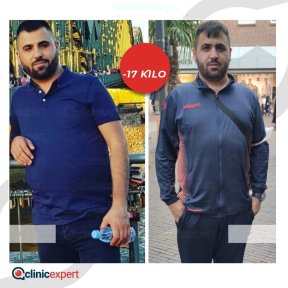
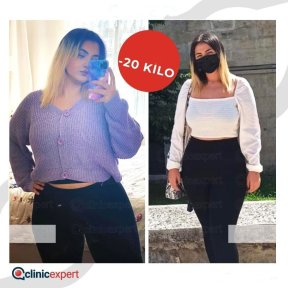
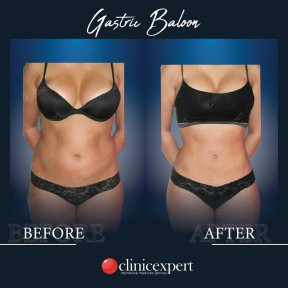
Patients report significant weight loss results with gastric balloon procedures in Turkey. One patient achieved 'minus 12 kg' in just 5 weeks, while another lost 'almost 20 pounds' within a month, noting they 'would have never lost this weight without the balloon.' Some experience initial adjustment challenges with nausea and bloating in the first few days, though this typically improves with proper support. Patients consistently praise the ongoing nutritional guidance and follow-up care, with one saying communication 'went beyond expectation.' The procedure delivers measurable results for those committed to the weight loss journey.
How experienced and professional are the doctors?
Patients consistently describe doctors as highly skilled professionals who demonstrate genuine expertise and commitment. One called their surgeon 'very good and experienced,' recommending him to anyone needing bariatric surgery. Doctors take time for thorough explanations and daily check-ins, with one patient noting how their doctor 'answered all questions' and explained how to handle any issues. Another praised how doctors 'proven their expertise' with follow-up care that went 'beyond expectation.' Some experienced communication gaps with nursing staff, though the medical team remained professional throughout. Patients feel confident they're in 'safe hands' with experienced professionals.
How comfortable and modern are the clinic facilities?
Patients describe Turkish clinics as having 'modern facilities' with 'very well-equipped' operating rooms that feel current and professional. The hospitals are consistently noted as 'very clean,' creating a reassuring environment for international patients. Some experienced initial confusion with hospital navigation and room assignments, though staff worked to resolve these issues. The medical facilities themselves impressed patients with their contemporary setup and cleanliness standards. Overall, the physical infrastructure appears well-maintained and designed to support quality medical care in a comfortable setting.
Will language barriers affect my treatment?
Patient experiences with language barriers vary significantly across Turkish clinics. Some patients describe 'excellent communication' and teams that are 'very welcoming' with clear information about procedures. Others found language gaps challenging, particularly with nursing staff who couldn't speak English, leading to communication through signs and gestures. However, most clinics provide translators and coordinators to bridge these gaps. Several patients highlight that follow-up communication went 'beyond expectation' with ongoing support. The medical teams generally ensure patients understand their treatment, even when initial language barriers exist.
How clear and organized is the clinic's paperwork?
Patient experiences with clinic paperwork vary significantly. Some describe the process as 'smoothly' handled, with documents prepared efficiently after procedures and registration happening quickly. However, others found the documentation process 'really messy' with staff not introducing themselves properly before requesting signatures. One patient was surprised by consent forms for general anesthesia that weren't discussed beforehand. Some noted rushed interactions when reviewing important paperwork, though the overall administrative workflow generally gets completed. Most patients receive their necessary documentation before departure.
How supportive and caring is the clinic staff?
Patient experiences with clinic staff vary significantly across Turkish facilities. Some describe teams as 'very caring' and 'extremely helpful,' with staff available '24 by 7' to assist with everything from basic needs to emotional support. One patient praised how the team helped with daily activities like showering and even braiding hair. Others highlight 'responsive, helpful and informative' medical teams providing ongoing dietary guidance post-procedure. However, some faced communication barriers with non-English speaking staff, though patients consistently note that despite language gaps, the care remained attentive and professional throughout their recovery.
What is the level of medicine in Turkey?
Healthcare is the key development sector of the Turkish government. The Turkish authorities are convinced that care for the citizens' health should be an absolute priority of state policy and spend about 77 billion liras for healthcare annually.
As a result, 28,000 medical facilities provide excellent medical care in the country. About 50 centers have certificate of JCI (Joint Commission International), the international improver of healthcare quality and safety across the globe. The index of certificates obtained is the largest. To compare, Israel has 20 JCI-accredited facilities, and Germany — only 10 clinics of this type.
What should you know about Turkey before the trip?
Currency
lira (you also can pay for services in dollars and euros)
Best period for the trip
May-October
Language
Turkish (most of medical staff speaks English fluently)
Visa
is not required for a trip of at least 30 days per visit
Time difference with Europe
3 hours
Time difference with the USA
8 hours
Capital
Ankara
Medical tourism center
Istanbul
Popular resorts
Alanya, Antalya, Kemer, Marmaris
What hotel services are provided here?
In Turkey, hotels of different price ranges and service levels are presented. The level of Turkish hotels is comparable to hotels in Tunisia, Morocco or Egypt. Most tourists choose 4 and 5 star hotels with all-inclusive meals. Such hotels have everything for a comfortable stay: varied food, a large well-groomed territory, animation for children and adults. Some hotels have their own water park, which guests can use for free. Budget travelers can afford to book an economical 3-star hotel with half board or no meals at all.
When is the best time to travel to Turkey?
The main advantage of Turkish resorts is the long beach season. On the Mediterranean coast, it starts in April and lasts until November. In the resorts of the Aegean Sea — from May to October. The most comfortable time for swimming is from mid-June to the end of October. A large influx of tourists is in July-August, when the air temperature is +38°C, and the water warms up to +27°C.
Do I need a visa?
In 2020, the Republic of Turkey has visa-free agreements with 89 states. Some foreigners are exempted from obtaining entry visas, others are required to receive an electronic visa (e-Visa), and still others must apply for a visa at Turkish missions abroad.
What states need a visa for treatment in Turkey and what countries can cross the border free and easy read here.
What documents are required to apply for a visa to Turkey for treatment?
Visas for travel to Turkey require a number of documents. The necessary papers can be submitted 90 days before the planned departure. Lists of documents includes:
ID card
confirmation of online registration and filling out the questionnaire
certificate of income and availability of funds ($50 per day per person)
insurance policy for a stay in Turkey (original and copy)