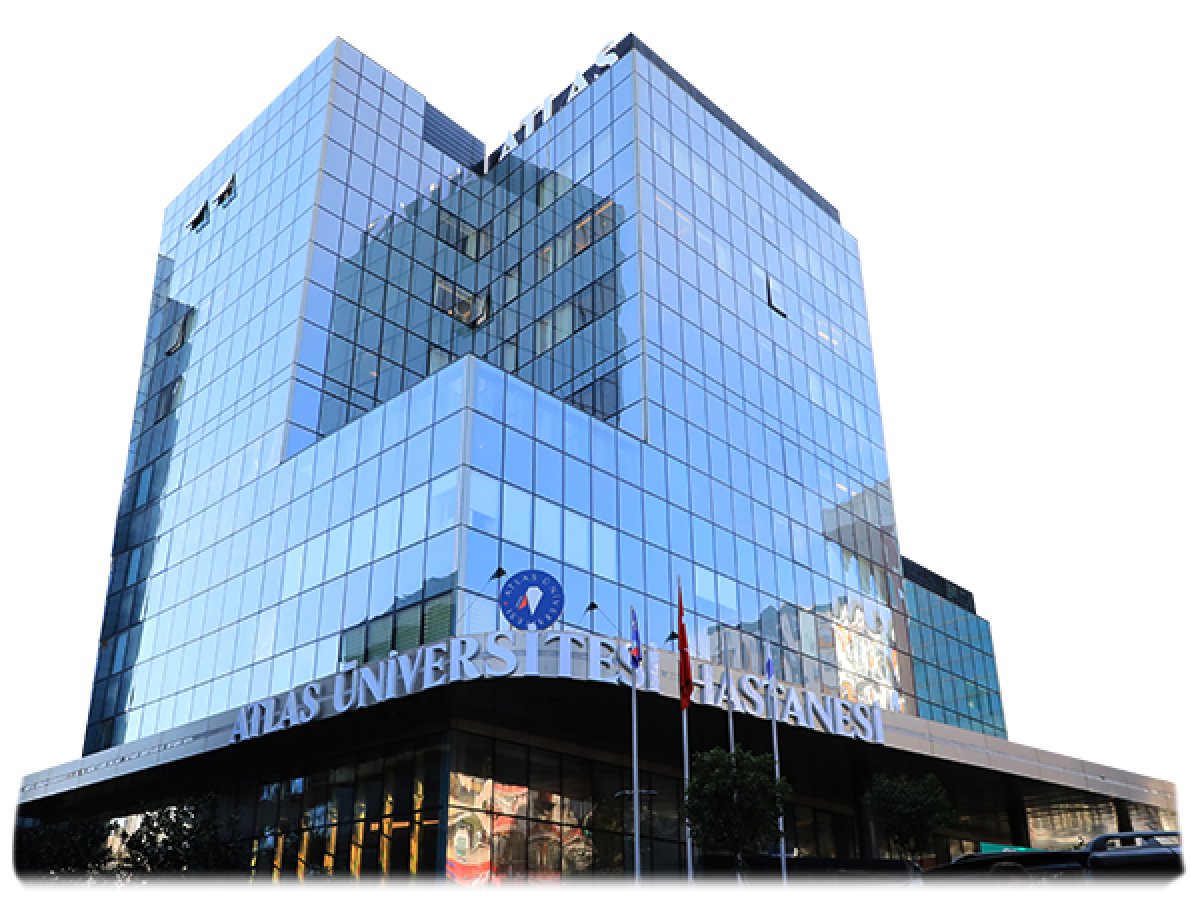
Hisar Hospital Intercontinental
Turkey, Istanbul
Burcin Batman
19 years of experience • 1000+ treatments performed

accreditations : 
Surgeon's portfolio



Clinic is certified : 





Medically reviewed by
Fahad Mawlood
| Turkey | Austria | Spain | |
|---|---|---|---|
| Stomach stapling | from $3,000 | ≈ $9,800 | from $9,000 |
| Stomach resection | from $2,800 | ≈ $17,500 | from $20,000 |
| Roux-en-Y Gastric Bypass | from $3,200 | ≈ $12,500 | ≈ $11,500 |
| Robotic Sleeve Gastrectomy | from $9,400 | ≈ $12,500 | ≈ $9,800 |
| Robotic Roux-en-Y gastric bypass | from $11,400 | ≈ $15,500 | ≈ $11,500 |
No hidden fees – just official clinic prices. Pay at the clinic for Weight Loss Surgery treatment upon arrival and use a flexible installment plan if needed.
Bookimed is committed to your safety. We only work with medical institutions that maintain high international standards in Weight Loss Surgery treatment and have the necessary licenses to serve international patients worldwide.
Bookimed offers free expert assistance. A personal medical coordinator supports you before, during, and after your treatment, solving any issues. You're never alone on your Weight Loss Surgery treatment journey.














1,100+ obesity surgeries with a 0.1% complication rate – Dr. Batman is a leading bariatric surgeon at Hisar Hospital Intercontinental.
Assoc. Prof. Vahit Mutlu has performed 900+ bariatric procedures at Memorial Ataşehir Hospital – a JCI-accredited facility ensuring international standards.
Dr. Omer Faruk Oge is an ophthalmologist at Lokman Hekim Istanbul Hospital. He specializes in surgeries for strabismus, cataracts, and retinal diseases. He is a member of the European Society of Cataract and Refractive Surgeons. Dr. Oge also focuses on pediatric eye health and ocular aesthetics.
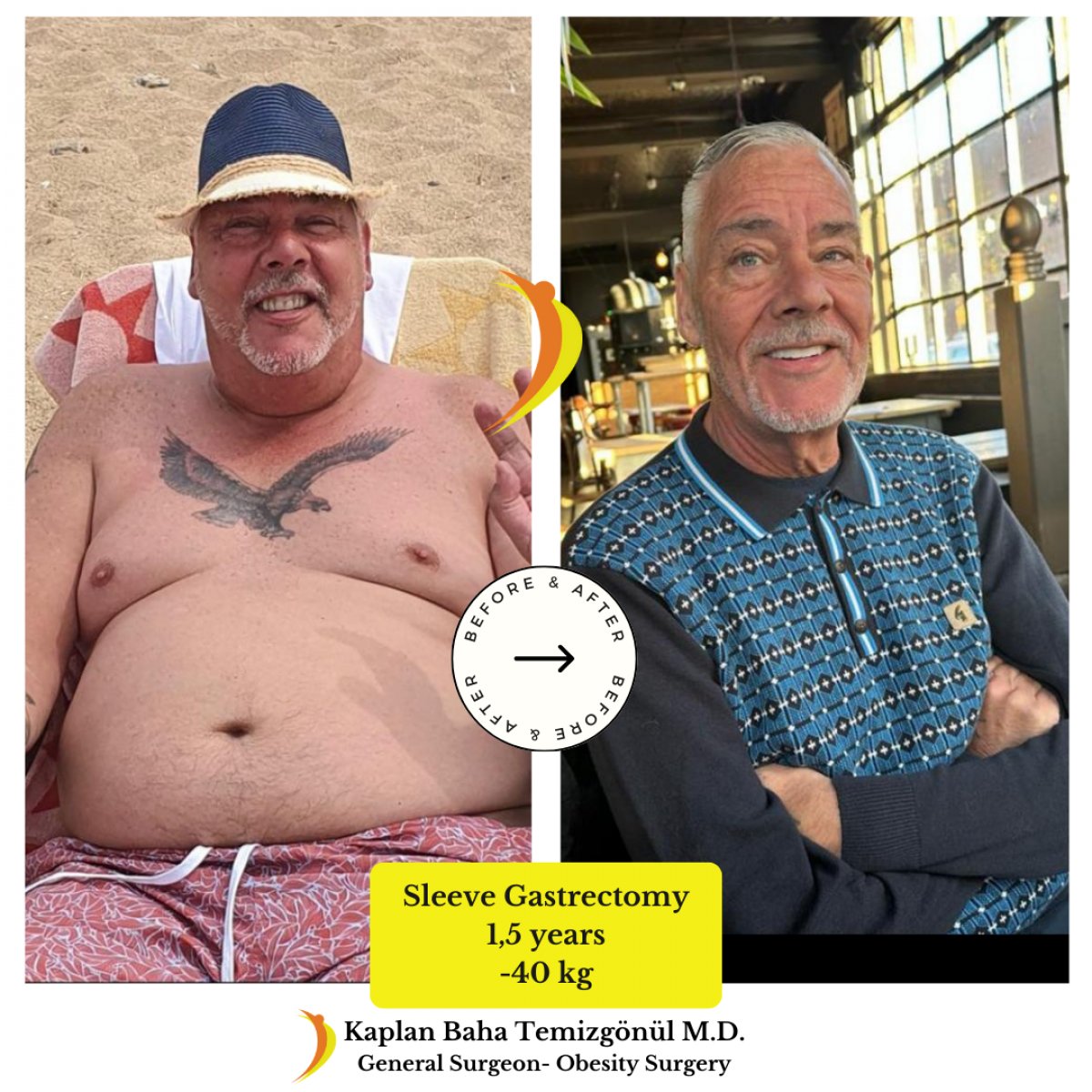
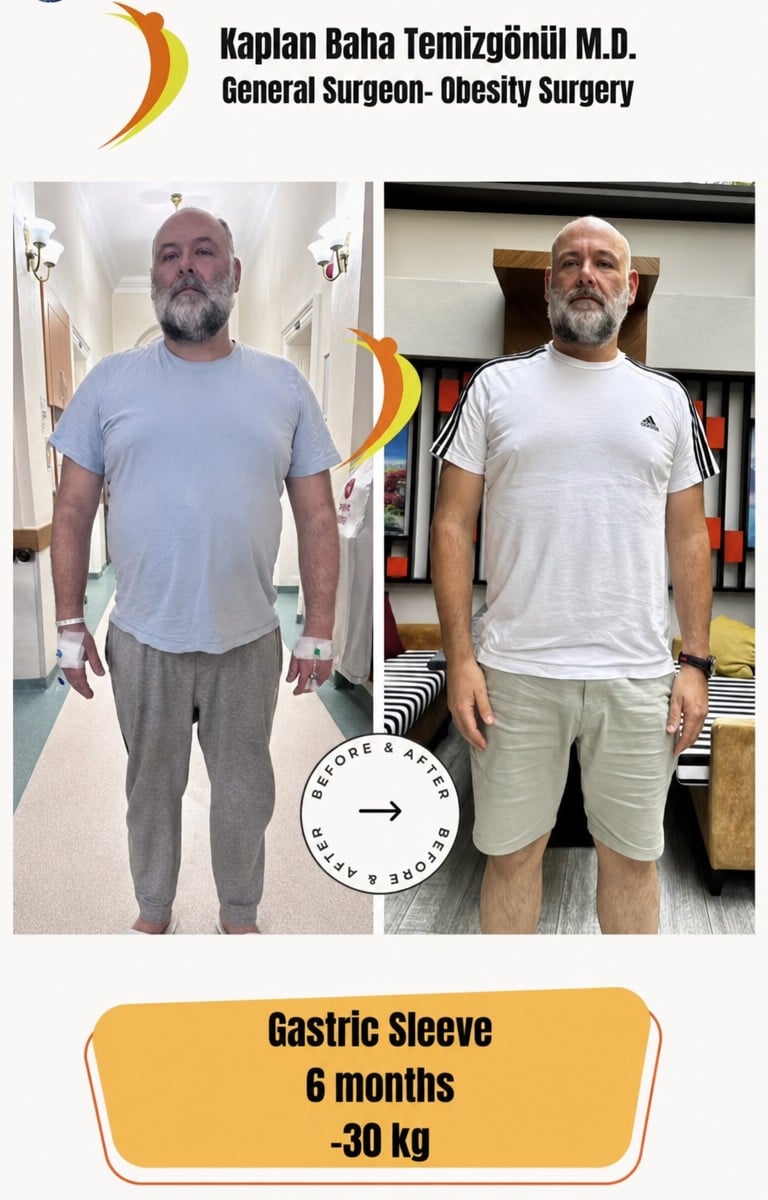
1,100+ bariatric procedures performed – Dr. Kaplan Baha Temizgonul specializes in sleeve gastrectomy and long-term patient follow-up at Lotus Bariatrics Clinic.


Written by Anna Leonova

Written by Anna Leonova

Written by Ana Hurevska
 Anna Leonova

Weight loss or bariatric surgery is an intervention aimed to reduce the volume of the stomach and accelerate the food movement along the gastrointestinal tract reducing the amount of food you eat. Surgical intervention is the only weight loss method that gives a long-term and guaranteed result.
The operation is necessary for overweight people with the body mass index (BMI) over 40 kg/m². To calculate your BMI, you need to divide your weight in kilograms twice by your height in meters. For example, your weight is 150 kg and your height is 1.7 m — BMI = 150 / 1.72 = 51.9 kg/m².
Obesity surgery is also prescribed for people with concomitant diseases — hypertension, diabetes mellitus, joint damage. In this case, the operation is carried out with a BMI of 30-35 kg/m².
After calculating your body mass index, consult with a surgeon. Only a doctor can decide if you need this procedure, choose the most effective bariatric surgery method in your particular case, answer all your questions, and predict the results after the operation.
During the surgery, 80% of the stomach is removed. Surgeons form a tube 2-2.5 cm in diameter. Thus, the volume of the stomach and the amount of food absorbed are reduced.
During this operation, surgeons form a stomach pocket with a volume of 15-30 ml. Food from the pocket gets to the small intestine directly. As a result, patients have a sense of fullness even when taking a small amount of food.
In this case, bariatric doctors put the upper part of the stomach in a silicone cuff or gastric band. It narrows the stomach cavity and regulates the speed of food movement through it.
During the procedure, surgeons place an empty silicone balloon into the stomach. Then specialists fill a balloon with the physiological saline to the required volume. The operation helps to simulate a sense of fullness in the stomach.
During this surgery, metabolic specialists decrease the stomach volume and form a smaller diameter gastric tube. A part of the stomach is not removed, and the gastric wall is sewn with a multi-row suture.
Bariatric surgery is not performed for teenagers and people with alcohol or drug addiction. Other contraindications include:
Before the operation, you should stick to some rules and follow the doctor’s recommendations. The most important among then are:
More about the presurgical program you can find here.
The operation plan mainly depends on the method of obesity surgery. Each of them differs in the technique of performing. Generally, the procedure takes about 3 hours.
The hospitalization is required. Usually, the patient stays in the hospital for 2-3 days:
Bariatric operation is a serious surgical intervention, so has some risks:
However, the operation is minimally invasive and the success rate of weight loss operation is 98%.
Read more about the rehabilitation after the obesity procedure here.
If you are planning a pregnancy, postpone it for at least 18 months after the procedure. This is the time when your weight is reduced so pregnancy will be a big burden for the body.
After this period, pregnancy is usually safer than before the surgery — for both the mother and the baby. You should inform your gynecologist what type of intervention you had and if there were any complications after the procedure (blood clots, blood transfusion, etc.).
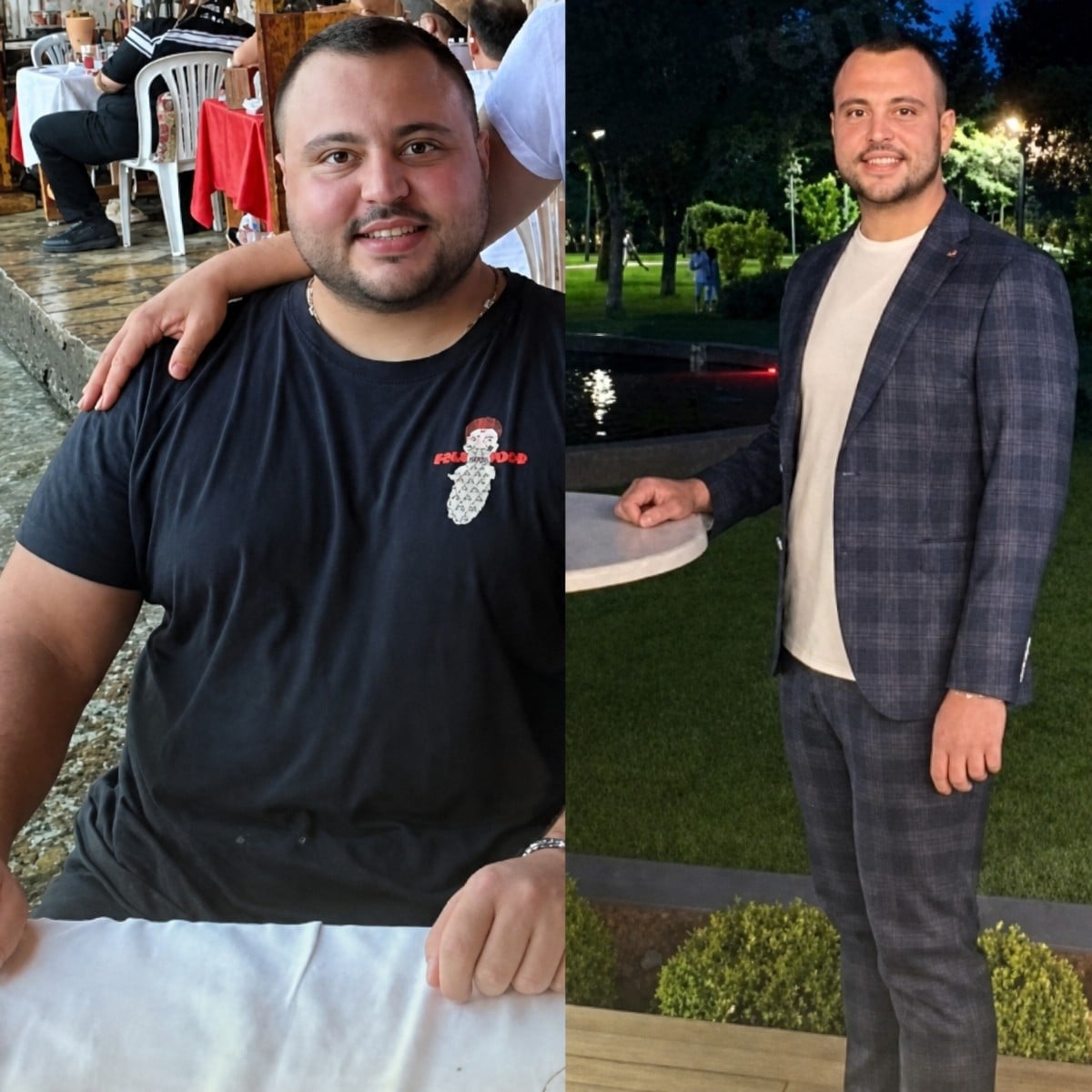
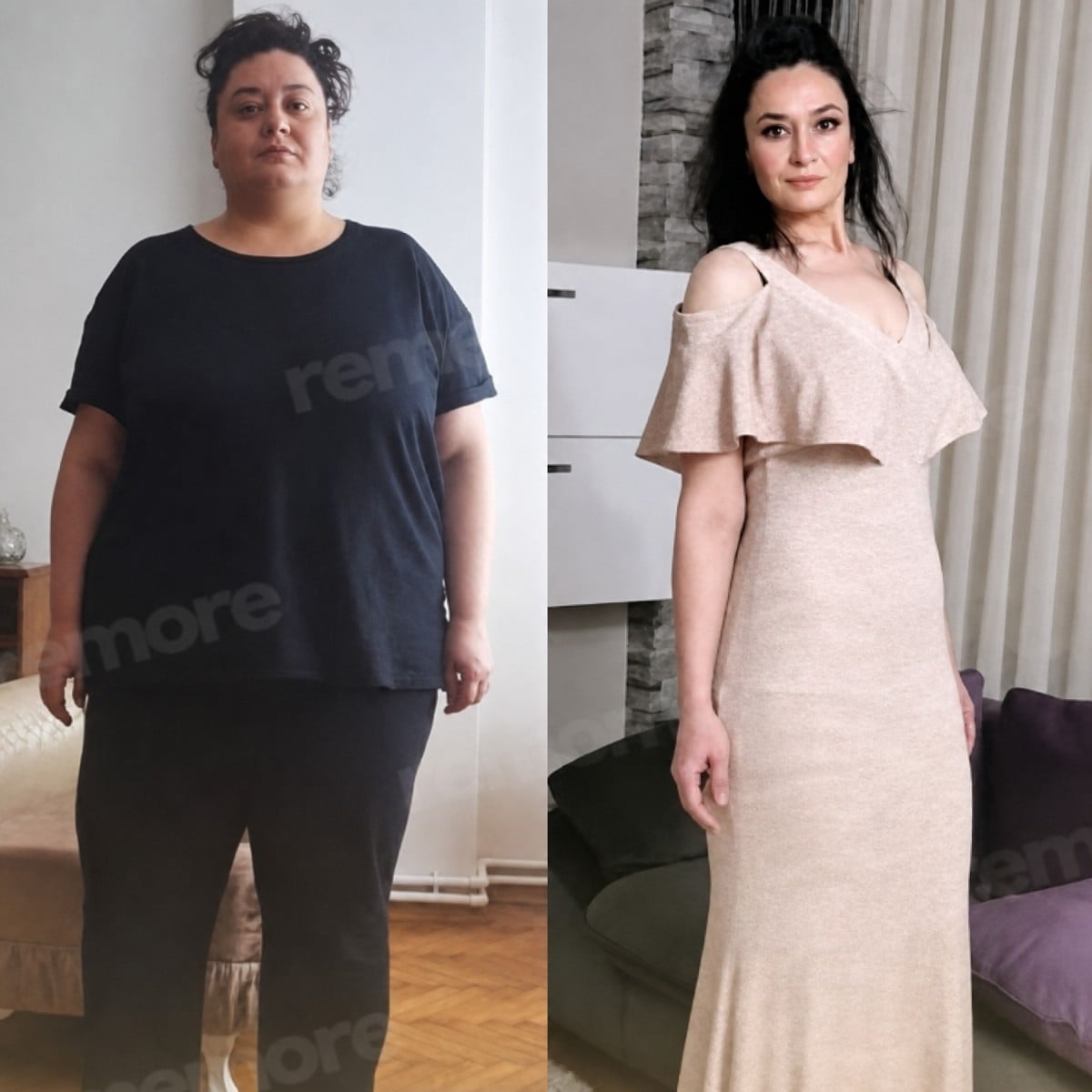
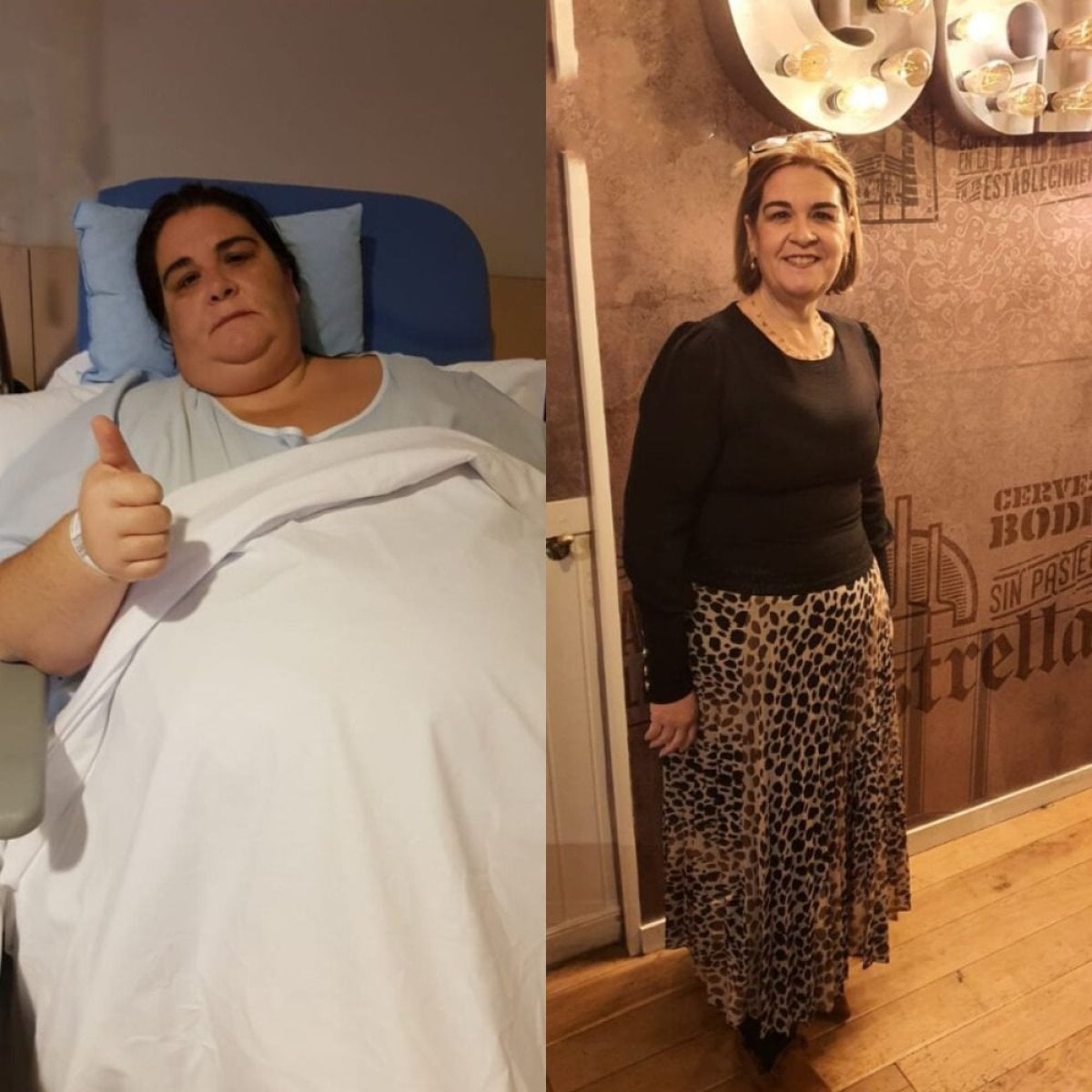
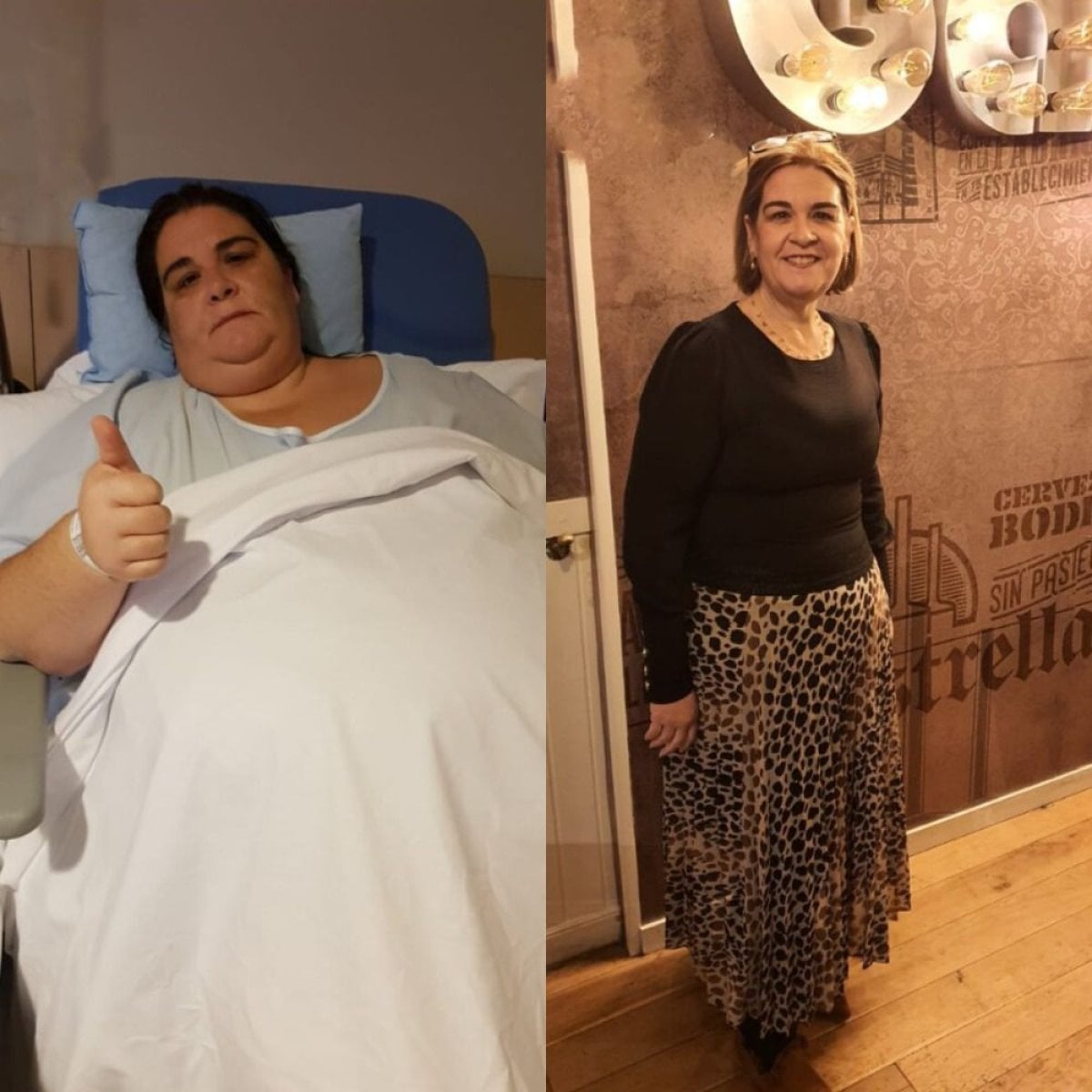
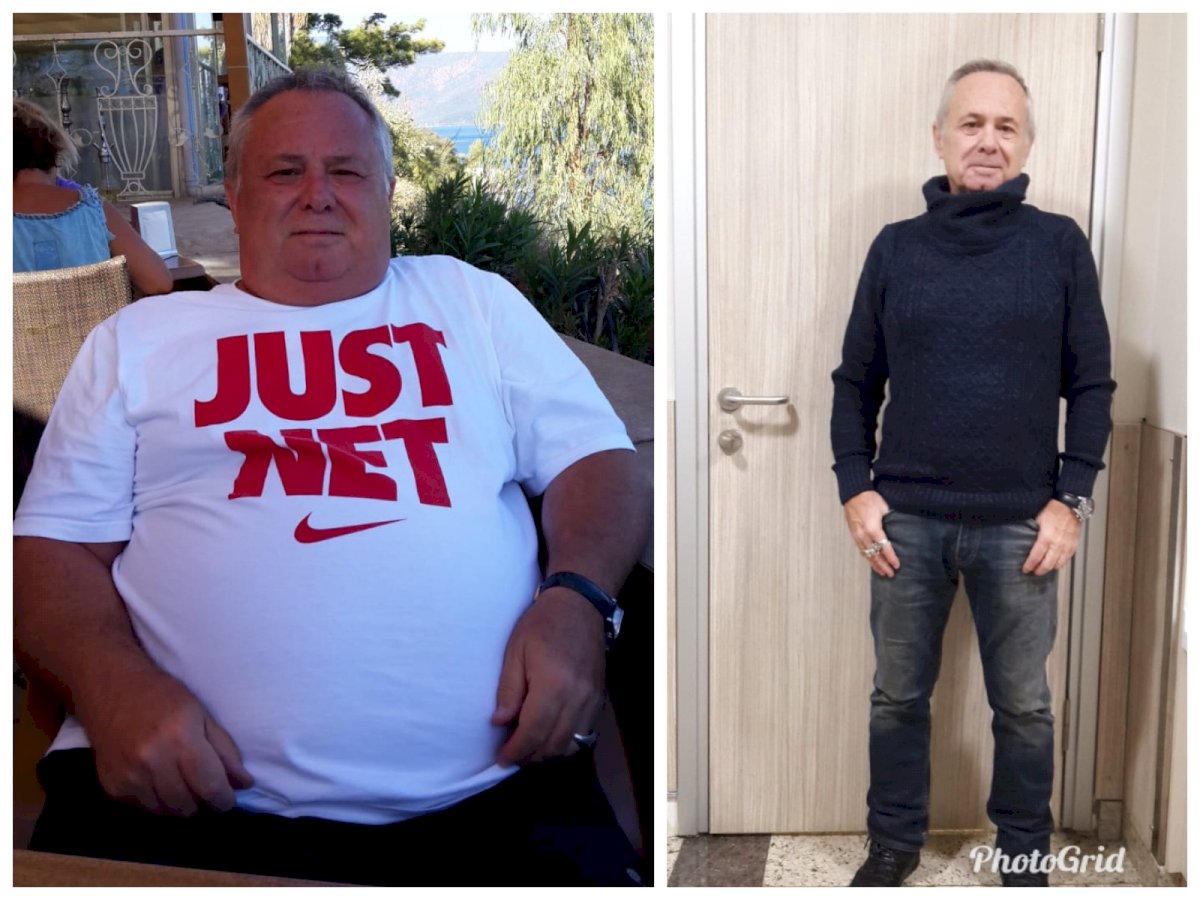
During a year after the operation, a person loses up to 60-70% of excess weight. In rare cases, it takes about 1.5 years. It is important that losing weight is irreversible if the patient follows all doctor’s recommendations — the weight will go away and won’t come back. This is a major advantage of the surgical treatment of the overweight.
Besides, after the weight loss surgery, the patients also notice regress or get rid of other diseases associated with obesity — type 2 diabetes mellitus, hypertension (high blood pressure), cardiac pathology, hyperlipidemia (high cholesterol), arthritis, infertility.
Yes, usually you need to take vitamins and minerals. Supplements provide the patient with essential nutrients needed to maintain good health. A diet that must be kept after the surgery may not always provide the full range of nutrients.
The operation is necessary for overweight people with the body mass index (BMI) over 40 kg/m². To calculate your BMI, you need to divide your weight in kilograms twice by your height in meters. For example, your weight is 150 kg and your height is 1.7 m — BMI = 150 / 1.72 = 51.9 kg/m².
Obesity surgery is also prescribed for people with concomitant diseases — hypertension, diabetes mellitus, joint damage. In this case, the operation is carried out with a BMI of 30-35 kg/m².
After calculating your body mass index, consult with a surgeon. Only a doctor can decide if you need this procedure, choose the most effective bariatric surgery method in your particular case, answer all your questions, and predict the results after the operation.
Before the operation, you should stick to some rules and follow the doctor’s recommendations. The most important among then are:
More about the presurgical program you can find here.
Weight loss or bariatric surgery is an intervention aimed to reduce the volume of the stomach and accelerate the food movement along the gastrointestinal tract reducing the amount of food you eat. Surgical intervention is the only weight loss method that gives a long-term and guaranteed result.
Bariatric surgery is not performed for teenagers and people with alcohol or drug addiction. Other contraindications include:
Yes, usually you need to take vitamins and minerals. Supplements provide the patient with essential nutrients needed to maintain good health. A diet that must be kept after the surgery may not always provide the full range of nutrients.
During a year after the operation, a person loses up to 60-70% of excess weight. In rare cases, it takes about 1.5 years. It is important that losing weight is irreversible if the patient follows all doctor’s recommendations — the weight will go away and won’t come back. This is a major advantage of the surgical treatment of the overweight.
Besides, after the weight loss surgery , the patients also notice regress or get rid of other diseases associated with obesity — type 2 diabetes mellitus, hypertension (high blood pressure), cardiac pathology, hyperlipidemia (high cholesterol), arthritis, infertility.
If you are planning a pregnancy, postpone it for at least 18 months after the procedure. This is the time when your weight is reduced so pregnancy will be a big burden for the body.
After this period, pregnancy is usually safer than before the surgery — for both the mother and the baby. You should inform your gynecologist what type of intervention you had and if there were any complications after the procedure (blood clots, blood transfusion, etc.).
The operation plan mainly depends on the method of obesity surgery. Each of them differs in the technique of performing. Generally, the procedure takes about 3 hours.
The hospitalization is required. Usually, the patient stays in the hospital for 2-3 days:
Read more about the rehabilitation after the obesity procedure here.
Bariatric operation is a serious surgical intervention, so has some risks:
However, the operation is minimally invasive and the success rate of weight loss operation is 98%.
During the surgery, 80% of the stomach is removed. Surgeons form a tube 2-2.5 cm in diameter. Thus, the volume of the stomach and the amount of food absorbed are reduced.
During this operation, surgeons form a stomach pocket with a volume of 15-30 ml. Food from the pocket gets to the small intestine directly. As a result, patients have a sense of fullness even when taking a small amount of food.
In this case, bariatric doctors put the upper part of the stomach in a silicone cuff or gastric band. It narrows the stomach cavity and regulates the speed of food movement through it.
During the procedure, surgeons place an empty silicone balloon into the stomach. Then specialists fill a balloon with the physiological saline to the required volume. The operation helps to simulate a sense of fullness in the stomach.
During this surgery, metabolic specialists decrease the stomach volume and form a smaller diameter gastric tube. A part of the stomach is not removed, and the gastric wall is sewn with a multi-row suture.