Hospital de la Familia
Mexico, Mexicali
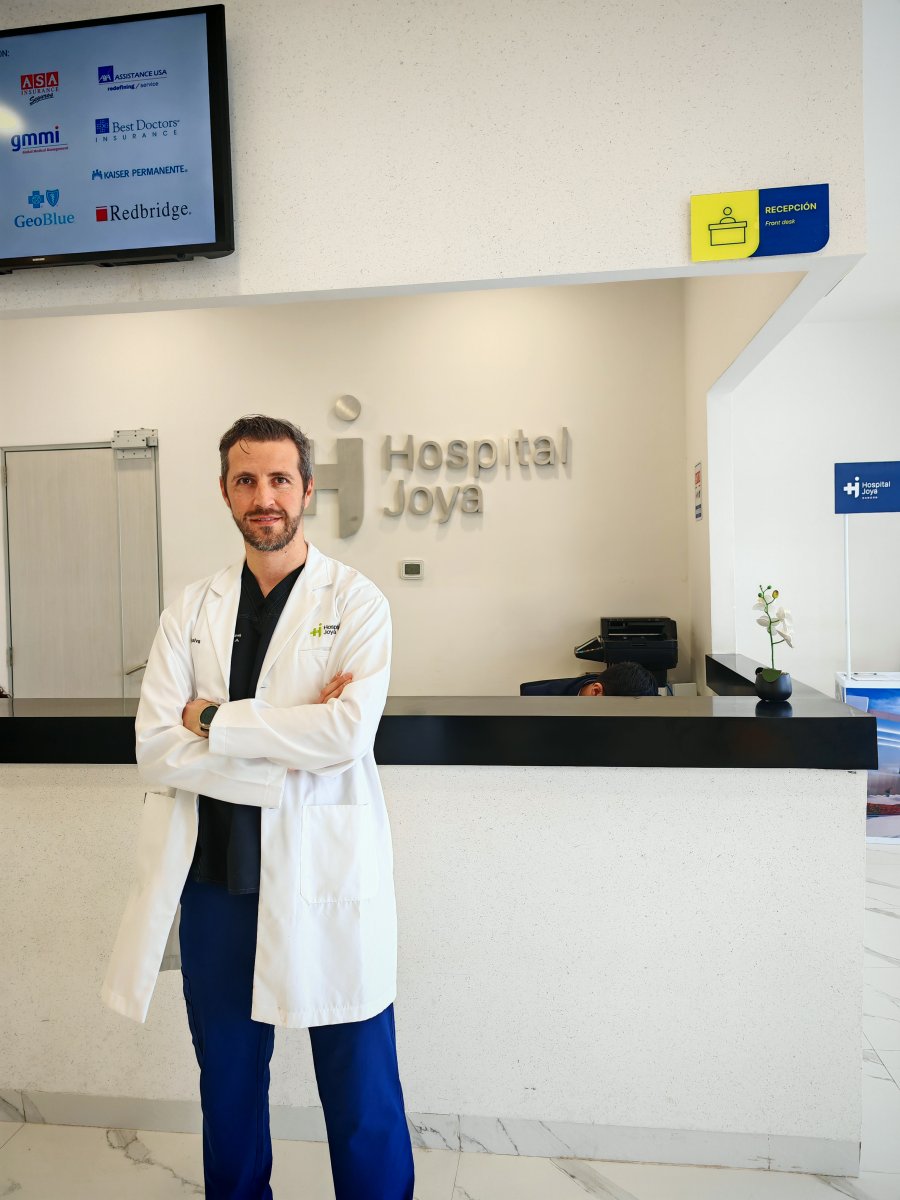
Marco Sariñana
18 years of experience

Surgeon's portfolio

Clinic is certified : 



Medically reviewed by
Fahad Mawlood
Weight loss surgery in Mexico typically costs from $7,100 to $16,100. Prices vary based on the specific procedure, the complexity of the case, and the hospital's location. By choosing Mexico, patients can save approximately 65-75% compared to the US while receiving care from internationally certified specialists.
Typical Weight Loss Surgery Costs in Mexico
Major hubs for bariatric surgery include Tijuana, Cancun, and Guadalajara. Border cities like Tijuana often feature more competitive pricing due to high patient volume. Consult with a specialist to get accurate pricing and a comprehensive treatment plan for your specific needs.
| Mexico | Turkey | Austria | |
|---|---|---|---|
| Stomach stapling | from $3,500 | from $3,000 | ≈ $9,800 |
| Stomach resection | from $6,500 | from $2,800 | ≈ $17,500 |
| Roux-en-Y Gastric Bypass | from $5,100 | from $3,200 | ≈ $12,500 |
| Robotic Sleeve Gastrectomy | ≈ $5,500 | from $9,400 | ≈ $12,500 |
| Robotic Roux-en-Y gastric bypass | ≈ $6,800 | from $11,400 | ≈ $15,500 |
No hidden fees – just official clinic prices. Pay at the clinic for Weight Loss Surgery treatment upon arrival and use a flexible installment plan if needed.
Bookimed is committed to your safety. We only work with medical institutions that maintain high international standards in Weight Loss Surgery treatment and have the necessary licenses to serve international patients worldwide.
Bookimed offers free expert assistance. A personal medical coordinator supports you before, during, and after your treatment, solving any issues. You're never alone on your Weight Loss Surgery treatment journey.





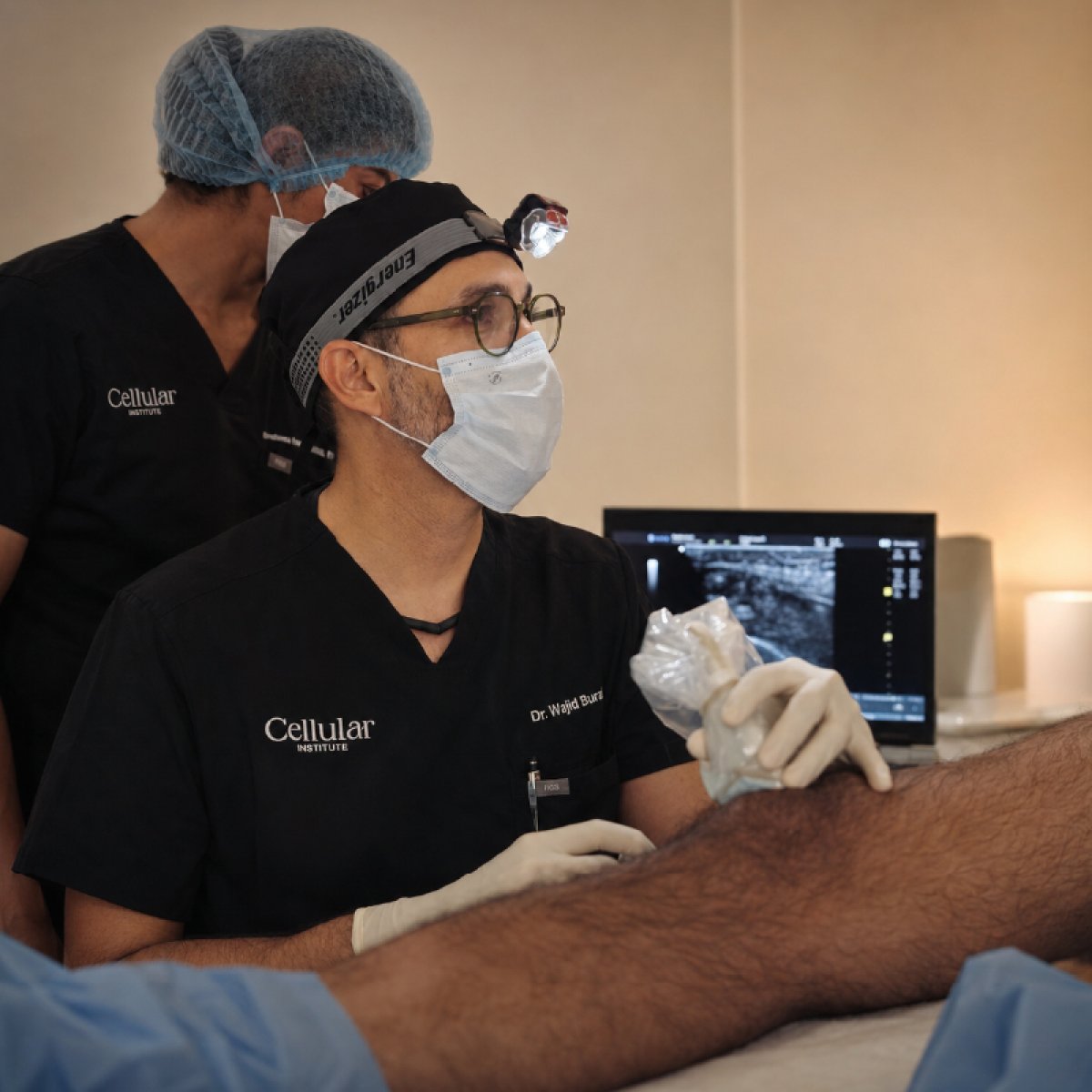
Dr. Abraham Miranda is a regenerative medicine specialist at his center in Queretaro, Mexico. He focuses on chronic musculoskeletal pain and joint regeneration. Dr. Miranda has performed over 240 procedures. He earned his medical degree from the University of Guadalajara.
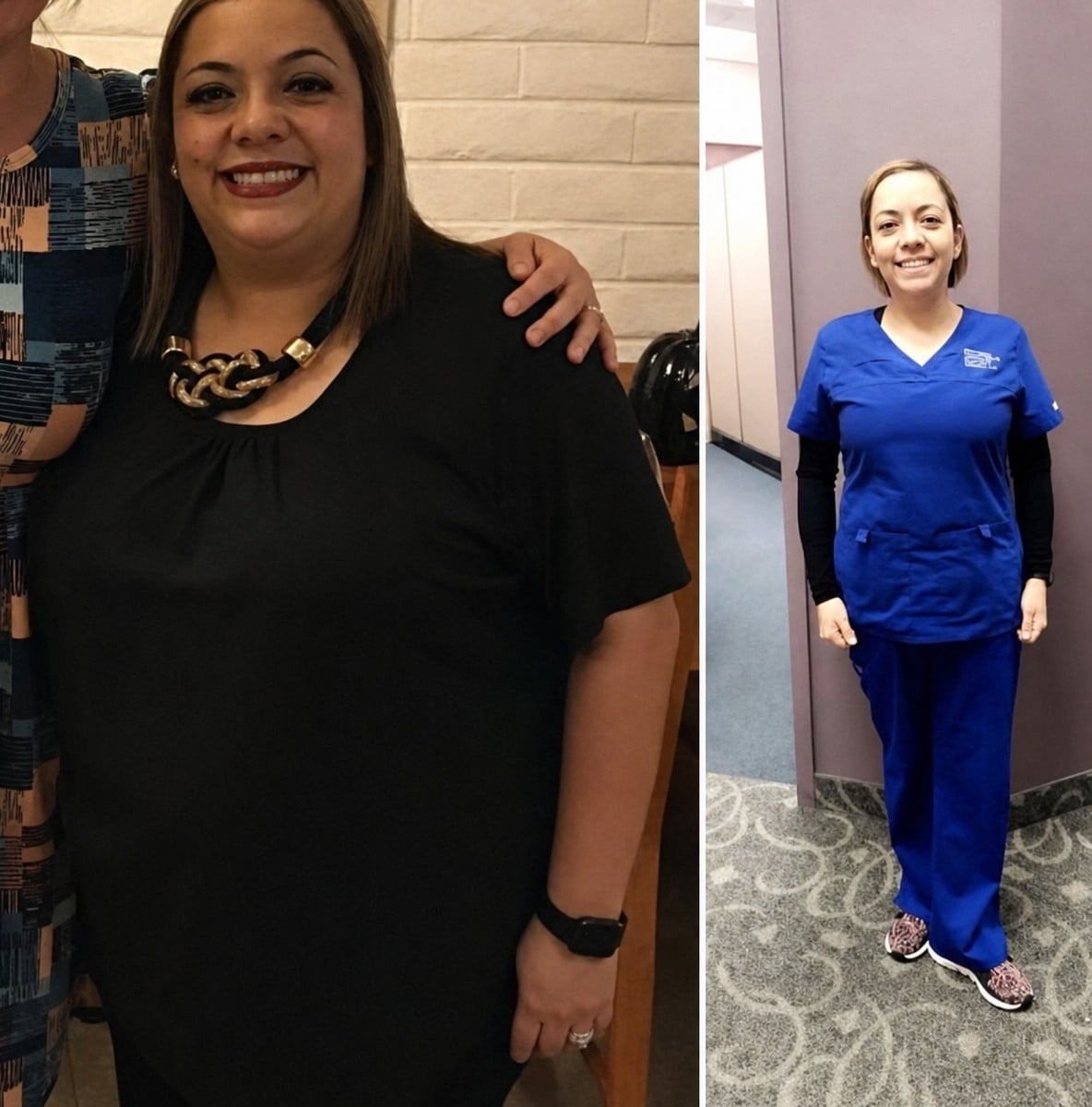
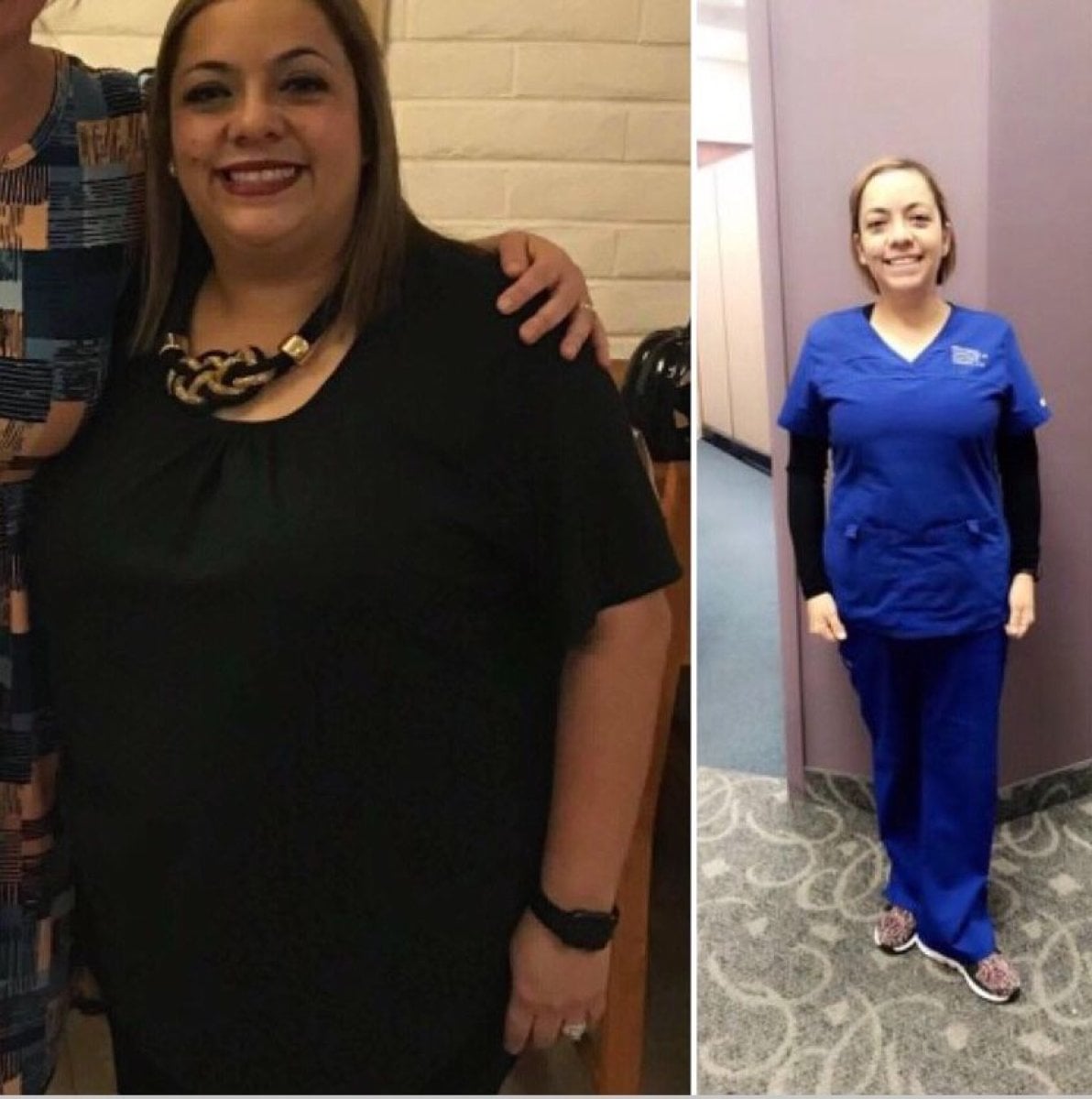
Dr. Marco Sariñana has performed over 2,000 weight loss surgeries at Hospital de la Familia, combining expertise in both bariatric and cosmetic procedures.
One of few bariatric surgeons in Mexico certified by the American Society for Metabolic and Bariatric Surgery (ASMBS). Dr. Pliego specializes in transforming lives through advanced surgical solutions.

3,500+ successful bariatric procedures performed – Dr. Prieto specializes exclusively in weight loss and metabolic surgery.


Written by Anna Leonova

Written by Anna Leonova

Written by Ana Hurevska
 Anna Leonova

Bariatric surgery in Mexico has become a win-win solution for resolving obesity, especially for international bariatric patients. The country offers a full range of weight loss operations, with gastric sleeve, gastric bypass, and one-anastomosis gastric bypass (OAGB) among the most popular procedures. Alongside this, gastric sleeve is mostly performed, followed by gastric bypass and OAGB.
According to 2019 statistics, between 100 and 500 procedures were performed annually in private clinics. The total number of procedures performed in a year was 8,887, of which 1,033 were done via an endoscope.
What's more, according to national demographic data, Mexico has the highest obesity rate in Latin America. 67.6% of adults aged 20-39 and 83.4% aged 40-59 have some degree of overweight or obesity, so the number of people with obesity would be approximately 94,000,000.
It's worth noting that around 2,706 (30.4%) of the bariatric procedures were performed in the country's northern parts. The main reason is that foreign patients travel there for medical tourism.
Over time, Mexico is improving bariatric surgery services efficiency, effectiveness, and safety. More and more hospitals are establishing high-quality tools and standards, achieving accreditation thanks to highly professional human resources, physical resources, and activity standards.
Mexico authorities succeeded in standardizing surgical procedures by resolving surgeons' diverse preferences regarding suture materials, drains, strains, etc.
Today, a minimally invasive approach in surgery via laparoscope is becoming increasingly popular in Mexico. Patients experience less pain, fewer complications, minimal scarring, and faster recovery.
For instance, in Tijuana, thousands of patients worldwide come here to receive premium medical services.
Mexican doctors are experts in laparoscopic bariatric surgery. There are board-certified and members of the key bariatric and laparoscopic medical societies in the region, such as the American Society of Metabolic and Bariatric Surgery, the International Federation for the Surgery of Obesity and Metabolic Disorders (IFSO), American College of Surgeons (ACS) and the Mexican College of Surgery for Obesity and Metabolic Diseases.
In Mexico, patients will get affordable weight loss surgery price and safety. This means that compared to the United States, a gastric sleeve can cost up to tens of thousands of dollars, while the same procedure, including surgeon fees, anesthesiologist fees, lab work, and a recovery stay, starts at $5,000.
Weight loss surgery in Mexico cost is significantly lower compared to the USA and Western countries, still providing patients with all-inclusive weight loss surgery in Mexico. For those asking precisely how much is weight loss surgery in Mexico, the price list for the main weight reduction operations is as follows:
|
Operation type |
Price |
|
Gastric sleeve surgery (Sleeve gastrectomy) |
from $4500
|
|
Gastric bypass |
from $6000 |
|
Gastric band |
from $4500
|
|
Stomach stapling |
from $1500 |
|
Stomach resection |
from $10776 |
|
Duodenal switch |
from $6500 |
|
Mini gastric bypass |
from $5500 |
|
Gastric balloon |
from $2500 |
For example, one of the major bariatric hospitals, the Hospital de la Familia, offers the following weight loss procedures:
gastric bypass;
laparoscopic sleeve gastrectomy;
intragastric balloon.
. The package includes everything a patient can need while staying in Mexico for s surgery:
Pre and post-op hospital stay & fees
Experienced board certified bariatric surgeons
Anesthesiologist fees
Pre-op lab tests, X-Ray
Complication coverage (optionally)
Medications, take-home meds
Nutritionist consultation
Post-surgery vitamin care package
Online support
Private transportation can be optional and not included in the packages in all hospitals. This information should be checked on the official website of a particular weight loss clinic in Mexico or on the Bookimed platform.
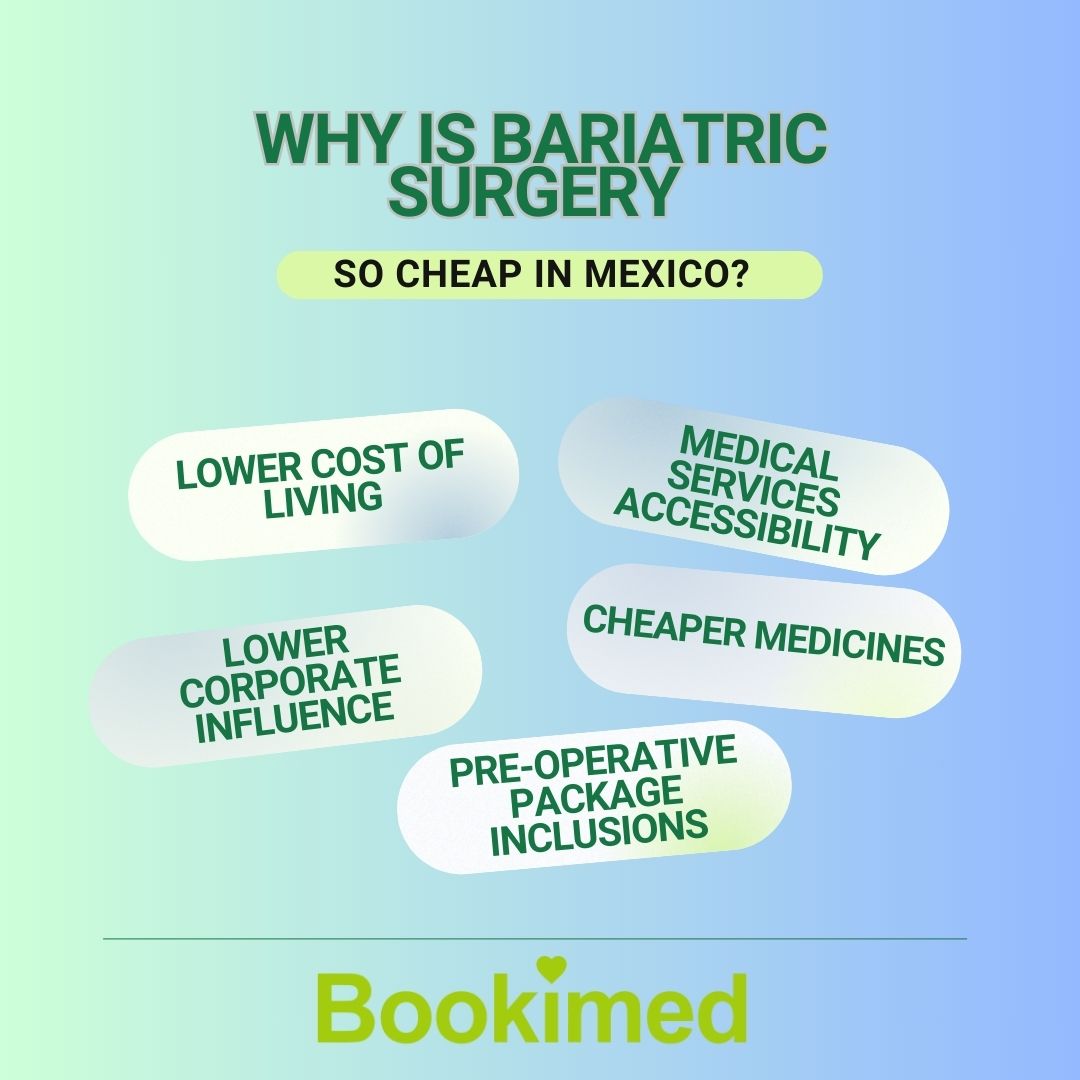
The main reasons why bariatric surgery in Mexico is more affordable than, for example, in the USA are lower cost of living, accessibility of medical services (meaning, it's easier to undergo any surgical procedure as there's less red tape to get it), and availability of advanced technologies. Pre-operative tests are already included in the package, there are relatively cheaper medication and lower corporate influence.
How much does the bariatric clinic cost? The price of weight loss surgery in Mexico is largely predefined by the following factors:
Type of operation. The total price will depend on the type of procedure you decide to undergo. The reason is that procedures vary in complexity and duration.
Surgeon's expertise. Choosing a highly experienced surgeon will impact the final cost while guaranteeing high standards for the operations, including safety and treatment efficiency.
Hospital accreditations. As usual, clinics with international accreditations and top-notch facilities have higher fees. Many hospitals in Mexico have accreditations from reputable international organizations, like JCI, the International Center of Excellence for Bariatric Surgery, and adhere to world-approved medical protocols.
Package inclusions. Additional services included in the weight loss operation package can increase the price. Although, you'd better check this information on the hospital's website, as it may vary among medical institutions.
For example, Hospital de la Familia provides all-inclusive bariatric surgery in Mexico starting at $2,850 for intragastric balloon surgery package.
Such comprehensive packages may cover pre-operative tests, initial consultation, and post-op quality treatment, hospital stay, anesthesia, medical providers' care, accommodation, and even transfer.
Aftercare services. Nutritional and follow-up consultations may cost more, but this option is essential for long-term success. Adequate assistance will direct patients correctly along their recovery process.
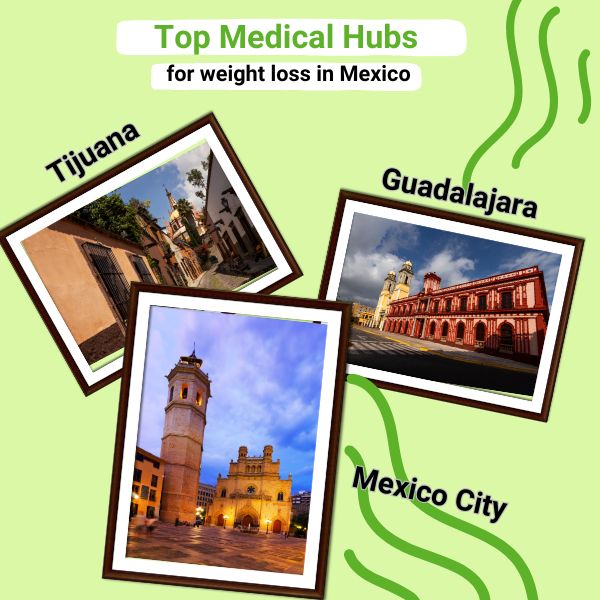
Tijuana is a leading destination for bariatric surgery, offering some of the cheapest weight loss surgery in Mexico. It follows the same medical standards as the U.S. and maintains quality and affordability. Located just across the U.S. border, Tijuana became renowned for its highly skilled, board-certified bariatric surgeons.
The medical costs for weight loss surgery in Tijuana Mexico are lower than in other popular tourist destinations. Still, weight loss surgery fees can vary in Tijuana depending on what type of surgery you plan to have. Gastric bypass is a bit more complex than gastric sleeve. That's why Tijuana weight loss surgery cost is higher.
Guadalajara. It’s believed to be another best place in Mexico for weight loss surgery. The average price for weight loss surgery procedures here starts from $8440. The same operation costs between $17,000 to $26,000 in the US. For example, a gastric bypass costs $6,300 in Guadalajara, while the same procedure costs $23,000 in the US.
For instance, Clínica Integral de Cirugía de Obesidad, accredited by the Colegio Mexicano de Cirugia para la Obesidad y Enfermedades Metabolicas, offers a Standard Gastric bypass surgery package with accommodation included. The price for this offer is $7,800.
Mexico City, the capital of Mexico, is located in the central part of the country. It attracts international patients by its great diversity of medical services and facilities. The average price of a weight loss operation in Mexico City is $6340, starting from $3061. While in the USA, it costs $25,000.
Gastric bypass is one of the most requested procedures and one of the best weight loss surgery in Mexico. In this procedure, a small stomach pocket is made, and the small intestine is reset. This operation generally lowers calorie consumption and limits calorie absorption.
Vertical sleeve gastrectomy is the second-popular weight loss operation, reducing hunger hormones and restricting the stomach capacity.
Gastric balloon, the third-best operation, uses a medical balloon inserted into the stomach via an endoscope. Filled with saline, it occupies space in the stomach, making patients eat less and feel full faster.
Asking “Is weight loss surgery in Mexico safe”? Let’s outline this question in short. Regarding safety standards, there are two organizations in Mexico that determine the safety and eligibility level of medical institutions.
The Joint Commission International (JCI), the most respected and demanding hospital accreditation agency in the U.S., accredits hospitals in Mexico.
To receive its certification, hospitals must pass detailed testing for 300 standards with 1,200 specific data points. In Mexico, there are 4 JCI-approved hospitals, meaning it's safe to undergo weight loss surgery there.
Another entity is the CSG (El Consejo de Salubridad General), which means “The General Health Council.” It has a specific set of standards to vouch for international patient safety. Eight hospitals are CSG-accredited in Mexico.
Tijuana, a city located south of the U.S. border, has become a popular destination for medical tourism, particularly for bariatric surgery. Due to its proximity to San Diego, California, many Americans travel here to get quality medical services.
Thus, it's the reason why Tijuana can be named as the safest city for Mexico bariatric services. Weight loss surgeons provide high-quality care and adhere to high safety standards as in the United States. Medical facilities feature highly trained doctors with international certifications, latest medical technology, while healthcare providers adhere to strict safety standards.

Getting approval for surgery in Mexico for weight loss is more straightforward than in other countries like the United States. Mexican bariatric clinics offer streamlined processes with fewer bureaucratic issues, eliminating the need for insurance approvals.
Before surgery, each patient should complete specific evaluations to determine if they are healthy enough to undergo the procedure:
BMI. A BMI more than 30 cannot receive bariatric surgery unless they have a weight-related disorder that affects their health, like diabetes, hypertension, or heart disease.
Medical history. Sometimes, surgeons are reluctant to do surgery on those who have already received bariatric surgery but failed to lose weight.
Health risks. Surgical intervention and anesthesia may be too risky in cases if a patient has some cardiac and heart diseases that can cause complications.
Smoking. Surgeons ask patients to quit smoking at least six weeks before bariatric surgery. If they can't stop, they can't undergo surgery.
Psychological concerns. Not being ready emotionally or psychologically for transformations after bariatric procedures. That's why some patients should undergo psychological tests to ensure they are ready for this challenge.
Several recent years show that more Americans and Canadians travel to Mexico for bariatric surgery. Indeed, Mexico is believed to be a leading destination due to quality patient care services, their affordability, and a proximate location to the United States and Canada.
Due to its cost-saving medical services, Americans are turning to Tijuana for weight loss surgery. For instance, you will pay, on average, $4,500 to $6,000 for a gastric sleeve, while in the United States, it reaches between $10,000 and $20,000. Gastric bypass in Mexico typically costs from $5,900 to $7,000, while the price in the United States can reach $15,000 to $30,000.
US patients expect to pay up to 65% less for surgery than they would pay at home.
Mexican surgeons are members of the American Society for Metabolic and Bariatric Surgery, Mexican Association of General Surgery, the Spanish Surgery Association, etc. This means their high proficiency and expertise in the area, so that's why patients from the US find this country attractive for weight loss operation.
|
Operation |
Mexico |
USA |
Canada |
|
Gastric sleeve surgery |
from $4,500 |
from $14,000 |
from $15,000 |
|
Gastric bypass surgery |
from $6,000 |
from $10,000 |
from $18,000 |
|
Gastric lap band surgery |
from $4,500 |
from $5,200 |
from $5,000 |
Many U.S. health insurance packages include limited or no coverage for medical procedures performed abroad. Some insurance companies do not cover patient care services outside the USA, except in specific emergency situations near U.S. borders.
Some private US insurance providers offer international coverage, but this can vary. Therefore, patients need to check their policy details to understand the extent of their coverage in Mexico.
At the same time, Mexico has both public and private healthcare options. The public one covers Mexican citizens and residents, while the private one is accessible to foreigners and more affordable compared to the U.S.
Reference list:
Maldonado Pintado Diana Gabriela; Márquez González Stephany Michelle; Wimber Arellano Mayte. Bariatric surgery in Mexico. Practice characteristics in 2019. Source: https://www.medigraphic.com/cgi-bin/new/resumenI.cgi?IDARTICULO=109770
Prevalence of overweight and obesity in adults in Mexico as of 2023, by age. Source: https://www.statista.com/statistics/1376625/overweight-obesity-prevalence-by-age-mexico/
Health Insurance and Healthcare in Mexico Explained. Source: https://www.internations.org/mexico-expats/guide/healthcare
Weight loss surgery in Mexico is safe when performed by board-certified surgeons in internationally accredited facilities. Leading clinics follow rigorous protocols verified by the General Health Council of Mexico (CSG). Top-tier surgeons, like Dr. Rodrigo Prieto Aldape, hold certifications from the Mexican College of Bariatric and Metabolic Surgery.
Bookimed Expert Insight: Our data shows that top-rated clinics in Mexico, such as Dr. Enrique Pliego Private Practice with its 5-star rating, maintain high standards by limiting patient volume to around 500 per year. This allows for personalized care and strict adherence to American Society for Metabolic and Bariatric Surgery (ASMBS) standards, which is a key indicator of safety for international patients.
Patient Consensus: Patients note it is important to choose clinics near the border for easier travel, though some emphasize that aftercare requires planning your own local follow-up support.
Weight-loss surgery in Mexico is safe for international patients when performed at accredited hospitals by board-certified surgeons. Many facilities maintain rigorous safety standards like CSG (General Health Council of Mexico) accreditation. Top centers report success rates comparable to US hospitals for procedures like gastric sleeve and bypass.
Bookimed Expert Insight: Bariatric volume is a massive safety indicator in Mexico. At Alice Beauty Clinic, they treat 1,200 patients annually. This high frequency allows medical teams to perfect standardized protocols. Veterans like Dr. Ulises Salinas Garcia have anesthetized 20,000+ bariatric patients. This specific experience with higher-weight cases significantly reduces common surgical risks.
Patient Consensus: Many patients find the post-op support through direct messaging more responsive than at home. They note that booking through vetted platforms makes them feel like VIPs with smoother border transitions.
Surgeons in Mexico determine medical eligibility by evaluating your Body Mass Index (BMI) and health history through streamlined digital screenings. Most procedures require a BMI over 35. Candidates with a BMI of 30 to 34.9 may qualify if they have obesity-related conditions like diabetes.
Bookimed Expert Insight: Data from top Mexican clinics shows a preference for high-volume expertise. Dr. Gabriel Rosales has participated in 18,000+ procedures. These experienced surgeons often use virtual consults to review labs. This process typically grants medical clearance in days rather than months. Accreditation from the Mexican Council of Surgery is a key quality signal to look for.
Patient Consensus: Patients note that the approval process feels much faster than in the US. However, they emphasize the importance of having recent blood work ready to avoid delays in the final surgical clearance.
Mexican hospitals provide diverse weight-loss options, but the gastric sleeve remains the most common procedure. It accounts for 70–85% of bariatric cases due to its simplicity and high success rates. Other options include gastric bypass, mini bypass, and non-surgical gastric balloons.
Bookimed Expert Insight: High-volume clinics in Mexico often specialize in specific techniques to maximize efficiency. For example, Dr. Gabriel Rosales at his practice has participated in over 18,000 bariatric procedures. This massive volume allows surgeons to maintain complication rates below 1%. Our data suggests clinics in border cities like Tijuana or Mexicali frequently bundle diagnostics into the surgical package price. Always confirm if your initial consultation and nutritionist plan are included.
Patient Consensus: Patients often lose 70–100lb within the first year after a gastric sleeve. However, many note that long-term acid reflux can be a surprising side effect that requires specific post-op medication.
Most patients stay in Mexico for 7 to 10 days to ensure a safe recovery. This timeframe allows surgeons to monitor initial healing and confirm you can maintain hydration. Procedures like gastric sleeve typically require 1 to 2 nights in the hospital.
Bookimed Expert Insight: Data from high-volume centers like My New Body Obesity Center shows that proximity to the border influences stay durations. Patients in Tijuana often stay 7 days due to easier land transit. Those traveling to Cancun or Guadalajara should plan for 10–14 days to account for longer flight times and altitude changes.
Patient Consensus: Patients emphasize wearing compression socks and walking during layovers to stay comfortable. Many suggest booking flexible flights in case nausea persists past the first 5 days.
Medical tourists should prioritize local monitoring to mitigate risks like anastomotic leaks or staple line failures. These occur in 33% of complication cases and require immediate intervention. Other concerns include venous thromboembolism from post-operative flights and surgical site infections from resistant pathogens.
Bookimed Expert Insight: High-volume centers show a clear safety advantage in Mexico. Dr. Gabriel Rosales has performed 18,000+ bariatric procedures, contributing to lower complication rates through refined techniques. Patients choosing clinics with over 10,000 surgeries often experience fewer revisions, as experienced teams manage anesthesia and port placement with higher precision.
Patient Consensus: Patients emphasize that symptoms like severe pain are sometimes dismissed as normal during the initial recovery. Many note it is vital to have a two-week buffer for monitoring before flying home to avoid expensive emergency fixes later.
Tijuana, Cancun, Guadalajara, Monterrey, and Mexicali are Mexico's premier hubs for bariatric surgery. These cities feature JCI-accredited hospitals and surgeons certified by the Mexican Council for the Surgery of Obesity and Metabolic Diseases (CMCOEM). Programs offer all-inclusive packages with specialized laparoscopic technology and comprehensive post-operative support.
Bookimed Expert Insight: Data shows high-volume clinics in border cities like Tijuana often perform 5,000+ laparoscopic surgeries. This volume allows these centers to maintain specialized medical teams and offer complex revision cases. Hospitals in these areas, like Alice Beauty Clinic, are often licensed by the Mexican Department of Health and sit within walking distance of international hotels.
Patient Consensus: Patients note that while recovery locations like Cancun offer comfort, vetting a surgeon's individual credentials and post-op availability is more important than the city itself. Many recommend requesting direct references from previous international patients to ensure long-term support.
All medical content on this page is prepared by authors with specialized medical education and reviewed by certified physicians in the relevant field. Medical review by Fahad Mawlood, Medical Editor & Data Scientist.
Last updated: 11/14/2026.
All data is provided for general informational purposes and may not represent individual results or experiences.