

Over 90% of patients experience improved oral function and quality of life after orthognathic surgery, with Le Fort I osteotomy being one of the most commonly performed procedures for upper‑jaw correction. This surgery repositions the upper jaw to correct bite issues and improve facial harmony. One of the key reasons patients explore this option is cost. While a Le Fort I–based orthognathic package can reach up to roughly 20,000–30,000 USD in the US, the same correction is often available for approximately 4,000–8,000 USD in countries like Turkey, depending on complexity and whether it is combined with mandibular surgery. Bookimed has prepared this guide to help you understand the lefort 1 advancement, compare treatment options, and make a confident, informed decision.
Key Takeaways
- Le Fort I osteotomy repositions the upper jaw to improve bite, function, and facial balance.
The maxilla is moved and fixed with plates and screws.
Options include lefort 1 advancement, le fort 1 maxillary advancement, and 2 piece lefort 1 osteotomy.
Initial healing takes 6–8 weeks; final results settle over months.
Patients notice better chewing, reduced jaw strain, and improved symmetry.
Cost range: $4,000–$7,000 (Turkey) vs $25,000–$40,000 (US).
Table of Contents
Why Patients Choose Le Fort I Osteotomy
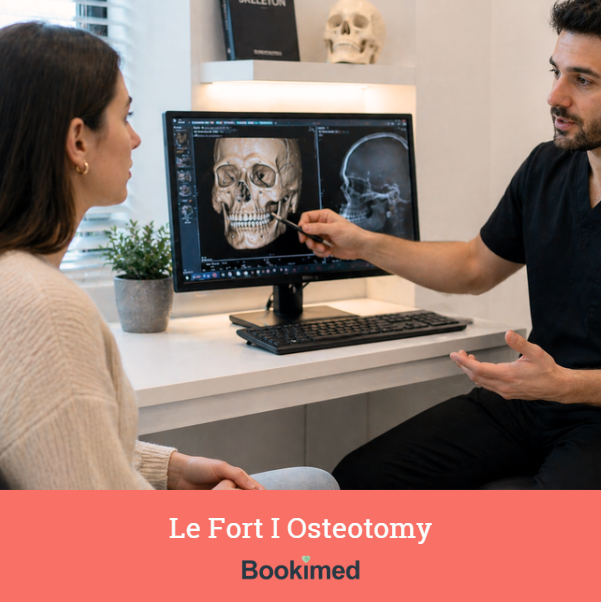
Most people don’t start by looking for surgery. They start by noticing everyday discomfort — chewing feels uneven, the bite doesn’t fit, or the face looks slightly unbalanced.
A le fort 1 operation is usually recommended when the position of the upper jaw affects daily function and cannot be corrected with braces alone.
Le Fort I osteotomy being one of the most commonly used procedures for correcting upper‑jaw deformities. For example, a study of 30 patients undergoing Le Fort 1 with maxillary advancement reported that all 30 patients (100%) showed significant improvement in facial profile, occlusion, mastication, and self‑confidence, with no skeletal relapse or major complications observed.
| Condition | What patients experience | How surgery helps |
|---|---|---|
| Underbite | Teeth don’t align. | Corrected with lefort 1 advancement. |
| Open bite | Difficulty biting food. | Improves bite closure. |
| Facial imbalance | Asymmetry. | Restores proportions. |
| Recessed upper jaw | Flat midface. | Improves facial support. |
| Chewing issues | Inefficient chewing. | Restores function. |
According to the American Association of Oral and Maxillofacial Surgeons, corrective jaw surgery is recommended when jaw alignment affects chewing, speech, or breathing and cannot be corrected with orthodontics alone.
How the Le Fort Osteotomy Procedure Works
The idea of jaw surgery can feel overwhelming at first, but the procedure itself is highly structured and carefully planned.The le fort osteotomy procedure focuses on repositioning the upper jaw with precision using imaging and digital planning tools.
A common question is: lefort 1 osteotomy involves how many bones?
➡️ In most cases, one bone — the maxilla — is repositioned.
| Step | What happens |
|---|---|
| 1 | Incisions inside the mouth. |
| 2 | Upper jaw is mobilized. |
| 3 | Jaw is repositioned. |
| 4 | Plates and screws stabilize it. |
Because everything is done inside the mouth, there are no visible scars. This technique allows surgeons to move the upper jaw in multiple directions depending on the patient’s needs.
📌 The procedure typically takes 1 to 3 hours, depending on complexity.
Because everything is done inside the mouth, there are no visible scars. One of the key advantages of le fort 1 maxillary osteotomy is its flexibility — the upper jaw can be moved forward, backward, upward, downward, or even rotated to achieve proper alignment.
Types of Lefort One Osteotomy Explained
Each patient’s anatomy is different, so the procedure is adjusted accordingly. Some people need the upper jaw moved forward, while others require changes in width, height, or symmetry. That’s why surgeons carefully plan the approach using imaging and bite analysis before surgery.
In practice, the choice of technique depends on the exact correction needed — whether it’s improving function, enhancing facial balance, or both.
| Type | What it does | When used |
|---|---|---|
| Lefort 1 advancement | Moves upper jaw forward. | Underbite, flat midface. |
| Le fort 1 maxillary advancement | Repositions jaw. | Functional bite issues. |
| 2 piece lefort 1 osteotomy | Splits jaw into segments. | Narrow upper jaw. |
| Segmental Le Fort I | Multi-part correction. | Complex deformities. |
📌 Segmented techniques, such as the 2 piece lefort 1 osteotomy, are especially useful when the jaw needs to be widened or reshaped — something that cannot be achieved with a single-piece movement alone.
LeFort I II III Differences Explained
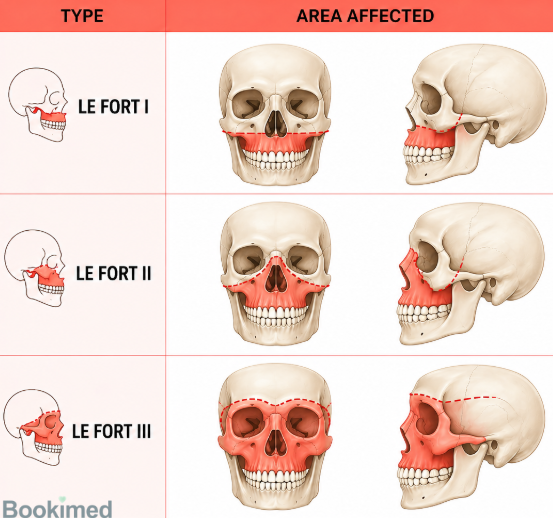
Patients come across the terms lefort i ii iii and wonder what they actually mean. While they sound similar, these classifications describe very different levels of facial involvement.
Originally, they were used to classify fracture patterns in the midface. Today, they also help explain how much of the facial structure is affected in surgical procedures. Understanding this distinction makes it easier to see why the le fort 1 maxillary osteotomy is the most commonly performed option.
| Type | Area affected | Use |
|---|---|---|
| Le Fort I | Upper jaw. | Most common planned surgery. |
| Le Fort II | Midface. | Rare, trauma-related. |
| Le Fort III | Entire midface. | Complex reconstruction. |
For planned procedures, the le fort 1 maxillary osteotomy remains the most common approach.
Highest-rated clinics for Orthognathic surgery

Memorial Bahçelievler Hospital
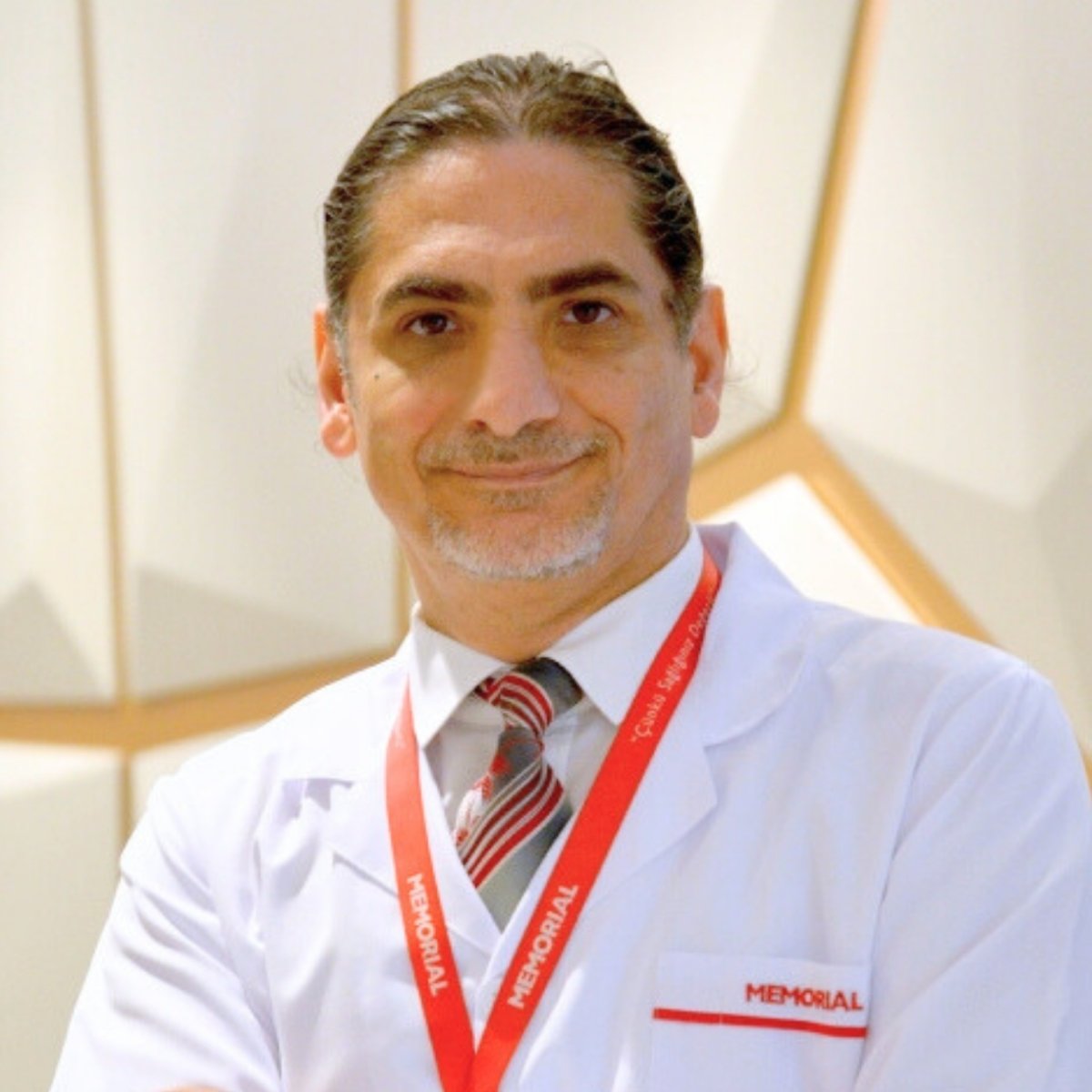
Assoc. Prof. Esma Sönmez has performed 900+ orthognathic surgeries as Chief of Dentistry at Memorial Bahçelievler Hospital. The all-inclusive package may cost around $14,700 – covering bilateral jaw correction, 2 nights hospitalization, 8 days hotel stay, transfers, and interpreter services. Memorial holds triple accreditation (JCI, ISO, LEED) as Turkey's first LEED Platinum hospital. Dr. Sönmez specializes in maxillofacial surgery with focused experience.
| treatment | |
|---|---|
| Orthognathic surgery | $4,740 - $7,660 |
Anadolu Medical Center
Orthognathic surgery at Anadolu Medical Center may cost around $30,000 – typically covering TMJ reconstruction with Trivital prosthesis, 8 nights (2 ICU + 6 regular), and pre-op CT scans. The clinic operates under Johns Hopkins Hospital partnership and holds JCI, Planetree, and OECI accreditations. Prof. Serdar Düzgün specializes in complex maxillofacial reconstructions, focusing on LeFort I osteotomy and bilateral sagittal split osteotomy techniques.
Dentavie Istanbul Dental Clinic
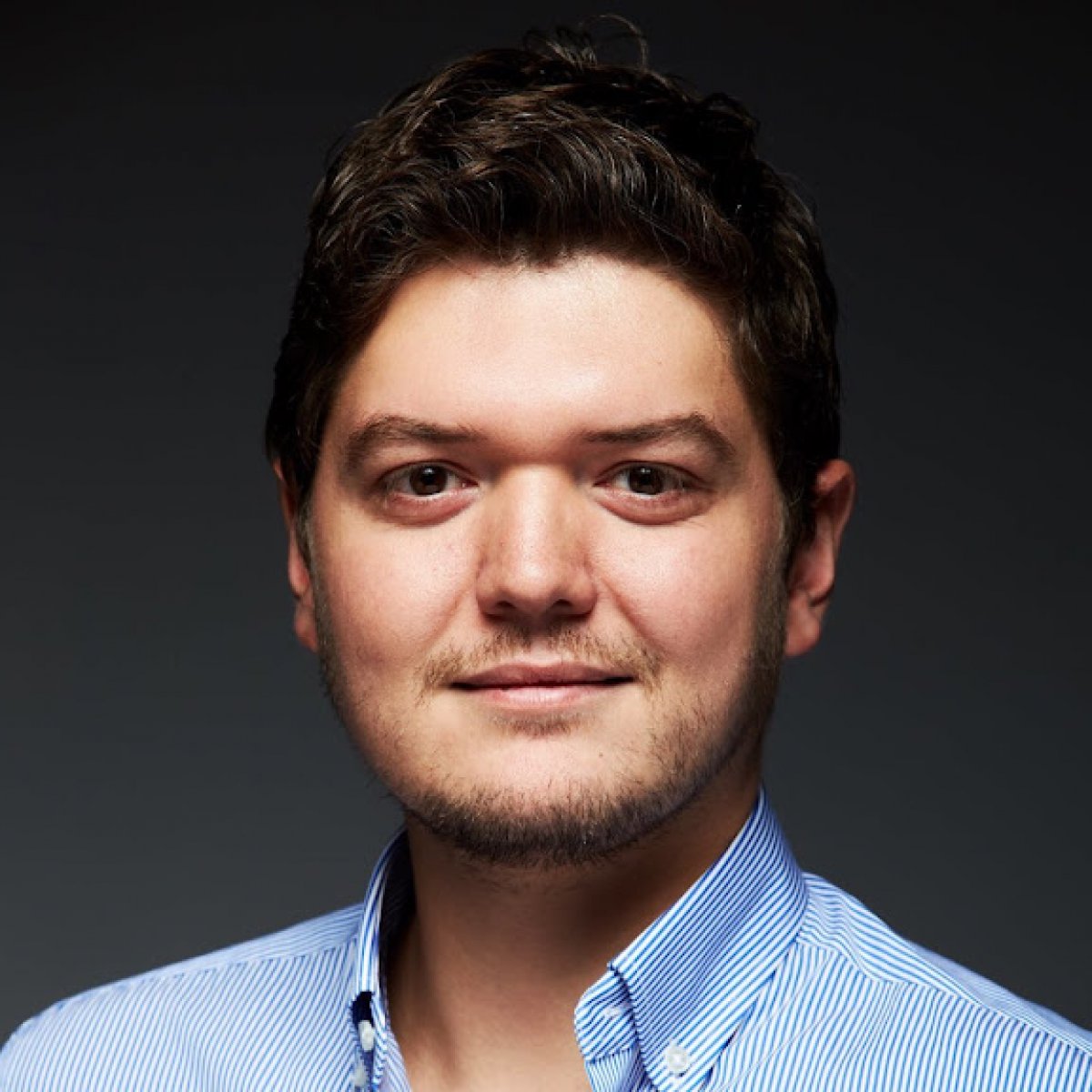
Dr. A. Samet Kundakçıoğlu specializes in orthognathic surgery with 15 years of experience as a faculty member at Istanbul University. Double jaw surgery may cost around $7,410 – typically covering the procedure, hospital stay, anesthesia, and post-op care. Dr. Kundakçıoğlu holds a PhD in Oral Surgery and is a member of the International Association of Oral and Maxillofacial Surgery.
| treatment | |
|---|---|
| Orthognathic surgery | $4,100 - $7,000 |
Medical Park Göztepe Hospital Complex
Medical Park Göztepe Hospital Complex is Turkey's first privately owned cancer hospital. It is JCI-accredited and treats cancer, dental, and cardiac conditions. Over 150 doctors serve 200,000+ patients annually.
- Advanced PET-CT and Linear Accelerator for precise cancer diagnosis and treatment.
- Chemotherapy unit on a separate floor that accommodates 58 patients.
- VM Floor with spacious rooms built to boutique hotel standards.
- Center of Excellence accreditations for robotic, colorectal, and bariatric surgery.
Memorial Şişli Hospital
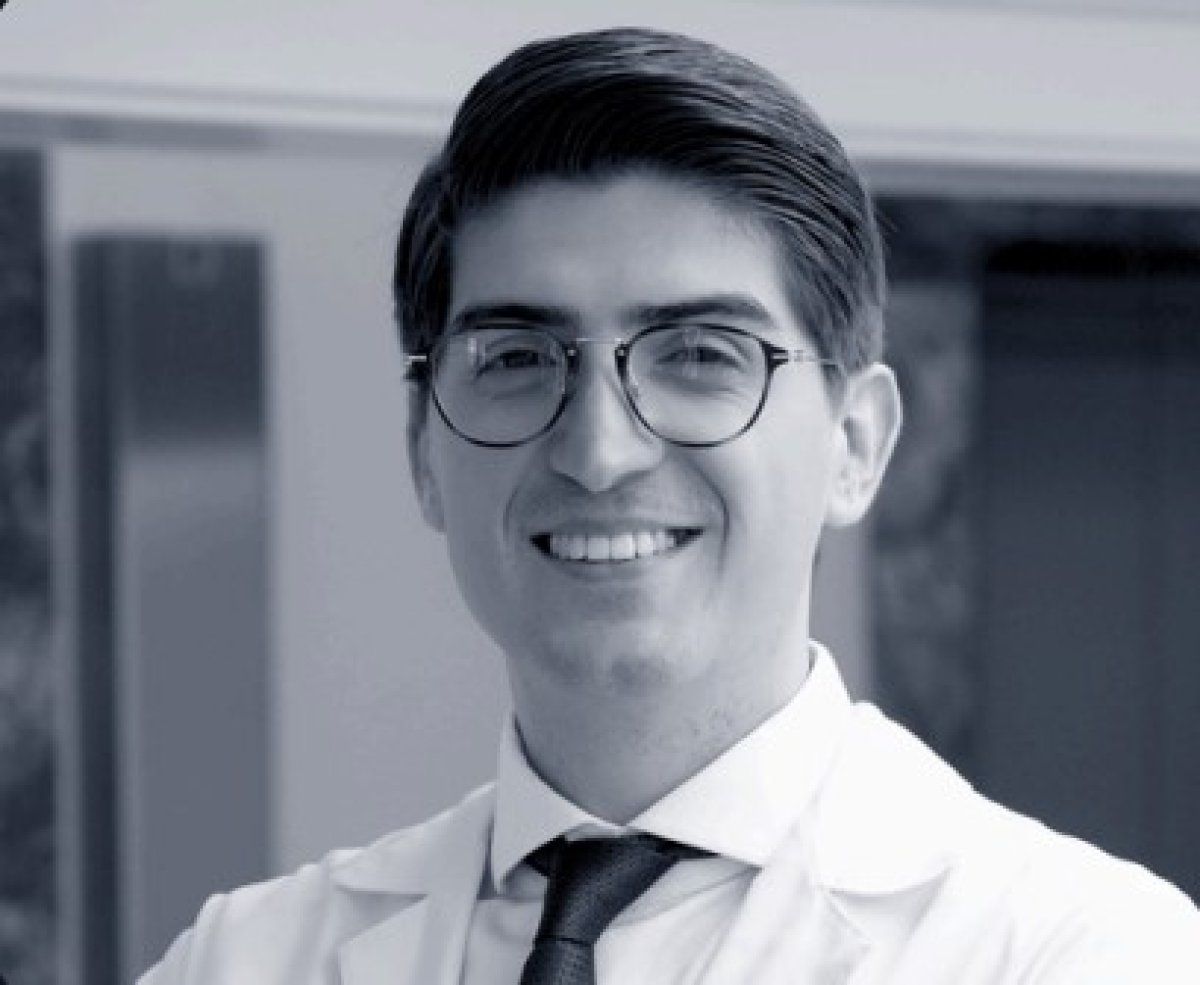
Prof. Dr. Tonguç İşken specializes in complex orthognathic and double jaw surgeries at JCI-accredited Memorial Şişli Hospital. The procedure may cost around $35,500 USD or $16,950 USD, typically including 2-night hospitalization, pre-op orthodontic consultation, airport transfers, and 14 nights of hotel accommodation. The hospital maintains ISO certification and handles 1.6 million patients annually across Memorial Healthcare Group. Advanced 3D planning ensures precise jaw alignment with titanium plate fixation.
| treatment | |
|---|---|
| Orthognathic surgery | |
Before and After Lefort 1 Osteotomy
When patients look into before and after lefort 1 osteotomy, they often focus on how the face will change. But in reality, most people notice the functional improvements first — how their bite feels, how they chew, and how their jaw moves.
The visual changes tend to follow more gradually as swelling decreases and the face adapts to the new position.
Before surgery | After surgery |
Misaligned bite. | Proper bite. |
Difficult chewing. | Easier eating. |
Jaw tension. | Reduced strain. |
Flat midface. | Better facial support. |
Speech issues. | Improved clarity. |
Clinical findings published in PubMed show that patients experience both functional improvement and high satisfaction after lefort osteotomy surgery.
Recovery After Lefort Osteotomy Surgery
Recovery is the biggest unknown. It’s normal to wonder how long it will take to feel like yourself again. The good news is that healing after a le fort 1 operation follows a fairly predictable timeline, and most people notice steady progress week by week.
In the early stages, the focus is on rest and allowing the tissues to heal. Later, it becomes more about regaining normal function and adjusting to the new jaw position.
Timeframe | What to expect |
1–2 weeks | Swelling, soft diet. |
3–6 weeks | Return to daily routine. |
2–3 months | Jaw stabilizes. |
6–12 months | Final results settle. |
➡️ Bone healing typically takes 6–8 weeks, while subtle changes continue over time.
Modern surgical techniques aim to support smoother recovery by reducing tissue trauma and preserving blood supply.
Risks and Safety of the Procedure
It’s natural to think about safety before any surgery. The le fort 1 maxillary osteotomy is a well-established procedure performed worldwide.
| Aspect | What it means |
|---|---|
| Swelling | Expected and temporary; most patients notice it peaking in the first 48 hours and gradually improving over 3–4 weeks. |
| Numbness | May occur in the upper teeth, gums, or midface, but for most patients it improves over time, often within several weeks to a few months. |
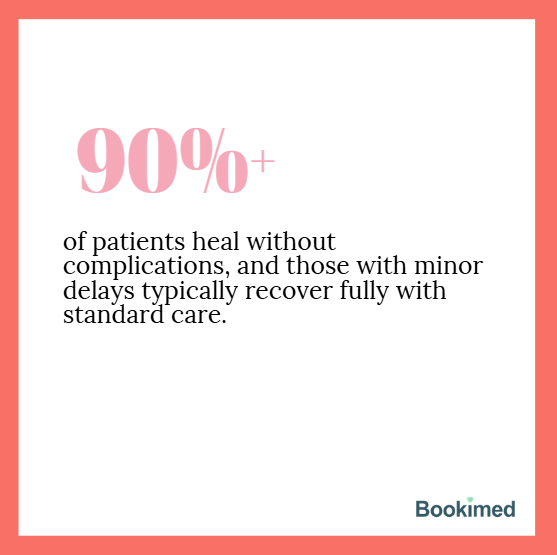
| Healing | Gradual and monitored. Bone healing typically progresses over the first 6–8 weeks, with gradual clinical stabilization. Clinical series indicate that the overwhelming majority of patients—around 90% or more—complete healing without significant issues, and the small number who experience delays or minor setbacks generally recover fully with standard follow-up care. |
| Planning | Highly detailed before surgery, using advanced imaging and 3D planning to tailor the procedure to each patient’s anatomy. |
Lefort 1 Osteotomy Cost by Country

Cost is one of the main reasons why many patients explore treatment abroad. In countries like Turkey or Thailand, the same le fort osteotomy procedure can cost significantly less due to lower medical and operational expenses, while still being performed in specialized clinics.
In some cases, patients can save 50% to 80% compared to prices in the US or UK.
Average cost comparison:
| Country | Typical Cost Range (USD) |
|---|---|
| Turkey | $4,000 – $7,000 |
| Thailand | $4,500 – $6,500 |
| Mexico | $8,000 – $11,000 |
| Poland | $9,000 – $12,000 |
| Republic of Korea | $8,000 – $12,000 |
| UK | $20,000 – $35,000 |
| US | $25,000 – $40,000 |
| Australia | $15,000 – $22,000 |
What Affects the Cost of Le Fort 1 Surgery
Two patients rarely receive the same quote, even for similar procedures. That’s because several factors influence the final price.
| Factor | Why it matters |
|---|---|
| Type of surgery | A 2 piece lefort 1 osteotomy or double jaw increases cost |
| Surgeon expertise | Experience and specialization |
| Hospital stay | Length of stay affects total cost |
| Anesthesia | General anesthesia increases cost |
| Planning | Advanced imaging improves accuracy |
| Aftercare | Follow-up and monitoring |
Treatment Packages for Le Fort 1 Operation
For patients traveling abroad, treatment packages are designed to simplify the entire process. Instead of arranging each step separately, clinics combine medical care, accommodation, and logistics into one plan.
Most le fort 1 osteotomy packages cover both the medical procedure and the practical aspects of your stay.
Medical care
Consultation with a maxillofacial surgeon and treatment planning.
The le fort osteotomy procedure (single or double jaw surgery).
Anesthesia (local with sedation or general anesthesia).
Hospital stay for monitoring after surgery.
Medications and follow-up care.
Comfort and recovery
Hotel accommodation during the recovery period.
Post-operative monitoring and support.
Assistance with diet and recovery guidelines.
Travel and logistics
Airport transfers and clinic transportation.
Help with booking flights and accommodation.
Coordination of appointments and schedule.
Patient support
Personal medical coordinator.
24/7 assistance during treatment.
Support with communication and organization.
These packages are especially common for le fort 1 maxillary advancement in destinations like Turkey.
❗Services in breast augmentation packages can differ by country and clinic. Always check what’s included with your chosen clinic to make sure it fits your needs and expectations.
Most-picked offers for Orthognathic surgery
- Abdulsamet Kundakcioglu participated in the Orthognathic Surgery Symposium at the Royal College of London in 2017.
- Dentavie Istanbul Dental Clinic applies the latest maxillofacial surgery techniques for patients with severe bone deficiency.
- Included Services: Consultation with dentist, surgeon, anesthesiologist, and orthodontist, panoramic X-ray, sedation, local anesthesia, video/text consultation, 4-star hotel, airport transfers.
- Stay Info: 1 day hospital stay and 7 days in a 4-star hotel, hotel included in the price.
- Orthognathic surgery
- Consultation with orthodontist
- Video or text consultation
- Consultation with a doctor
- Local anesthesia
- Sedation
- Consultation with an anesthesiologist
- Panoramic X-ray
- Consultation with a surgeon
- Consultation with a dentist
- Dr. Abdulsamet Kundakcioglu participated in the Orthognathic Surgery Symposium at the Royal College of London in 2017.
- Dentavie Istanbul Dental Clinic provides dental services of any complexity applying the latest maxillofacial surgery techniques.
- Included Services: Consultation with a maxillofacial surgeon, consultation with a dentist, consultation with an anesthesiologist, local anesthesia, regular transfer, transfer airport-clinic-airport.
- Stay Info: 3 days stay in the hotel, accommodation is not included in the price.
- Method: Surgically Assisted Rapid Palatal Expansion (SARPE).
- Orthognathic surgery
- Local anesthesia
- Consultation with an anesthesiologist
- Consultation with a dentist
- Consultation with a maxillofacial surgeon
Final Thoughts on Le Fort I Osteotomy
The le fort 1 maxillary osteotomy is not just about changing appearance. It improves how your jaw works in everyday life.
Patients who undergo lefort 1 advancement often notice that eating, speaking, and even smiling feel more natural.
Understanding the process and setting realistic expectations can make the entire experience more comfortable and predictable.
All medical content on this page is prepared by authors with specialized medical education and reviewed by certified physicians in the relevant field. Medical review by Fahad Mawlood, Medical Editor & Data Scientist.
Last updated: October, 2026.
- Statistics: Figures are based on Bookimed’s internal database October 2026, which includes analysis of 12,450 patient requests across accredited clinics in .
- Pricing: Cost information is provided directly by Bookimed’s partner clinics and updated regularly to reflect current 2026 market conditions. Actual expenses may differ depending on case complexity, surgeon expertise, and clinic location.
- Clinical Data: Treatment outcomes and patient satisfaction figures are collected from Bookimed’s verified clinic database and supported by data from peer-reviewed medical sources such as PubMed, The Lancet, JAMA, and NEJM (2023–2026).
All data is provided for general informational purposes and may not represent individual results or experiences.
- Alolayan, A. B., & Leung, Y. Y. (2021). Longitudinal recovery pattern of neurosensory deficit after Le Fort I osteotomy. International Journal of Oral and Maxillofacial Surgery.
- Sen, E., Duran, H., Sarı, M., Akbulut, N., & Demir, O. (2024). Orthognathic surgery improves quality of life: a survey clinical study. BMC Oral Health, 24(1). https://doi.org/10.1186/s12903-024-04638-3
- Sen, E., Duran, H., Sarı, M., Akbulut, N., & Demir, O. (2024). Orthognathic surgery improves quality of life: a survey clinical study. BMC Oral Health, 24(1). https://doi.org/10.1186/s12903-024-04638-3
- To Assess the Functional and Aesthetic Outcomes of Le Fort I Osteotomy with Maxillary Advancement in Patients with Cleft Lip and Palate. (n.d.). Home | JCCP (Journal of Contemporary Clinical Practice). https://jccpractice.com/article/to-assess-the-functional-and-aesthetic-outcomes-of-le-fort-i-osteotomy-with-maxillary-advancement-in-patients-with-cleft-lip-and-palate-1485/