To homepage
820К+ patients have got assistance since 2014
50 countries
1,500 clinics
6K+ reviews
3K+ qualified doctors

How Much Does Orthognathic surgery Cost in Turkey?

Orthognathic surgery in Turkey typically costs from $8,000 to $11,000. The final price depends on whether the procedure involves one or both jaws, the use of 3D virtual planning, and the clinic location. Patients save around 73% compared to the US, where this procedure costs $35,000 on average. Standard packages usually include surgical fees, 3D imaging, a hospital stay, and VIP airport-to-hotel transfers.

  • Mandibular osteotomy: $5,700 to $8,500 for lower jaw repositioning.
  • Double jaw surgery: Typically runs $8,000–$16,000 for complex cases involving both arches.
  • Genioplasty: Often adds $2,000–$4,000 for chin refinement during the same session.
  • Major medical hubs: Primary destinations for specialized jaw surgery include Istanbul, Ankara, and Izmir.

Bookimed Expert Insight: Choosing a clinic with an in-house maxillofacial surgeon like Dr. Abdulsamet Kundakcioglu adds significant value. His credentials include training at the Royal College of London. Clinics like Dentavie Istanbul Dental Clinic offer all-inclusive packages for approximately $13,350. These bundles include 4-star hotel stays and 3D facial scans. For complex cases, JCI-accredited facilities like Memorial Bahçelievler provide high-tech safety standards for global patients.

Key Benefits

Why do patients choose Turkey for orthognathic surgery?

  • Accredited clinics: JCI-certified hospitals provide top-quality care. They adhere to international standards.
  • Latest technologies: The use of 3D intraoral scanners, AI-supported jaw surgery planning programs, and personalized surgical guides enhances precision. These tools also reduce surgery time to 3-4 hours.
  • High success rates: Orthognathic surgery has a 95% efficacy in achieving desired outcomes. It also involves minimal complications.
  • Expert surgeons: Renowned oral and maxillofacial surgeons, such as Dr. Eren Perad, specialize in complex jaw surgeries. They offer expert care and have performed numerous successful procedures.

Access advanced Orthognathic surgery solutions in trusted clinics from $5,764.

TurkeyThe UKThe USA
Orthognathic surgeryfrom $7,958from $25,000from $25,000
Mandibular osteotomyfrom $5,700from $12,000from $30,000
Data verified by Bookimed as of July 2026, based on patient requests and official quotes from 105 clinics worldwide. Median costs are based on real invoices (2025–2026) and updated monthly. Actual prices may vary.

Your Benefits and Guarantees with Bookimed

Transparent Prices & Flexible Installments

No hidden fees – just official clinic prices. Pay at the clinic for Orthognathic surgery upon arrival and use a flexible installment plan if needed.

Verified Clinics & Doctors Only

Bookimed is committed to your safety. We only work with medical institutions that maintain high international standards in Orthognathic surgery and have the necessary licenses to serve international patients worldwide.

Free 24/7 Assistance

Bookimed offers free expert assistance. A personal medical coordinator supports you before, during, and after your treatment, solving any issues. You're never alone on your Orthognathic surgery journey.

Why we?

Your personal Bookimed medical coordinator

  • Supports you at every stage
  • Helps choose the right clinic and doctor
  • Ensures quick and convenient access to information

Orthognathic surgery Packages in Turkey — July 2026

Procedure type
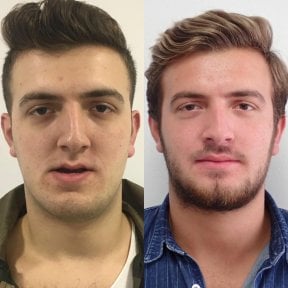
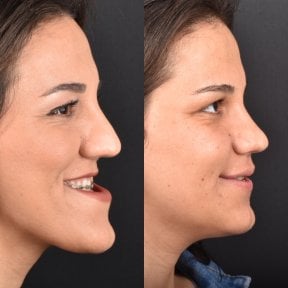
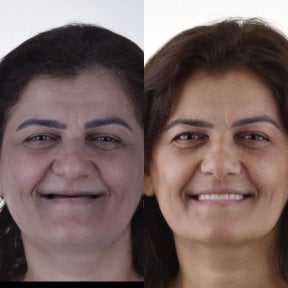
Orthognathic surgery before and after results at Dentavie Istanbul Dental Clinic, jaw correction
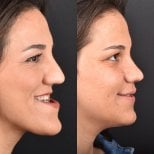
Before and after orthognathic surgery results at Dentavie Istanbul Dental Clinic, improved smile
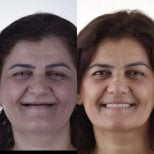
Before and after orthognathic surgery results at Dentavie Istanbul Dental Clinic, jaw alignment
Orthognathic surgery before and after results at Dentavie Istanbul Dental Clinic, jaw alignment
5.0
(2 reviews)
15 years of experience

SARPE Orthognathic Surgery Under Local Anesthesia — By University Faculty Surgeon, Transfers Included

Dr. Abdulsamet Kundakcioglu, who presented his doctoral research at the American Maxillofacial Surgery convention, brings a PhD-based approach from Istanbul University. He performs SARPE for approximately $5,764, a cost covering key consultations, local anesthesia, and regular transfers. The procedure is offered at Dentavie Istanbul Dental Clinic, which has extensive experience treating 3,600 international patients annually. Dr. Kundakcioglu's research applies finite element analysis to osteotomy stabilization for precise planning.

You’ve viewed 1 of 8 packages

Discover the Best Orthognathic surgery Clinics in Turkey: 8 Verified Options and Prices

The Bookimed clinic ranking is based on data science algorithms, providing a trusted, transparent, and objective comparison. It takes into account patient demand, review scores (both positive and negative), the frequency of updates to treatment options and prices, response speed, and clinic certifications.
Memorial Bahçelievler Hospital
Anadolu Medical Center
Medical Park Göztepe Hospital Complex
Hisar Hospital Intercontinental
Memorial Şişli Hospital
You’ve viewed 5 of 45 clinics

Orthognathic surgery in Turkey: Your Travel Plan

Day 1: Arrival in Turkey
  • You will be greeted at the airport with a VIP pickup service and taken to your accommodation.
  • Ensure you have all necessary documents and identification for a smooth hotel check-in.
  • Get settled in and rest after your flight. It's important to be well-rested for the upcoming procedures.
  • Contact the clinic to confirm your arrival and schedule for the following days.
Day 2: Initial Consultation and Preparations
  • You need to visit the clinic for your initial consultation with the maxillofacial surgeon.
  • Undergo diagnostic imaging such as 3D intraoral scans, panoramic film tomography, and CBCT scans to assess your jaw structure.
  • Discuss the treatment plan, including the sliding genioplasty, sagittal split ramus osteotomy, and Le Fort 1 piece procedures.
  • Receive a comprehensive explanation of the surgery, including AI simulation of the expected results.
  • Complete any necessary pre-surgical preparations, including blood tests and consultations with the anesthesiologist.
  • Ensure you understand dietary restrictions and medication guidelines leading up to the surgery.
Day 3: Surgery Day
  • You should arrive at the hospital early in the morning for your orthognathic surgery, which will be performed under general anesthesia.
  • The surgery will take approximately 4-6 hours, utilizing AI digital guides for precision and efficiency.
  • Expect the use of KLS Martin German plates for jaw fixation to ensure high standards in surgical procedures.
  • After surgery, you will be monitored in the hospital for a two-night stay to ensure proper recovery and address any immediate postoperative needs.
Day 4-5: Hospital Recovery
  • Remain in the hospital under observation, with 24-hour nurse supervision to monitor your recovery.
  • Adhere to post-operative care instructions, including dietary restrictions and pain management protocols.
  • Engage in light activities as advised by your healthcare team, avoiding any strenuous activities.
  • Communicate any discomfort or concerns to the medical staff promptly.
Day 6-10: Post-Surgery Checkups and Recovery
  • Attend follow-up appointments at the clinic for thorough checkups and to monitor your healing progress.
  • Receive guidance on oral hygiene and care for your surgical sites.
  • Maintain a soft diet and follow any additional dietary recommendations provided by your surgeon.
  • Participate in regular video calls, scheduled biweekly, for continuous follow-up care and to address any concerns.
  • Rest and allow your body to heal. Avoid smoking and alcohol as they can impede recovery.
Day 11-12: Final Checkups and Preparations for Departure
  • Undergo final examinations and consultations with your surgeon to ensure you are ready for travel.
  • Receive detailed post-operative care instructions for when you return home.
  • Discuss any potential complications or symptoms to watch for as you continue your recovery.
  • Confirm transportation arrangements for your journey back home.
Day 13: Departure from Turkey
  • Check out from your accommodation and prepare for your flight home.
  • Ensure you have all necessary medications and instructions for post-operative care during your travel.
  • Contact the clinic if you have any last-minute questions or concerns before leaving.
  • Reflect on your experience and the improvements to your jaw alignment and facial symmetry.
Post-Return Home: Ongoing Recovery and Follow-Up
  • Continue to follow your surgeon's instructions for post-operative care, including any prescribed medications and dietary guidelines.
  • Attend scheduled follow-up appointments with your local healthcare provider to monitor your recovery.
  • Maintain regular communication with the clinic through video calls or emails if needed for ongoing support.
  • Gradually resume normal activities as advised by your healthcare team. Take care to avoid any activities that may hinder your recovery.
  • Celebrate the improvements in your jaw function and facial aesthetics. Enjoy the

Bookimed, a leading global medical tourism platform, is committed to helping clients looking for Orthognathic surgery in Turkey by offering expert assistance and trustworthy medical solutions for every situation. Smart automatic ranking system is used to compose transparent clinic listings, meticulously maintained by a data scientist using AI for accuracy. The platform guarantees authenticity by publishing reviews from real patients after their treatments. Bookimed offers comprehensive medical solutions, with updates from clinics to ensure trustworthiness. The content about Orthognathic surgery in Turkey, crafted by experienced medical authors and reviewed by specialists, adheres to Bookimed"s Editorial Guidelines, reflecting the platform"s commitment to delivering high-quality and clear health information. For more details or inquiries, feel free to contact us at marketing@bookimed.com or learn more about us and our mission here.

Our Trusted Doctors

View all Doctors
verified

Hasan Sahin

20 years of experience

Performed over 12,000 aesthetic surgeries, including complex craniofacial procedures, at Hisar Hospital Intercontinental.

  • Specializes in orthognathic and craniofacial surgery
  • Trained at GATA and İzmir Dokuz Eylül University
  • Expert in microsurgical techniques for precise results
  • Performs both aesthetic and functional reconstructive procedures
verified

Tayfun Apuhan

28 years of experience • 4000+ treatments performed

Prof. Tayfun Apuhan has over 28 years of experience of experience in ENT and head and neck surgery, specializing in functional and aesthetic nasal procedures.

  • Trained in head and neck surgery at The Ohio State University
  • Performs endoscopic and computer-assisted sinus surgeries
  • Published over 200 scientific works in ENT and head surgery
  • Founder of ENT department at Hisar Hospital Intercontinental
verified

Abdulsamet Kundakcioglu

15 years of experience

Dr. Kundakcioglu specializes in precise jaw correction – his Orthognathic Surgery Symposia at the Royal College of London advanced his techniques.

  • Trained at Istanbul University – one of Turkey's top dental schools
  • Expert in custom implants for personalized jaw reconstruction
  • Member of International Association of Oral and Maxillofacial Surgery
  • Published research on maxillofacial trauma and surgical outcomes
verified

Furkan Erol Karabekmez

27 years of experience

Dr. Furkan Erol Karabekmez specializes in aesthetic and reconstructive surgeries, bringing precision to each procedure.

  • Expert in breast lift and rhinoplasty procedures
  • Skilled in tummy tuck and liposuction techniques
  • Performs double eyelid surgery with attention to detail

Reviews about Bookimed: Discover Patients' Insights

All reviews
Anonymous • Deep Plane Facelift
Spain
Jul 13, 2026
Verified review.
If you’re considering a deep SMAS facelift, my main piece of advice is to take great care when choosing the clinic itself. Personally, I was very impressed by the doctor and the staff. Before the operation, the surgeon marked out the incision lines and examined me personally afterwards. The coordinator was also in constant contact. My operation involved the neck and lower face, plus lipofilling under general anaesthetic. At the moment, I feel pretty much as I expected. There were no additional costs. However, my overall impression of the clinic is average, which is why my overall rating isn’t very high. So my main advice to future patients is to find out more about the clinic in detail!
The coordinator was always available. No bruising at all – it’s even a bit suspicious; I’m not sure what treatment I actually had. Perhaps it was SMAS rather than deep plane.
The consultation with the doctor took place in his office, not at the clinic! The operation was carried out at the old city hospital! The doctor said very little about the operation, and particularly about the risks! There were far more incisions and stitches than had been agreed during the consultation!
Joseph • Orthognathic surgery
United States of America
Jan 5, 2025
Verified review.
Her and her team were fantastic
I had initially gone to Turkey to consult with a dental clinic there. The initial clinic consultation went a direction that didn't want to go to meet my needs. Bookimed was able to quickly arrange more consultations with other clinics and Bahcelievler Memorial Hospital. I really liked the dental staff and the vision/action plan proposed by Bahcelievler. I quickly decided that they were the best option of all my consultations there in-country. Due to the severity of my dental needs, the Chief of Dentistry (Dr. Esma Sonmez) personally took my case. Her and her team were fantastic. She highly recommended the oral surgeon, part of the hospital, Dr. Celal Gondirll. I highly recommend both of them. Mr. Gondirll communicated clearly the game plan, successfully followed through with a well-performed surgery, and was available for after-care. I needed 24 crowns, with temporaries installed prior to the jaw surgery, and permanents installed post-surgery. Dr Sonmez performed all the crowns herself. In all, everything went very well. My hospital medical coordinators, Ms. Rose and Mr. Masoud, did a great job of coordinating the activities, hospital stay, hotel stay, and shuttle services. It has only been about a week and a half post-surgery, but I am very pleased with the results. I'm sure things will only improve more as the swelling subsides in the coming weeks. None of it would have been possible without my Bookimed coordinator, Winnington, quickly pivoting after my initial consultation going south and arranging the consultation with the hospital. An additional point to mention is that Bahcelievler Memorial Hospital was able to perform all the needed services at a significantly cheaper price. Dr. Sonmez is also very conservative in her approach to dental care and was able to successfully avoid 12 root canals that my initial dental clinic consultations had deemed "required." I would strongly suggest adding a consultation with the hospital prior to finalizing any action plan. Thank you!
The hospital team: Dr. Esma Sonmez and Dr. Gondirll.
There was some confusion and anxiety at times about shuttle arrangements. Everything worked out pretty well, though.
About Bookimed service
I would definitely recommend Bookimed for all international medical coordination needs.
Sergei Macanovs • Orthognathic surgery
Iceland
Oct 30, 2025
Verified review.
Everything's super.
agreement
There's no such thing
About Bookimed service
Everything's great.

Related Articles

Share this content

Video Stories from Bookimed Patients

Dayana
I combined my vacation in Antalya with a check-up.
Procedure: Female check-up
Igor
It was great! Transfers, accommodation, treatment—all included.
Procedure: Dental Implant
Marina
Bookimed did everything for me. I didn't have to worry about anything.
Procedure: Female check-up
Updated: 07/13/2026
Authored by
Anna Leonova
Anna Leonova
Head of Content Marketing Team
A certified medical writer with 10+ years of experience, developed Bookimed’s trusted content, backed by a Master’s in Philology and medical expert interviews worldwide.
Fahad Mawlood
Medical Editor & Data Scientist
General practitioner. Winner of 4 scientific awards. Served in Western Asia. Former Team Leader of a medical team supporting Arabic-speaking patients. Now responsible for data processing and medical content accuracy.
Fahad Mawlood Linkedin
This page may feature information relating to various medical conditions, treatments, and healthcare services available in different countries. Please be advised that the content is provided for informational purposes only and should not be construed as medical advice or guidance. Please consult with your doctor or a qualified medical professional before starting or changing medical treatment.

Our Orthognathic surgery Techniques: What Suits You Best?

When considering Orthognathic surgery, it’s important to understand the different techniques and which is best suited for you. Here’s a concise comparison of popular options:

Mandibular osteotomy

A surgical procedure to realign the lower jaw to improve bite and facial symmetry.

Pros: Enhances facial symmetry and improves bite function. Over 90% success rate in achieving desired jaw alignment.
Cons: Requires a recovery period and potential for temporary numbness. Possible swelling lasting several weeks.
Effectiveness: Success rate exceeds 90% in correcting malocclusion and facial asymmetry.
Duration: 2-4 hours
Recovery: 6-8 weeks
Best for: Correcting malocclusion and facial asymmetry. Ideal for patients with severe jaw misalignment.
Prices: Cost of Mandibular osteotomy in Turkey from $5,700

All You Need to Know about Orthognathic surgery in Turkey

Medical Disclaimer: This article is for informational purposes only and is not medical advice. Always consult a qualified healthcare provider before any medical decisions. Results may vary. Read the full disclaimer

Am I a Candidate for Orthognathic Surgery?

Braces move teeth. They cannot move the jawbones underneath. If your bite problem is skeletal, jaw surgery in Turkey is the reconstructive fix, not a cosmetic one. The AAOMS Parameters of Care classify jaw surgery as reconstructive. The threshold is a skeletal deviation of at least two standard deviations from cephalometric norms. That's the same threshold US insurers use to approve coverage.

The bite triggers doctors look for are measurable, not subjective. Mayo Clinic frames the decision the same way: surgery enters the picture when orthodontics alone can't close the gap.

Diagnostic parameter

Measurement threshold

Functional impairment

Overjet (Class II)

OJ ≥ 6 mm

Chewing difficulty, lip incompetence

Reverse overjet (Class III)

ROJ ≥ 3 mm

Speech, incisor wear

Anterior open bite

≥ 2 mm

Inability to bite through food

Deep overbite

≥ 7 mm

Palatal trauma, pain in the jaw joint

Obstructive sleep apnea

AHI ≥ 15 after 90-day PAP trial

Airway resistance

Chewing difficulty, pain in the jaw joint, and airway issues are the practical signs. Brace-only correction rarely resolves them, per the same AAOMS parameters. A full structural jaw procedure in Turkey runs $8,000 – $11,000, while pure jaw-shaping packages start near $3,000. The price gap itself separates a structural case from a cosmetic one. Compare that to $25,000 – $45,000 in the US, and the savings on a reconstructive case reach 65% – 75%.

If you're on the fence, Bookimed's top-ranked Turkish clinics can review your cephalometric scans first.

Bite thresholds aren't the whole story. Surgery is deferred for patients with active oral infections, uncontrolled bleeding disorders, unmanaged body dysmorphic disorder, or incomplete skeletal growth. The age floor sits around 16 for the lower jaw and 18 for the upper jaw. A full pre-op work-up flags these before scheduling.

How Long Should I Plan to Stay in Turkey After Jaw Surgery?

Stay length isn't a marketing number. It's dictated by which bones the surgeon touches. Upper-jaw surgery opens the maxillary sinus. Lower-jaw surgery does not. That single anatomical fact drives the entire travel window for jaw surgery in Turkey.

Changes in cabin pressure can cause trapped air in the maxillary sinus to expand. After upper-jaw surgery that raises the risk of barosinusitis, pain, and nosebleeds. For this reason, surgeons treat the timing of air travel as part of the postoperative plan. It is not simply a travel arrangement.

Surgery type

In-country stay

Sinus precautions

Le Fort I / bimaxillary

At least 4 weeks

No flying, no scuba, no straws, no forceful nose-blowing

Isolated BSSO / SSRO (lower jaw)

10 – 14 days

Cleared once airway swelling resolves

Genioplasty only

7 – 10 days

Surgeon-led, based on swelling

The NHS post-op sheet is explicit that swelling and airway status set the return-flight date, not a fixed calendar. Several Istanbul packages on Bookimed already build in the longer stay.

  • Dentavie Istanbul Dental Clinic runs a 20-day double-jaw program. That sits between the 7 – 10 day marketing timeline and the 4-week clinical minimum.
  • Memorial Bahçelievler Hospital is JCI-accredited and equipped for full inpatient recovery. That suits upper-jaw plans needing a longer sinus-healing window. It carries a 4.6/5 rating from 113 verified patient reviews.

Either way, book the return flight only after the operating surgeon signs off, never against a promotional package date.

How to Line Up Orthodontic Care Before and After Surgery

Jaw surgery is one stage of a longer orthodontic treatment plan. Before you fly, expect 12 – 18 months of pre-surgical decompensation in braces, done locally with your home orthodontist. After you return, plan for 6 – 9 months of bite finishing to stabilize the result. That follows accepted oral and maxillofacial surgery timelines.

There is one catch worth planning around. Many US, UK, and Australian orthodontists decline to run that post-surgical phase for patients treated abroad. The reasons are practical rather than personal.

  • Legal liability for a case they did not plan.
  • Non-standard fixation hardware they cannot always match.
  • The NHS "Avoidance of doubt" policy funds only emergency stabilization. That covers draining infection, treating acute pain and removing loose hardware, but not ongoing refinement.

The British Orthodontic Society permits transfer of care for patients under 18. Adults face strict clinical-necessity criteria and long waits.

So get a signed coordination letter from your home orthodontist before you book the surgical trip. That letter is the single item that unblocks post-op finishing back home. Dentavie Istanbul Dental Clinic builds this step into its double-jaw package. An orthodontist consultation covers the documentation and the handoff to your home orthodontist.

How to Choose a Qualified Orthognathic Surgeon in Turkey

Corrective jaw surgery in Turkey ranges from full reconstructive programs to cosmetic contouring packages. The price gap isn't the only thing that separates them. The vetting checklist below is.

Facility and surgeon credentials

Two things to check before anything else, in this order.

  • The hospital. JCI accreditation is the strongest facility-level signal, because it audits patient-safety systems rather than marketing. Clinics Bookimed coordinates with in Istanbul carry it. Anadolu Medical Center holds JCI, ISO, and a Newsweek World's Best Hospitals 2026 listing. On Bookimed, the clinic carries a 4.6/5 rating from 405 verified patient reviews.
  • The surgeon. Look for board certification through the Turkish Association of Oral and Maxillofacial Surgery. Membership of the International Association of Oral and Maxillofacial Surgeons is a plus. The American Board of OMFS treats board certification as the core signal. It means training and safety standards were independently verified.

Planning technology and fixation

3D cone-beam CT and Virtual Surgical Planning belong inside the package, not as an upcharge.

  • Planning accuracy. A systematic review of virtual planning with 3D cutting guides found it improves osteotomy accuracy and shortens operating time.
  • Current standard. CAD/CAM planning is now standard in top-tier centers for double-jaw and Le Fort I cases.
  • Fixation hardware. Titanium rigid internal fixation heals without reported complications more often than resorbable plates, as the table below shows.

Fixation type

Successful healing rate

Titanium rigid internal fixation

91.4%

Resorbable plates

81.7%

Package scope and consent language

Price is the first tell. The paperwork is the second.

  • The price floor. Structural corrective jaw packages in Turkey start around $8,000. Cosmetic jaw-shaping and V-line contouring drop below $3,500. That floor is the numeric tell.
  • What a package covers. A representative structural package at $11,000 covers 3D dental and facial scans, an orthodontist consultation, general anesthesia, and airport transfer.
  • Paperwork in your own language. Turkey's Regulation on International Health Tourism requires the consent form in the patient's own language. Both the patient and the treating doctor must sign it. Findings, test results and discharge papers must be prepared in that language too. Ask for all of it before you sign anything.

What Recovery Looks Like in the First 6 Weeks

Patients spend only a short time in the hospital, with most of the recovery taking place afterward. Plan for 1 – 2 nights in the hospital, then 5 – 12 nights in a nearby hotel. Keep a caregiver in the room for the first few days. It's standard, not optional.

Days 1 – 3: swelling and hospital stay

Swelling and bruising peak 48 – 72 hours after surgery. NHS post-op guidance recommends cold packs in 20-minute on/off intervals for the first three days. Switch to warm compresses only after day 7. This is when a room-mate matters. You'll need help with fluids, medications, and getting up.

Weeks 1 – 6: no-chew diet in a hotel

NHS post-op protocols require no chewing motion for a full 6 weeks so the osteotomy can regain baseline structural strength. Suction from a straw is off-limits for 4 weeks because it can trigger bleeding and disrupt sinus healing. To help maintain calorie and protein intake during this period, NHS guidance recommends enriching liquids and soft foods. One example is adding skim milk powder to full-cream milk for use in soups and smoothies.

The examples below can help you plan meals while avoiding ingredients that may leave hard or fibrous pieces.

Blend-friendly foods

Ingredients to avoid in the blender

Fortified milk soups, pureed potato, smooth yogurt

Celery, green beans, muesli

Blended fish, egg custard, oatmeal

Nuts, seeds, sausages

Silken tofu, banana smoothies

Sweetcorn, cabbage

Oral care and infection prevention

Diet is only one part of recovery. Good oral hygiene is equally important for reducing the risk of infection and supporting healing.

  • Warm-saline rinses every 2 hours.
  • Chlorhexidine antiseptic via a plastic syringe after every meal.
  • A soft baby toothbrush around the incisions.

What to Expect With Numbness After Jaw Surgery

Numbness in the lip or chin is the single most common short-term after-effect of jaw surgery. The osteotomy runs alongside branches of the trigeminal nerve. It's expected, temporary for most, and follows a well-mapped recovery curve.

The risk depends on which jaw is operated on. A review of 579 orthognathic cases measured both. After upper-jaw Le Fort I surgery, about 16% of patients had initial numbness of the infraorbital nerve. After lower-jaw BSSO or SSRO surgery, initial numbness of the inferior alveolar nerve reached 31.6% – 39.3%.

Fortunately, most patients recover sensation within six months.

Surgery type

Recovery of sensation at 6 months

Le Fort I (upper jaw)

94.4%

BSSO / SSRO (lower jaw)

92.9%

About 85% of that recovery happens in the first three months. Final stabilization is possible up to a year after surgery. The same review found that a mandibular advancement of 5 mm or more is the strongest independent risk factor. That's exactly why 3D planning and Virtual Surgical Planning matter. They let the surgeon keep the movement smaller when the anatomy allows. Low-level laser therapy, early corticosteroids, and vitamin B supplementation are documented adjuncts. Their effects on nerve recovery are variable but generally favourable.
FAQ about Orthognathic surgery in Turkey

These FAQs come from real patients seeking medical assistance through Bookimed. Answers are given by experienced medical coordinators and trusted clinic representatives.

Is orthognathic surgery in Turkey safe?

Orthognathic surgery in Turkey is safe when performed by maxillofacial surgeons at Joint Commission International (JCI) accredited hospitals. Success rates average 85% to 95% due to advanced 3D facial scanning and piezoelectric bone cutting tools, which minimize nerve trauma and ensure precise alignment.

  • Surgeon credentials: Top specialists hold European Board (EBOPRAS) or Royal College of London certifications.
  • Clinical technology: Surgeons use 3D-guided planning to simulate dental and facial outcomes before operating.
  • Facility standards: Leading centers like Memorial Bahçelievler maintain JCI accreditation and ISO international safety standards.
  • Recovery support: Multi-disciplinary teams including orthodontists and anesthesiologists coordinate 1–2 days of supervised hospitalization.

Bookimed Expert Insight: Data shows a significant safety advantage at university-affiliated clinics or large hospital complexes like Memorial or Anadolu. While boutique dental clinics offer lower prices, hospital-based surgeons like Dr. Abdulsamet Kundakcioglu provide integrated access to emergency care and anesthesiology. This infrastructure is critical for double-jaw cases requiring general anesthesia and overnight monitoring.

Patient Consensus: Patients report life-changing functional results, though many emphasize the importance of English-speaking coordinators. Those who prioritized hospital-based care over budget dental-only clinics felt more secure during the demanding initial recovery week.

What are the main risks involved in orthognathic surgery?

Orthognathic surgery is generally safe with success rates between 90% and 95%. Primary risks include temporary nerve numbness in 50% of patients, minor infections in 1% to 10%, and a 4% to 6.4% relapse rate where the jaw shifts back. Most complications are manageable with proper surgical planning.

  • Nerve sensation: Temporary lower lip or chin numbness affects half of patients during early recovery.
  • Infection risk: Smokers face a 14.4% infection rate compared to 7% for non-smokers.
  • Hardware issues: Approximately 15.5% of patients experience irritation from surgical plates and screws.
  • Structural risks: Unfavorable bone fractures occurs in 1% to 5% of mandibular procedures.

Bookimed Expert Insight: While single-jaw procedures are common, 3600 patients annually at specialized Istanbul clinics prioritize 3D facial scanning. This technology helps surgeons like Dr. Abdulsamet Kundakcioglu at Dentavie Istanbul Dental Clinic map nerve pathways. Detailed mapping significantly reduces the risk of permanent sensory loss during complex double-jaw movements.

Patient Consensus: Patients emphasize that facial swelling can persist for 3 to 6 months. Many stress the importance of choosing JCI-accredited hospitals that provide English-speaking staff to manage post-operative pain effectively.

How long is the recovery period after orthognathic surgery?

Primary recovery after orthognathic surgery in Turkey typically takes 6 weeks for initial bone fusion. Patients generally return to work within 2 to 4 weeks. Full stability and final aesthetic results require 6 to 12 months as nerves heal and swelling completely subsides.

  • Hospital stay: Most Turkish packages include 1 to 3 days of inpatient monitoring.
  • Initial swelling: Inflammation peaks during days 1–3 and mostly fades by week 6.
  • Dietary transition: Patients follow a liquid diet initially, moving to soft foods at week 6.
  • Nerve recovery: Sensation in the lips and chin typically returns within 3 to 9 months.

Bookimed Expert Insight: Data from top Istanbul clinics shows a trend toward using 3D facial scanning for pre-operative planning. Surgeons like Dr. Abdulsamet Kundakcioglu at Dentavie Istanbul Dental Clinic use these scans to shorten surgery time. Reduced time under anesthesia often leads to less immediate post-operative swelling and a smoother first week of recovery.

Patient Consensus: The first 3 weeks are physically intense due to significant facial swelling and numbness. Many patients emphasize stocking up on liquid nutrition and using ice packs diligently during the first week to manage discomfort.

Do I need braces before and after the surgery?

Most patients require orthodontic braces both 6–18 months before and 6–12 months after orthognathic surgery in Turkey. Pre-surgical braces align teeth within each jaw, while post-surgical orthodontics fine-tune the bite. Surgeons like Dr. Abdulsamet Kundakcioglu use 3D facial scans to coordinate these movements.

  • Pre-surgical phase: Braces align teeth over 12–18 months to prepare for jaw repositioning.
  • Surgical stabilization: Braces remain on during surgery to help secure the jaw via hooks.
  • Post-surgical refinement: Orthodontists adjust the final bite alignment for approximately 6–12 months post-op.
  • Treatment exceptions: Surgery-first approaches exist but require specific dental criteria and expert surgeon approval.

Bookimed Expert Insight: Coordination between your home orthodontist and the Turkish surgeon is the most overlooked success factor. Many Turkey-based packages, such as those at Dentavie Istanbul Dental Clinic, focus primarily on the surgical intervention. Since the total timeline spans 2–3 years, you must ensure your local orthodontist is willing to work with a plan designed by a Turkish maxillofacial expert.

Patient Consensus: Patients emphasize that while the pre-surgery phase may temporarily make the bite look worse, this alignment is vital for the surgical result. Many highlight that choosing a hospital-based team, like at Memorial Bahçelievler, helped streamline the complex coordination between dental and surgical specialists.

Will there be visible scars on my face after orthognathic surgery?

Most patients will not have visible facial scars after orthognathic surgery because Turkish surgeons typically perform 100 percent intraoral incisions. Accessing the jaw through the gums and inner cheeks ensures all surgical marks remain hidden inside the mouth during standard double-jaw procedures.

  • Surgical approach: Surgeons utilize mucosal incisions above the teeth to entirely hide scars from view.
  • Genioplasty marks: Optional chin adjustments may require a tiny 2 cm incision under the chin.
  • Advanced technology: Clinics like Dentavie Istanbul Dental Clinic use 3D-guided planning to minimize tissue trauma.
  • Healing timeline: Internal mucosal tissue typically heals within 2 to 3 weeks without external traces.

Bookimed Expert Insight: While many assume lower costs mean different techniques, our data shows top Istanbul clinics actually utilize higher-end technology like endoscopic towers and intraoperative 3D imaging. Dr. Eren Pera at Hospitaprime Clinic even uses same-day digital splint fabrication. These precise tools allow for smaller internal openings, which reduces the lip stretching and swelling often mistaken for permanent scarring in the early weeks.

Patient Consensus: Patients report that while initial swelling can be intense, the lack of any external cuts makes the final result look completely natural. Many recommend getting a scar gel kit if elective chin work is added to ensure the small sub-mental mark fades quickly.

Can I travel to Turkey alone for orthognathic surgery?

Traveling alone to Turkey for orthognathic surgery is possible but requires careful planning due to the intensive 10-14 days initial recovery period. Most successful solo travelers choose all-inclusive packages at JCI-accredited facilities like Memorial Bahçelievler Hospital to ensure 24/7 medical supervision and professional assistance with daily tasks.

  • Hospital stay: Expect 1-2 days of inpatient care for monitoring and pain management.
  • Language support: Leading clinics provide international coordinators and translators for non-Turkish speakers.
  • Managed logistics: All-inclusive plans bundle VIP airport-hotel-clinic transfers to avoid navigating transit alone.
  • Recovery timeline: Plan to stay 7-10 days before flying to ensure wound stability.

Bookimed Expert Insight: While solo travel is doable, a major differentiator for safety is the level of post-operative housing included. Packages from providers like Dentavie Istanbul Dental Clinic offer up to 20 nights in 4-star hotels. This extended stay is crucial because patients often report being unable to perform basic hygiene or prepare liquid meals without help during the first week.

Patient Consensus: Many patients strongly advise having a companion because intense swelling and nausea can make the first 3 days feel overwhelming. Those who went alone emphasized hiring a private nurse or choosing a clinic with proactive coordinators to avoid feeling isolated during recovery.

What should Australians know about orthognathic surgery in Turkey regarding surgeon qualifications and clinic standards?

Orthognathic surgery in Turkey is performed by highly trained maxillofacial surgeons, often in JCI-accredited hospitals ensuring international standards. Clinics like Dentavie Istanbul Dental Clinic have specialists with advanced training and symposium participation, while facilities such as Memorial Bahçelievler Hospital offer verified safety and quality.

  • Surgeon qualifications: Oral and maxillofacial surgeons with PhDs and symposium experience.
  • Clinic standards: JCI-accredited hospitals like Memorial Bahçelievler ensure global safety.
  • Advanced planning: 3D facial and dental scans support precise surgical outcomes.
  • Support services: English-speaking staff and airport transfers included in top packages.
  • Hospital stays: Typically 1–2 nights hospital, with post-op recovery monitored.

Bookimed Expert Insight: Dentavie Istanbul Dental Clinic’s Dr Abdulsamet Kundakcioglu stands out with specialised maxillofacial credentials and participation in London symposia, reflecting expert care. Meanwhile, top JCI-accredited hospitals like Memorial Bahçelievler offer extensive patient volumes and modern facilities, giving Australians robust clinic and surgeon options in Istanbul.

Patient Consensus: Patients report smooth communication and clear surgical plans in Turkey. Many highlight the high skill level and good coordination, making it easier to trust their care while abroad. Recovery stays at JCI hospitals add comfort, and English-speaking staff help Aussie patients settle in quickly.

What is the typical recovery timeline for Australians having orthognathic surgery in Turkey?

Orthognathic surgery recovery in Turkey requires a minimum 10-day stay, including 2 nights in hospital. Swelling peaks in the first week and mostly resolves in 1-2 months. Patients need a liquid or soft diet for 4-6 weeks, with numbness possibly lasting up to a year.

  • Hospital stay: Typically 1–3 days depending on surgery type and package.
  • Initial swelling: Peaks around day 3, eases significantly by week 2.
  • Diet: Liquid or soft food required for at least 4 to 6 weeks.
  • Follow-up: Surgeon and orthodontist consultations continue for 6-12 months.
  • Return travel: Recommended after 10–14 days to avoid flight risks.

Bookimed Expert Insight: Many Turkish clinics like Dentavie Istanbul Dental Clinic schedule surgery around day 3, with follow-ups during the 10–15-day stay. Packages often include hospital stays and some transfers, but accommodation is typically separate. This length matches recommended post-op recovery before Australians take long-haul flights home.

Patient Consensus: Patients say staying 10 to 15 days in Turkey helps manage swelling and energy levels. Having someone accompany them during early recovery also makes daily care easier. They rely heavily on protein shakes and soft foods, and note numbness can linger but improves over time.

Do Australians need orthodontic treatment before travelling to Turkey for orthognathic surgery?

Australians usually need orthodontic treatment like braces before orthognathic surgery in Turkey. This aligns teeth properly, making sure the jaws meet correctly after surgery. The pre-surgical phase typically lasts 4–8 months, plus ongoing follow-up after surgery for stable results. Coordination with local orthodontists is essential.

  • Pre-surgical orthodontics duration: 4–8 months with braces or Invisalign.
  • Post-surgery follow-up often lasts up to 1 year for healing and teeth adjustment.
  • Turkish surgeons require well-aligned teeth before surgery to ensure effectiveness.
  • Typical treatment includes surgery stay in Turkey plus ongoing orthodontics at home.
  • Close teamwork between orthodontist and surgeon improves surgical outcomes.

Bookimed Expert Insight: Australians opting for surgery in Turkey benefit from starting orthodontic treatment locally to avoid delays. Turkey’s top clinics, like Dentavie Istanbul Dental Clinic, work closely with orthodontists, combining surgery with thorough pre-op teeth alignment. Packages often include consultations with orthodontists and surgeons to streamline care.

Patient Consensus: Australians say starting braces before Turkey surgery is vital and saves time. Many continue follow-up treatment in Australia. They value clear communication between local and Turkish specialists for smooth results and quicker recovery.

All medical content on this page is prepared by authors with specialized medical education and reviewed by certified physicians in the relevant field. Medical review by Fahad Mawlood, Medical Editor & Data Scientist.

Last updated: July, 2026.

  • Statistics: Figures are based on Bookimed’s internal database July 2026, which includes analysis of 12,450 patient requests across 8 accredited clinics in Turkey.
  • Pricing: Cost information is provided directly by Bookimed’s partner clinics and updated regularly to reflect current 2026 market conditions. Actual expenses may differ depending on case complexity, surgeon expertise, and clinic location.
  • Clinical Data: Treatment outcomes and patient satisfaction figures are collected from Bookimed’s verified clinic database and supported by data from peer-reviewed medical sources such as PubMed, The Lancet, JAMA, and NEJM (2023–2026).

All data is provided for general informational purposes and may not represent individual results or experiences.

Get a free consultation

Select the best way to contact you