Rotator Cuff Repair Surgery in Austria — Get 3 Top Clinic Matches with Costs
Bookimed lists 2 rotator cuff repair surgery clinics in Austria, in Vienna and Graz. These clinics are rated 4.2/5 in 21 verified patient reviews on Bookimed.

Medically reviewed by
Kayhan Turan
How Much Does Rotator cuff repair surgery Cost in Austria?
Rotator cuff repair surgery in Austria typically costs from $7,200 to $10,500. The final price depends on the clinic tier, city, and surgical technique. In the US, this procedure averages $14,300. Patients in Austria can save approximately 38%. Most surgical packages include pre-operative imaging, anesthesia, hospital stays of 2–4 nights, and follow-up consultations.
- Hospital facility tier: High-end private clinics in Vienna often charge 15-20% more than regional centers.
- Diagnostic imaging: Including advanced MRI and X-ray scans can add to the initial consultation cost.
- Inpatient stay: Most packages cover several nights in specialized orthopedic or rehabilitation wards.
- Regional hubs: Primary destinations for this surgery include medical centers in Vienna and Graz.
Bookimed Expert Insight: Choosing a top-tier facility like Döbling Private Hospital in Vienna ensures JCI-standard safety. This clinic reports complication rates significantly below nominal values for orthopedic procedures. While Leech Private Clinic in Graz offers competitive pricing around $13,850. Patients receive high-value care with modern diagnostic technology like on-site MRI and CT scans. Austria provides a perfect balance of advanced surgical expertise and structured post-operative rehabilitation.
| Turkey | Austria | Spain | |
|---|---|---|---|
| Rotator cuff repair surgery | from $2,500 | ≈ $7,200 | from $12,300 |
Your Benefits and Guarantees with Bookimed
Transparent Prices & Flexible Installments
No hidden fees – just official clinic prices. Pay at the clinic for Rotator cuff repair surgery upon arrival and use a flexible installment plan if needed.
Verified Clinics & Doctors Only
Bookimed is committed to your safety. We only work with medical institutions that maintain high international standards in Rotator cuff repair surgery and have the necessary licenses to serve international patients worldwide.
Free 24/7 Assistance
Bookimed offers free expert assistance. A personal medical coordinator supports you before, during, and after your treatment, solving any issues. You're never alone on your Rotator cuff repair surgery journey.

Your personal Bookimed medical coordinator
- Supports you at every stage
- Helps choose the right clinic and doctor
- Ensures quick and convenient access to information
Discover the Best Rotator cuff repair surgery Clinics in Austria: 2 Verified Options and Prices
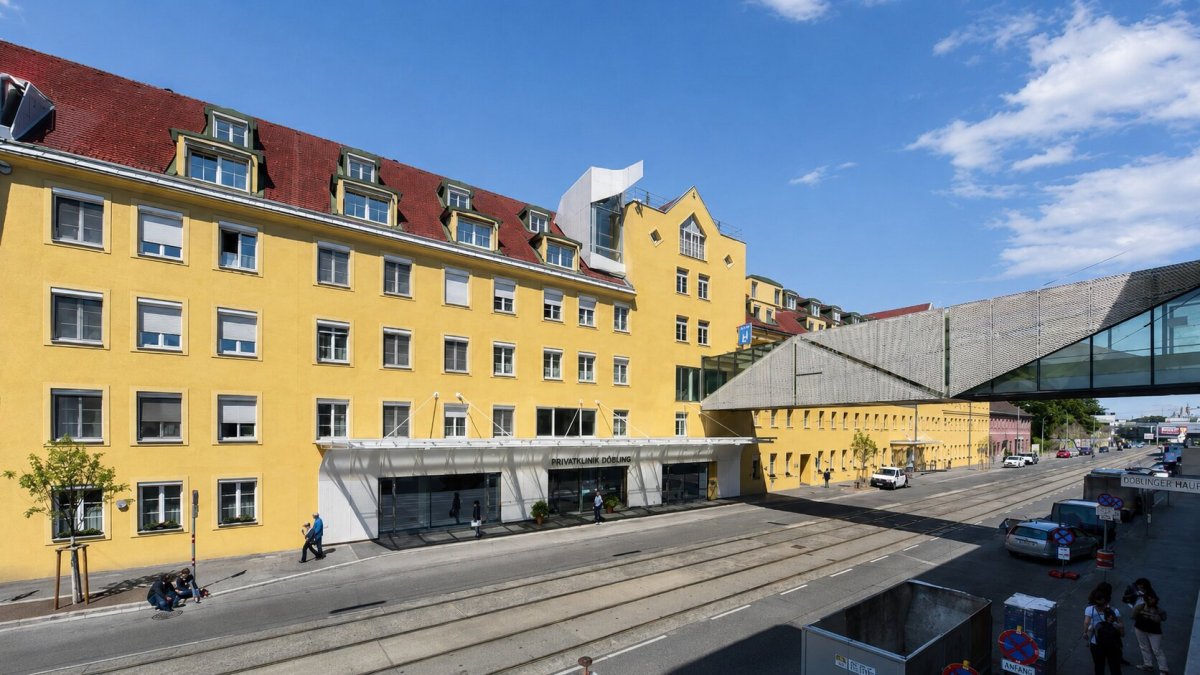


Leech Private Clinic
Rotator cuff repair surgery Overview in Austria
Day 1 - Arrival
- Arrive in the country.
- Check into accommodation (not included).
Day 2 - Pre-operation
- Consultation with the orthopedic surgeon.
- Medical tests including X-Ray and MRI.
- Physical examination and medical history review.
Day 3 - Surgery
- Admission to the clinic.
- Preparation for surgery, including anesthesia.
- Performing the Rotator cuff repair surgery (2-3 hours).
- Transfer to recovery room post-surgery.
Day 4 to 7 - Post-operation
- Stay in the clinic for monitoring.
- Pain management and wound care.
- Discharge from the clinic.
Week 1-2 - Rehabilitation
- Begin gentle range-of-motion exercises.
- Wear a sling for comfort and support.
Week 3-6 - Rehabilitation
- Start strength exercises under physiotherapist guidance.
- Gradual return to light daily activities.
Week 7 onwards - Rehabilitation
- Return to work (depending on job type).
- Gradual return to sports and strenuous activities.
- Final result visible after several months.
Please note, each patient"s recovery timeline may vary based on individual circumstances.
- Bookimed deposit: $200 or €200.
- Clinic deposit: Pay a set percentage in advance.
As the leading global medical tourism platform, we have a huge responsibility before our clients — both patients and medical centers. All the information provided on Bookimed.com is grounded in research, foresight, and expertise and meets high interest related to the product and follows:
Smart automatic ranking system
We form our listings of clinics and doctors with strict regulations of our smart automatic ranking system. The system is based on real Bookimed patient rates to provide the most objective and transparent information about clinics and medical services there.
Our experienced data scientist collects data daily, monitors and optimizes the ranking system using machine learning and artificial intelligence to ensure that the ranking system is up-to-date and provides accurate results.
Real people"s experience only
We collect the opinions of Bookimed clients only after getting medical experience with the clinic — so everyone on the platform can trust the facility they choose. We strive to make the content on our platform as useful as possible and ensure the freedom to express critical opinions. Thus, we publish positive and negative reviews, aiming at being a source for informed decision-making for our future clients.
Topics with high levels of expertise, authority, and trustworthiness
On Bookimed.com you may find choice and convenience to find the best medical solutions from top medical services providers just in one place, and often at competitive prices. Making sure to deliver the freshest information, the clinic’s representatives update doctors’ CVs, clinics’ capacities, before-after pictures, prices, packages, and specials by themselves shortly. You may meet the clinic’s representative and check the date of updated content at every clinic’s page to make sure of its trustworthiness.
Our blog and supportive pieces are created by professional authors with at least 3-year experience in medical writing and edited by medical specialists with relevant clinical and research expertise — all carefully recruited to the team. We strive to enhance patient access to health information, making it expert but easy to understand. All pieces follow the Bookimed’s Editorial Guidelines.
Rotator Cuff Repair Surgery in Austria Bookimed values
We are made of people and for people — and that"s our core value. That"s why all the data presented on the platform is collected, edited, reviewed, and updated regularly by our patients, our partner clinics, and our team, including the Bookimed Medical Advisory Board, which consists of the world-renowned doctors with value expertise over 20 years of practice, and a positive reputation. Learn more about us and our mission.
In case you find any mistake or have any questions on the information presented on Bookimed.com, please feel free to contact us at marketing@bookimed.com.
Reviews about Bookimed: Discover Patients' Insights
All reviewsShare this content
Video Stories from Bookimed Patients
 Anna Leonova
FAQ about Rotator cuff repair surgery in Austria
What are the risks and complications of rotator cuff repair surgery?
Rotator cuff repair surgery has a high success rate, typically 85% to 95% for pain relief. However, risks include tendon re-tears, joint stiffness, and infection. Patients with diabetes or those over 65 face higher healing challenges. Most procedures proceed without severe complications.
- Healing failure: Re-tear rates vary from 15% to 40% based on tissue quality.
- Joint stiffness: Frozen shoulder or adhesive capsulitis may occur due to temporary immobilization.
- Infection risk: Surgical-site infections occur in 0.5% to 1.9% of shoulder procedures.
- Nerve injury: Instrument placement occasionally causes temporary numbness in the axillary nerve.
Bookimed Expert Insight: Clinics like Döbling Private Clinic in Vienna provide surgery and rehabilitation in one location. This integration is vital because rehab compliance determines long-term success. Patients who access on-site physical therapy immediately after immobilization show better range of motion outcomes.
Patient Consensus: Many patients find that following strict sling protocols and physical therapy prevents common issues like frozen shoulder. While sleep disruption is common initially, long-term pain relief usually outweighs temporary post-operative discomfort.
What qualifications should I look for in a surgeon performing rotator cuff repair in Austria?
Qualified surgeons for rotator cuff repair in Austria must hold Facharzt status in Orthopaedics and Traumatology. Prioritize specialists with a dedicated sub-focus in shoulder surgery and arthroscopic expertise. Ensure they maintain active memberships in societies like the German-Speaking Association for Arthroscopy and Joint-Surgery.
- Specialist certification: Must be a registered specialist (Facharzt) recognized by the Austrian Medical Chamber.
- Clinical focus: Verify a primary sub-specialization in shoulder and elbow surgery rather than general orthopedics.
- Arthroscopic expertise: Surgeons should specialize in minimally invasive keyhole techniques for faster patient recovery.
- Academic affiliation: Look for consultants affiliated with teaching hospitals or centers like Leech Private Clinic.
Bookimed Expert Insight: Top-tier Austrian clinics often leverage university affiliations to ensure high-level expertise. Leech Private Clinic in Graz utilizes 67 university professors as consultants. This structure provides patients with access to specialized academic knowledge typically reserved for complex surgical cases.
Patient Consensus: Patients emphasize choosing a surgeon whose primary workload is shoulder reattachment. Clear communication in German is vital for following the strict post-operative rehabilitation instructions required for success.
What is the expected success rate and long-term outcome of rotator cuff repair surgery?
Rotator cuff repair surgery achieves high success rates, with 80% to 95% of patients reporting significant pain relief and improved shoulder function. Outcomes depend on tear size and tissue quality. Structural healing ranges from 95% for small tears to 60% for massive injuries.
- Healing timeline: Full recovery takes 9–12 months, with improvements continuing for up to 24 months.
- Long-term durability: Outcomes remain stable for 10+ years, even if minor structural re-tears eventually occur.
- Success factors: Structural integrity is higher in patients under 65, reaching 90% to 95% success.
- Functional gains: Most patients regain stable daily function and experience dramatically improved sleep quality.
Bookimed Expert Insight: Data from major Austrian hubs like Vienna and Graz shows a preference for multidisciplinary centers. Facilities like Dobling Private Clinic integrate on-site diagnostics and rehabilitation. This continuity is vital because many patients see gains for 2 full years. Integrated care reduces the risk of re-injury during the late recovery phase.
Patient Consensus: Success is often defined as returning to daily activities without pain rather than perfect athletic performance. Patients warn that feeling fine early on can be deceptive, as re-tears frequently occur when resuming aggressive activity too soon.
How long is the recovery and rehabilitation period after rotator cuff repair?
Rotator cuff repair recovery takes 9 to 12 months for full tissue remodeling. Patients wear a sling for 4 to 6 weeks to protect the tendon reattachment. Meaningful functional improvement typically occurs by 6 months, though full strength restoration can take up to 24 months.
- Protection phase: Wear a sling for 4 to 6 weeks to ensure tendon-to-bone healing.
- Initial mobility: Gentle passive range-of-motion exercises usually begin by week 2 to prevent stiffness.
- Functional return: Meaningful improvement in daily arm use typically occurs within 4 to 6 months.
- Strengthening protocol: Rehabilitation requires consistent weekly clinical therapy and mandatory daily home exercises.
Bookimed Expert Insight: Austria excels in integrated recovery. Clinics like Döbling Private Clinic and Leech Private Clinic provide diagnostics, surgery, and specialized rehabilitation wards in one location. This continuity of care often streamlines the transition from surgery to intensive physical therapy, which is vital for long-term success.
Patient Consensus: Success depends on maintaining realistic long-term expectations. Progress is measured in months, not weeks, and skipping daily exercises often stalls recovery, even when pain levels decrease.
What surgical techniques are used for rotator cuff repair in Austria?
Austrian orthopedic centers primarily utilize arthroscopic minimally invasive techniques for rotator cuff repair. Surgeons employ single-row or double-row suture-anchor fixation using PEEK or bio-composite implants. Complex cases may involve Superior Capsular Reconstruction (SCR), tendon transfers, or reverse shoulder arthroplasty at specialized facilities in Vienna and Graz.
- Primary approach: Arthroscopic repair uses small punctures and specialized instruments for tendon reattachment.
- Fixation methods: Surgeons use knotless footprint fixation and suture-bridge configurations for structural strength.
- Biological augmentation: Collagen patches or bone marrow stimulation promote faster biological tendon-to-bone healing.
- Combined procedures: Repairs frequently include subacromial decompression, biceps tenodesis, or distal clavicle resection.
Bookimed Expert Insight: Clinics like Döbling Private Clinic in Vienna provide comprehensive orthopedic care. They integrate diagnostics, surgery, and rehabilitation in one facility. This streamlined approach supports better outcomes for international patients. Many Austrian specialists prioritize biological grafts for patients with low-quality tissue.
Patient Consensus: Patients note that the actual surgical plan often evolves during the procedure. Surgeons may add decompression or biceps work once they visualize the joint. Check if your plan includes these specific adjunct treatments before booking.
Am I a good candidate for rotator cuff repair surgery?
Ideal candidates for rotator cuff repair in Austria include patients with acute traumatic tears, profound weakness, or full-thickness injuries that limit daily tasks. Surgeons typically recommend intervention if conservative treatments like physical therapy or injections fail to restore function after 3 to 6 months of supervised care.
- Injury type: Sudden falls or heavy lifts causing severe, immediate weakness often require surgical reattachment.
- Conservative failure: Candidates usually complete 3–6 months of physical therapy without achieving adequate pain relief.
- Functional loss: Large or full-thickness tears preventing overhead motion indicate a strong need for surgery.
- Rehabilitation commitment: Success requires following a strict 6–18 month recovery timeline and dedicated physical therapy.
Bookimed Expert Insight: Patients often overlook the benefits of multidisciplinary centers like Döbling Private Clinic in Vienna. These facilities integrate diagnostics, robot-assisted surgery, and inpatient rehabilitation in one location. This streamlined approach is crucial because meaningful recovery can extend up to 18 months. Choosing a clinic with on-site rehab wards, such as Leech Private Clinic, ensures consistent professional guidance during the critical early months of healing.
Patient Consensus: Many patients find that while the first few months are challenging, the long-term gains in strength and mobility make the surgery worthwhile. It is common to experience temporary discomfort in the forearm or wrist, so plan for assistance with daily tasks during initial recovery.
What should I expect during the hospital stay for rotator cuff repair in Austria?
Hospital stays for rotator cuff repair in Austria are highly efficient, typically lasting between zero and 3 nights. Patients receive specialized regional anesthesia to manage pain while remaining immobilized in a sling. Recovery focuses on immediate safety and mobility instruction within modern, ISO-certified medical facilities.
- Duration of stay: Expect same-day discharge or 1 to 3 nights for complex cases.
- Pain management: Surgeons use interscalene nerve blocks and catheters for continuous 48-hour local anesthesia.
- Early mobilization: Physical therapists guide passive mobility and safe movement within strict protocol limits.
- Discharge documentation: Patients receive a formal discharge summary and a detailed 6-week rehabilitation plan.
Bookimed Expert Insight: While many Austrian centers like Leech Private Clinic operate as day clinics, opting for Döbling Private Clinic provides 24-hour acute care support. Data suggests the shortest stays occur when regional blocks are used, but pain management needs peaking on day 2 often justify a one-night stay.
Patient Consensus: Patients value the professional, calm environment of Austrian hospitals. They recommend arranging a caregiver for the first week, as the shoulder remains strictly immobilized in a sling immediately after discharge.