Cryotherapy in China — get 3 personalized clinic matches

Medically reviewed by
Yesim Yildirim
How it works
How Much Does Cryotherapy Cost in China?
Cryotherapy in China typically costs from $7,500 to $15,000. The final price depends on whether the treatment is for wellness, dermatology, or advanced oncology. In the US, similar procedures cost around $3,400 on average. China offers savings of around 0%. Most medical packages include diagnostics and hospital stays in major hubs like Guangzhou and Beijing.
- Cryotherapy for kidney cancer: $15,000 to $15,500 for minimally invasive tumor ablation.
- Cryodestruction: $2,200 to $4,800 for treating skin lesions or localized tissues.
- Oncology packages: Often include specialized consultations and 24/7 nursing care for complex cases.
- Dermatological procedures: Specialized treatment for keloid scars can cost 50% more than standard skin therapy.
Bookimed Expert Insight: Choosing China for cryosurgery offers access to world-leading expertise at specialized centers. Fuda Cancer Hospital is a JCI-accredited facility that has performed over 10,000 cryosurgeries. Their specialists, like Dr. Niu Lizhi, treat patients aged 4 to 94. Medical packages there typically run about $6,200. This provides high-value care for advanced-stage cancers compared to Western costs.
| China | Turkey | Austria | |
|---|---|---|---|
| Cryotherapy | from $7,500 | ≈ $450 | ≈ $900 |
| Cryotherapy for kidney cancer | from $15,000 | ≈ $7,500 | ≈ $12,500 |
| Cryodestruction | ≈ $2,200 | from $500 | ≈ $1,400 |
Discover the Best Cryotherapy Clinics in China: 3 Verified Options and Prices


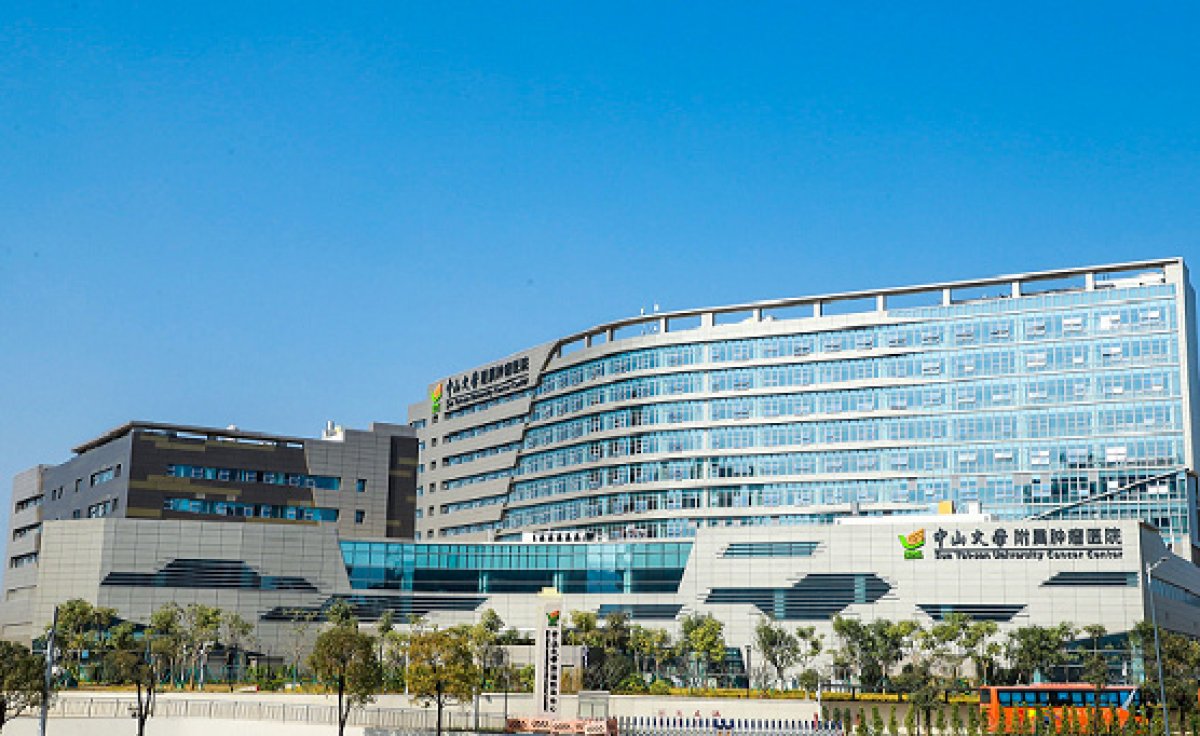

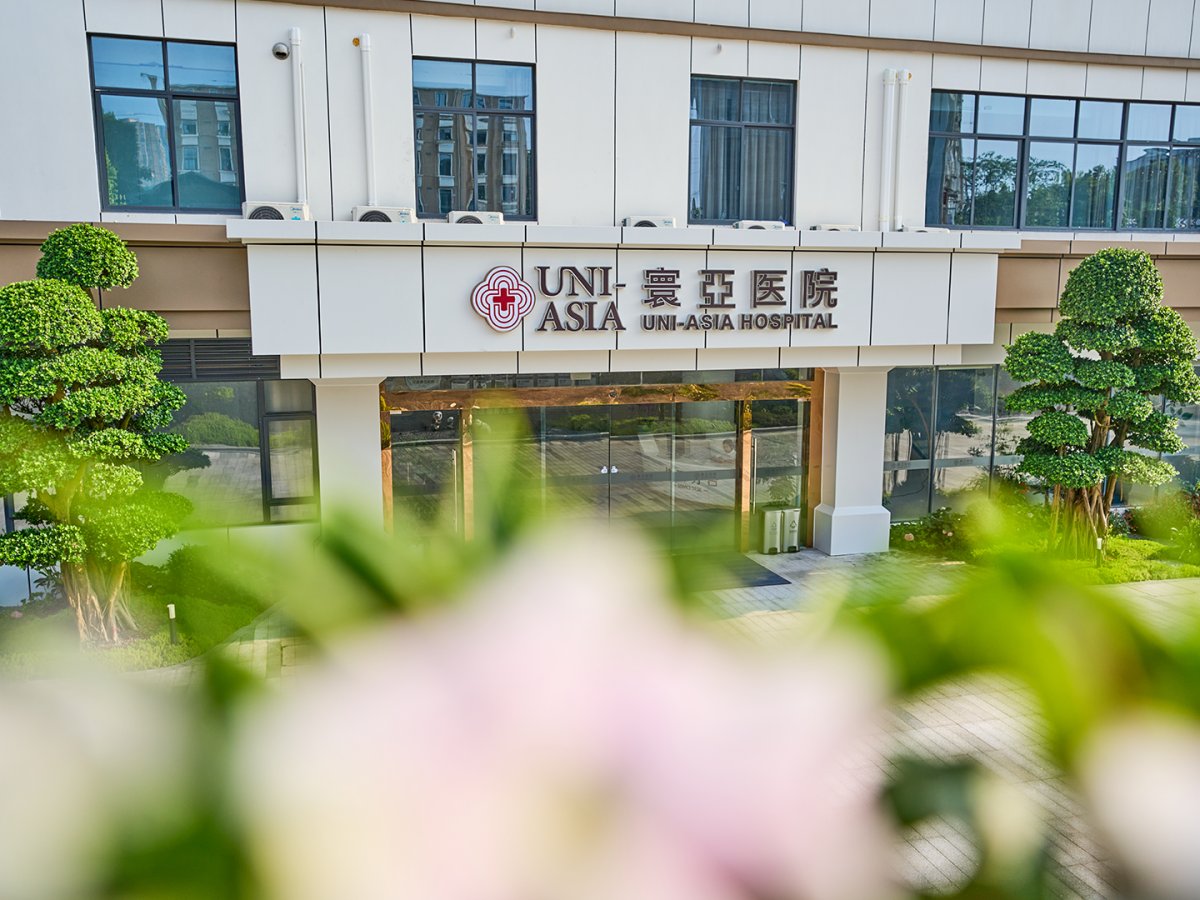
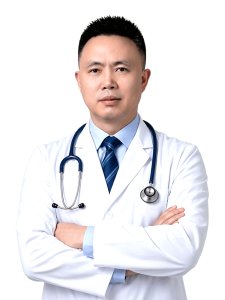
Uni-asia Cancer hospital
Liao Zhengyin
Cryotherapy Overview in China
- Cryotherapy - from $7,500This therapy involves using cold temperatures to Remove abnormal tissue, relieve pain, and promote faster recovery.
- Cryotherapy for kidney cancer - from $15,000This therapy freezes kidney cancer cells, using thin probes introduced through small incisions, effective and minimally invasive.
Day 1 - Arrival
- Arrival at the clinic and registration.
- Consultation with a cryotherapy specialist.
- Preparation for the cryotherapy procedure.
Day 2 - Pre-Operation
- Undergoing necessary medical tests.
- Review of test results by specialist.
- Patient education about the cryotherapy procedure.
Day 3 - Cryotherapy Procedure
- Administration of local anesthesia.
- Start of the cryotherapy process.
- Procedure typically lasts one to two hours.
- Post-procedure monitoring and recovery.
Day 4 - Post-Operation
- Post-operative check up with the specialist.
- Instruction on wound care and pain management.
- Patient is often allowed to leave the same day.
Week 1-2 - Rehabilitation
- Regular follow-up appointments with the specialist.
- Gradual resumption of normal activities.
- Most patients return to work within one week.
Week 3-4 - Rehabilitation
- Continuation of wound care and pain management.
- Resumption of sports and other strenuous activities.
- Final results of cryotherapy are typically visible by week 4.
Please note that this timeline may vary as each case is individual.
- Bookimed deposit: $200 or €200.
- Clinic deposit: Pay a set percentage in advance.
Our Trusted Doctors
View all DoctorsLiao Zhengyin
Chief physician and professor. Grade 1 Expert at the Cancer Center, West China Hospital, Sichuan University (ranked No. 2 in China). Completed a postdoctoral fellowship in interventional radiology at the Chinese PLA General Hospital. Leads multidisciplinary team (MDT) care for complex tumors. Expert in minimally invasive interventional oncology for liver, lung, and pancreatic cancers.
Accreditations: Council Member, WATA. Member of CACA and CMDA committees on intervention, ablation, radioactive seeds, and pain. In 2023, inaugural director member, Palliative Care Committee, Sichuan MDA. Editorial board member of the Chinese Journal of Interventional Imaging and Therapy. Editorial board member of the Chinese Journal of Pain Medicine.
Leads 2 provincial S&T projects and 2 NSFC projects. Has 40+ papers, with 30+ as first or corresponding author. Highest impact factor: 10.73. Hepatocellular carcinoma (HCC) cohort: TACE + lenvatinib vs TACE + sorafenib. OS 18.97 vs 10.77 months. PFS 10.6 vs 5.4 months. ORR 66.8% vs 33.3%.

Luo Xiaoping
Professor Luo Xiaoping is a nationally recognized interventional radiologist and a leading authority in Western China. He began pioneering vascular interventions in the early 1990s. He helped found the Interventional Group at the Second Affiliated Hospital of Chongqing Medical University.
He has completed over 100,000 interventional procedures, including about 4,000 complex cases. His key skills include TACE for hepatocellular carcinoma, Budd–Chiari interventions, TIPS, and single-stage bilateral stenting for hilar biliary obstruction, with success rates near 100%. He has been a master’s supervisor since 2007. He has trained many physicians, guided complex cases at more than 40 major hospitals across Western China, and helped build interventional programs. He has published 32 papers as first or corresponding author (22 CSCD core, 4 Chinese core, 6 CSCD extended).

He Weibing
Dr. He Weibing is a pioneer of argon-helium cryoablation in China with more than 20 years of frontline practice. He was a founding member of Fuda Cancer Hospital (Guangzhou). He co-founded its Minimally Invasive Tumor Treatment Center and served as Executive Deputy Director. He also helped found the Ablation Group of the China Anti-Cancer Association. He has been the primary operator in more than 10,000 procedures.
He specializes in tumor cryoablation and is proficient in 125I seed brachytherapy, with a focus on liver and lung cancers. He proposed ten argon-helium techniques. Key co-authored data include: lung cryotherapy n=508; NSCLC n=120 (CR 25.5%, PR 41.8%, 6/12/24-month survival 64%/55%/36%); pancreatic cancer n=38 (median survival 12 months). He served on editorial boards in 2008 and 2010. He has been a national trainer for Varian and Boston Scientific since 2001.

Xiao Yueyong
Professor Xiao Yueyong is Chief Physician in the Department of Radiological Diagnosis at the Chinese PLA General Hospital. He is a leading expert in minimally invasive interventional oncology. He serves as the inaugural President of WATA (2025–). He is President of the International (2020–) and Asian (2012–) Societies of Cryotherapy. He is also Deputy Head of the NHC Expert Group on tumour ablation regulations (2009–).
He has performed over 100,000 CT/MRI‑guided minimally invasive procedures. His work covers chemical ablation, RFA, MWA, cryoablation, and NanoKnife (IRE). He introduced and advanced NanoKnife ablation in China. He led the first national standards for tumour cryoablation and NanoKnife.
Honors include the National Special Contribution Award (Lifetime Honorary). He received First Prize from the Chinese Medicine Education Association (2021). He received two Second Prizes for Military Medical Achievements (2016, 2018) and two Second Prizes from the China Anti‑Cancer Association (2019, 2022). He was named Asian Ablation Master. His research record includes 13 Chinese patents. He is the principal investigator for four NSFC projects and one MOST subject. He has published over 200 papers, with over 110 as first or corresponding author and over 40 in SCI journals. He has led over 10 ablation guidelines or consensus statements.
Video Stories from Bookimed Patients
Reviews about Bookimed: Discover Patients' Insights
All reviews
Share this content
 Anna Leonova