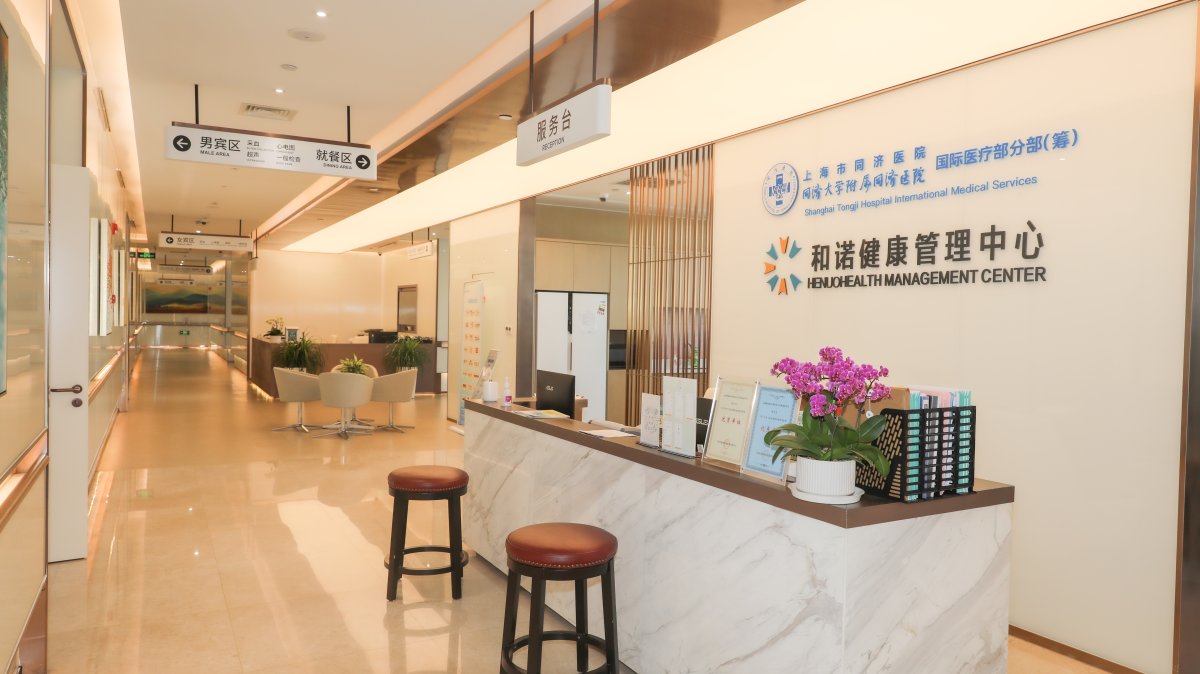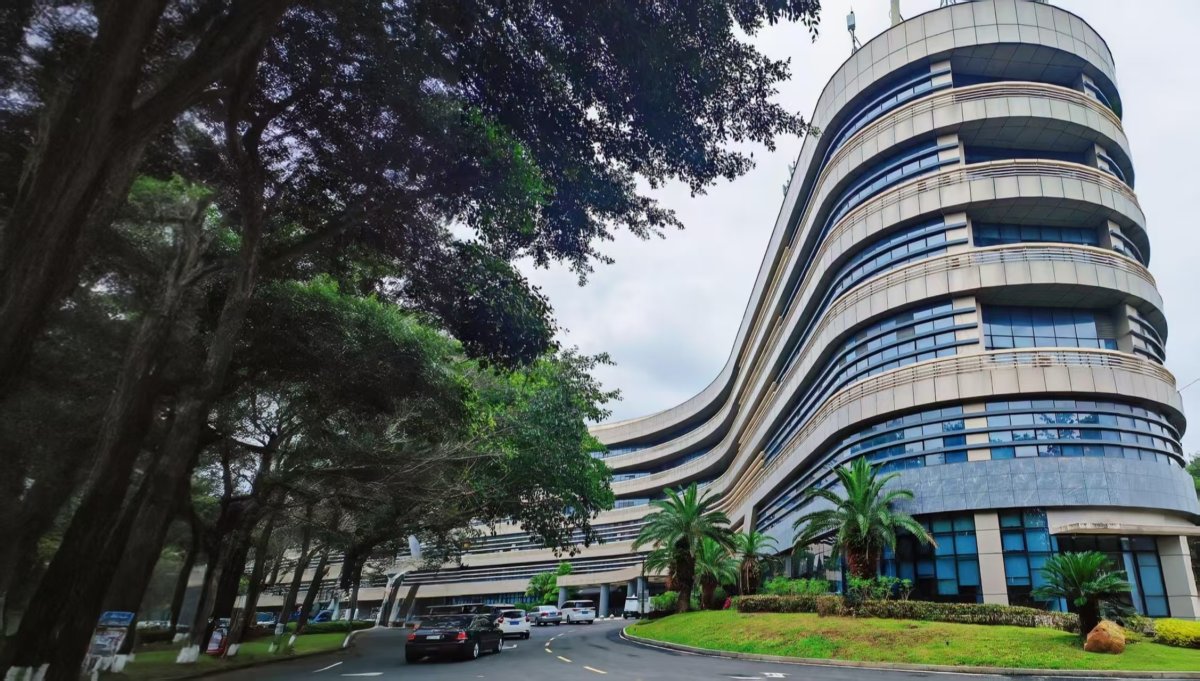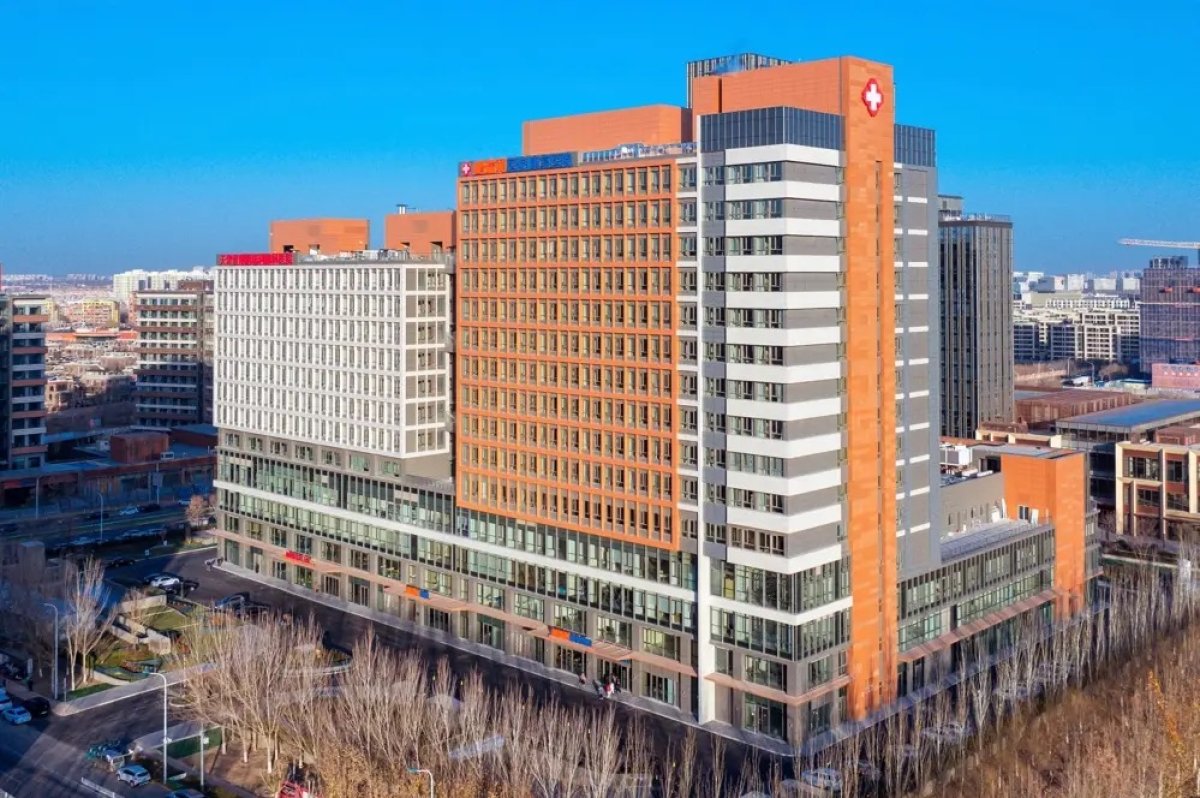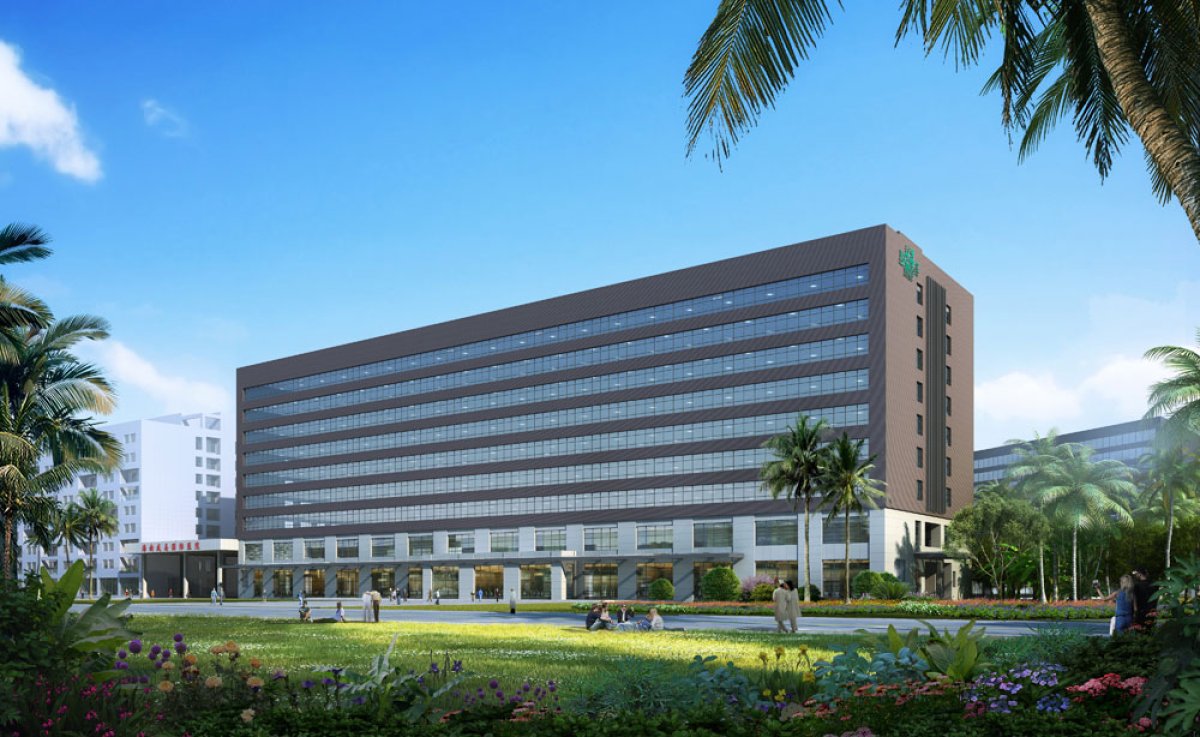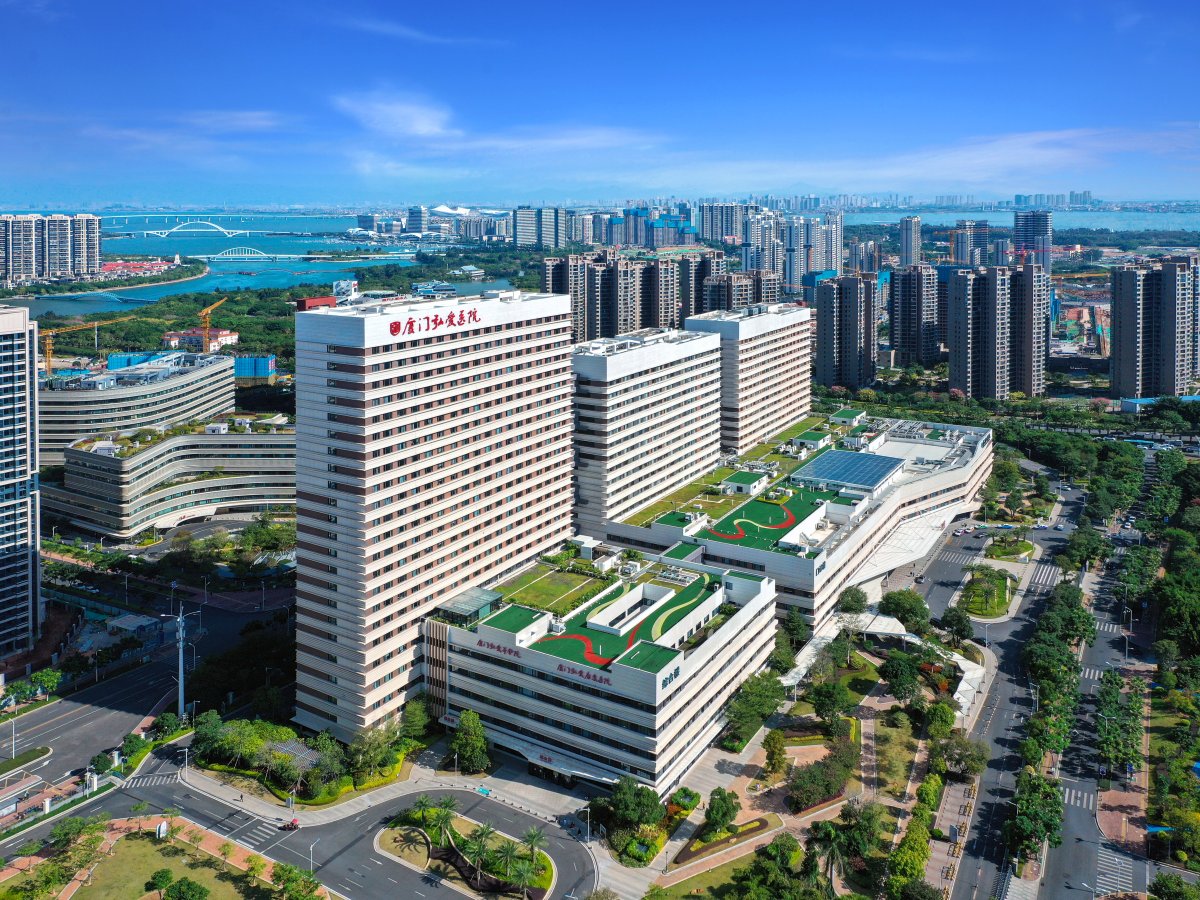
Xiamen Humanity Hospital
China, Xiamen
Bookimed lists 8 discectomy clinics in China, mostly in Guangzhou, Xiamen, and Shanghai, including JCI-accredited clinics. These clinics are rated 4.6/5 in 25 verified patient reviews on Bookimed.


Medically reviewed by
Ali Zirh
Discectomy in China typically costs from $4,500 to $8,500 depending on the surgical technique, clinic tier, and city. In the US, similar procedures cost around $26,500 on average. Patients can find savings of around 75% compared to US prices. The total cost usually includes the surgical procedure, anesthesia, and several days of inpatient hospital care.
Bookimed Expert Insight: Choosing JCI-accredited facilities like Yanda International Hospital or Fuda Cancer Hospital ensures Western-standard care. While Beijing prices typically start around $14,000, clinics in Guangzhou offer comparable quality for approximately $7,800. Smart patients look for doctors like Siyi Cai, who trained at NYC's Hospital for Special Surgery. This elite expertise is available in China at a fraction of US costs.
| China | Turkey | Austria | |
|---|---|---|---|
| Discectomy | ≈ $4,500 | from $2,500 | ≈ $8,200 |
| Removal of herniated disc with preoperative diagnostic | from $9,000 | from $3,500 | ≈ $9,500 |
| Herniated disc surgery | from $56,000 | from $3,000 | ≈ $9,500 |
Day 1 - Arrival
Day 2 - Pre-operation
Day 3 - Discectomy
Day 4 to 7 - Post-operation
Week 1 to 2 - Rehabilitation
Week 3 to 4 - Recovery
Week 5 onwards
Note: The above schedule is a general guide. Each patient"s recovery process may vary based on individual health conditions.

Dr. Ma Bin, MD, PhD, is a Chief Physician and master's supervisor in Spinal Surgery at a tertiary hospital. He has more than 20 years of experience. His work focuses on degenerative spine disease and minimally invasive surgery. He is skilled in PELD, percutaneous pedicle screw fixation, and tubular retractor-assisted decompression and fusion.
He serves on the Minimally Invasive Spine Surgery Committee of the Chinese Orthopaedic Association. He is also a standing committee member of the Spine Minimally Invasive Professional Committee of the Chinese Medical Doctor Association. He is a frequent keynote speaker at national conferences. He has led or joined several provincial and ministerial projects. He has published more than 20 papers in core domestic and SCI-indexed journals. His findings are widely cited, and some have been adopted into clinical guidelines.

Dr. Niu Lizhi is the President and chief surgeon at Fuda Cancer Hospital in Guangzhou. He has performed nearly 10,000 cryosurgeries and 500 NanoKnife procedures. Dr. Niu specializes in minimally invasive oncology for lung, pancreatic, and liver cancers. He treats patients ranging from early childhood through age 94.
 Anna Leonova

When considering Discectomy, it’s important to understand the different techniques and which is best suited for you. Here’s a concise comparison of popular options:

This procedure involves removing the part of the disc that is pressing on the nerve, alleviating pain and discomfort.

This procedure involves the surgical extraction of a herniated spinal disc, preceded by detailed diagnostic imaging to ensure precision.
Discectomy success rates in China range from 70% to 94%, matching global standards for spinal care. Specialized techniques like microendoscopic discectomy show success rates between 91.6% and 93.7%. Outcomes remain highest in tertiary-level facilities like Yanda International Hospital, which maintains Joint Commission International accreditation.
Bookimed Expert Insight: Patient volume is a major quality signal in China. Top-tier surgeons like Prof Yu Wang perform up to 1,000 operations annually. This high repetition often leads to refined technical precision that supports the country's 90%+ success rates in specialized spinal sections.
Patient Consensus: Many patients emphasize that long-term success depends on post-operative lifestyle changes. They recommend exhausting physical therapy first and choosing surgeons with international training to ensure clear communication during recovery.
Top-tier Chinese hospitals are highly safe for spinal surgery when holding Joint Commission International (JCI) accreditation. Elite centers utilize advanced technology like AI-assisted diagnostics and robotic surgical navigation. These institutions feature dual certification, meeting strict China Grade III-A standards alongside international safety protocols.
Bookimed Expert Insight: While tier-1 cities offer world-class care, safety hinges on surgeon-specific volume data. Prof Yu Wang at AMCare performs up to 1,000 spinal operations annually. This massive clinical volume is characteristic of Chinas elite specialists. It ensures a level of practical experience rarely found in Western hospitals.
Patient Consensus: International patients emphasize that JCI accreditation is a rare but vital safety signal. They recommend securing English-speaking medical teams and planning for extended post-operative stays before flying.
Beijing Jishuitan Hospital and Peking Union Medical College Hospital (PUMCH) are premier institutions for discectomy in China. These national orthopedic centers specialize in robotic-assisted spine surgery and microdiscectomy. JCI-accredited facilities like Yanda International Hospital serve global patients with advanced endoscopic techniques and English-speaking staff.
Bookimed Expert Insight: While public giants like Jishuitan lead in technology, high-volume centers often prioritize speed. Patient data suggests choosing JCI-accredited private wings or hospitals like Yanda. These facilities bridge the gap by offering Western-standard post-operative care and rehabilitation protocols often missing in local public wards.
Patient Consensus: Patients value the advanced endoscopic technology available in major hubs but frequently advise hiring private translators. Success depends heavily on verifying a surgeon’s specific spine caseload before arrival to ensure recovery expectations align with results.
Language barriers in China can delay acute pain management and compromise informed consent during a discectomy. While top surgeons in JCI-accredited facilities often speak English, nursing staff and floor teams frequently do not. This can lead to critical misunderstandings regarding post-operative mobility instructions or medication adjustments.
Bookimed Expert Insight: While public hospitals offer lower costs, JCI-accredited clinics in Beijing and Guangzhou significantly reduce risks. Centers like Yanda International Hospital manage over 2,500,000 patients annually and maintain high-level Class A status. Choosing a surgeon with a United States or European fellowship ensures technical alignment and clearer pre-operative consultations.
Patient Consensus: Patients often report that consultations feel rushed and recommend hiring a private medical translator. Many advise bringing their own pain medications and using WeChat groups to maintain contact with the surgical team.
Recovery after discectomy in China typically allows for light activities within 2 to 4 weeks, with full functional recovery taking 3 to 6 months. Patients often stay hospitalized for 3 to 7 days for observation, following Enhanced Recovery Protocols and sometimes integrating Traditional Chinese Medicine for swelling.
Bookimed Expert Insight: While Western clinics favor outpatient surgery, top-tier Chinese Class A Level III hospitals like Yanda International Hospital prioritize multi-day inpatient monitoring. This longer stay often includes immediate access to sophisticated rehabilitation equipment. Choosing a surgeon like Dr. Siyi Cai, who trained at New York's Hospital for Special Surgery, ensures global standards within this supportive hospital environment.
Patient Consensus: Many find immediate relief from nerve pain but struggle with sitting or bending before the 4-week mark. Patients emphasize following the strict no-bending rules and anticipate lingering tingling for up to 8 weeks.