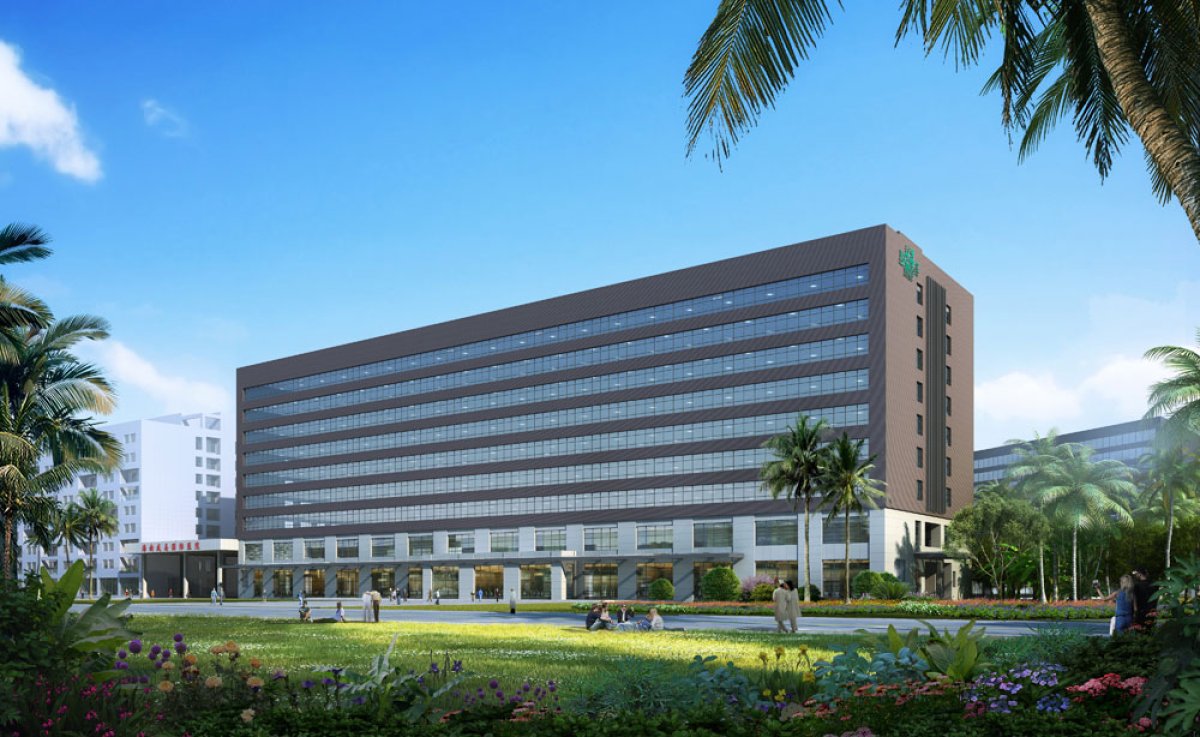
Boao International Medical Center
China, Qionghai
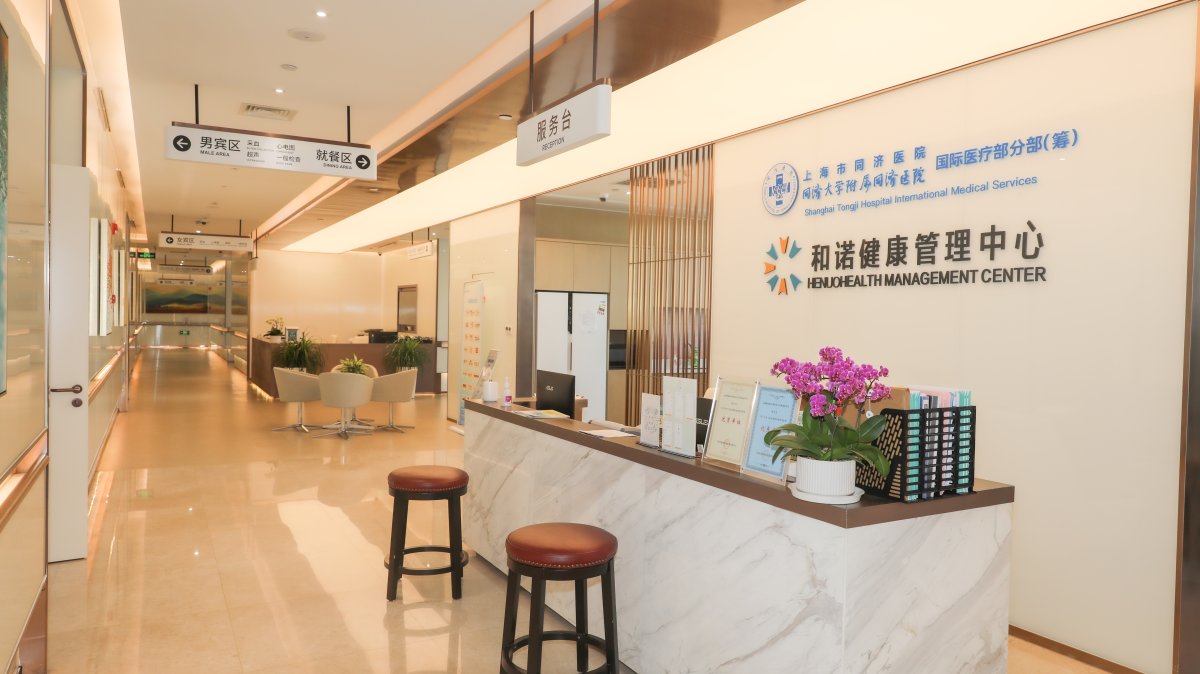
Stereotaxic radiosurgery in China costs $10,800 to $12,500, compared with about $30,000 in the US (Bookimed data, November 2026). It is offered by Shanghai Tongji Hospital, International Department.

Medically reviewed by
Ali Zirh
Stereotaxic radiosurgery in China typically costs from $10,800 to $12,500. The total expense depends on the chosen technology, the number of sessions, and the hospital tier in cities like Beijing, Shanghai, or Chengdu. Patients save around 61% compared to the United States, where the average price is $30,000. Standard medical packages in China generally include specialized oncology consultations, high-resolution imaging, and the radiosurgery procedure itself.
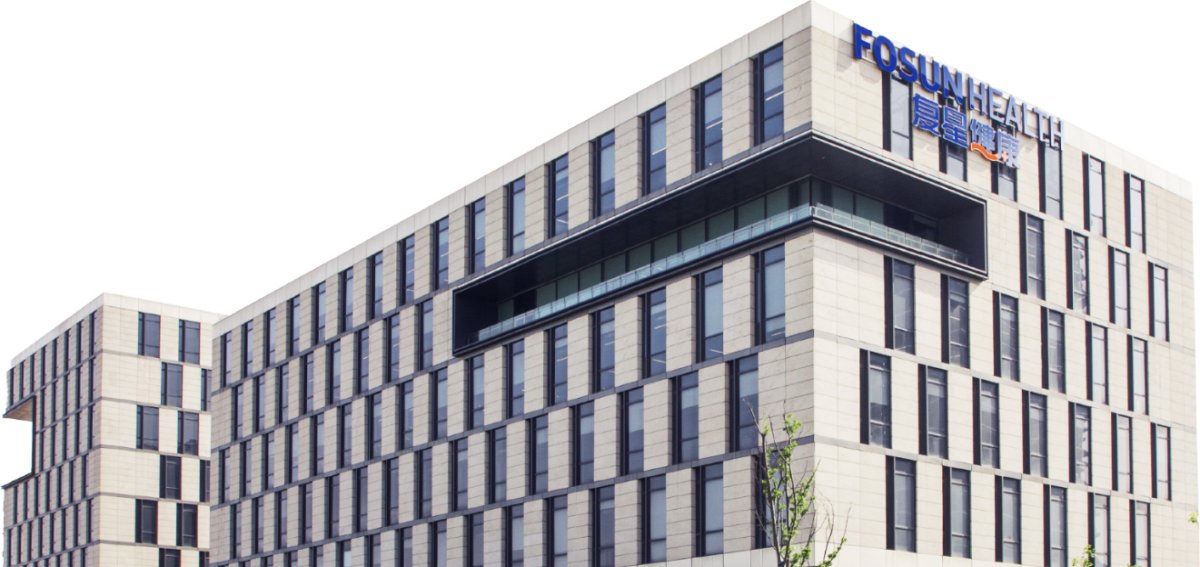
Bookimed Expert Insight: Choosing JCI-accredited facilities like Hainan Chengmei Hospital or Fosun Health ensures international safety standards. Expert physicians in China, such as Dr. Yang Jun who has performed over 6,000 CyberKnife procedures, offer immense clinical experience. High-end patient wards and 5G-supported remote consultations add significant value for international patients. While prices in tier-1 cities are higher, these centers house world-class equipment like the Philips Ingenia Elition 3.0T MRI.
| China | Turkey | Austria | |
|---|---|---|---|
| Stereotaxic radiosurgery | from $10,800 | from $4,500 | ≈ $9,500 |
Day 1
Day 2
Day 3
Day 4
Day 5-7
Week 2
Please note that this is a general guide and individual cases may vary.

Chief physician and professor. Grade 1 Expert at the Cancer Center, West China Hospital, Sichuan University (ranked No. 2 in China). Completed a postdoctoral fellowship in interventional radiology at the Chinese PLA General Hospital. Leads multidisciplinary team (MDT) care for complex tumors. Expert in minimally invasive interventional oncology for liver, lung, and pancreatic cancers.
Accreditations: Council Member, WATA. Member of CACA and CMDA committees on intervention, ablation, radioactive seeds, and pain. In 2023, inaugural director member, Palliative Care Committee, Sichuan MDA. Editorial board member of the Chinese Journal of Interventional Imaging and Therapy. Editorial board member of the Chinese Journal of Pain Medicine.
Leads 2 provincial S&T projects and 2 NSFC projects. Has 40+ papers, with 30+ as first or corresponding author. Highest impact factor: 10.73. Hepatocellular carcinoma (HCC) cohort: TACE + lenvatinib vs TACE + sorafenib. OS 18.97 vs 10.77 months. PFS 10.6 vs 5.4 months. ORR 66.8% vs 33.3%.

Professor Luo Xiaoping is a nationally recognized interventional radiologist and a leading authority in Western China. He began pioneering vascular interventions in the early 1990s. He helped found the Interventional Group at the Second Affiliated Hospital of Chongqing Medical University.
He has completed over 100,000 interventional procedures, including about 4,000 complex cases. His key skills include TACE for hepatocellular carcinoma, Budd–Chiari interventions, TIPS, and single-stage bilateral stenting for hilar biliary obstruction, with success rates near 100%. He has been a master’s supervisor since 2007. He has trained many physicians, guided complex cases at more than 40 major hospitals across Western China, and helped build interventional programs. He has published 32 papers as first or corresponding author (22 CSCD core, 4 Chinese core, 6 CSCD extended).

Professor Sun Chen Yang combines traditional Chinese medicine with modern neurosurgery at Eber Perennial Brain Hospital.

Dr. He Weibing is a pioneer of argon-helium cryoablation in China with more than 20 years of frontline practice. He was a founding member of Fuda Cancer Hospital (Guangzhou). He co-founded its Minimally Invasive Tumor Treatment Center and served as Executive Deputy Director. He also helped found the Ablation Group of the China Anti-Cancer Association. He has been the primary operator in more than 10,000 procedures.
He specializes in tumor cryoablation and is proficient in 125I seed brachytherapy, with a focus on liver and lung cancers. He proposed ten argon-helium techniques. Key co-authored data include: lung cryotherapy n=508; NSCLC n=120 (CR 25.5%, PR 41.8%, 6/12/24-month survival 64%/55%/36%); pancreatic cancer n=38 (median survival 12 months). He served on editorial boards in 2008 and 2010. He has been a national trainer for Varian and Boston Scientific since 2001.
 Anna Leonova

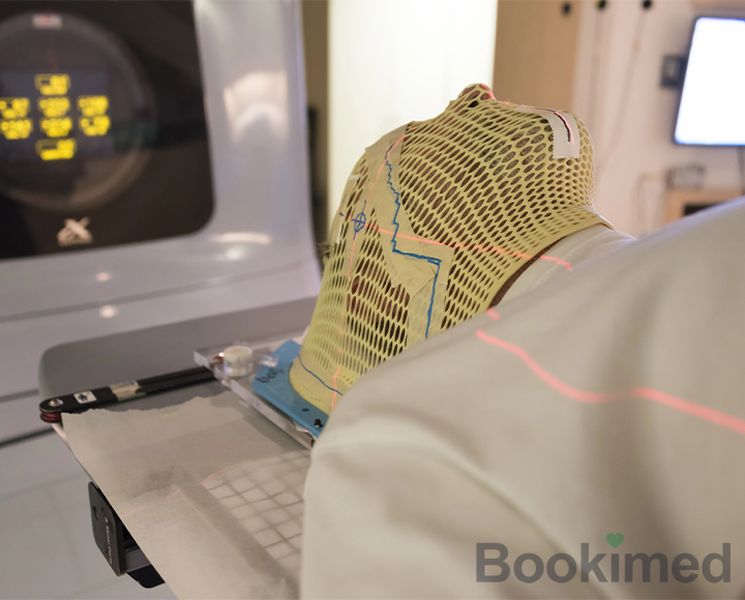
It is a non-invasive radiation treatment that precisely targets tumors and abnormalities in the brain and other parts of the body.