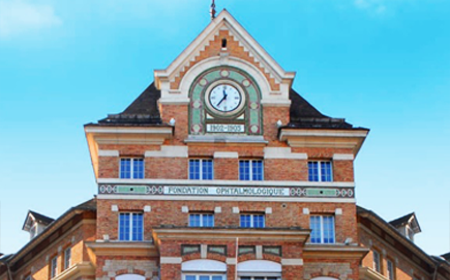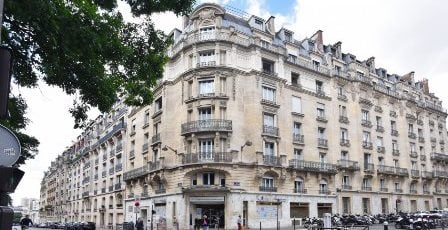
Geoffroy Saint Hilaire Clinic
France, Paris

Medically reviewed by
Abdulcabbar Kartal
Surgery costs in France typically range from $8,700 to $28,000. The total price depends on the specific medical procedure, the doctor's fee sector (Secteur 1 or Secteur 2), and the length of the hospital stay. International patients can often expect 40-60% savings compared to the United States.
Typical Surgery Costs in France
Major surgical centers are primarily located in Paris, Lyon, and Marseille. While costs are relatively standardized, private clinics in Paris may have higher surcharges. You should consult with a specialist to get accurate pricing for your specific medical needs and case complexity.
| France | Turkey | Austria | |
|---|---|---|---|
| Wide excision of melanoma | ≈ $2,800 | from $6,300 | ≈ $2,600 |
| Whipple surgery | ≈ $24,000 | from $10,000 | ≈ $28,000 |
| Umbilical hernia repair | ≈ $2,900 | from $2,200 | ≈ $3,200 |
| Transurethral resection of the bladder | ≈ $4,200 | from $3,900 | ≈ $4,800 |
| Stomach resection | ≈ $11,500 | from $2,700 | ≈ $17,500 |
No hidden fees – just official clinic prices. Pay at the clinic for Surgery treatment upon arrival and use a flexible installment plan if needed.
Bookimed is committed to your safety. We only work with medical institutions that maintain high international standards in Surgery treatment and have the necessary licenses to serve international patients worldwide.
Bookimed offers free expert assistance. A personal medical coordinator supports you before, during, and after your treatment, solving any issues. You're never alone on your Surgery treatment journey.



Written by Veronika Kazina
 Anna Leonova

French medical facilities and doctors are exceptionally safe and strictly regulated. The Haute Autorité de Santé (HAS) accredits all hospitals to ensure high safety standards. Physicians must register with the Ordre des Médecins. This body enforces rigid ethical codes and professional standards across all surgical specialties.
Bookimed Expert Insight: Quality indicators in France often correlate with a clinic's focus on specialized research and technology. For instance, Rothschild Foundation Hospital manages 120 scientific projects. This academic environment often leads to higher safety levels. Choose facilities with COMEDIMS accreditation to ensure the highest standards for medical devices and sterile equipment.
Patient Consensus: Patients note that medical legitimacy and safety are never in doubt due to strict professional regulation. They often point out that while emergency triage is highly organized, private clinics typically offer a less crowded experience than public centers.
France is globally recognized for excellence in plastic and reconstructive surgery, ophthalmology, and orthopedic surgery. These fields consistently rank as the most competitive for medical residents. Leading facilities like Rothschild Foundation Hospital and Geoffroy Saint Hilaire Clinic perform over 35,000 surgeries annually in these prestigious specialties.
Bookimed Expert Insight: Clinical volume often signals expertise more than general reputation. Rothschild Foundation Hospital performs 20,000 surgeries yearly, while Geoffroy Saint Hilaire Clinic handles 15,000 cases. This high patient volume allows surgeons to refine specific techniques, like the DIEP flaps used by Dr. Samuel Struk for complex breast reconstructions.
Patient Consensus: Patients note that while specialty prestige matters, finding a surgeon with high case volumes for your specific procedure is vital. They appreciate the structured care pathways provided for international visitors in Paris.
You will not face a major language barrier in French private clinics. Most surgical centers in Paris employ English-speaking medical staff for international patients. Facilities like Dr Michaël Benoilid’s Office provide all consultations in English. Initial video meetings help resolve communication needs before you travel to France.
Bookimed Expert Insight: Paris clinics with HAS Class A approval or French medical board registrations, like those of Dr. Samuel Struk or Dr. Michaël Benoilid, prioritize English-speaking coordinators. These specialists focus on international volume. They often provide digital consent forms in English to ensure surgical clarity before arrival.
Patient Consensus: Patients note that while doctors speak English, ward staff might primarily use French. Preparing a written summary of your allergies and medications in both languages helps avoid confusion during recovery.
Patients typically stay in France for 7 to 15 days following surgery. Minor procedures require 3 to 7 days for wound checks. Major operations like joint replacements may necessitate 4 weeks before flying. Surgeons often schedule follow-up visits at 3, 6, and 12 months for plastic surgery.
Bookimed Expert Insight: Paris clinics often specialize in high-volume, specific disciplines like the Rothschild Foundation Hospital, which performs 20,000 surgeries yearly. Patients should select facilities with HAS (Haute Autorité de Santé) certification to ensure safety. This is especially vital for complex neurosurgery or vascular procedures requiring intensive monitoring.
Patient Consensus: The first night is often the most challenging, so patients suggest staying overnight in the hospital for pain management. Many advise adding buffer days to your trip to account for potential swelling or travel delays.
International and non-EU patients can access surgery in France but generally lack free public healthcare coverage. Short-term visitors must pay full costs for services. Legal residents can join the national system after three months of residency. Non-EU nationals usually require private insurance for visa approval and initial care.
Bookimed Expert Insight: Paris hospitals like Rothschild Foundation Hospital serve patients from 45 countries, highlighting France's role as a global surgical hub. While public hospitals are accessible, specialized private clinics often handle high volumes, with some performing 15,000 surgeries annually. Patients should note that top-ranked specialists often work across both public and private sectors, so confirming your billing status as a self-pay patient before admission is vital for cost clarity.
Patient Consensus: Patients note that while treatment is never denied in emergencies, they often receive a bill by mail weeks later. Many emphasize that having a private 'mutuelle' is essential for residents to avoid high out-of-pocket costs.