To homepage
1M+ patients have got assistance since 2014
50 countries
1,500 clinics
6K+ reviews
3K+ qualified doctors

How Much Does DHI hair transplantation Cost in Germany?

The cost of DHI hair transplantation in Germany typically ranges from $4,100. Prices can vary depending on the number of grafts, the clinic’s reputation, and the surgeon’s experience with the DHI technique. In the United States, the average cost is $4,000 (per ISHRS). This means DHI hair transplantation in Germany is about 0% less expensive than in the U.S.

German clinics usually include the DHI procedure, local anesthesia, all necessary medical supplies, aftercare kits, and at least one follow-up visit in the price. In the U.S., the cost is often calculated per graft, with anesthesia, consultations, and post-op care billed separately. Always confirm with your chosen clinic exactly what is included in the package.

Data verified by Bookimed as of October 2026, based on patient requests and official quotes from 181 clinics worldwide. Median costs are based on real invoices (2025–2026) and updated monthly. Actual prices may vary.

Your Benefits and Guarantees with Bookimed

Transparent Prices & Flexible Installments

No hidden fees – just official clinic prices. Pay at the clinic for DHI hair transplantation upon arrival and use a flexible installment plan if needed.

Verified Clinics & Doctors Only

Bookimed is committed to your safety. We only work with medical institutions that maintain high international standards in DHI hair transplantation and have the necessary licenses to serve international patients worldwide.

Free 24/7 Assistance

Bookimed offers free expert assistance. A personal medical coordinator supports you before, during, and after your treatment, solving any issues. You're never alone on your DHI hair transplantation journey.

Why we?

Your personal Bookimed medical coordinator

  • Supports you at every stage
  • Helps choose the right clinic and doctor
  • Ensures quick and convenient access to information

DHI hair transplantation Packages in Germany — October 2026

Procedure type

Alpha Beauty Hannover specializes in FUE hair transplants with personalized treatment plans. The procedure typically runs $1,900–$2 위치300. Dr. Bilal Elbey combines neurology expertise with hair restoration, having trained at Hannover Medical School. He has participated in clinical research projects and maintains PubMed-indexed publications. The clinic focuses on natural-looking results and safety for international patients.

You’ve viewed 1 of 3 packages

Discover the Best DHI hair transplantation Clinics in Germany: 3 Verified Options and Prices

The Bookimed clinic ranking is based on data science algorithms, providing a trusted, transparent, and objective comparison. It takes into account patient demand, review scores (both positive and negative), the frequency of updates to treatment options and prices, response speed, and clinic certifications.

DHI hair transplantation Overview in Germany

Takeaways
Related procedures & Costs
How it works
What to expect
Benefits
Payment
patients recommend -
85%
Surgery Time - 4 hours
Stay in the country - 3 days
Rehabilitation - 1 day
Anesthesia - Local anesthesia
Requests processed - 110449
Bookimed fees - $0

As the leading global medical tourism platform, we have a huge responsibility before our clients — both patients and medical centers. All the information provided on Bookimed.com is grounded in research, foresight, and expertise and meets high interest related to the product and follows:

Smart Automatic Ranking System

We form our listings of clinics and doctors with strict regulations of our smart automatic ranking system. The system is based on real Bookimed patient rates to provide the most objective and transparent information about clinics and medical services there. Bookimed.com provides a comprehensive and updated list of clinics and doctors that offer DHI hair transplantation in Germany.

Our experienced data scientist collects data daily, monitors, and optimizes the ranking system using machine learning and artificial intelligence to ensure the ranking system is up-to-date and provides accurate results.

Real People"s Experience Only

We collect the opinions of Bookimed clients only after getting medical experience with the clinic — so everyone on the platform can trust the facility they choose. We strive to make the content on our platform as useful as possible and ensure the freedom to express critical opinions. Thus, we publish positive and negative reviews, aiming at being a source for informed decision-making for our future clients. Bookimed.com has verified reviews of patients who have undergone DHI hair transplantation procedures in Germany.

Topics with High Levels of Expertise, Authority, and Trustworthiness

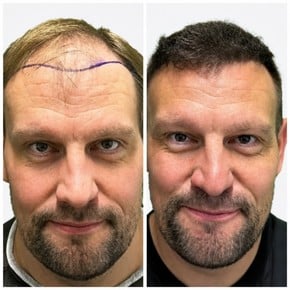
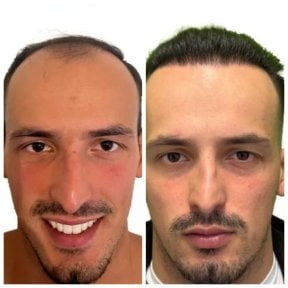
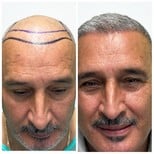
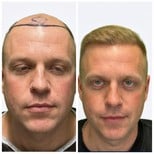
On Bookimed.com, you may find choice and convenience to find the best medical solutions from top medical services providers just in one place, and often at competitive prices. Making sure to deliver the freshest information, the clinic’s representatives update doctors’ CVs, clinics’ capacities, before-after pictures, prices, packages, and specials by themselves shortly. You may meet the clinic’s representative and check the date of updated content at every clinic’s page to make sure of its trustworthiness. Bookimed.com provides reliable information on DHI hair transplantation in Germany.

Our blog and supportive pieces are created by professional authors with at least 3-year experience in medical writing and edited by medical specialists with relevant clinical and research expertise — all carefully recruited to the team. We strive to enhance patient access to health information, making it expert but easy to understand. All pieces follow the Bookimed’s Editorial Guidelines.

Bookimed Values

We are made of people and for people — and that"s our core value. That"s why all the data presented on the platform is collected, edited, reviewed, and updated regularly by our patients, our partner clinics, and our team, including the Bookimed Medical Advisory Board, which consists of the world-renowned doctors with value expertise over 20 years of practice, and a positive reputation. Learn more about us and our mission. Bookimed.com values patient satisfaction and ensures quality DHI hair transplantation services in Germany.

In case you find any mistake or have any questions on the information presented on Bookimed.com, please feel free to contact us at marketing@bookimed.com.
Our Doctors

View all Doctors
verified

bilal Elbey

17 years of experience

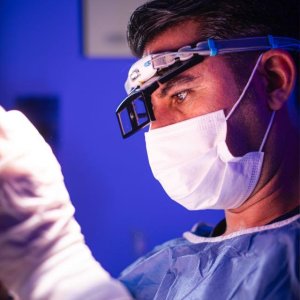
Dr. Bilal Elbey is a German-licensed doctor at Alpha Beauty & Aesthetics in Hannover. He specializes in hair restoration and aesthetic medicine. Dr. Elbey completed clinical residency at Hannover Medical School, a top German institution. He integrates a strong scientific background into his aesthetic practice.

  • Authored scientific publications indexed in PubMed and Google Scholar.
  • Performs hair transplants, stem cell hair treatments, and PRP therapy.
  • Treats patients at a TÜV NORD-certified medical center in Germany.
  • Provides care in German and Turkish for international patients.

Video Stories from Bookimed Patients

Oksana
I have fulfilled my dream. Finally, I won't cry about my hair anymore.
Procedure: Hair transplant
Clinic: Dr. MED
Roman
Just 4 days in Turkey, and I'm already home with a new hair.
Procedure: Hair transplant
Clinic: Hair Clinic
Diana
Thanks to Bookimed, I found hope and a clinic willing to help.
Procedure: Hair transplant

Related Articles

Share this content

Updated: 10/14/2026
Authored by
Anna Leonova
Anna Leonova
Head of Content Marketing Team
A certified medical writer with 10+ years of experience, developed Bookimed’s trusted content, backed by a Master’s in Philology and medical expert interviews worldwide.
Fahad Mawlood
Medical Editor & Data Scientist
General practitioner. Winner of 4 scientific awards. Served in Western Asia. Former Team Leader of a medical team supporting Arabic-speaking patients. Now responsible for data processing and medical content accuracy.
Fahad Mawlood Linkedin
This page may feature information relating to various medical conditions, treatments, and healthcare services available in different countries. Please be advised that the content is provided for informational purposes only and should not be construed as medical advice or guidance. Please consult with your doctor or a qualified medical professional before starting or changing medical treatment.

Fast Facts about DHI hair transplantation

DHI Hair Transplantation

Direct Hair Implantation involves using a specialized pen to implant hair follicles one by one directly into the scalp.

Pros: Provides precise control over hair direction and density, ensuring a natural hairline. Minimal handling of hair follicles increases survival rate by up to 15%.
Cons: Typically more time-consuming than FUE and requires highly skilled practitioners. This can result in longer sessions.
Effectiveness: Up to 95% graft survival rate.
Duration: 6-8 hours
Recovery: 7-10 days
Best for: Small areas requiring high precision, up to 4000 grafts.
Prices: View costs of other techniques

FAQ about DHI hair transplantation in Germany

These FAQs come from real patients seeking medical assistance through Bookimed. Answers are given by experienced medical coordinators and trusted clinic representatives.

Who performs DHI hair-transplant surgery in Germany?

DHI hair transplant specialists in Germany include board-certified surgeons and specialized clinics like Alpha Beauty & Aesthetics in Hanover, where Dr. Bilal Elbey performs the procedure. Other providers offering advanced hair restoration techniques include Elithair in Berlin, Medifue, and Moser Medical.

  • Specialized specialists: Dr. Bilal Elbey at Alpha Beauty Hannover brings 17 years of medical expertise.
  • Clinical standards: Facilities like Alpha Beauty maintain TÜV NORD DIN EN ISO quality management certifications.
  • Technological precision: Clinics utilize specialized implanter pens to control follicle depth, angle, and direction.
  • Comprehensive care: Many German providers include Platelet-Rich Plasma (PRP) sessions to stimulate post-surgical growth.

Bookimed Expert Insight: While many global clinics rely heavily on technicians, German centers like Alpha Beauty Hannover often emphasize the surgeon’s background in neurology or aesthetics. This medical oversight ensures that graft placement follows natural hair patterns while meeting rigorous national safety standards.

Patient Consensus: Patients emphasize the need to clarify exactly who performs the graft implantation. Successful results often depend on verifying the specific roles of the surgeon and the clinical team before booking.

What is DHI, and how does it differ from FUE?

Direct Hair Implantation (DHI) is a sophisticated modification of the Follicular Unit Extraction (FUE) method. While both extract individual follicles, DHI uses a specialized Choi Implanter pen to insert grafts directly into the scalp without pre-cut incisions, offering superior control over hair angle and density.

  • Implantation technique: DHI uses an implanter pen for simultaneous site creation and follicle placement.
  • Pre-operative preparation: Typical FUE requires shaving, whereas DHI often allows for unshaven transplant options.
  • Graft handling: Direct insertion reduces the time follicles spend outside the body during the procedure.
  • Procedural precision: Surgeons achieve higher graft density and more natural-looking hairlines using specialized pens.

Bookimed Expert Insight: German clinics like Alpha Beauty Hannover often position DHI as a premium solution for detailed hairline work. From $4,100. Data shows that the best outcomes depend less on the tool and more on whether a senior surgeon personally manages the implantation angles.

Patient Consensus: Patients value how the implanter pen allows for high-density packing in small areas like the temples. Many appreciate that DHI feels like a more continuous, refined process compared to the two-step approach of traditional FUE.

Is shaving required for a DHI procedure?

Shaving is not strictly required for a Direct Hair Implantation procedure in Germany. Advanced Choi implanter pens allow surgeons to place grafts between existing hairs without a full buzz cut. This unshaven technique is ideal for patients seeking discreet results and minimal visible downtime.

  • No-shave option: Keep hair long while specialized pens implant grafts between existing strands.
  • Partial shaving: Surgeons may trim only the donor area to simplify follicular extraction.
  • Case suitability: Unshaven DHI works best for patients with lower Norwood Scale hair loss.
  • German standards: Clinics like Alpha Beauty Hannover utilize TÜV NORD-certified quality management systems.

Bookimed Expert Insight: German clinics often prioritize medical precision over speed, which favors the meticulous unshaven DHI approach. While high-volume clinics abroad might push for full shaving to increase efficiency, surgeons like Bilal Elbey in Hanover leverage specialized clinical backgrounds to perform complex, low-shave procedures that focus on aesthetic concealment.

Patient Consensus: Patients often prefer partial shaving as a middle ground. It allows them to hide the donor site under longer hair while ensuring the surgical team can work efficiently during the extraction phase.

How long is the recovery after a DHI transplant?

Primary scalp healing after a DHI transplant typically takes 8 to 14 days, though full results require 9 to 12 months. Most patients return to work within 7 days once initial redness and scabbing subside. This technique minimizes trauma, allowing for faster social recovery than older methods.

  • Social presentation: Most patients feel comfortable appearing in public 10 to 14 days post-op.
  • Physical activity: Avoid strenuous exercise or heavy sweating for at least 3 weeks.
  • Washing routine: Gentle hair washing starts 2 days after surgery with specialized clinic care.
  • Growth cycles: Transplanted hair sheds at 3 weeks before permanent regrowth begins at 3 months.

Bookimed Expert Insight: While DHI is marketed for its speed, true quality in Germany depends on clinic standards. Facilities like Alpha Beauty Hannover use TÜV NORD DIN EN ISO quality management. This certification ensures strict hygiene protocols that directly reduce post-op inflammation and donor area irritation. Investing in these certified environments often leads to a smoother, more predictable recovery period.

Patient Consensus: The waiting period is often harder than the physical recovery itself. Many patients felt presentable after 1 week but found the mid-month shedding phase emotionally challenging before new growth appeared.

Are DHI hair transplants reimbursed by German health insurance?

German statutory and private health insurance almost never reimburse DHI hair transplants. Providers classify these procedures as elective cosmetic surgeries rather than medical necessities. Coverage is only possible for reconstructive cases following severe burns, accidents, or cancer treatments that caused permanent scarring.

  • Cosmetic classification: Insurers view hair restoration as improving appearance rather than treating illness.
  • Direct reimbursement: Patients must pay from $4,100 out of pocket in Germany.
  • Medical necessity: Exceptions require proof the hair loss resulted from trauma or surgery.
  • Pre-authorization: Patients must secure written approval from insurers before beginning any treatment.

Bookimed Expert Insight: While German clinics like Alpha Beauty Hannover offer TÜV NORD-certified quality, those seeking lower costs often look abroad. From $4,100. Compare local package inclusions like PRP sessions and hotel stays before deciding.

Patient Consensus: Real-world experience suggests that insurers rarely budge on cosmetic claims. Most patients focus on finding clinics with transparent pricing and research-based methods to ensure long-term results.

Which hospitals in Germany are top-rated for neurosurgery?

Germany features some of the worlds most prestigious neurosurgery departments, led by Charité – Universitätsmedizin Berlin and University Hospital Heidelberg. These centers excel in treating complex brain tumors and cerebrovascular disorders. They utilize advanced technologies like intraoperative MRI and computer-assisted neuronavigation to maximize procedural success.

  • Charité Berlin: Performs 5,000+ surgeries annually. Led by renowned neurosurgeon Dr. Peter Vajkoczy.
  • Medical Center Solingen: Dr. Ralf Buhl has performed 4,000+ procedures, including minimally invasive spine surgery.
  • Asklepios Nord Clinic: Features Germany's only two-sided intraoperative MRI for real-time surgical precision during tumor removals.
  • Nordwest Clinic: Recognized by Newsweek as a leading hospital for innovations in 3D ultrasound technology.

Bookimed Expert Insight: Data shows that choosing high-volume centers often leads to more conservative treatment recommendations. At Medical Center Solingen, which treats 60,000+ patients yearly, surgeons frequently suggest physiotherapy over immediate surgery if risks appear high. This volume-based expertise ensures patients only undergo operations when statistically necessary for recovery.

Patient Consensus: Patients note that German specialists are very cautious and will explain all risks before proceeding. Many emphasize the comfort of modern facilities, though some mention that having a translator is helpful for navigating administrative paperwork.

What are the reported success rates for high-complexity neurosurgery in Germany?

High-complexity neurosurgery in Germany demonstrates exceptional safety. Spinal fusions reach a 99% success rate. Primary brain tumor resections maintain a 97% survival rate. Functional independence is high. Over 82% of patients discharge directly home after treatment. German centers prioritize preserving neurological function using advanced mapping.

  • Tumor resection: Surgeons achieve gross total resection in 87.2% of brain metastasis cases.
  • Vascular success: Unruptured aneurysm treatments show a 98.7% survival rate in German hospitals.
  • Neurological improvement: Nearly 43% of patients see functional score gains after complex resections.
  • Surgical safety: Spinal procedures maintain a 98–99% survival rate across major surgical centers.

Bookimed Expert Insight: High-volume surgeons like Dr. Uwe Kehler at Asklepios Altona Clinic perform 2,000+ operations annually. Data shows these experts maintain success rates up to 90% for the most complex cerebral tumors. Choosing a specialist with 4,000+ personal surgeries, such as Dr. Ralf Buhl, ensures technical precision gathered over decades of practice.

Patient Consensus: Patients note that German surgeons often prioritize physical function over aggressive tumor removal. It is important to write down all questions in advance to make the most of short consultations with busy professors.

What advanced technologies are routinely available in German neurosurgical clinics?

German neurosurgical clinics routinely integrate high-precision digital tools and real-time imaging into surgical practice. Core technologies include computer-assisted neuronavigation for brain and spinal procedures. Facilities like Asklepios Nord Clinic use intraoperative MRI to verify tumor removal in real time. These systems provide a 3D GPS for surgeons.

  • Neuronavigation: Provides 3D visualization and real-time instrument tracking for sub-millimeter surgical precision.
  • Intraoperative imaging: Systems like iMRI and O-arm CT allow immediate verification of successful resection.
  • Neuromonitoring: Tracks motor and sensory functions during surgery to protect the nervous system.
  • Fluorescence diagnostics: Uses 5-ALA dye to illuminate tumor borders for more complete removal.
  • Robotic assistance: Systems like Da Vinci enhance dexterity for complex minimally invasive procedures.

Bookimed Expert Insight: High-volume centers like Charité – Universitätsmedizin Berlin perform 4,000+ neurosurgeries annually, creating a data-rich environment for refining robotic protocols. Medical Center in Solingen offers specialized packages for herniated disc surgery including preoperative diagnostics. This volume allows German clinics to negotiate better rates for consumables, keeping advanced tech accessible.

Patient Consensus: Patients note that modern German clinics significantly reduce recovery times compared to older surgical methods. Many describe the experience as less painful due to smaller incisions and highly competent staff who explain every technical risk clearly.

What specialist training do practicing neurosurgeons in Germany complete?

Neurosurgeons in Germany must complete 6 years of specialized residency training after medical school. This structured program includes intensive care, clinical practice, and a mandatory surgical log. Candidates then pass a state board exam to earn the title Facharzt für Neurochirurgie.

  • Clinical residency: Requires 48 to 72 months of dedicated neurosurgical practice.
  • Intensive care: Includes mandatory 6-month rotation in a neurosurgical intensive care unit.
  • Surgical log: Surgeons document hundreds of procedures, including craniotomies and spinal surgeries.
  • Board examination: Candidates must pass a state-administered oral and practical medical assessment.

Bookimed Expert Insight: German neurosurgery training emphasizes high-volume surgical experience. For example, Dr. Ralf Buhl at Medical Center in Solingen has performed 4,000+ surgeries. Dr. Jürgen Kiwit at Meoclinic Hospital brings 25+ years of expertise. This rigorous system ensures that specialists at major centers manage complex cases with proven precision.

Patient Consensus: Patients feel confident knowing their doctors underwent years of strict, state-monitored training. Many note that the detailed documentation of a surgeon's past procedures provides significant peace of mind before surgery.

What language and licensure requirements apply to international surgeons aiming to train or observe neurosurgery cases in Germany?

International neurosurgeons must meet strict language and licensure standards to train or observe in Germany. Training requires a full medical license or temporary permit. Observers need hospital-specific approval. Both paths demand high-level German proficiency to participate in clinical discussions and follow complex surgical protocols safely.

  • Language proficiency: General German B2 and medical C1 (Fachsprachprüfung) are mandatory for clinical training.
  • Clinical licensure: Surgeons need Approbation for permanent practice or Berufserlaubnis for temporary supervised training.
  • Observation status: A Hospitation allows observing surgeries without medical responsibility or a formal license.
  • Credential evaluation: Non-EU graduates often face a 3–6 month process to verify their medical degrees.

Bookimed Expert Insight: German clinics with high patient volumes, like Nordwest Clinic or Asklepios Nord, often prioritize candidates who have already secured their preliminary document evaluation. Our data shows that professors like Dr. Uwe Kehler and Dr. Paul Kremer manage thousands of cases annually. Demonstrating German B2 level early can bypass many bureaucratic delays in these busy departments.

Patient Consensus: Patients note that the language barrier is significant. They emphasize that while some international staff help, having a translator or a German-speaking doctor is vital for clear communication.

Does Germany have enough neurosurgeons to handle both domestic and international patient volumes?

Germany maintains the highest density of neurosurgeons in Europe with 2.94 specialists per 100,000 residents. This robust workforce easily manages international volumes through 184 dedicated departments. Key facilities like Charite Berlin perform 4,000+ surgeries annually. High specialist availability ensures additional capacity for complex global cases.

  • Specialist density: Germany has 2.94 neurosurgeons per 100,000 people, doubling the European average.
  • Clinical infrastructure: Over 182 dedicated neurosurgical departments provide widespread geographic access across Germany.
  • Surgical expertise: Prof. Dr. Peter Vajkoczy at Charite Berlin leads over 4,000 annual procedures.
  • Advanced technology: Facilities like Asklepios Nord Clinic utilize intraoperative MRI and computerized neuronavigation.

Bookimed Expert Insight: While Germany has high specialist numbers, top-tier professors like Dr. Ralf Buhl or Dr. Uwe Kehler are often concentrated in major hubs like Hamburg or Solingen. Our data shows these high-volume centers actually offer faster access for international patients than smaller clinics. Large academic hospitals maintain dedicated tracks for complex cases, effectively bypassing local capacity bottlenecks found in rural areas.

Patient Consensus: Patients often note that while surgeons are highly professional, clear communication about reports can sometimes take time. One patient mentioned that recovery periods in German clinics are now much shorter and less painful than in previous decades.

Get a free consultation

Select the best way to contact you