To homepage
1M+ patients have got assistance since 2014
50 countries
1,500 clinics
6K+ reviews
3K+ qualified doctors

How Much Does FUE hair transplant Cost in Germany?

The cost of FUE hair transplant in Germany typically ranges from $3,100. Prices depend on the number of grafts, the clinic’s reputation, and the surgeon’s experience. In the United States, the average cost is $6,000 (per ISHRS). This means FUE hair transplant in Germany is about 48% less than in the U.S.

German clinics often include the initial consultation, pre-op blood tests, post-op medication, follow-up visits, English-speaking staff, and 24/7 patient support. Meals during clinic visits and detailed aftercare instructions are also standard. In the U.S., costs are usually per graft, with anesthesia, medication, and follow-ups billed separately. Always confirm what is included with your chosen clinic.

Data verified by Bookimed as of October 2026, based on patient requests and official quotes from 234 clinics worldwide. Median costs are based on real invoices (2025–2026) and updated monthly. Actual prices may vary.

Your Benefits and Guarantees with Bookimed

Transparent Prices & Flexible Installments

No hidden fees – just official clinic prices. Pay at the clinic for FUE hair transplant upon arrival and use a flexible installment plan if needed.

Verified Clinics & Doctors Only

Bookimed is committed to your safety. We only work with medical institutions that maintain high international standards in FUE hair transplant and have the necessary licenses to serve international patients worldwide.

Free 24/7 Assistance

Bookimed offers free expert assistance. A personal medical coordinator supports you before, during, and after your treatment, solving any issues. You're never alone on your FUE hair transplant journey.

Why we?

Your personal Bookimed medical coordinator

  • Supports you at every stage
  • Helps choose the right clinic and doctor
  • Ensures quick and convenient access to information

FUE hair transplant Packages in Germany — October 2026

Procedure type

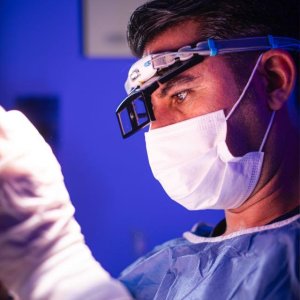
Alpha Beauty Hannover specializes in FUE hair transplants with personalized treatment plans. The procedure typically runs $1,900–$2 위치300. Dr. Bilal Elbey combines neurology expertise with hair restoration, having trained at Hannover Medical School. He has participated in clinical research projects and maintains PubMed-indexed publications. The clinic focuses on natural-looking results and safety for international patients.

You’ve viewed 1 of 2 packages

Discover the Best FUE hair transplant Clinics in Germany: 1 Verified Option and Prices

The Bookimed clinic ranking is based on data science algorithms, providing a trusted, transparent, and objective comparison. It takes into account patient demand, review scores (both positive and negative), the frequency of updates to treatment options and prices, response speed, and clinic certifications.

FUE hair transplant Overview in Germany

Takeaways
Related procedures & Costs
How it works
What to expect
Benefits
Payment
patients recommend -
85%
Surgery Time - 4 hours
Stay in the country - 3 days
Rehabilitation - 14 days
Anesthesia - Local anesthesia
Requests processed - 110449
Bookimed fees - $0

Bookimed, a leading global medical tourism platform, is committed to helping clients looking for FUE hair transplant in Germany by offering expert assistance and trustworthy medical solutions for every situation. Smart automatic ranking system is used to compose transparent clinic listings, meticulously maintained by a data scientist using AI for accuracy. The platform guarantees authenticity by publishing reviews from real patients after their treatments. Bookimed offers comprehensive medical solutions, with updates from clinics to ensure trustworthiness. The content about FUE hair transplant in Germany, crafted by experienced medical authors and reviewed by specialists, adheres to Bookimed"s Editorial Guidelines, reflecting the platform"s commitment to delivering high-quality and clear health information. For more details or inquiries, feel free to contact us at marketing@bookimed.com or learn more about us and our mission here.

Our Doctors

View all Doctors
verified

Walid Eljabu

20 years of experience

Triple-board-certified in Plastic & Aesthetic Surgery, Hand Surgery, and Trauma Surgery – Dr. Eljabu combines precision microsurgical skills with aesthetic refinement.

  • Trained in the UK and Germany with specialized aesthetic training in Sweden and Turkey
  • Member of Rhinoplasty Society of Europe and American Society of Plastic Surgeons
  • CEO and Head Surgeon at Esthétique du Nord in Hamburg
  • Expertise in complex reconstructive surgery informs his hair transplant approach
verified

bilal Elbey

17 years of experience

Dr. Bilal Elbey is a German-licensed doctor at Alpha Beauty & Aesthetics in Hannover. He specializes in hair restoration and aesthetic medicine. Dr. Elbey completed clinical residency at Hannover Medical School, a top German institution. He integrates a strong scientific background into his aesthetic practice.

  • Authored scientific publications indexed in PubMed and Google Scholar.
  • Performs hair transplants, stem cell hair treatments, and PRP therapy.
  • Treats patients at a TÜV NORD-certified medical center in Germany.
  • Provides care in German and Turkish for international patients.

Video Stories from Bookimed Patients

Oksana
I have fulfilled my dream. Finally, I won't cry about my hair anymore.
Procedure: Hair transplant
Clinic: Dr. MED
Roman
Just 4 days in Turkey, and I'm already home with a new hair.
Procedure: Hair transplant
Clinic: Hair Clinic
Diana
Thanks to Bookimed, I found hope and a clinic willing to help.
Procedure: Hair transplant

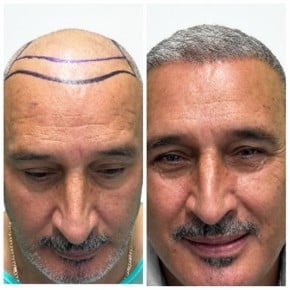
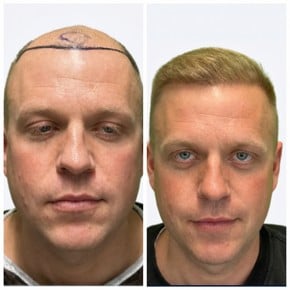
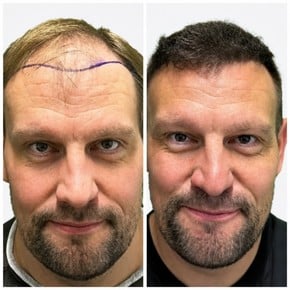
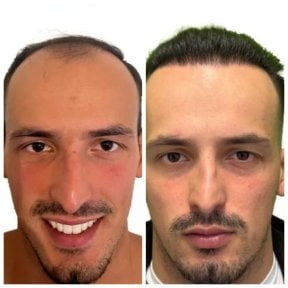
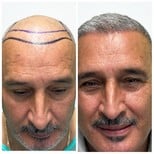
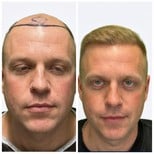
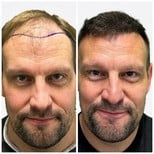
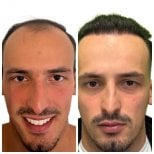
FUE hair transplant: Before & after photos

View all

Related Articles

Share this content

Updated: 10/13/2026
Authored by
Anna Leonova
Anna Leonova
Head of Content Marketing Team
A certified medical writer with 10+ years of experience, developed Bookimed’s trusted content, backed by a Master’s in Philology and medical expert interviews worldwide.
Fahad Mawlood
Medical Editor & Data Scientist
General practitioner. Winner of 4 scientific awards. Served in Western Asia. Former Team Leader of a medical team supporting Arabic-speaking patients. Now responsible for data processing and medical content accuracy.
Fahad Mawlood Linkedin
This page may feature information relating to various medical conditions, treatments, and healthcare services available in different countries. Please be advised that the content is provided for informational purposes only and should not be construed as medical advice or guidance. Please consult with your doctor or a qualified medical professional before starting or changing medical treatment.

Fast Facts about FUE hair transplant

FUE Hair Transplant

Follicular Unit Extraction involves removing individual hair follicles from a donor area and implanting them into balding or thinning areas.

Pros: Minimal scarring compared to FUT. Faster healing than DHI, with 10-15% more grafts possible in one session. Ideal for achieving a natural hairline.
Cons: Longer procedure time than ARTAS robotic hair transplant. May require multiple sessions for extensive hair loss compared to organic methods.
Effectiveness: Up to 4000 grafts per session.
Duration: 4-8 hours
Recovery: 7-10 days
Best for: Hair loss in small to moderate areas, creating a natural hairline.
Prices: View costs of other techniques

FAQ about FUE hair transplant in Germany

These FAQs come from real patients seeking medical assistance through Bookimed. Answers are given by experienced medical coordinators and trusted clinic representatives.

How many FUE grafts can safely be transplanted in a single session?

Surgeons generally transplant 2,500 to 3,500 grafts safely in a single follicular unit excision session. While optimal conditions allow for up to 4,000 grafts, exceeding this limit increases risks like donor area depletion and skin necrosis. Reputable German clinics prioritize long-term donor health and natural density.

  • Donor density: Surgeons extract only 10 to 15 grafts per square centimeter to avoid patchiness.
  • Graft survival: Sessions exceeding 8 hours risk follicle death due to prolonged out-of-body time.
  • Blood supply: Moderate graft numbers prevent competition for blood flow, ensuring high 95% survival rates.
  • Strategic staging: Advanced hair loss cases often require separate sessions spaced 4 to 12 months apart.

Bookimed Expert Insight: German clinics like Alpha Beauty Hannover often bundle PRP therapy into 3,500 to 4,000 graft packages. This strategy focuses on scalp healing rather than just maximizing graft counts. Booking a package with inclusive PRP often yields better survival rates than chasing higher graft numbers elsewhere.

Patient Consensus: Patients value transparent donor planning over high graft promises to avoid a moth-eaten look. Many prefer two smaller, precise sessions to ensure better placement quality and overall comfort during recovery.

What is the success rate of FUE in German clinics?

The success rate of FUE hair transplants in German clinics averages between 95% and 97%. This metric reflects high graft survival rates and follicle growth after relocation. Success is driven by strict European hygiene standards, advanced Sapphire FUE technology, and conservative graft limits that protect donor area health.

  • Regulation: German facilities strictly follow European hygiene guidelines to minimize post-surgical infection risks.
  • Technology: Sapphire FUE blades create smaller micro-channels, reducing tissue trauma and increasing survival.
  • Surgical expertise: Experienced surgeons like Dr. Walid Eljabu have performed over 12,000 successful procedures.
  • Quality management: Clinics like Alpha Beauty Hannover maintain TÜV NORD DIN EN ISO quality certifications.

Bookimed Expert Insight: German clinics differentiate themselves through donor management rather than just hairline volume. While some destinations push for maximum grafts, German specialists often cap sessions at 3,000–4,000 units. This approach preserves the donor area for future procedures and ensures higher viability for each extracted follicle.

Patient Consensus: Patients value the detailed donor analysis and realistic long-term planning provided during consultations. Most emphasize that while the initial shedding phase is normal, the final natural-looking density justifies the conservative surgical approach.

What does the recovery timeline look like?

Recovery for FUE hair transplant in Germany follows a specific timeline starting with 3 to 5 days of initial scalp tightness. Patients typically return to social activities after 1 week. Full cosmetic results stabilize within 9 to 12 months as hair matures.

  • Immediate healing: Scalp swelling and redness subside within the first 3 to 5 days.
  • Social return: Scabs usually shed by day 7 allowing for a professional return.
  • Shedding phase: Transplanted hair often falls out between weeks 2 and 8 before regrowth.
  • Final density: Regrowth becomes visible at 4 months with full density after 1 year.

Bookimed Expert Insight: German clinics like Alpha Beauty Hannover prioritize safety by integrating PRP therapy into recovery. Including one PRP session immediately post-op speeds up tissue healing. This helps the 4,000 to 5,000 grafts settle faster than standard procedures without boosters.

Patient Consensus: The shedding phase is the most mentally challenging part of the process. Most patients recommend taking 7 to 10 days off to manage initial redness and appearance.

When will I see the final results?

Final results for an FUE hair transplant in Germany typically emerge between 12 to 18 months post-surgery. While initial new growth appears around month 4, the full density and matured texture required for a definitive result stabilize around the one-year mark.

  • Initial shedding: Transplanted hairs shed within 2 to 8 weeks before entering a resting phase.
  • First growth: New, thin hairs typically become visible between 3 and 4 months post-procedure.
  • Peak maturation: Most patients see significant density and visible improvement between 6 and 9 months.
  • Crown area: Results in the crown often take longer, maturing between 15 to 18 months.

Bookimed Expert Insight: While German clinics like Alpha Beauty Hannover follow high ISO standards, the timeline remains biological. Data suggests the 6-month mark is often a psychological turning point for patients. However, judging results then is premature. Real success is measured at 12 months using consistent lighting and hair length.

Patient Consensus: Many patients feel like they are losing everything during the initial shedding phase. They advise staying patient until month 4 when the first meaningful new hairs finally appear.

Is the FUE procedure painful?

FUE hair transplant in Germany is generally not painful due to local anesthesia. Surgeons numb the donor and recipient areas before the procedure. Most patients experience zero pain during extraction and implantation. Brief discomfort occurs only during initial injections and the 2–4 day recovery window.

  • Anesthesia injections: Initial numbing causes short stings for 5–10 minutes before total scalp numbness.
  • Surgical sensation: Patients feel mild pressure or vibrations while watching movies or resting.
  • Post-operative soreness: Scalp tightness and donor area tenderness usually peak within 48 hours.
  • Comfort management: German clinics use standard protocols and basic relievers to ensure manageable recovery.

Bookimed Expert Insight: German clinics prioritize rigorous medical standards like TÜV NORD ISO quality management. This focus ensures higher-quality anesthesia protocols than lower-cost regions. Alpha Beauty Hannover even includes PRP sessions in basic packages to accelerate healing. These extra steps significantly reduce long-term discomfort and inflammation after surgery.

Patient Consensus: Initial numbing shots are the hardest part of the experience. Most people find sleeping upright more frustrating than any physical soreness during the first week.

How long does an FUE session take?

An FUE hair transplant session in Germany typically lasts 4 to 10 hours depending on graft count. Most procedures are completed in a single day. Extensive cases requiring over 3,000 grafts may require two consecutive days to ensure graft viability and patient comfort.

  • Phase breakdown: Preparation and extraction take 3–5 hours before a lunch break.
  • Implantation time: Placing follicles usually takes 2–4 hours for precise natural alignment.
  • Graft volume: Sessions for 1,000–2,000 grafts average 6–8 hours of clinic time.
  • Method impact: Motorized FUE tools often reduce duration compared to manual punch techniques.

Bookimed Expert Insight: German clinics like Alpha Beauty Hannover often utilize team-based approaches to maintain efficiency during long sessions. While a surgeon leads the procedure, specialized technicians assist with graft sorting. This collaboration helps keep even 5,000-graft `Premium` sessions within manageable timeframes for the patient.

Patient Consensus: Patients find sitting still during the implantation phase to be the most challenging part. Expect to spend the entire day at the clinic once preparation and breaks are included.

Which hospitals in Germany are top-rated for neurosurgery?

Germany features some of the worlds most prestigious neurosurgery departments, led by Charité – Universitätsmedizin Berlin and University Hospital Heidelberg. These centers excel in treating complex brain tumors and cerebrovascular disorders. They utilize advanced technologies like intraoperative MRI and computer-assisted neuronavigation to maximize procedural success.

  • Charité Berlin: Performs 5,000+ surgeries annually. Led by renowned neurosurgeon Dr. Peter Vajkoczy.
  • Medical Center Solingen: Dr. Ralf Buhl has performed 4,000+ procedures, including minimally invasive spine surgery.
  • Asklepios Nord Clinic: Features Germany's only two-sided intraoperative MRI for real-time surgical precision during tumor removals.
  • Nordwest Clinic: Recognized by Newsweek as a leading hospital for innovations in 3D ultrasound technology.

Bookimed Expert Insight: Data shows that choosing high-volume centers often leads to more conservative treatment recommendations. At Medical Center Solingen, which treats 60,000+ patients yearly, surgeons frequently suggest physiotherapy over immediate surgery if risks appear high. This volume-based expertise ensures patients only undergo operations when statistically necessary for recovery.

Patient Consensus: Patients note that German specialists are very cautious and will explain all risks before proceeding. Many emphasize the comfort of modern facilities, though some mention that having a translator is helpful for navigating administrative paperwork.

What are the reported success rates for high-complexity neurosurgery in Germany?

High-complexity neurosurgery in Germany demonstrates exceptional safety. Spinal fusions reach a 99% success rate. Primary brain tumor resections maintain a 97% survival rate. Functional independence is high. Over 82% of patients discharge directly home after treatment. German centers prioritize preserving neurological function using advanced mapping.

  • Tumor resection: Surgeons achieve gross total resection in 87.2% of brain metastasis cases.
  • Vascular success: Unruptured aneurysm treatments show a 98.7% survival rate in German hospitals.
  • Neurological improvement: Nearly 43% of patients see functional score gains after complex resections.
  • Surgical safety: Spinal procedures maintain a 98–99% survival rate across major surgical centers.

Bookimed Expert Insight: High-volume surgeons like Dr. Uwe Kehler at Asklepios Altona Clinic perform 2,000+ operations annually. Data shows these experts maintain success rates up to 90% for the most complex cerebral tumors. Choosing a specialist with 4,000+ personal surgeries, such as Dr. Ralf Buhl, ensures technical precision gathered over decades of practice.

Patient Consensus: Patients note that German surgeons often prioritize physical function over aggressive tumor removal. It is important to write down all questions in advance to make the most of short consultations with busy professors.

What advanced technologies are routinely available in German neurosurgical clinics?

German neurosurgical clinics routinely integrate high-precision digital tools and real-time imaging into surgical practice. Core technologies include computer-assisted neuronavigation for brain and spinal procedures. Facilities like Asklepios Nord Clinic use intraoperative MRI to verify tumor removal in real time. These systems provide a 3D GPS for surgeons.

  • Neuronavigation: Provides 3D visualization and real-time instrument tracking for sub-millimeter surgical precision.
  • Intraoperative imaging: Systems like iMRI and O-arm CT allow immediate verification of successful resection.
  • Neuromonitoring: Tracks motor and sensory functions during surgery to protect the nervous system.
  • Fluorescence diagnostics: Uses 5-ALA dye to illuminate tumor borders for more complete removal.
  • Robotic assistance: Systems like Da Vinci enhance dexterity for complex minimally invasive procedures.

Bookimed Expert Insight: High-volume centers like Charité – Universitätsmedizin Berlin perform 4,000+ neurosurgeries annually, creating a data-rich environment for refining robotic protocols. Medical Center in Solingen offers specialized packages for herniated disc surgery including preoperative diagnostics. This volume allows German clinics to negotiate better rates for consumables, keeping advanced tech accessible.

Patient Consensus: Patients note that modern German clinics significantly reduce recovery times compared to older surgical methods. Many describe the experience as less painful due to smaller incisions and highly competent staff who explain every technical risk clearly.

What specialist training do practicing neurosurgeons in Germany complete?

Neurosurgeons in Germany must complete 6 years of specialized residency training after medical school. This structured program includes intensive care, clinical practice, and a mandatory surgical log. Candidates then pass a state board exam to earn the title Facharzt für Neurochirurgie.

  • Clinical residency: Requires 48 to 72 months of dedicated neurosurgical practice.
  • Intensive care: Includes mandatory 6-month rotation in a neurosurgical intensive care unit.
  • Surgical log: Surgeons document hundreds of procedures, including craniotomies and spinal surgeries.
  • Board examination: Candidates must pass a state-administered oral and practical medical assessment.

Bookimed Expert Insight: German neurosurgery training emphasizes high-volume surgical experience. For example, Dr. Ralf Buhl at Medical Center in Solingen has performed 4,000+ surgeries. Dr. Jürgen Kiwit at Meoclinic Hospital brings 25+ years of expertise. This rigorous system ensures that specialists at major centers manage complex cases with proven precision.

Patient Consensus: Patients feel confident knowing their doctors underwent years of strict, state-monitored training. Many note that the detailed documentation of a surgeon's past procedures provides significant peace of mind before surgery.

What language and licensure requirements apply to international surgeons aiming to train or observe neurosurgery cases in Germany?

International neurosurgeons must meet strict language and licensure standards to train or observe in Germany. Training requires a full medical license or temporary permit. Observers need hospital-specific approval. Both paths demand high-level German proficiency to participate in clinical discussions and follow complex surgical protocols safely.

  • Language proficiency: General German B2 and medical C1 (Fachsprachprüfung) are mandatory for clinical training.
  • Clinical licensure: Surgeons need Approbation for permanent practice or Berufserlaubnis for temporary supervised training.
  • Observation status: A Hospitation allows observing surgeries without medical responsibility or a formal license.
  • Credential evaluation: Non-EU graduates often face a 3–6 month process to verify their medical degrees.

Bookimed Expert Insight: German clinics with high patient volumes, like Nordwest Clinic or Asklepios Nord, often prioritize candidates who have already secured their preliminary document evaluation. Our data shows that professors like Dr. Uwe Kehler and Dr. Paul Kremer manage thousands of cases annually. Demonstrating German B2 level early can bypass many bureaucratic delays in these busy departments.

Patient Consensus: Patients note that the language barrier is significant. They emphasize that while some international staff help, having a translator or a German-speaking doctor is vital for clear communication.

Does Germany have enough neurosurgeons to handle both domestic and international patient volumes?

Germany maintains the highest density of neurosurgeons in Europe with 2.94 specialists per 100,000 residents. This robust workforce easily manages international volumes through 184 dedicated departments. Key facilities like Charite Berlin perform 4,000+ surgeries annually. High specialist availability ensures additional capacity for complex global cases.

  • Specialist density: Germany has 2.94 neurosurgeons per 100,000 people, doubling the European average.
  • Clinical infrastructure: Over 182 dedicated neurosurgical departments provide widespread geographic access across Germany.
  • Surgical expertise: Prof. Dr. Peter Vajkoczy at Charite Berlin leads over 4,000 annual procedures.
  • Advanced technology: Facilities like Asklepios Nord Clinic utilize intraoperative MRI and computerized neuronavigation.

Bookimed Expert Insight: While Germany has high specialist numbers, top-tier professors like Dr. Ralf Buhl or Dr. Uwe Kehler are often concentrated in major hubs like Hamburg or Solingen. Our data shows these high-volume centers actually offer faster access for international patients than smaller clinics. Large academic hospitals maintain dedicated tracks for complex cases, effectively bypassing local capacity bottlenecks found in rural areas.

Patient Consensus: Patients often note that while surgeons are highly professional, clear communication about reports can sometimes take time. One patient mentioned that recovery periods in German clinics are now much shorter and less painful than in previous decades.

Get a free consultation

Select the best way to contact you