Hormone Therapy in Germany — Get 3 Top Clinic Matches with Costs

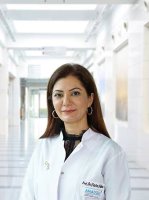
Medically reviewed by
Yesim Yildirim
How Much Does Hormone therapy Cost in Germany?
Hormone therapy in Germany typically costs from $1,800 to $5,000. The final price depends on the underlying condition, medication type, and diagnostic requirements. In the US, similar procedures cost around $10,000 on average. Patients save around 66% compared to the US. Treatment packages in Germany often include specialist consultations, laboratory blood panels, and the initial medication supply.
- Androgen deprivation therapy: $1,800 to $5,000 for prostate cancer management.
- Cancer-related protocols: Typically range from 15-20% higher for advanced targeted therapy combinations.
- Regional variations: Costs in medical hubs like Hamburg and Frankfurt are often the highest.
- Specialist consultations: Private sessions with expert oncologists or endocrinologists add approximately $550 to $700.
Bookimed Expert Insight: Choosing a certified interdisciplinary center provides the highest value for complex hormonal cases. Clinics like Asklepios Hospital Barmbek and Medical Center Solingen are Focus-ranked for oncology excellence. Dr. Viola Fox in Solingen offers rare expertise in molecular diagnostics for targeted therapy. This specialized approach ensures more precise dosing. It often reduces the long-term cost of managing side effects. High-volume centers in Hamburg treat one in four regional cases, ensuring expert protocol familiarity.
| Germany | Turkey | Austria | |
|---|---|---|---|
| Hormone therapy | ≈ $1,800 | from $300 | ≈ $1,800 |
| Hormone therapy for prostate cancer | ≈ $2,800 | ≈ $1,800 | ≈ $2,800 |
| Androgen deprivation therapy | ≈ $1,800 | ≈ $700 | ≈ $950 |
Your Benefits and Guarantees with Bookimed
Transparent Prices & Flexible Installments
No hidden fees – just official clinic prices. Pay at the clinic for Hormone therapy upon arrival and use a flexible installment plan if needed.
Verified Clinics & Doctors Only
Bookimed is committed to your safety. We only work with medical institutions that maintain high international standards in Hormone therapy and have the necessary licenses to serve international patients worldwide.
Free 24/7 Assistance
Bookimed offers free expert assistance. A personal medical coordinator supports you before, during, and after your treatment, solving any issues. You're never alone on your Hormone therapy journey.

Your personal Bookimed medical coordinator
- Supports you at every stage
- Helps choose the right clinic and doctor
- Ensures quick and convenient access to information
Discover the Best Hormone therapy Clinics in Germany: 6 Verified Options and Prices




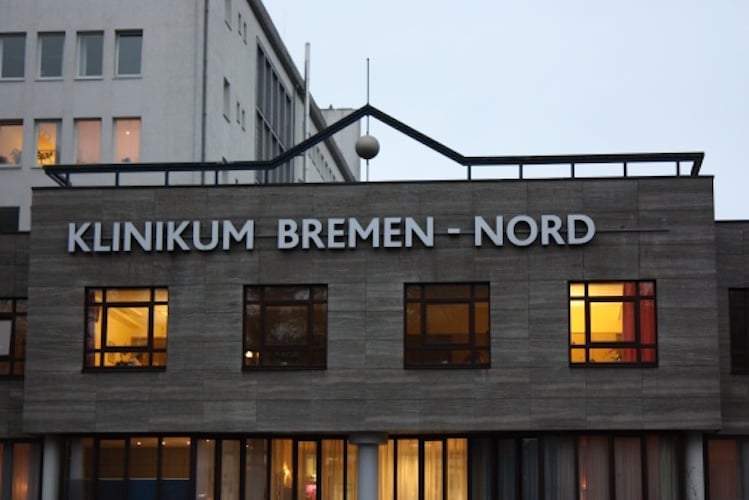
Nordwest Clinic (Krankenhaus)
Elke Jaeger






RadioOnkologie im Vosspalais
Hormone therapy Overview in Germany
Day 1 - Arrival
- Arrive in the country and check into your accommodation.
- Rest and adjust to the new environment.
Day 2 - Pre-operation Consultation
- Meet with the endocrinologist for a consultation.
- Undergo required blood tests and physical examinations.
Day 3 - Test Results and Treatment Plan
- Review the test results with the endocrinologist.
- Discuss the hormone therapy plan proposed by the specialist.
Day 4 - Start of Hormone Therapy
- Undergo the first hormone therapy session.
- The process usually lasts about 1-2 hours.
- No anesthesia is needed for this process.
Day 5 to 14 - Continuation of Therapy
- Attend daily hormone therapy sessions.
- Each session lasts approximately 1-2 hours.
Week 3 - Post-operation Monitoring
- Regular check-ups with the endocrinologist.
- Monitor for any side effects or reactions.
Week 4 - Rehabilitation
- Gradually return to normal activities.
- Follow-up with the endocrinologist as scheduled.
- Continue hormone therapy as prescribed.
Week 6
- Return to work or school if feeling well.
- Light sports activities can be resumed.
Week 8
- Final results of the hormone therapy can be seen.
- Complete return to regular activities and lifestyle.
Please note that this is a general guide and individual experiences may vary. Always consult your healthcare provider for personalized advice.
What patients like:
- Cost. The Hormone therapy cost in Germany ranges from $1,800 to $5,000. This price is considerably less than in the US, where the average cost is around $2000.
- Doctor’s professionalism. German doctors are highly skilled, with many having international certificates. Their vast experience in hormone therapy is commendable.
- Service level. Patients frequently praise the excellent service in German clinics. The staff are professional, attentive, and kind.
- Hormone therapy efficacy. Germany uses modern techniques for hormone therapy, which results in high success rates.
- Logistics. Germany boasts efficient logistics. Clinics are easily accessible, and appointments are timely.
What patients don't like:
- Waiting time. Despite efficient logistics, some patients have reported long waiting times. This can be frustrating for those seeking immediate treatment.
- Lack of certain treatments. Some specific hormone therapies, like HRT pellets, are not available in Germany, which can be disappointing for some patients.
- Language barrier. While many doctors and staff speak English, there can be language barriers, which may lead to misunderstandings.
- Bookimed deposit: $200 or €200.
- Clinic deposit: Pay a set percentage in advance.
Bookimed, a leading global medical tourism platform, is committed to helping clients looking for Hormone therapy in Germany by offering expert assistance and trustworthy medical solutions for every situation. Smart automatic ranking system is used to compose transparent clinic listings, meticulously maintained by a data scientist using AI for accuracy. The platform guarantees authenticity by publishing reviews from real patients after their treatments. Bookimed offers comprehensive medical solutions, with updates from clinics to ensure trustworthiness. The content about Hormone therapy in Germany, crafted by experienced medical authors and reviewed by specialists, adheres to Bookimed"s Editorial Guidelines, reflecting the platform"s commitment to delivering high-quality and clear health information. For more details or inquiries, feel free to contact us at marketing@bookimed.com or learn more about us and our mission About Bookimed .
Our Doctors
View all Doctors
Viola Fox
Dr. Viola Fox leads the certified cancer center at BKZ Solingen, specializing in advanced hormone therapies for tumor diseases.
- Over 14 years of experience in hematology and oncology
- Qualified specialist in genetics with research in molecular biology
- Member of the American Association for Cancer Research
- Develops and implements innovative treatments for haemato-oncological diseases
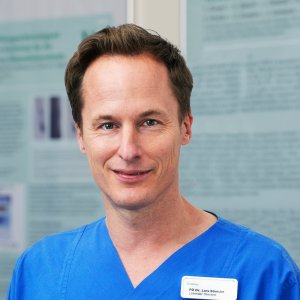
Lars Bönicke
Wolfgang Schröder

Sebastian Melchior
Dr. Sebastian Melchior is the chief physician and head of the Urology and Nephrology Clinic at Bremen-Mitte. He specializes in robot-assisted surgery for genitourinary tumors. He holds a professorship in urology and has published over 10 scientific papers. Dr. Melchior was named one of Germany's best urologists by Focus magazine.
- Completed a medical internship at Harvard and research at the University of Washington.
- Performs robotic da Vinci prostatectomy and transurethral resection of the prostate.
- Treats complex conditions including kidney, bladder, and testicular cancer.
- Works at Bremen-Mitte, a hospital ranked among the top medical institutions in Germany.
Video Stories from Bookimed Patients
Reviews about Bookimed: Discover Patients' Insights
All reviewsShare this content
 Anna Leonova
FAQ about Hormone therapy in Germany
Is a prescription required for hormone therapy in Germany?
Yes, all systemic hormone therapy in Germany is strictly prescription-only under the Medicinal Products Prescription Ordinance. You must consult a specialist such as a gynecologist or endocrinologist to obtain a legal prescription, which is then dispensed exclusively through authorized pharmacies across Germany.
- Medical consultation: Specialist assessment and blood tests are mandatory before receiving any hormonal medications.
- Authorized providers: Only licensed gynecologists, urologists, or endocrinologists typically issue these regulated prescriptions.
- Gender-affirming care: Patients usually require a formal diagnosis letter from a psychiatrist to begin therapy.
- Travel regulations: Customs allows a 3-month personal supply if accompanied by your original doctor letter.
Bookimed Expert Insight: While many clinics like Medical Center in Solingen and Nordwest Clinic are top-rated by Focus magazine, international patients should note that specialized hormone treatments often involve interdisciplinary centers. For example, Solingen serves over 60,000 patients annually using a certified interdisciplinary approach, which ensures your prescription is part of a comprehensive, safe treatment plan rather than just a standalone script.
Patient Consensus: You cannot walk into a pharmacy and buy hormones directly as many newcomers expect. The process is highly structured, requiring significant paperwork and formal documentation to ensure medical oversight.
What are the official requirements to start gender-affirming hormone therapy (GAHT) in Germany?
Starting gender-affirming hormone therapy in Germany requires a formal diagnosis of Gender Incongruence (ICD-10 F64.0) and a psychiatric letter of indication. Patients must undergo medical screening to exclude intersex conditions and contraindications, typically through blood labs and chromosomal analysis to ensure long-term health safety.
- Indication letter: Formal document from a licensed psychiatrist or therapist confirms medical necessity.
- Medical screening: Endocrinologists perform blood tests to check hormone levels and vital functions.
- Exclusion criteria: Clinicians must rule out underlying intersex variations via physical exam or karyogram.
- Informed consent: Patients sign documentation acknowledging potential impacts on future fertility and health.
- Youth requirements: Minors usually need parental consent and a second independent specialist opinion.
Bookimed Expert Insight: While national guidelines exist, flexibility depends on your chosen clinic. Facilities like Medical Center in Solingen or Bremen-Ost Clinic offer psychiatric and endocrinology expertise under one roof. Accessing multidisciplinary centers can significantly reduce waiting times for the necessary interdisciplinary sign-offs compared to seeking individual private therapists.
Patient Consensus: Patients emphasize that individual doctors often have different paperwork preferences. Many suggest finding trans-friendly providers early to navigate statutory insurance requirements and avoid long appointment delays.
What are the safety guidelines German doctors follow regarding hormone therapy dosage and duration?
German physicians strictly follow the S3 Interdisciplinary Guideline developed by the Association of the Scientific Medical Societies in Germany (AWMF). These safety protocols mandate the lowest effective dose for symptom relief, prioritize transdermal administration to reduce blood clot risks, and require annual risk-benefit re-evaluations for every patient.
- Dosage limit: Physicians must prescribe the minimum dose required to successfully manage vasomotor symptoms.
- Mandatory combination: Systemic estrogen therapy requires progestogen pairing for patients with an intact uterus.
- Administration route: Transdermal gels or patches are preferred for patients with metabolic or cardiovascular risks.
- Timing window: Therapy safety is highest when initiated before age 60 or within 10 years of menopause.
Bookimed Expert Insight: While many countries use rigid five-year cut-offs, German clinics like Nordwest Clinic (Krankenhaus) prioritize personalized timelines. Data show that German specialists often extend treatment beyond 10 years if benefits outweigh risks. This flexible approach is supported by the high concentration of certified oncology centers in Germany. These facilities, like the Medical Center in Solingen, provide superior breast cancer screening during hormone therapy.
Which type of doctor handles hormone therapy for different indications in Germany?
In Germany, hormone therapy is managed by specialists specific to each medical indication. Gynecologists handle menopause and female reproductive health, while urologists manage male hormone deficiencies. Most systemic disorders, including thyroid issues and gender-affirming care, are treated by endocrinologists within internal medicine departments.
- Women health: Gynecologists manage perimenopause, postmenopause, and bioidentical hormone replacement therapy (HRT).
- Metabolic disorders: Endocrinologists treat hypothyroidism, diabetes, adrenal issues, and growth hormone deficiencies.
- Men health: Urologists or andrologists monitor testosterone replacement therapy and sexual health.
- Gender-affirming care: Endocrinologists oversee cross-sex regimens after psychiatric assessment and formal referral.
Bookimed Expert Insight: German medical centers like Nordwest Clinic or Bremen-Mitte use highly integrated interdisciplinary models. Our data shows oncology patients requiring hormonal suppression often see oncologists like Dr. Viola Fox. She coordinates with specialists to manage side effects, ensuring systemic hormonal balance during cancer treatment.
Patient Consensus: Patients emphasize that specialist routing in Germany is strictly pathway-driven. You must provide a clear symptom history and previous lab results to minimize referral delays between your primary doctor and the endocrinologist.
Is there a mandatory period of psychotherapy required before starting gender-affirming hormones in Germany?
Germany has no legally mandated minimum psychotherapy period before starting gender-affirming hormone therapy. Current S3 medical guidelines remove therapy as a prerequisite, requiring only an indication letter from a licensed psychiatrist confirming a gender incongruence (ICD-10 F64.0) diagnosis through clinical assessment.
- Indication letter: Licensed mental health professionals provide necessary diagnosis documentation.
- Clinical discretion: Individual therapists determine the number of diagnostic sessions required.
- Specialist requirements: Endocrinologists or urologists may request specific blood work beforehand.
- Insurance coverage: Public health insurance typically covers hormone therapy without pre-approval.
Bookimed Expert Insight: While no legal mandate exists, a gap remains between guidelines and practice. Data from clinics like Nordwest Clinic and Bremen-Ost, which specialize in psychiatry, shows that finding trans-competent specialists is the real bottleneck. Many patients wait longer for an initial appointment than they do for the actual clinical assessment or the resulting indication letter.
Patient Consensus: Many find the process depends entirely on the specific doctor, where trans-aware providers offer the fastest access. Some wait months for appointments only to find conservative practitioners still requesting multiple evaluation sessions.
What is the minimum age for starting gender-affirming hormone therapy in Germany?
German federal law does not mandate a statutory minimum age for gender-affirming hormone therapy. Most clinicians follow guidelines establishing 16 years as the standard threshold. Treatment requires parental consent, a formal gender dysphoria diagnosis, and an indication letter from a qualified mental health professional.
- Clinical threshold: Adolescents typically begin cross-sex hormones at age 16 with psychiatric support.
- Parental consent: Legal guardians must provide explicit written permission for all patients under 18.
- Diagnostic requirements: Minors need a formal diagnosis and a written letter from a therapist.
- Early intervention: Puberty blockers may be considered around age 12 to delay pubertal changes.
Bookimed Expert Insight: While 16 is the common benchmark, access frequently depends on the specific clinic. Germany has over 80 specialized facilities, including top-rated centers like Medical Center in Solingen. Data shows that paperwork and therapist availability often cause more significant delays than age requirements. Start the diagnostic process early, as wait times for endocrinologists in cities like Frankfurt or Bremen can be long.
Patient Consensus: Patients report that while medical eligibility is clear, navigating local practitioner cautiousness remains a hurdle. Success often depends on finding an affirming specialist and securing parental support early in the process.
Which forms of hormone replacement therapy (HRT) do German doctors prefer to prescribe?
German doctors preferentially prescribe transdermal bioidentical hormones, specifically 17β-estradiol gels and metered-dose sprays. These formulations bypass the liver to minimize cardiovascular risks. Gynecologists prioritize micronized progesterone and dydrogesterone for endometrial protection in women with an intact uterus to avoid androgenic side effects.
- Systemic delivery: German specialists favor estradiol gels or transdermal patches for steady hormone delivery.
- Bioidentical preferences: Doctors avoid synthetic progestins, opting for plant-derived micronized progesterone like Utrogest.
- Local treatment: Nearly 50% of prescriptions focus on low-dose topical estriol for genitourinary symptoms.
- Cardiovascular safety: Transdermal routes are chosen specifically to reduce risks of deep vein thrombosis.
Bookimed Expert Insight: Germany ranks among the top 5 global destinations for specialized care, with clinics like Nordwest serving 61,000 patients annually. Data suggests choosing hospitals with Focus Top 100 rankings ensures access to the latest transdermal protocols. Top-tier German endocrinologists often prefer these risk-aware, non-oral formulations over standard tablets.
Patient Consensus: Patients often recommend seeing a specialist rather than a primary doctor to access transdermal options. Many note that estradiol patches are a frequent first choice because they offer consistent delivery.
Which hospitals in Germany are top-rated for neurosurgery?
Germany features some of the worlds most prestigious neurosurgery departments, led by Charité – Universitätsmedizin Berlin and University Hospital Heidelberg. These centers excel in treating complex brain tumors and cerebrovascular disorders. They utilize advanced technologies like intraoperative MRI and computer-assisted neuronavigation to maximize procedural success.
- Charité Berlin: Performs 5,000+ surgeries annually. Led by renowned neurosurgeon Dr. Peter Vajkoczy.
- Medical Center Solingen: Dr. Ralf Buhl has performed 4,000+ procedures, including minimally invasive spine surgery.
- Asklepios Nord Clinic: Features Germany's only two-sided intraoperative MRI for real-time surgical precision during tumor removals.
- Nordwest Clinic: Recognized by Newsweek as a leading hospital for innovations in 3D ultrasound technology.
Bookimed Expert Insight: Data shows that choosing high-volume centers often leads to more conservative treatment recommendations. At Medical Center Solingen, which treats 60,000+ patients yearly, surgeons frequently suggest physiotherapy over immediate surgery if risks appear high. This volume-based expertise ensures patients only undergo operations when statistically necessary for recovery.
Patient Consensus: Patients note that German specialists are very cautious and will explain all risks before proceeding. Many emphasize the comfort of modern facilities, though some mention that having a translator is helpful for navigating administrative paperwork.
What are the reported success rates for high-complexity neurosurgery in Germany?
High-complexity neurosurgery in Germany demonstrates exceptional safety. Spinal fusions reach a 99% success rate. Primary brain tumor resections maintain a 97% survival rate. Functional independence is high. Over 82% of patients discharge directly home after treatment. German centers prioritize preserving neurological function using advanced mapping.
- Tumor resection: Surgeons achieve gross total resection in 87.2% of brain metastasis cases.
- Vascular success: Unruptured aneurysm treatments show a 98.7% survival rate in German hospitals.
- Neurological improvement: Nearly 43% of patients see functional score gains after complex resections.
- Surgical safety: Spinal procedures maintain a 98–99% survival rate across major surgical centers.
Bookimed Expert Insight: High-volume surgeons like Dr. Uwe Kehler at Asklepios Altona Clinic perform 2,000+ operations annually. Data shows these experts maintain success rates up to 90% for the most complex cerebral tumors. Choosing a specialist with 4,000+ personal surgeries, such as Dr. Ralf Buhl, ensures technical precision gathered over decades of practice.
Patient Consensus: Patients note that German surgeons often prioritize physical function over aggressive tumor removal. It is important to write down all questions in advance to make the most of short consultations with busy professors.
What advanced technologies are routinely available in German neurosurgical clinics?
German neurosurgical clinics routinely integrate high-precision digital tools and real-time imaging into surgical practice. Core technologies include computer-assisted neuronavigation for brain and spinal procedures. Facilities like Asklepios Nord Clinic use intraoperative MRI to verify tumor removal in real time. These systems provide a 3D GPS for surgeons.
- Neuronavigation: Provides 3D visualization and real-time instrument tracking for sub-millimeter surgical precision.
- Intraoperative imaging: Systems like iMRI and O-arm CT allow immediate verification of successful resection.
- Neuromonitoring: Tracks motor and sensory functions during surgery to protect the nervous system.
- Fluorescence diagnostics: Uses 5-ALA dye to illuminate tumor borders for more complete removal.
- Robotic assistance: Systems like Da Vinci enhance dexterity for complex minimally invasive procedures.
Bookimed Expert Insight: High-volume centers like Charité – Universitätsmedizin Berlin perform 4,000+ neurosurgeries annually, creating a data-rich environment for refining robotic protocols. Medical Center in Solingen offers specialized packages for herniated disc surgery including preoperative diagnostics. This volume allows German clinics to negotiate better rates for consumables, keeping advanced tech accessible.
Patient Consensus: Patients note that modern German clinics significantly reduce recovery times compared to older surgical methods. Many describe the experience as less painful due to smaller incisions and highly competent staff who explain every technical risk clearly.
What specialist training do practicing neurosurgeons in Germany complete?
Neurosurgeons in Germany must complete 6 years of specialized residency training after medical school. This structured program includes intensive care, clinical practice, and a mandatory surgical log. Candidates then pass a state board exam to earn the title Facharzt für Neurochirurgie.
- Clinical residency: Requires 48 to 72 months of dedicated neurosurgical practice.
- Intensive care: Includes mandatory 6-month rotation in a neurosurgical intensive care unit.
- Surgical log: Surgeons document hundreds of procedures, including craniotomies and spinal surgeries.
- Board examination: Candidates must pass a state-administered oral and practical medical assessment.
Bookimed Expert Insight: German neurosurgery training emphasizes high-volume surgical experience. For example, Dr. Ralf Buhl at Medical Center in Solingen has performed 4,000+ surgeries. Dr. Jürgen Kiwit at Meoclinic Hospital brings 25+ years of expertise. This rigorous system ensures that specialists at major centers manage complex cases with proven precision.
Patient Consensus: Patients feel confident knowing their doctors underwent years of strict, state-monitored training. Many note that the detailed documentation of a surgeon's past procedures provides significant peace of mind before surgery.
What language and licensure requirements apply to international surgeons aiming to train or observe neurosurgery cases in Germany?
International neurosurgeons must meet strict language and licensure standards to train or observe in Germany. Training requires a full medical license or temporary permit. Observers need hospital-specific approval. Both paths demand high-level German proficiency to participate in clinical discussions and follow complex surgical protocols safely.
- Language proficiency: General German B2 and medical C1 (Fachsprachprüfung) are mandatory for clinical training.
- Clinical licensure: Surgeons need Approbation for permanent practice or Berufserlaubnis for temporary supervised training.
- Observation status: A Hospitation allows observing surgeries without medical responsibility or a formal license.
- Credential evaluation: Non-EU graduates often face a 3–6 month process to verify their medical degrees.
Bookimed Expert Insight: German clinics with high patient volumes, like Nordwest Clinic or Asklepios Nord, often prioritize candidates who have already secured their preliminary document evaluation. Our data shows that professors like Dr. Uwe Kehler and Dr. Paul Kremer manage thousands of cases annually. Demonstrating German B2 level early can bypass many bureaucratic delays in these busy departments.
Patient Consensus: Patients note that the language barrier is significant. They emphasize that while some international staff help, having a translator or a German-speaking doctor is vital for clear communication.
Does Germany have enough neurosurgeons to handle both domestic and international patient volumes?
Germany maintains the highest density of neurosurgeons in Europe with 2.94 specialists per 100,000 residents. This robust workforce easily manages international volumes through 184 dedicated departments. Key facilities like Charite Berlin perform 4,000+ surgeries annually. High specialist availability ensures additional capacity for complex global cases.
- Specialist density: Germany has 2.94 neurosurgeons per 100,000 people, doubling the European average.
- Clinical infrastructure: Over 182 dedicated neurosurgical departments provide widespread geographic access across Germany.
- Surgical expertise: Prof. Dr. Peter Vajkoczy at Charite Berlin leads over 4,000 annual procedures.
- Advanced technology: Facilities like Asklepios Nord Clinic utilize intraoperative MRI and computerized neuronavigation.
Bookimed Expert Insight: While Germany has high specialist numbers, top-tier professors like Dr. Ralf Buhl or Dr. Uwe Kehler are often concentrated in major hubs like Hamburg or Solingen. Our data shows these high-volume centers actually offer faster access for international patients than smaller clinics. Large academic hospitals maintain dedicated tracks for complex cases, effectively bypassing local capacity bottlenecks found in rural areas.
Patient Consensus: Patients often note that while surgeons are highly professional, clear communication about reports can sometimes take time. One patient mentioned that recovery periods in German clinics are now much shorter and less painful than in previous decades.