Pituitary tumor surgery in Germany — get 3 personalized clinic matches

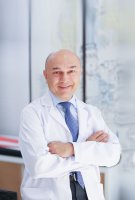
Medically reviewed by
Ali Zirh
How it works
How Much Does Pituitary tumor surgery Cost in Germany?
Pituitary tumor surgery in Germany typically costs from $27,600 to $38,600 depending on the surgical approach and tumor complexity. Residents of the US find significant value here, where the average cost is $75,000 for similar neurosurgical interventions. Patients from abroad generally save 56% compared to US rates. German medical centers typically include MRI diagnostics, hormone profiling, specialist surgeon fees, and a hospital stay of 4 to 12 days.
- Transnasal endoscopic resection: $27,600 to $38,600 for minimally invasive removal through the nasal cavity.
- Craniotomy: typically adds 30-40% over endoscopic methods for invasive open-skull tumor access.
- Radiosurgery: often costs 50-60% less than traditional surgery for non-invasive Gamma Knife treatment.
- Medical hubs: primary treatment centers are located in major cities like Hamburg, Berlin, and Solingen.
Bookimed Expert Insight: Choosing a university-affiliated hospital in Germany offers superior value for complex neurosurgery. Sites like Charité - Universitätsmedizin Berlin perform over 4,000 neurosurgeries annually. High surgical volumes correlate with better outcomes in delicate pituitary procedures. Clinics like Medical Center in Solingen provide specialized oncological care for approximately $23,500. This is an excellent mid-range option for patients seeking German quality at a more accessible price point.
| Germany | Turkey | Austria | |
|---|---|---|---|
| Pituitary tumor surgery | from $27,600 | from $8,000 | ≈ $30,000 |
Discover the Best Pituitary tumor surgery Clinics in Germany: 5 Verified Options and Prices






Pituitary tumor surgery Overview in Germany
- Brain tumor removal - from $15,000The surgery extracts harmful growths in the brain, enhancing patient health and reducing symptoms like headaches or seizures.
- Transnasal resection of tumor - from $20,000This operation removes tumors via the nose, reducing recovery time and minimizing surgical scars.
- Removal of meningioma - from $33,100The operation aims at surgically eliminating a benign brain tumor, enhancing neurological function and reducing symptoms.
- Resection of glioma - from $38,000The operation removes brain tumors, enhancing patient survival and reducing symptoms, with accuracy and minimal harm.
- Pituitary tumor surgery - from $27,600This procedure removes tumors located at the base of the brain, improving quality of life and reducing symptoms.
- Brain tumor surgery - from $20,000Surgery to remove benign or malignant brain neoplasms to stop or control their growth.
- Surgical removal of the brain cyst - from $27,600The procedure aims to remove brain cysts, enhancing patients" life quality by relieving symptoms and preventing complications.
Day 1
- Arrival to the country.
- Transfer from airport to 4* hotel.
Day 2
- Transfer from hotel to clinic.
- Consultation with neurosurgery specialist.
- Pre-operative Head MRI scan.
Day 3
- Pre-operation health check by an anesthesiologist.
- Additional consultation if needed.
Day 4
- Pituitary tumor surgery under general anesthesia.
- Surgery duration is about 2-4 hours.
- Post-operation recovery under supervision.
Day 5-7
- Post-operation check-up by neurosurgeon.
- Stay in the clinic for observation.
Week 2
- Discharge from the clinic.
- Transfer from clinic to hotel.
Week 3-6
- Rehabilitation and recovery at home.
- Gradual return to light activities.
Week 7
- Return to work and normal activities.
Please note that each patient"s recovery timeline may vary based on individual health status and the complexity of the surgery.
- Bookimed deposit: $200 or €200.
- Clinic deposit: Pay a set percentage in advance.
As the leading global medical tourism platform, we have a huge responsibility to provide reliable information to our clients, both patients, and medical centers. All the information provided on Bookimed.com related to Pituitary tumor surgery in Germany is grounded in research, foresight, and expertise and meets high interest related to the product and follows:
Smart automatic ranking system
We form our listings of clinics and doctors with strict regulations of our smart automatic ranking system for Pituitary tumor surgery in Germany. The system is based on real Bookimed patient rates to provide the most objective and transparent information about clinics and medical services there.
Our experienced data scientist collects data daily, monitors and optimizes the ranking system using machine learning and artificial intelligence to ensure that the ranking system is up-to-date and provides accurate results for Pituitary tumor surgery in Germany.
Real people"s experience only
We collect the opinions of Bookimed clients only after getting medical experience with the clinic for Pituitary tumor surgery in Germany — so everyone on the platform can trust the facility they choose. We strive to make the content on our platform as useful as possible and ensure the freedom to express critical opinions. Thus, we publish positive and negative reviews, aiming at being a source for informed decision-making for our future clients for Pituitary tumor surgery in Germany.
Topics with high levels of expertise, authority, and trustworthiness
On Bookimed.com, related to Pituitary tumor surgery in Germany, you may find choice and convenience to find the best medical solutions from top medical services providers just in one place, and often at competitive prices. Making sure to deliver the freshest information, the clinic’s representatives update doctors’ CVs, clinics’ capacities, before-after pictures, prices, packages, and specials by themselves shortly. You may meet the clinic’s representative and check the date of updated content at every clinic’s page to make sure of its trustworthiness for Pituitary tumor surgery in Germany.
Our blog and supportive pieces are created by professional authors with at least 3-year experience in medical writing and edited by medical specialists with relevant clinical and research expertise — all carefully recruited to the team. We strive to enhance patient access to health information, making it expert but easy to understand. All pieces follow the Bookimed’s Editorial Guidelines.
Bookimed values
We are made of people and for people — and that"s our core value. That"s why all the data presented on the platform is collected, edited, reviewed, and updated regularly by our patients, our partner clinics, and our team, including the Bookimed Medical Advisory Board, which consists of the world-renowned doctors with value expertise over 20 years of practice, and a positive reputation. Learn more about us and our mission.
In case you find any mistake or have any questions on the information presented on Bookimed.com related to Pituitary tumor surgery in Germany, please feel free to contact us at marketing@bookimed.com.
Our Doctors
View all Doctors
Viola Fox
Phd Viola Fox leads the Clinic for Haematology, Oncology and Palliative Care at BKZ Solingen – a certified interdisciplinary cancer center.
- Specialized in chemotherapy, immunotherapy, and targeted therapies
- Qualified specialist in genetics with molecular diagnostics expertise
- Active in molecular biology research for innovative cancer treatments
- Member of German and American oncology societies

Peter Vajkoczy
Prof. Vajkoczy heads the Department of Neurosurgery at Charité – one of Europe's leading university hospitals, performing over 4,000 neurosurgeries annually.
- Specializes in complex brain and skull base tumor surgeries
- Recipient of multiple prestigious neurosurgery research awards
- Over 31 years as department head at Charité
- Performs functional neurosurgery and pain management procedures

Uwe Neubauer
Dr. Uwe Neubauer is the Director of Neurosurgery at Bremen-Mitte Clinic in Germany. He specializes in surgery for the brain, spinal cord, and peripheral nerves. Dr. Neubauer has published research on neurological disorders and complex brain tumors. He works at a hospital ranked among Germany's top medical centers by Focus magazine.
- Performs deep brain stimulation and microsurgery for carpal tunnel disease.
- Treats pituitary gland tumors, glioblastoma, and medulloblastoma.
- Specializes in nerve transplants and neurotraumatology for brain injuries.
- Practices at an ISO-certified clinic recognized by Newsweek as a top global hospital.
Video Stories from Bookimed Patients
Reviews about Bookimed: Discover Patients' Insights
All reviewsShare this content
 Anna Leonova
Fast Facts about Pituitary tumor surgery
Pituitary tumor surgery
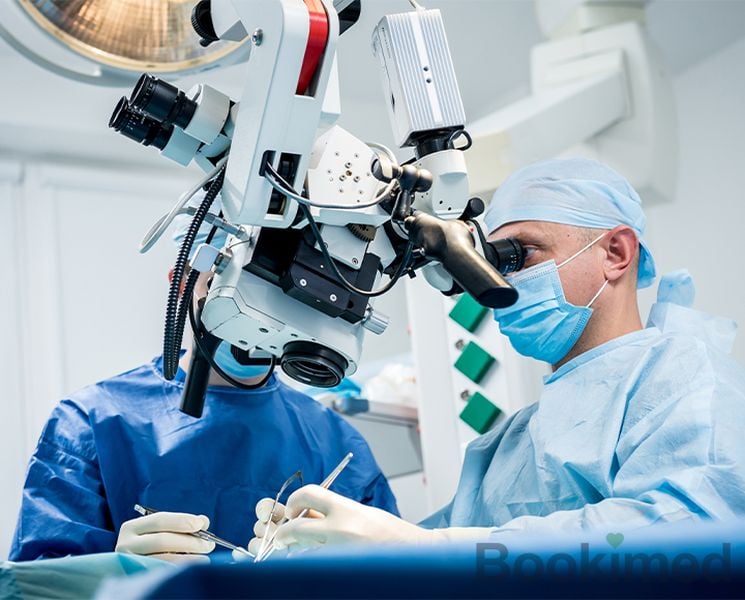
This procedure involves the removal of a tumor from the pituitary gland, often performed using minimally invasive techniques.
FAQ about Pituitary tumor surgery in Germany
What is the typical hospital stay and recovery timeline after pituitary surgery in Germany?
Pituitary surgery in Germany requires a hospital stay of 7 to 9 days to monitor hormone levels. Full recovery typically takes 4 to 6 weeks. Patients stay inpatient longer than in the US to ensure immediate stabilization of vital sodium and water balances.
- Hospital monitoring: Surgeons track fluid intake to prevent temporary diabetes insipidus or salt imbalances.
- Transition care: Patients move from intensive care to neurosurgery wards after 24 hours.
- Surgical restrictions: Avoid nose-blowing or bending forward for 6 weeks to protect skull reconstruction.
- Activity limits: Heavy lifting over 3 kilograms is prohibited during the initial 4-week healing phase.
Bookimed Expert Insight: German clinics like Medical Center in Solingen emphasize long-term endocrine stability over quick discharge. While US clinics often release patients in 48 hours, German neurosurgeons utilize the full 9-day stay to calibrate hormone replacement. This clinical rigor reduces readmission risks for fluctuating cortisol or sodium levels.
Patient Consensus: Many survivors warn that while you can walk soon after surgery, the intense nasal congestion and sinus headaches make the first 2 weeks exhausting. Most emphasize the importance of having an endocrinologist ready for immediate follow-up after discharge.
Which hospitals in Germany are top-rated for neurosurgery?
Germany features some of the worlds most prestigious neurosurgery departments, led by Charité – Universitätsmedizin Berlin and University Hospital Heidelberg. These centers excel in treating complex brain tumors and cerebrovascular disorders. They utilize advanced technologies like intraoperative MRI and computer-assisted neuronavigation to maximize procedural success.
- Charité Berlin: Performs 5,000+ surgeries annually. Led by renowned neurosurgeon Dr. Peter Vajkoczy.
- Medical Center Solingen: Dr. Ralf Buhl has performed 4,000+ procedures, including minimally invasive spine surgery.
- Asklepios Nord Clinic: Features Germany's only two-sided intraoperative MRI for real-time surgical precision during tumor removals.
- Nordwest Clinic: Recognized by Newsweek as a leading hospital for innovations in 3D ultrasound technology.
Bookimed Expert Insight: Data shows that choosing high-volume centers often leads to more conservative treatment recommendations. At Medical Center Solingen, which treats 60,000+ patients yearly, surgeons frequently suggest physiotherapy over immediate surgery if risks appear high. This volume-based expertise ensures patients only undergo operations when statistically necessary for recovery.
Patient Consensus: Patients note that German specialists are very cautious and will explain all risks before proceeding. Many emphasize the comfort of modern facilities, though some mention that having a translator is helpful for navigating administrative paperwork.
What are the reported success rates for high-complexity neurosurgery in Germany?
High-complexity neurosurgery in Germany demonstrates exceptional safety. Spinal fusions reach a 99% success rate. Primary brain tumor resections maintain a 97% survival rate. Functional independence is high. Over 82% of patients discharge directly home after treatment. German centers prioritize preserving neurological function using advanced mapping.
- Tumor resection: Surgeons achieve gross total resection in 87.2% of brain metastasis cases.
- Vascular success: Unruptured aneurysm treatments show a 98.7% survival rate in German hospitals.
- Neurological improvement: Nearly 43% of patients see functional score gains after complex resections.
- Surgical safety: Spinal procedures maintain a 98–99% survival rate across major surgical centers.
Bookimed Expert Insight: High-volume surgeons like Dr. Uwe Kehler at Asklepios Altona Clinic perform 2,000+ operations annually. Data shows these experts maintain success rates up to 90% for the most complex cerebral tumors. Choosing a specialist with 4,000+ personal surgeries, such as Dr. Ralf Buhl, ensures technical precision gathered over decades of practice.
Patient Consensus: Patients note that German surgeons often prioritize physical function over aggressive tumor removal. It is important to write down all questions in advance to make the most of short consultations with busy professors.
What advanced technologies are routinely available in German neurosurgical clinics?
German neurosurgical clinics routinely integrate high-precision digital tools and real-time imaging into surgical practice. Core technologies include computer-assisted neuronavigation for brain and spinal procedures. Facilities like Asklepios Nord Clinic use intraoperative MRI to verify tumor removal in real time. These systems provide a 3D GPS for surgeons.
- Neuronavigation: Provides 3D visualization and real-time instrument tracking for sub-millimeter surgical precision.
- Intraoperative imaging: Systems like iMRI and O-arm CT allow immediate verification of successful resection.
- Neuromonitoring: Tracks motor and sensory functions during surgery to protect the nervous system.
- Fluorescence diagnostics: Uses 5-ALA dye to illuminate tumor borders for more complete removal.
- Robotic assistance: Systems like Da Vinci enhance dexterity for complex minimally invasive procedures.
Bookimed Expert Insight: High-volume centers like Charité – Universitätsmedizin Berlin perform 4,000+ neurosurgeries annually, creating a data-rich environment for refining robotic protocols. Medical Center in Solingen offers specialized packages for herniated disc surgery including preoperative diagnostics. This volume allows German clinics to negotiate better rates for consumables, keeping advanced tech accessible.
Patient Consensus: Patients note that modern German clinics significantly reduce recovery times compared to older surgical methods. Many describe the experience as less painful due to smaller incisions and highly competent staff who explain every technical risk clearly.
What specialist training do practicing neurosurgeons in Germany complete?
Neurosurgeons in Germany must complete 6 years of specialized residency training after medical school. This structured program includes intensive care, clinical practice, and a mandatory surgical log. Candidates then pass a state board exam to earn the title Facharzt für Neurochirurgie.
- Clinical residency: Requires 48 to 72 months of dedicated neurosurgical practice.
- Intensive care: Includes mandatory 6-month rotation in a neurosurgical intensive care unit.
- Surgical log: Surgeons document hundreds of procedures, including craniotomies and spinal surgeries.
- Board examination: Candidates must pass a state-administered oral and practical medical assessment.
Bookimed Expert Insight: German neurosurgery training emphasizes high-volume surgical experience. For example, Dr. Ralf Buhl at Medical Center in Solingen has performed 4,000+ surgeries. Dr. Jürgen Kiwit at Meoclinic Hospital brings 25+ years of expertise. This rigorous system ensures that specialists at major centers manage complex cases with proven precision.
Patient Consensus: Patients feel confident knowing their doctors underwent years of strict, state-monitored training. Many note that the detailed documentation of a surgeon's past procedures provides significant peace of mind before surgery.
What language and licensure requirements apply to international surgeons aiming to train or observe neurosurgery cases in Germany?
International neurosurgeons must meet strict language and licensure standards to train or observe in Germany. Training requires a full medical license or temporary permit. Observers need hospital-specific approval. Both paths demand high-level German proficiency to participate in clinical discussions and follow complex surgical protocols safely.
- Language proficiency: General German B2 and medical C1 (Fachsprachprüfung) are mandatory for clinical training.
- Clinical licensure: Surgeons need Approbation for permanent practice or Berufserlaubnis for temporary supervised training.
- Observation status: A Hospitation allows observing surgeries without medical responsibility or a formal license.
- Credential evaluation: Non-EU graduates often face a 3–6 month process to verify their medical degrees.
Bookimed Expert Insight: German clinics with high patient volumes, like Nordwest Clinic or Asklepios Nord, often prioritize candidates who have already secured their preliminary document evaluation. Our data shows that professors like Dr. Uwe Kehler and Dr. Paul Kremer manage thousands of cases annually. Demonstrating German B2 level early can bypass many bureaucratic delays in these busy departments.
Patient Consensus: Patients note that the language barrier is significant. They emphasize that while some international staff help, having a translator or a German-speaking doctor is vital for clear communication.
Does Germany have enough neurosurgeons to handle both domestic and international patient volumes?
Germany maintains the highest density of neurosurgeons in Europe with 2.94 specialists per 100,000 residents. This robust workforce easily manages international volumes through 184 dedicated departments. Key facilities like Charite Berlin perform 4,000+ surgeries annually. High specialist availability ensures additional capacity for complex global cases.
- Specialist density: Germany has 2.94 neurosurgeons per 100,000 people, doubling the European average.
- Clinical infrastructure: Over 182 dedicated neurosurgical departments provide widespread geographic access across Germany.
- Surgical expertise: Prof. Dr. Peter Vajkoczy at Charite Berlin leads over 4,000 annual procedures.
- Advanced technology: Facilities like Asklepios Nord Clinic utilize intraoperative MRI and computerized neuronavigation.
Bookimed Expert Insight: While Germany has high specialist numbers, top-tier professors like Dr. Ralf Buhl or Dr. Uwe Kehler are often concentrated in major hubs like Hamburg or Solingen. Our data shows these high-volume centers actually offer faster access for international patients than smaller clinics. Large academic hospitals maintain dedicated tracks for complex cases, effectively bypassing local capacity bottlenecks found in rural areas.
Patient Consensus: Patients often note that while surgeons are highly professional, clear communication about reports can sometimes take time. One patient mentioned that recovery periods in German clinics are now much shorter and less painful than in previous decades.