Trans-sphenoidal Hypophysectomy (Adenomectomy) in India — Get 3 Top Clinic Matches with Costs
Trans-sphenoidal hypophysectomy in India costs $6,000 to $9,500, about 85% less than the US average of $53,000 (Bookimed data, November 2026). Bookimed lists 2 trans-sphenoidal hypophysectomy clinics in India, in Delhi and Hyderabad, including JCI-accredited clinics.


Medically reviewed by
Ali Zirh
How Much Does Trans-sphenoidal hypophysectomy (adenomectomy) Cost in India?
Trans-sphenoidal hypophysectomy (adenomectomy) in India typically costs from $6,000 to $9,500. The total expense depends on the surgical technique, the hospital's tier, and the length of the ICU stay. In the US, this procedure costs $53,000 on average. Most Indian surgical packages include the neurosurgical procedure, hospital stay, and standard diagnostic workup.
- Hospital tier. Prices in premier metro hubs like Delhi or Mumbai tend to be higher.
- Surgical technique. Minimally invasive endoscopic approaches often require specialized equipment and neuro-ENT teams.
- Pre-surgical workup. Costs include high-resolution contrast MRI and detailed endocrinological hormone assays.
- Length of stay. Packages usually cover one–two days in ICU and four–seven days in-hospital.
Bookimed Expert Insight. High-tier facilities like Apollo Hospital Indraprastha and Continental Hospitals provide JCI-accredited care at predictable rates. Apollo offers packages starting around $6,500, while Continental typically runs about $6,000. These centers often include airport transfers and interpreters for international patients. Choosing established hubs like Delhi or Hyderabad ensures access to advanced BrainLab navigation systems.
| India | Turkey | Austria | |
|---|---|---|---|
| Trans-sphenoidal hypophysectomy (adenomectomy) | from $6,000 | from $8,000 | ≈ $14,500 |
Your Benefits and Guarantees with Bookimed
Transparent Prices & Flexible Installments
No hidden fees – just official clinic prices. Pay at the clinic for Trans-sphenoidal hypophysectomy (adenomectomy) upon arrival and use a flexible installment plan if needed.
Verified Clinics & Doctors Only
Bookimed is committed to your safety. We only work with medical institutions that maintain high international standards in Trans-sphenoidal hypophysectomy (adenomectomy) and have the necessary licenses to serve international patients worldwide.
Free 24/7 Assistance
Bookimed offers free expert assistance. A personal medical coordinator supports you before, during, and after your treatment, solving any issues. You're never alone on your Trans-sphenoidal hypophysectomy (adenomectomy) journey.

Your personal Bookimed medical coordinator
- Supports you at every stage
- Helps choose the right clinic and doctor
- Ensures quick and convenient access to information
Discover the Best Trans-sphenoidal hypophysectomy (adenomectomy) Clinics in India: 10 Verified Options and Prices










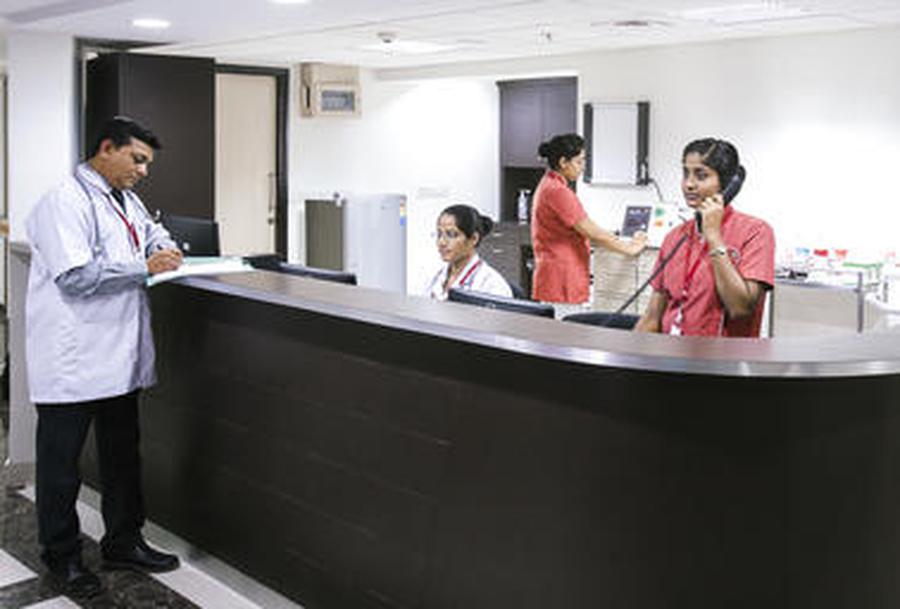

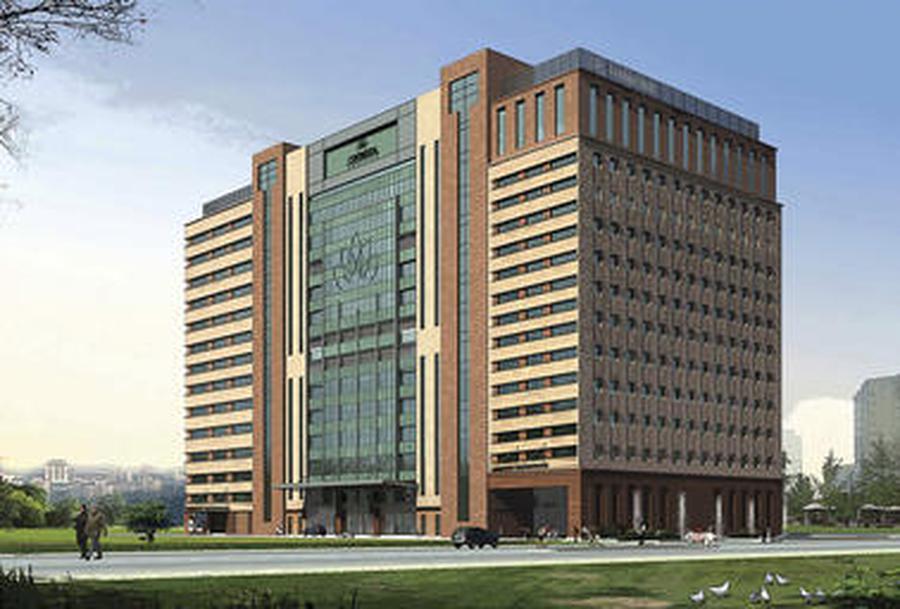

Indraprastha Apollo Hospital


Trans-sphenoidal hypophysectomy (adenomectomy) Overview in India
- Tonsillectomy - from $1,500The procedure involves removing the tonsils to alleviate issues like tonsillitis or sleep apnea, improving patient health.
- Trans-sphenoidal hypophysectomy (adenomectomy) - from $6,000This surgery removes pituitary tumors through the nose, with benefits including less pain and faster recovery.
- Adenoid Removal - from $600This operation eliminates adenoids to help breathing, reduce infection risk, and decrease sinus and ear issues.
Day 1 - Arrival
- Transfer from airport to hotel provided.
- Rest and acclimatize to the new environment.
Day 2 - Pre-operation
- Consultation with the neurosurgeon and anesthesiologist.
- Biopsy and other necessary medical tests conducted.
- Receive varicose vein stocking for post-operation use.
Day 3 - Trans-sphenoidal hypophysectomy (adenomectomy)
- Procedure is performed under general anesthesia.
- It lasts approximately 2 to 3 hours.
- Neurosurgeon accesses the pituitary gland through the nose and sphenoid sinus.
- After surgery, you"ll be transferred to a recovery room or ICU.
Day 4 to Day 7 - Post-operation
- Stay in the hospital for monitoring and recovery.
- Regular check-ups by the medical team.
- Pain management and wound care provided.
Week 1 to Week 4 - Rehabilitation
- Gradual return to normal daily activities.
- Use of varicose vein stocking to aid in recovery.
- Follow-up appointments with the neurosurgeon.
Week 5 onwards
- Most patients can return to work after 4 to 6 weeks post-operation.
- Regular physical and occupational therapy might be necessary.
- Final results usually observed 3 months after the surgery.
Please note that the timeline and procedures might vary according to individual cases and the surgeon"s assessment.
- Bookimed deposit: $200 or €200.
- Clinic deposit: Pay a set percentage in advance.
Our Doctors
View all Doctors
Sridhar Krishnamurthy
Dr. Sridhar Krishnamurthy is the Director of the Institute of Neurosciences and Spinal Disorders in Chennai. He is an inventor of specialized surgical tools like the Sridhar Spinal Retractor System. Dr. Krishnamurthy trained at top institutions in Germany and Switzerland. He currently treats complex cases at Global Hospital Chennai.
- Invented the Occipito-Cervical Plate Screw Wire Construct for spinal surgery.
- Completed postgraduate neurosurgery training at KRH Klinikum Nordstadt in Germany.
- Performs deep brain stimulation (DBS) surgery for conditions like Parkinson's disease.
- Works at a hospital ranked among the World's Best Smart Hospitals by Newsweek.

Surender Kumar Dabas
Dr. Surender Kumar Dabas is a surgical oncologist at BLK-Max Super Speciality Hospital in Delhi. He performs surgery for various cancers in the oncology department. Dr. Dabas works at one of India's largest private tertiary care institutions, which includes a specialized cancer center for patients in the region.
Video Stories from Bookimed Patients
Reviews about Bookimed: Discover Patients' Insights
All reviewsShare this content
 Anna Leonova

FAQ about Trans-sphenoidal hypophysectomy (adenomectomy) in India
What documents are required to apply for a visa to India for treatment?
Visa for travel to India requires a number of documents. The necessary list of documents includes:
- ID card
- copy of online visa application form
- certificate of income and availability of funds
- recent size 2 photos
- proof of residential address
- booking of flight and hotel
- medical opinion about the need for treatment in India.
What hotel services are provided here?
In India, hotels of different price ranges and service levels are presented. Most tourists choose 4 and 5-star hotels. Such hotels have everything for a comfortable stay: varied European and Asian food, a vast, well-groomed territory, animation for children and adults. Some hotels have a water park available to guests. Budget travelers can afford to book an economical 3-star hotel with half board or no meals at all.
Do I need a visa?
International patients are required to receive an electronic visa (e-Visa). The maximum period of stay in the country with this visa type is 6 months. Read more about the visa terms for treatment in India here.
What is the level of medicine in India?
Healthcare in India is based on cost-effective models. Most of the hospitals are private — 65% of annual GDP is out-of-pocket medical payments.
1.4 mln doctors provide excellent treatments in the country. 74% of the Indian medical care is private. The local healthcare centers have international and national certificates that confirm the high quality of services and patients' safety:
- JCI (Joint Commission International) — the international improver of healthcare quality and safety across the globe
- NABH (National Accreditation Board for Hospitals & Healthcare Providers) — the Indian quality council establishing healthcare accreditation for medical centers within the country.
India has 39 JCI-accredited medical centers in contrast with 20 JCI-certified facilities in Germany and 10 hospitals in Israel.
What should you know about India before the trip?
Currency | Indian Rupee (you also can pay for services in USD) |
Best period for the trip | October-March |
Language | Hindi (most of medical staff speaks English fluently) |
Visa | is required |
Time difference with Europe | 5 hours |
Time difference with the USA | 10 hours |
Capital | New Delhi |
Medical tourism center | Mumbai, New Delhi |
Popular resorts | Goa, Jaipur, Mumbai |