Aortic aneurysm surgery in Italy — get 3 personalized clinic matches
Bookimed lists 5 aortic aneurysm surgery clinics in Italy, mostly in Milan, Rome, and Bologna. These clinics are rated 4.7/5 in 128 verified patient reviews on Bookimed.

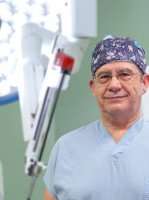
Medically reviewed by
Hasim Ustunsoy
How it works
How Much Does Aortic aneurysm surgery Cost in Italy?
Aortic aneurysm surgery in Italy typically costs from $28,000 to $42,000. The final price depends on the surgical technique, such as open repair or endovascular methods. Patients save approximately 71% compared to the US, where the average price is $120,000. These estimates generally include the surgical procedure and a hospital stay lasting between 9 and 16 days.
- Aneurysm coiling: $15,000 to $23,000 for this minimally invasive endovascular procedure.
- Endovascular repair (EVAR): Usually the most affordable option, starting around 20% less than open surgery.
- Technique complexity: Advanced procedures like FEVAR or TEVAR typically command a 30-50% price premium.
- Regional hubs: Major medical centers are located in Milan, Rome, Bologna, and Bari.
Bookimed Expert Insight: Italy offers elite cardiac care, with San Donato Hospital performing over 9,400 vascular operations annually. Choosing a high-volume center in Milan or Bologna ensures access to multidisciplinary heart teams. For example, Maria Cecilia Hospital is JCI-accredited and handles 15% of Italy's cardiac surgeries. Seeking experts like Prof. Giuseppe Speziale provides a balance of world-class accreditation and specialized minimally invasive expertise.
| Italy | Turkey | Austria | |
|---|---|---|---|
| Aortic aneurysm surgery | ≈ $28,000 | from $13,000 | ≈ $38,000 |
| Aneurysm coiling | ≈ $15,000 | from $17,500 | ≈ $17,500 |
Discover the Best Aortic aneurysm surgery Clinics in Italy: 5 Verified Options and Prices










Aortic aneurysm surgery Overview in Italy
Day 1
- Arrive at the airport.
- Transfer to the hotel.
Day 2
- Transfer from the hotel to the clinic.
- Consultation with a cardiovascular surgeon.
- Pre-operative tests including blood tests, ECG, and CT scan.
Day 3
- Additional tests if required, based on the surgeon"s evaluation.
Day 4
- Preparation for the surgery, including fasting.
Day 5
- Undergo aortic aneurysm surgery.
- The surgery lasts 4-6 hours under general anesthesia.
Day 6-14
- Post-operative care in the clinic including monitoring and medication.
Week 3
- Discharge from the clinic with instructions for home care.
Week 4-6
- Rehabilitation period begins with light activities and exercises.
Week 7-8
- Gradual return to work and normal activities.
Week 9-10
- Follow-up consultation with the surgeon.
Week 11-12
- Full recovery and return to sports activities.
Please note that every individual"s recovery process may vary.
- Bookimed deposit: $200 or €200.
- Clinic deposit: Pay a set percentage in advance.
Our Doctors
View all Doctors
Prof Giuseppe Speziale
Prof Giuseppe Speziale specializes in minimally invasive aortic surgery and leads cardiac surgery departments at multiple prestigious hospitals, including Santa Maria Hospital.
- National Coordinator of Cardiac Surgery for GVM Care & Research
- Expert in minimally invasive techniques for valve and aortic diseases
- Co-Founder and President of the Scientific Committee of Mitral Academy
- Author of over 90 publications in leading cardiothoracic journals
- Recipient of the 'Top Doctors Awards' in 2021

Giuseppe Speziale
Dr. Giuseppe Speziale is a cardiac surgeon and Director of Cardiac Surgery at Santa Maria Hospital. He lives and works in Rome. He focuses on minimally invasive and noninvasive valvular surgeries. Dr. Speziale serves as the Vice President of GVM Care & Research. He treats complex conditions like atrial fibrillation and mitral valve prolapse.
- Coordinator of the GVM Care & Research Cardiac Surgery Department.
- Active member of the American Association for Thoracic Surgery.
- Member of the International Society for Minimally Invasive Cardiothoracic Surgery.
- Scientific Director of the Italian Association of Cardiopaths onlus.

Roberto Chiesa
Dr. Roberto Chiesa is a vascular surgeon at San Raffaele Research Hospital in Milan. He specializes in thoracic and thoracoabdominal aortic diseases. Dr. Chiesa is known for his work on the frozen elephant trunk technique. He holds specializations in general, vascular, and cardiac surgery. His expertise includes treating vascular graft infections and complex aortic conditions.
- Served as President of the Italian Vascular Surgery Society (SICVE).
- Former President of the French Vascular Surgery Society (SCVE).
- Member of the European Society for Vascular Surgery guideline committees.
- Scientific coordinator for the Vascular Update Journal.
Video Stories from Bookimed Patients
Reviews about Bookimed: Discover Patients' Insights
All reviews


Share this content
 Anna Leonova
FAQ about Aortic aneurysm surgery in Italy
What are the most common surgical techniques used in Italy for aortic aneurysm repair?
Italian cardiovascular centers primarily utilize Endovascular Aneurysm Repair (EVAR) and Thoracic Endovascular Aneurysm Repair (TEVAR), which now account for over 72% of procedures. Surgeons also employ complex fenestrated or branched grafts (F-EVAR/B-EVAR), hybrid techniques, and traditional open repair for anatomically complex or ruptured cases.
- EVAR dominance: Minimally invasive stent-graft placement through groin incisions is the primary abdominal repair method.
- TEVAR application: Surgeons use thoracic endovascular repair as the mainstream option for chest cavity aneurysms.
- Open surgery: Reserved for patients under 70 or those with complex, unsuitable vascular anatomy.
- Hybrid procedures: Combined open and endovascular methods, like the `Frozen Elephant Trunk,` treat aortic arches.
- Lifelong surveillance: Mandatory periodic CT angiogram scans ensure long-term stent stability and prevent late leaks.
Bookimed Expert Insight: Italian cardiac volume is concentrated in Milan, where San Donato Hospital alone performs over 9,400 operations annually. Data shows that Maria Cecilia Hospital manages 15% of national cardiac surgeries. Patients should prioritize high-volume centers in Milan or Rome, as these hubs frequently utilize branched F-EVAR grafts. These specialized devices significantly reduce reintervention rates for complex juxtarenal aneurysms compared to standard stents.
Patient Consensus: Patients value the rapid 48-hour discharge common after endovascular procedures compared to the 10-day recovery required for open surgery. Many suggest bringing translated medical summaries to navigate public hospital admissions more efficiently.
What are the reported success rates for aortic aneurysm surgery in Italy?
Reported technical success rates for elective aortic aneurysm surgery in Italy reach 97% to 98% in modern registries. Planned endovascular repairs show 30-day mortality as low as 1.87%. Long-term data indicates 97.2% of patients remain free from aorta-related complications 10 years after receiving endovascular grafts.
- Procedure success: Italian registries report 98.1% technical success for endovascular repair (EVAR) procedures.
- Elective mortality: Adjusted 30-day mortality for unruptured abdominal aortic aneurysms averages 1.87% nationwide.
- Survival rates: Overall 5-year survival for elective repair patients ranges between 77.7% and 88.5%.
- Specialized centers: Facilities like San Donato Hospital perform over 9,400 cardiovascular operations annually.
Bookimed Expert Insight: Italian centers like Maria Cecilia Hospital handle 15% of the country’s cardiac surgeries. This high volume directly correlates with higher safety. Data shows clinics with IRCCS research hospital designations in Milan typically maintain lower complication rates than smaller regional facilities. Choosing a high-volume center is the most reliable way to ensure a successful outcome.
Patient Consensus: Patients emphasize the value of consulting dedicated aortic specialists in Milan. Many report that clear explanations from surgeon teams helped reduce anxiety regarding the long-term durability of grafts.
How long is the typical hospital stay and recovery after aortic aneurysm surgery in Italy?
Hospital stay and recovery in Italy vary by surgical approach. Minimally invasive Endovascular Aneurysm Repair (EVAR) typically requires 2 to 4 days of hospitalization. Traditional open surgery involves 5 to 10 days, often including initial monitoring in the intensive care unit.
- Minimally invasive stay: Patients usually leave the hospital within 2 to 4 days after EVAR.
- Open surgery stay: Hospitalization ranges from 5 to 10 days for traditional aortic repairs.
- Initial recovery: Light activities resume after 2 weeks for EVAR or 4 weeks for open surgery.
- Full activity: Heavy lifting and strenuous exercise must be avoided for 6 to 12 weeks.
Bookimed Expert Insight: Italian centers like San Donato Hospital perform over 9,400 cardiovascular operations annually, often using fast-track protocols. These specialized centers reduce median stays to 5 days for open cases. Choosing high-volume clinics in Milan or Rome ensures access to these efficiency-driven recovery standards.
Patient Consensus: Many patients report feeling ready to walk by day 1 post-op, which helps speed up discharge. However, consensus suggests budgeting at least 4 weeks off work to manage post-surgical fatigue properly.
Which hospitals in Italy are considered leaders for aortic aneurysm surgery?
Italy excels in aortic aneurysm surgery through centers like San Donato Hospital and San Raffaele in Milan. These leaders leverage advanced endovascular aneurysm repair and hybrid techniques. Surgeons such as Roberto Chiesa and Giuseppe Speziale specialize in complex thoracic and abdominal repairs with high success rates.
- San Donato Hospital: Performs 9,400+ annual vascular operations, the highest volume in Italy.
- San Raffaele Clinic: Specializes in frozen elephant trunk and hybrid E-Vita aortic arch techniques.
- Maria Cecilia Hospital: Manages 15% of Italian cardiac surgeries using a multidisciplinary Heart Team.
- Ospedale San Carlo: Features 145 doctors specializing in minimally invasive cardiovascular and aortic procedures.
Bookimed Expert Insight: San Donato Hospital provides a unique safety advantage due to its IRCCS research status. This designation allows patients access to experimental vascular grafts before they reach general hospitals. Their surgeon, Alessandro Frigiola, leads a team performing over 8,400 procedures yearly, ensuring high-volume expertise for complex cases.
Patient Consensus: Patients frequently highlight the relief of accessing top-tier academic surgeons without long waiting lists. They appreciate the modern hybrid rooms that allow for quicker recovery and smaller incisions.
Why do international patients choose Italy for aortic aneurysm surgery?
International patients choose Italy for aortic aneurysm surgery because of its high-volume cardiac centers and advanced endovascular expertise. Key facilities in Milan and Bologna utilize minimally invasive techniques like EVAR and FEVAR, achieving high efficacy rates while offering up to 71% savings compared to standard US costs.
- Surgical expertise: Surgeons at top centers often perform over 500 specialized aortic procedures.
- Clinical volume: San Donato Hospital completes over 9,400 cardiovascular operations annually.
- Advanced technology: Clinics utilize 3D-guided procedures and hybrid systems like E-Vita for complex repairs.
- Accreditation standards: Facilities like Maria Cecilia Hospital maintain Joint Commission International (JCI) accreditation.
Bookimed Expert Insight: Clinical volume is the most reliable predictor of success in Italy. San Donato Hospital handles the highest number of heart operations in the country. This concentration of cases allows their surgeons to refine complex techniques like TEVAR far more quickly than lower-volume regional clinics.
Patient Consensus: Many find the medical teams exceptionally competent, especially for complex endovascular cases. Patients often suggest hiring a bilingual coordinator to navigate hospital paperwork and manage daily communication with staff.