Brain tumor removal in Italy — get 3 personalized clinic matches
Bookimed lists 5 brain tumor removal clinics in Italy, in Milan, Rome, and Bologna. These clinics are rated 4.7/5 in 145 verified patient reviews on Bookimed.

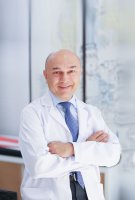
Medically reviewed by
Ali Zirh
How it works
How Much Does Brain tumor removal Cost in Italy?
Brain tumor removal in Italy typically costs from $18,000 to $31,000, depending on tumor complexity and the surgical approach used. In the US, similar procedures cost around $85,000 on average. Patients in Italy save approximately 71% compared to US prices. Standard costs generally include the neurosurgical procedure, anesthesia, a multi-day hospital stay, and necessary medications. Major medical hubs for these treatments include Milan, Rome, and Bologna.
- Minimally invasive approach: Advanced techniques using 4K 3D microscopy can start around $18,850.
- Complexity premium: Craniotomy with neuronavigation typically adds 15-20% to the standard surgical cost.
- City-based variations: Facilities in Rome or Milan may range from $28,100 to $38,900.
- Diagnostic phase: Pre-operative MRI and CT scans are often billed separately from the surgery.
Bookimed Expert Insight: Choosing a high-volume specialist in Italy provides exceptional value without the premium price. For instance, Dr. Ignazio Borghesi at Maria Cecilia Hospital performs over 1,000 neurosurgical procedures annually. He utilizes advanced 4K 3D imaging for complex brain tumor cases. This expertise is available in comprehensive packages starting around $18,850. Italy’s IRCCS-accredited hospitals, like San Raffaele, offer world-class oncology care at a fraction of US costs.
| Italy | Turkey | Austria | |
|---|---|---|---|
| Brain tumor removal | ≈ $18,000 | from $8,000 | ≈ $18,000 |
Discover the Best Brain tumor removal Clinics in Italy: 5 Verified Options and Prices








Brain tumor removal Overview in Italy
Day 1
- Arrival at the airport.
- Transfer to the 4* hotel.
- Rest and acclimate.
Day 2
- Transfer to the clinic.
- Consultation with a neurosurgeon.
- Undergo necessary medical tests.
- Discussion of biopsy results.
Day 3
- Preparation for surgery.
- Brain tumor removal, lasting 3-5 hours.
- General anesthesia is administered.
- Recovery in the post-operative ward.
Day 4-5
- Monitoring and recovery in the clinic.
- Post-operative care and checks by specialists.
Week 1-2
- Discharge from the clinic.
- Rest and recovery at the hotel.
- Regular outpatient check-ups at the clinic.
Week 3-4
- Continued recovery and rest.
- Follow-up consultations and checks.
Week 5-6
- Return to light activities.
- Continued outpatient care as needed.
Week 7-8
- Return to work, depending on recovery progress.
- Gradual return to sports and strenuous activities.
Please note that each patient"s recovery timeline will vary depending on individual circumstances.
- Bookimed deposit: $200 or €200.
- Clinic deposit: Pay a set percentage in advance.
Our Doctors
View all Doctors
Ignazio Borghesi
Performs around 1,000 advanced neurosurgical procedures annually – Dr. Borghesi leads the Neurosurgery Unit at Maria Cecilia Hospital.
- Specializes in minimally invasive brain surgery with 4K 3D imaging
- Has successfully performed over 4,500 complex cranial and spinal surgeries
- Trained in top-tier international hospitals including the Brain Institute at the University of Florida
- Published numerous scientific papers on neurosurgical techniques

Giuseppe Speziale
Dr. Giuseppe Speziale is a cardiac surgeon and Director of Cardiac Surgery at Santa Maria Hospital. He lives and works in Rome. He focuses on minimally invasive and noninvasive valvular surgeries. Dr. Speziale serves as the Vice President of GVM Care & Research. He treats complex conditions like atrial fibrillation and mitral valve prolapse.
- Coordinator of the GVM Care & Research Cardiac Surgery Department.
- Active member of the American Association for Thoracic Surgery.
- Member of the International Society for Minimally Invasive Cardiothoracic Surgery.
- Scientific Director of the Italian Association of Cardiopaths onlus.
Video Stories from Bookimed Patients
Reviews about Bookimed: Discover Patients' Insights
All reviewsShare this content
 Anna Leonova
Fast Facts about Brain tumor removal
Brain Tumor Removal
Involves the surgical excision of abnormal growths within the brain to alleviate symptoms and prevent further complications.
FAQ about Brain tumor removal in Italy
What advanced surgical techniques are utilized for brain tumor removal in Italy?
Italian neurosurgical centers prioritize maximal safe resection using high-precision methods like awake craniotomy and fluorescence-guided surgery. Surgeons at JCI-accredited facilities use intraoperative mapping and 4K 3D digital microscopy to distinguish malignant cells from healthy tissue while preserving critical speech and motor functions.
- Awake craniotomy: Patients undergo functional testing during surgery to protect speech and cognitive pathways.
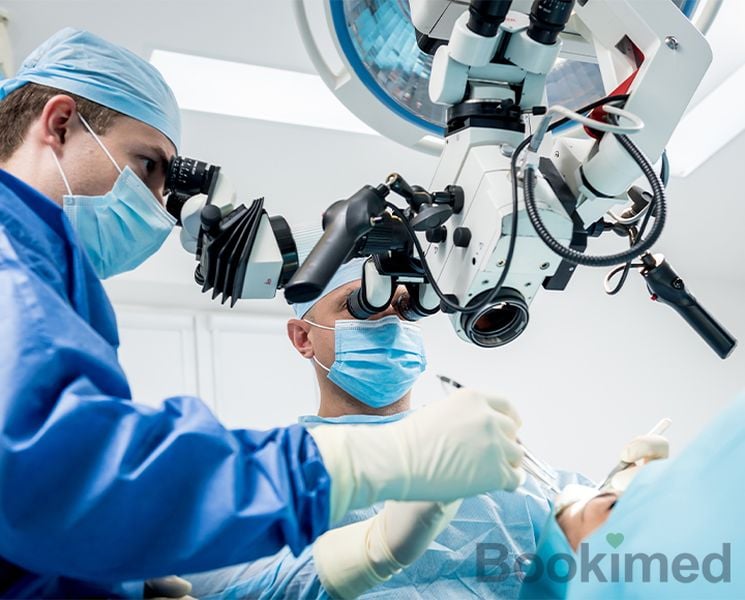
- Digital microscopy: Surgeons use 4K 3D imaging for extreme precision during complex cranial resections.
- Fluorescence guidance: Drinkable contrast agents make tumor margins glow under specialized blue-light surgical microscopes.
- Intraoperative imaging: Real-time ultrasound and neuronavigation account for brain shift during lengthy 9-hour procedures.
Bookimed Expert Insight: Italian neurosurgery stands out for combining high-tech tools with massive clinical volume. Dr. Ignazio Borghesi at Maria Cecilia Hospital has performed over 5,000 surgeries. This specific experience allows clinics to offer advanced functional mapping that is often unavailable at smaller regional centers.
Patient Consensus: People undergoing awake surgery often find the head-fixing device more uncomfortable than the actual tumor removal. Success relies on finding a team that performs these complex resections frequently within the Italian healthcare system.
What are the main medical hubs in Italy for neurosurgery and brain tumor treatment?
Italy hosts globally recognized neurosurgery hubs in Milan, Rome, and Bologna, featuring centers with IRCCS research status. These facilities use 4K 3D digital microscopy and Gamma Knife technology to treat complex cranial tumors, maintaining high success rates through multidisciplinary neuro-oncology teams and specialized simulation centers.
- Milan hub: Centers like San Raffaele perform 52,000 surgeries annually using Cyber Knife technology.
- Rome hub: Institutions like Policlinico Gemelli lead in neuro-oncology and pediatric brain tumor care.
- Bologna region: Maria Cecilia Hospital uses 4K 3D microscopy for minimally invasive tumor removals.
- Specialized techniques: Facilities offer awake mapping surgery to protect speech and motor functions during resection.
Bookimed Expert Insight: Data shows a clear advantage in choosing centers with high surgical volumes, such as San Raffaele or Maria Cecilia Hospital. Dr. Ignazio Borghesi at Maria Cecilia Hospital has performed over 5,000 complex surgeries. Selecting a surgeon with this specific volume often leads to better outcomes in delicate cranial procedures.
Patient Consensus: Patients emphasize choosing university hospitals for serious brain surgery because they offer integrated teams. Many advise checking the annual resection volume of your specific surgeon before booking a procedure.
Is neurological rehabilitation available after brain tumor removal surgery in Italy?
Italy provides advanced neurological rehabilitation after brain tumor surgery through specialized Scientific Institutes for Research, Hospitalization and Health Care (IRCCS) centers. Programs integrate neurology, physiotherapy, and neuropsychology to address cognitive and motor deficits in JCI-accredited and Newsweek-ranked facilities across Milan and Rome.
- Specialized settings: Care levels include high-intensity inpatient units and step-down post-acute facilities.
- Multidisciplinary teams: Neurologists, physiatrists, and speech therapists collaborate on personalized recovery pathways.
- Advanced technology: Facilities like San Raffaele use PET-MRI and robotic assistance for recovery.
- Care coordination: Surgical teams typically refer patients directly to subsidized or private rehabilitation programs.
Bookimed Expert Insight: Italian centers with IRCCS status, such as San Donato or San Raffaele, offer a unique advantage by combining clinical care with active research. Data shows these clinics manage over 300,000 patients annually, meaning their teams see rare post-surgical complications more frequently than smaller centers. For international patients, choosing a clinic like Maria Cecilia Hospital is wise as they hold specific Bookimed awards for neurosurgery excellence.
Patient Consensus: Recovery involves early, consistent movement like daily walks, though fatigue remains a significant factor for up to a year. Patients emphasize that supervised programs in Italy yield better results than home exercises for regaining cognitive and motor functions.