Nasal Polyps Treatment in Lithuania — Get 3 Personalized Clinic Matches


Medically reviewed by
Fahad Mawlood
What's the Cost of Nasal polyps Diagnosis and Treatment in Lithuania?
| Turkey | Austria | |
|---|---|---|
| Nasal polyp surgery | from $2,000 | ≈ $3,600 |
| Endoscopic Sinus Surgery | from $6,000 | ≈ $4,800 |
Your Benefits and Guarantees with Bookimed
Transparent Prices & Flexible Installments
No hidden fees – just official clinic prices. Pay at the clinic for Nasal polyps treatment and use a flexible installment plan if needed.
Verified Clinics & Doctors Only
Bookimed is committed to your safety. We only work with medical institutions that maintain high international standards in Nasal polyps treatment and have the necessary licenses to serve international patients worldwide.
Free 24/7 Assistance
Bookimed offers free expert assistance. A personal medical coordinator supports you before, during, and after your treatment, solving any issues. You're never alone on your Nasal polyps treatment journey.

Your personal Bookimed medical coordinator
- Supports you at every stage
- Helps choose the right clinic and doctor
- Ensures quick and convenient access to information
Best Nasal polyps Treatment Centers in Lithuania: 3 Verified Options and Prices



Fi Clinica
Share this content
Video Stories from Bookimed Patients
 Anna Leonova

Expert Overview about Nasal polyps Treatment in Lithuania
What treatment options beyond surgery are available for nasal polyps in Lithuania?
Non-surgical treatments for nasal polyps in Lithuania include intranasal corticosteroids, biologic therapies, and saline irrigation. Specialists at JCI-accredited facilities use monoclonal antibodies like Dupilumab for severe cases. These medical protocols follow European standard guidelines to reduce inflammation and manage congestion without invasive surgery.
- Medical therapy: Use daily corticosteroid sprays like mometasone to shrink polyps.
- Biologic drugs: Access EU-approved monoclonal antibodies such as Dupixent for chronic cases.
- Oral steroids: Complete short-term systemic courses to rapidly reduce severe tissue swelling.
- Sinus implants: Utilize medicated devices like Sinuva for localized, long-term steroid delivery.
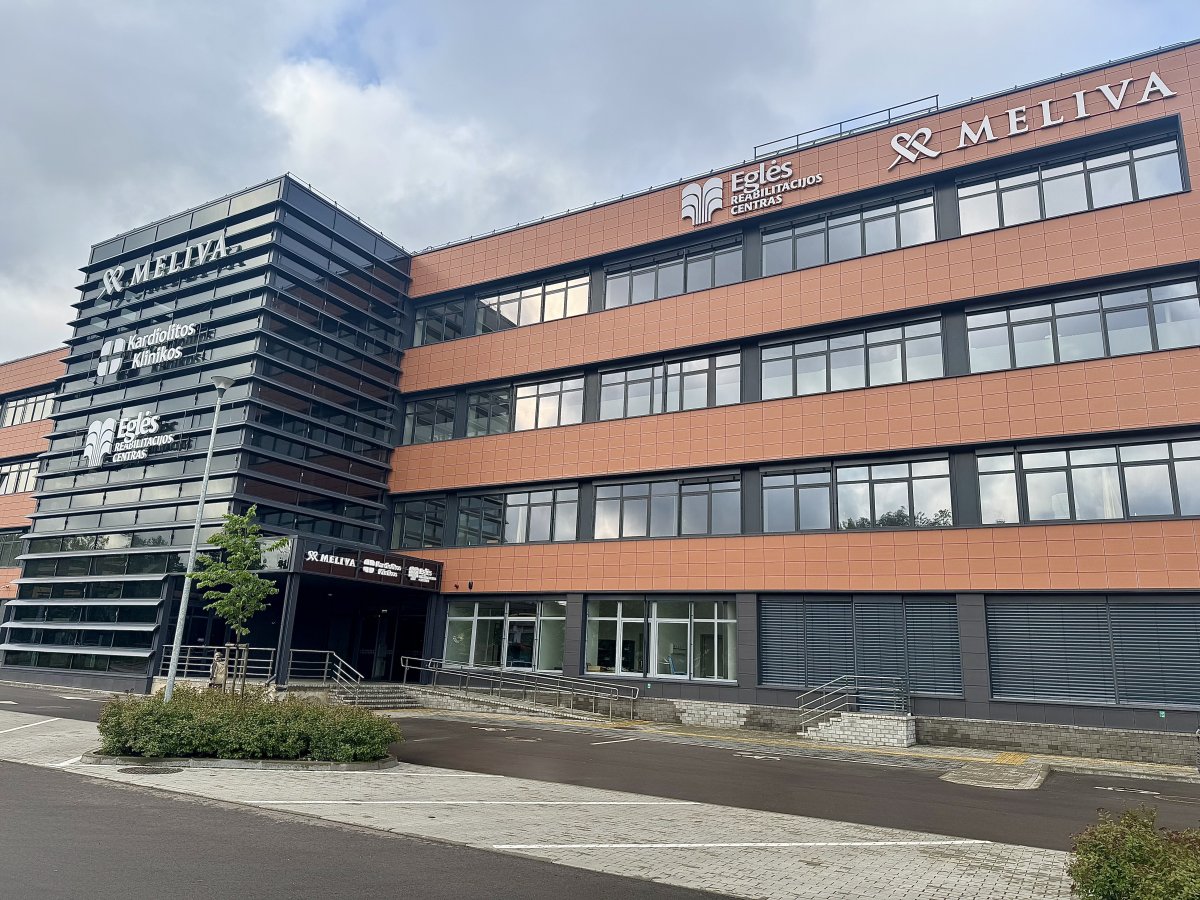
Bookimed Expert Insight: Choosing a multidisciplinary center like Meliva Kardiolita Hospital or the Medical Diagnostic and Treatment Center is vital for long-term success. These clinics serve over 60,000 to 298,000 patients annually. Their high volume means ENTs frequently handle complex cases where surgery was previously the only option. We see that patients benefit from these larger institutions because they offer integrated allergy testing and advanced diagnostics under one roof.
Patient Consensus: Patients emphasize that using nasal sprays consistently for at least 6 weeks is necessary to see results. Many note that managing underlying allergies is the most effective way to prevent polyps from returning after treatment ends.
Which clinics are most reputable for nasal-polyp care in Lithuania?
Reputable clinics for nasal polyp care in Lithuania include Meliva Kardiolita Hospital and the Medical Diagnostic and Treatment Center. These facilities hold JCI accreditation for patient safety. They provide advanced endoscopic sinus surgery and personalized treatment for chronic rhinosinusitis. Experienced ENT specialists lead these departments.
- Accreditation standards: Joint Commission International (JCI) and TEMOS certifications ensure clinical safety.
- Specialized expertise: Surgeons like Dr. Tomas Balsevičius specialize in endoscopic sinus procedures.
- Diagnostic capacity: Facilities offer rapid diagnostic screening and comprehensive rehabilitation services.
- Patient accessibility: Private clinics offer quick access compared to long public waiting lists.
Bookimed Expert Insight: While public university clinics hold deep academic expertise for complex cases, private centers prioritize speed. Meliva Kardiolita Hospital treats nearly 300,000 patients annually and manages high international volumes. This experience is vital for reducing recurrence through precise surgical techniques and follow-up care. Choose private facilities if you require native English-speaking medical staff and immediate consultations.
Patient Consensus: Patients emphasize finding surgeons with over 100 successful endoscopic cases specifically for polyps. Many travelers recommend virtual consultations to confirm if allergies are driving polyp growth before flying.
Who are the most experienced ENT surgeons for nasal-polyps work in Lithuania?
Lithuania features highly experienced ENT surgeons specializing in nasal polyp removal via functional endoscopic sinus surgery (FESS). Experts like Dr. Giedrius Strazdas and Dr. Dovydas Gutmanas specialize in these procedures at JCI-accredited facilities in Vilnius. These specialists typically possess over 20 years of surgical experience.
- Dr. Giedrius Strazdas: Over 20 years of experience performing ENT surgeries at Meliva Kardiolita Hospital.
- Dr. Dovydas Gutmanas: Performed over 3,200 treatments with a focus on functional nasal corrections.
- Dr. Evaldas Butkus: Senior specialist with 35+ years of expertise in the Šiauliai region.
- Dr. Tomas Balsevičius: Recognized specialist with over 15 years in endoscopic nasal polypectomy procedures.
Bookimed Expert Insight: High patient volumes at major hubs like Meliva Kardiolita Hospital, which treats 298,000 patients annually, correlate with surgeon proficiency. Choosing a JCI-accredited facility in Vilnius ensures international safety standards are met for complex sinus work. These centers often serve international patients from the UK and Scandinavia, indicating high procedural reliability.
Patient Consensus: Patients note that recovery from endoscopic techniques is faster than expected in private Kaunas clinics. It is important to confirm the surgeon has handled at least 500 polyp cases to ensure the best outcome.
What is the typical recovery timeline after endoscopic nasal-polyp surgery in Lithuania?
Lithuanian clinics report a recovery timeline of 1 to 2 weeks for light activity. Full internal healing typically requires 4 to 6 weeks. Nasal congestion and pressure are common during the first 3 days. Most patients return to desk work after 7 days.
- Daily activities: Return to light work and school within 10 to 14 days.
- Internal healing: Mucosal lining stabilizes 6 weeks after the endoscopic procedure.
- Exercise limits: Avoid heavy lifting and strenuous workouts for at least 2 weeks.
- Follow-up care: Debridement appointments occur during weeks 4 to 6 to prevent scarring.
Bookimed Expert Insight: Choosing a clinic like Medical Diagnostic and Treatment Center in Vilnius provides access to over 50 specialized departments. These large multidisciplinary centers often integrate post-operative rehabilitation directly into their care plans. This structural advantage helps ensure that follow-up cleaning and mucosal monitoring are handled by the same surgical team.
Patient Consensus: Patients mention the first week involves intense crusting and drainage that requires frequent saline rinses. Many find sleeping difficult during the first fortnight due to congestion and suggest keeping the head elevated.
How long should I plan to remain in Lithuania to complete safe nasal-polyp treatment?
Plan a stay of 10 to 14 days for safe nasal-polyp treatment in Lithuania. This window covers mandatory preoperative screenings and surgery. It also allows time for the critical early-stage recovery. Doctors must confirm you are fit to fly before departure.
- Preoperative phase: Spend 1 to 3 days completing blood tests and CT scans.
- Hospital stay: Expect 1 night at facilities like Meliva Kardiolita Hospital for monitoring.
- Initial recovery: Remain locally for 9 days to manage nasal crusting and healing.
- Travel safety: Staying 10+ days prevents severe bleeding caused by airplane cabin pressure.
Bookimed Expert Insight: Private clinics in Vilnius and Kaunas handle high patient volumes. Medical Diagnostic and Treatment Center serves 60,000 patients annually. Because 10% of their patients are international, these centers prioritize rapid same-week scheduling. This efficiency often allows you to complete all preoperative tests within 24 hours of arrival.
Patient Consensus: Patients highlight that scheduling surgery early in the trip is vital. This provides a necessary buffer for post-operative cleaning and ensures the first wound inspection happens in person.