Spinal Cord Abscess Treatment in Lithuania — Get 3 Personalized Clinic Matches


Medically reviewed by
Ali Zirh
What's the Cost of Spinal cord abscess Diagnosis and Treatment in Lithuania?
| Turkey | Austria | |
|---|---|---|
| Removal of spinal cord tumor | from $7,000 | ≈ $24,000 |
| Proton-beam therapy | from $25,000 | ≈ $24,000 |
| Da Vinci Robotic System | from $23,900 | ≈ $14,500 |
| CyberKnife | from $3,500 | ≈ $7,500 |
Your Benefits and Guarantees with Bookimed
Transparent Prices & Flexible Installments
No hidden fees – just official clinic prices. Pay at the clinic for Spinal cord abscess treatment and use a flexible installment plan if needed.
Verified Clinics & Doctors Only
Bookimed is committed to your safety. We only work with medical institutions that maintain high international standards in Spinal cord abscess treatment and have the necessary licenses to serve international patients worldwide.
Free 24/7 Assistance
Bookimed offers free expert assistance. A personal medical coordinator supports you before, during, and after your treatment, solving any issues. You're never alone on your Spinal cord abscess treatment journey.

Your personal Bookimed medical coordinator
- Supports you at every stage
- Helps choose the right clinic and doctor
- Ensures quick and convenient access to information
Best Spinal cord abscess Treatment Centers in Lithuania: 2 Verified Options and Prices



Get a Medical Assessment for Spinal cord abscess in Lithuania: Consult with Experienced Doctors Now
View all Doctors
Rocka Saulius
Rocka Saulius specializes in spinal neurosurgery at the Medical Diagnostic and Treatment Center, a center with expertise in complex neurosurgical conditions.
- Focuses on diagnosis and surgical treatment of spinal cord conditions
- Provides care at a center specializing in high-level neurosurgery
- Expert in managing serious neurological emergencies
Share this content
Video Stories from Bookimed Patients
 Anna Leonova
Expert Overview about Spinal cord abscess Treatment in Lithuania
What are the primary treatment methods for a spinal cord abscess?
Treatment for a spinal cord abscess combines emergency surgical decompression and long-term intravenous antimicrobial therapy. Physicians prioritize relieving spinal pressure to prevent permanent nerve damage. This standard approach effectively addresses both epidural and intramedullary infections through drainage and targeted high-dose medications.
- Decompressive laminectomy: Removes vertebral bone to instantly relieve pressure on the spinal cord.
- Abscess evacuation: Surgeons drain infected fluid and irrigate the area with sterile saline.
- Antimicrobial therapy: Patients receive targeted intravenous antibiotics for 4 to 8 continuous weeks.
- Needle aspiration: CT-guided drainage serves as a minimally invasive option for stable patients.
Bookimed Expert Insight: While many medical centers focus on general surgery, our data highlights that top Lithuanian facilities like the Medical Diagnostic and Treatment Center have specialized neurosurgery departments. Dr. Rocka Saulius, who heads this department, focuses specifically on complex spinal disorders. Patients should look for departments with dedicated neurosurgical leadership rather than general orthopedic units for these high-risk spinal infections.
Patient Consensus: Patients emphasize treating new back pain accompanied by weakness or fever as a medical emergency. Many note that finishing the full course of antibiotics is vital even after pain disappears.
Where can a medical traveler receive specialized neurosurgical treatment for a spinal cord abscess in Lithuania?
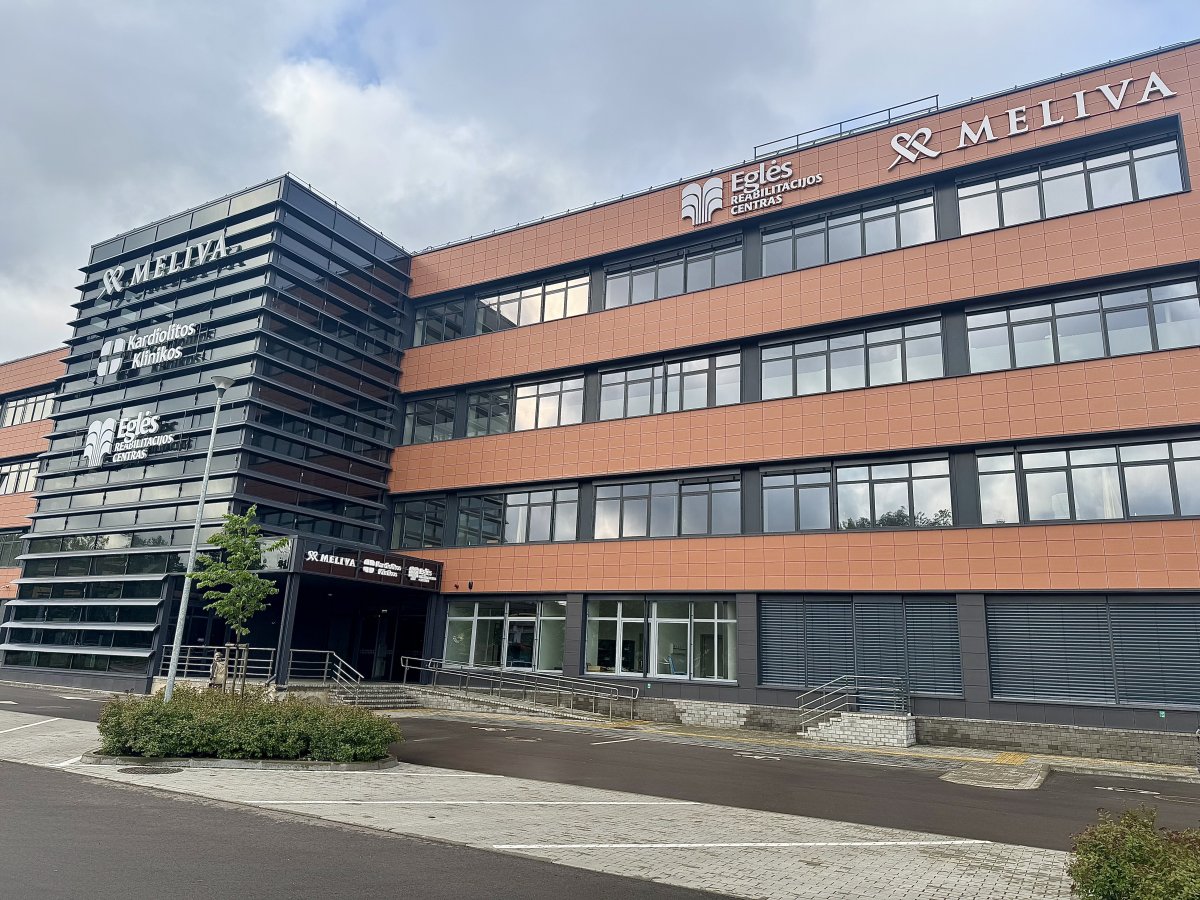
Medical travelers can receive specialized neurosurgical treatment for a spinal cord abscess at JCI-accredited facilities in Vilnius. Centers like Medical Diagnostic and Treatment Center and Meliva Kardiolita Hospital provide urgent decompression. These institutions offer immediate access to MRI diagnostics and expert neurosurgeons for drainage procedures.
- Expert surgical lead: Dr. Saulius Rocka specializes in complex spinal disorders and neurosurgery.
- Accreditation standards: Clinics maintain quality through JCI and Temos International Healthcare accreditation.
- Diagnostic speed: Facilities prioritize rapid pre-surgical diagnostics for critical neurological emergencies.
- International volume: Approximately 10% of patients travel from the UK, Ireland, and Scandinavia.
Bookimed Expert Insight: While private clinics offer faster personalized care, Medical Diagnostic and Treatment Center is uniquely positioned for this condition. It spans 53 departments. This allows for immediate coordination between neurosurgery and infectious disease experts. Such multidisciplinary collaboration is vital for managing complex spinal infections efficiently.
Patient Consensus: Patients note that spinal abscesses are time-critical emergencies. They emphasize the need to choose hospitals with on-site MRI and neurosurgical teams. Acting quickly is essential to prevent permanent nerve damage.
How quickly must treatment begin to avoid permanent damage?
Treatment for a spinal cord abscess must begin within hours to 48 hours to prevent permanent paralysis and nerve damage. The critical window narrows significantly once neurological deficits like weakness or sensory loss appear. Early intervention preserves spinal cord function and ensures a higher recovery rate.
- Critical window: Immediate treatment within 24–48 hours maximizes chances of full neurological recovery.
- Warning signs: Leg weakness, numbness, or loss of bladder control signal urgent spinal compression.
- Treatment priority: Decompression surgery and intravenous antibiotics stop the spread of infection rapidly.
- Clinical standard: JCI-accredited centers in Vilnius use MRI for immediate diagnosis of spinal disorders.
Bookimed Expert Insight: Success depends on the surgeon's experience with complex spinal procedures. Dr. Rocka Saulius at the Medical Diagnostic and Treatment Center leads a specialized neurosurgery department. His research in spinal disorders ensures high-precision care. Centers like Meliva Kardiolita Hospital handle 298,000 patients annually. This high volume often means faster access to diagnostics and surgical teams.
Patient Consensus: Patients emphasize that waiting for symptoms to worsen is a major mistake. They note that the speed of starting treatment after legal or bladder issues appear is the biggest factor in recovery.
What does the recovery and rehabilitation process involve?
Recovery starts with stabilizing your spine and eliminating the infection. It follows a multi-stage path from acute hospital care to intensive functional therapy. Specialists like Dr. Rocka Saulius at Medical Diagnostic and Treatment Center use minimally invasive methods to speed up this complex process.
- Infection control: Completing several weeks of intravenous antibiotic therapy before starting intensive rehabilitation.
- Functional benchmarks: Reaching milestones like sitting, standing with help, and gait training exercises.
- Physical therapy: Focusing on core stability and leg strength to restore movement safely.
- Activity restrictions: Wearing prescribed braces and avoiding heavy lifting or twisting during healing.
Bookimed Expert Insight: Our data shows Lithuanian centers like Medical Diagnostic and Treatment Center prioritize diagnostic accuracy early. This is vital because neurologic recovery often lags behind initial pain relief. Patients at these JCI-accredited facilities benefit from specialized rehabilitation teams that transition seamlessly from surgical decompression to functional training.
Patient Consensus: Patients note that initial weeks are more about managing IV lines and bloodwork than active exercise. They emphasize that while pain often improves quickly, regaining full strength and bladder control takes several months of dedicated effort.
Is long-term IV antibiotic therapy required after spinal cord abscess surgery in Lithuania?
Yes, long-term intravenous antibiotic therapy is standard after spinal cord abscess surgery in Lithuania. Patients typically undergo 6 to 12 weeks of treatment. This ensures complete eradication of deep-seated pathogens. It also prevents permanent neurological damage or dangerous infection recurrence.
- Intravenous duration: Patients receive high-dose IV antibiotics for 2 to 6 weeks.
- Treatment timeline: Total antibiotic courses frequently span 8 to 12 weeks.
- Transition criteria: Switching to oral therapy requires normal C-reactive protein (CRP) levels.
- Facility standards: Clinics like Meliva Kardiolita Hospital maintain JCI-accredited safety protocols.
Bookimed Expert Insight: While long-term therapy is required, it does not necessitate a 3-month hospital stay. Major Vilnius centers like MDTC focus on reaching clinical stability quickly. Once stabilized, patients may transition to outpatient care or specialized rehabilitation. Our data shows MDTC serves 48,000+ patients annually with high diagnostic accuracy. This allows teams like Dr. Rocka Saulius to tailor antibiotics precisely to lab results.
Patient Consensus: Patients note that while surgery relieves pressure, the infection requires weeks of patience. Many emphasize that a PICC line often allows for finishing treatment at home.